


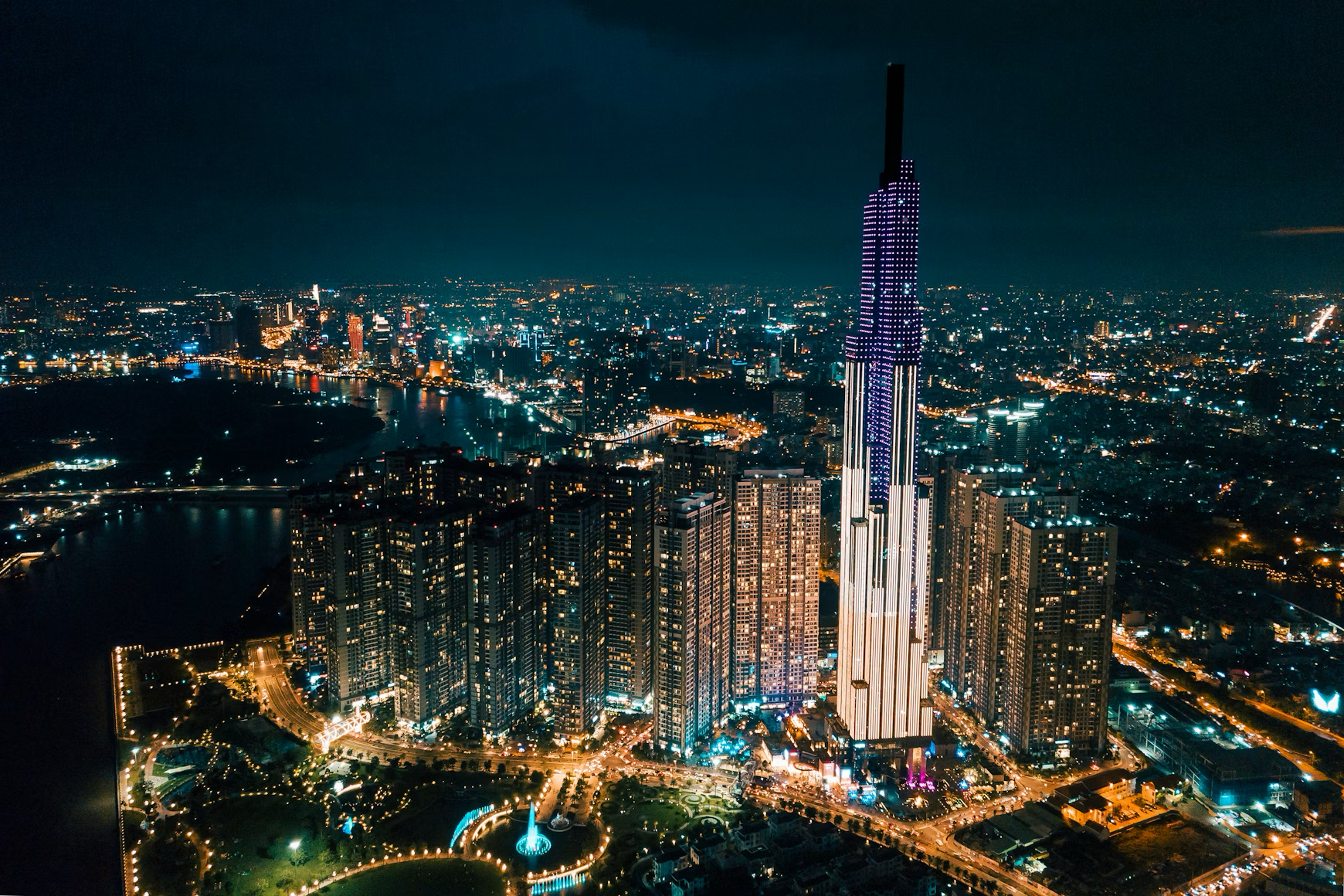
Vietnam is a country of stunning contrasts, where diverse landscapes, rich cultural heritage, and varied climates make it a fantastic destination year-round. Whether you’re drawn to the misty mountains in the north, the beaches in the south, or the vibrant cities in between, understanding the best time to visit Vietnam based on weather, activities, and events is essential for making the most of your trip. This guide provides insights into Vietnam’s climate and seasonal experiences to help you plan your visit at the right time.
Vietnam’s Climate: A Country of Contrasts
Vietnam’s climate varies significantly from north to south and is influenced by monsoons, making it essential to understand how the weather differs across the country. In general, Vietnam experiences two main seasons: the wet (rainy) season and the dry season.
- Northern Vietnam has a temperate climate, with four distinct seasons: spring, summer, autumn, and winter. Winters can be chilly, especially in the mountains, while summers are hot and humid.
- Central Vietnam sees a more tropical climate with a marked wet season during the fall, while the rest of the year is relatively dry.
- Southern Vietnam enjoys a tropical climate with distinct wet and dry seasons, where rain is frequent from May to November, and temperatures remain warm year-round.
Understanding these regional variations is key to selecting the right time to visit based on your travel preferences.
The Best Time to Visit Northern Vietnam
Seasons and Weather in the North
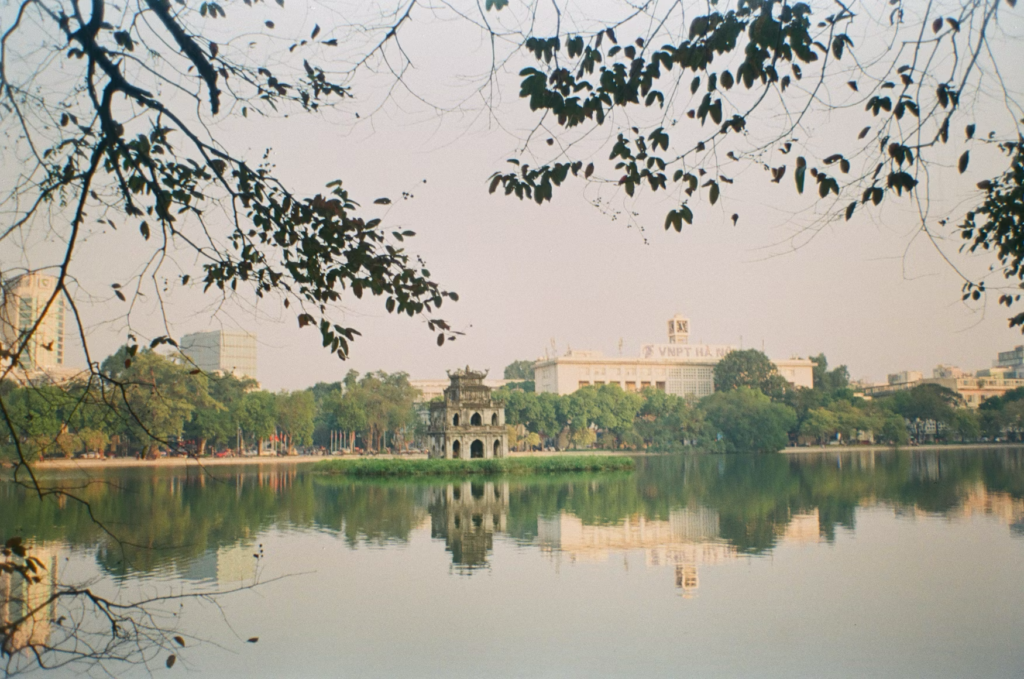
Northern Vietnam, including Hanoi and the stunning Sapa region, offers a more temperate climate compared to the rest of the country. Winters (December to February) can be quite cold, especially in the mountains, with temperatures dropping to 10°C (50°F) or lower, making it ideal for trekking but requiring warmer clothing. Spring (March to April) and autumn (September to November) are particularly pleasant, with mild temperatures and clear skies.
Best Activities for Northern Vietnam
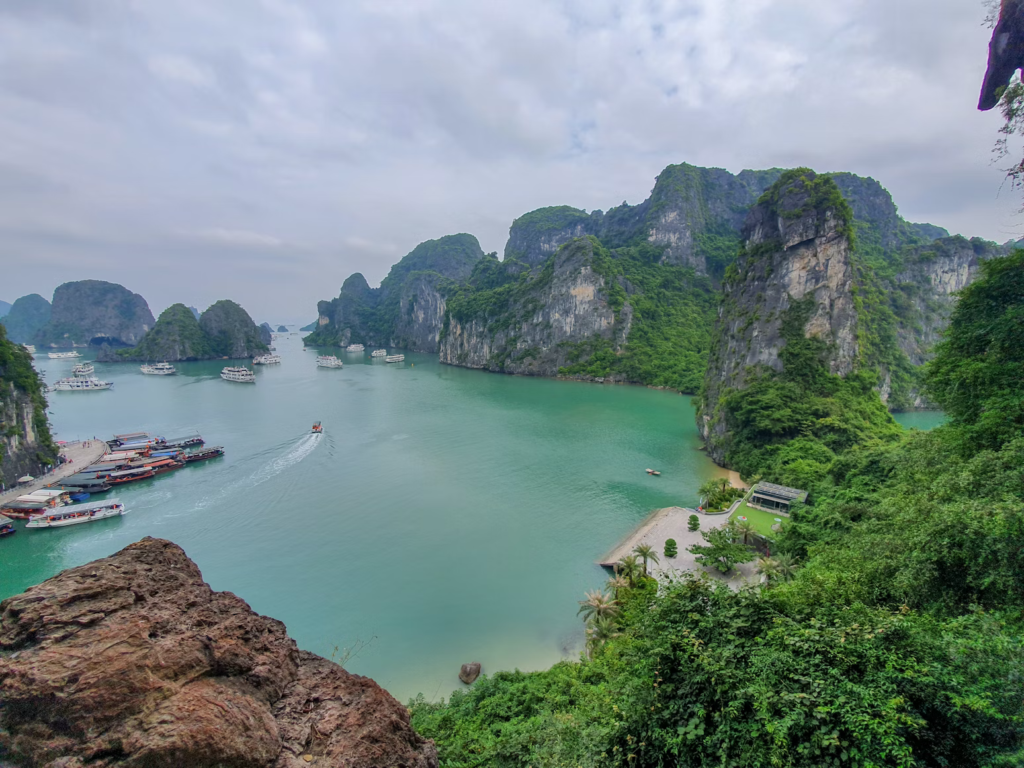
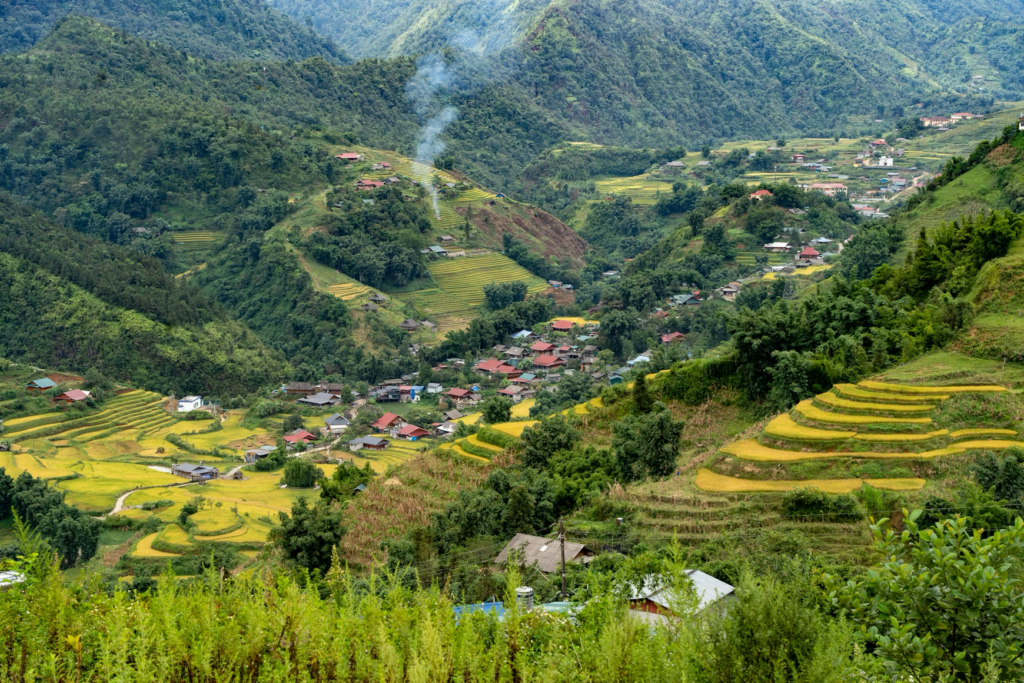
The best time to visit Northern Vietnam is during the spring (March to April) and autumn (September to November), as the weather is comfortable for sightseeing, outdoor activities, and trekking. During these seasons, you can explore the ancient streets of Hanoi, take a cruise through Halong Bay, or hike in Sapa amidst stunning rice terraces and traditional villages.
Festivals and Events
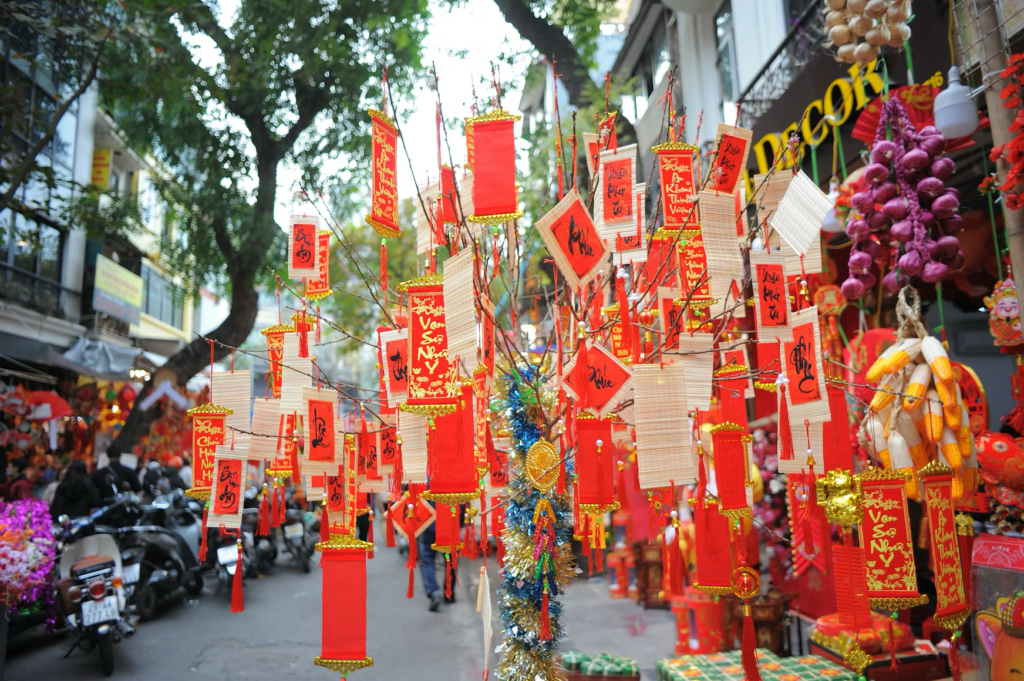
Vietnam’s Lunar New Year, or Tết, typically falls in late January or February, and it is one of the most important cultural events in the country. While it’s a fantastic time to experience local traditions and celebrations, it’s also when many businesses and services shut down, so be mindful of availability when traveling around this time.
The Best Time to Visit Central Vietnam
Seasons and Weather in the Central Region
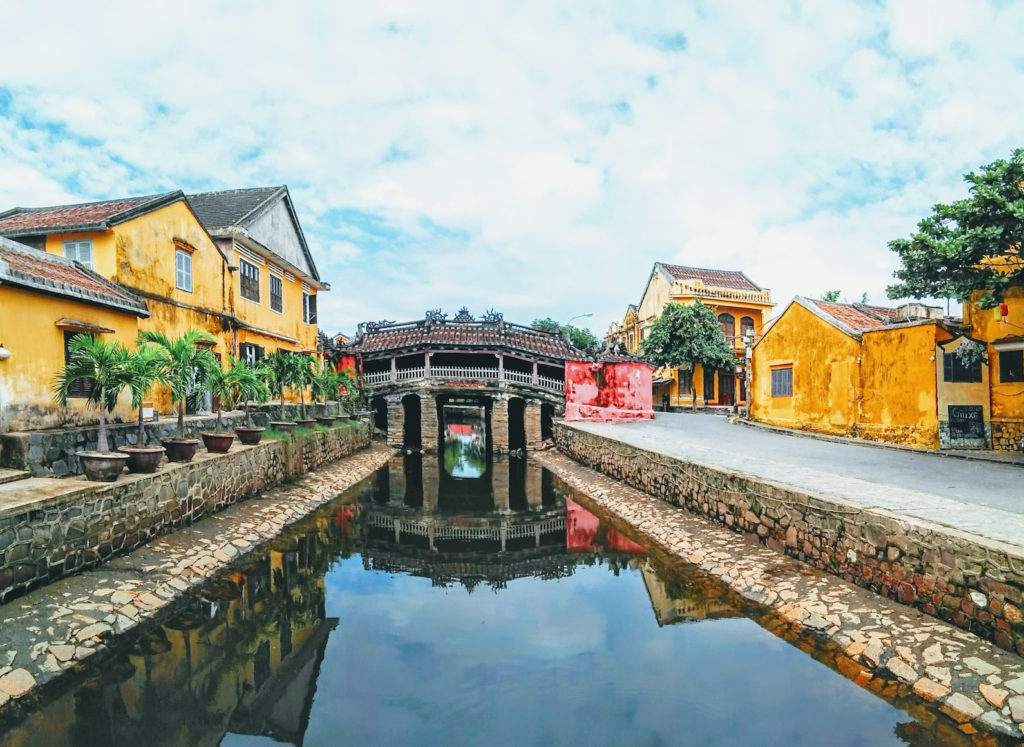
The central region, including Hue, Da Nang, and Hoi An, has a tropical climate with a wet season from September to December. Rainy weather can disrupt travel plans, particularly in coastal areas like Da Nang and Hoi An, where floods are common during the monsoon. The dry season from January to August is generally the best time to visit, with warm temperatures and plenty of sunshine.
Best Activities for Central Vietnam
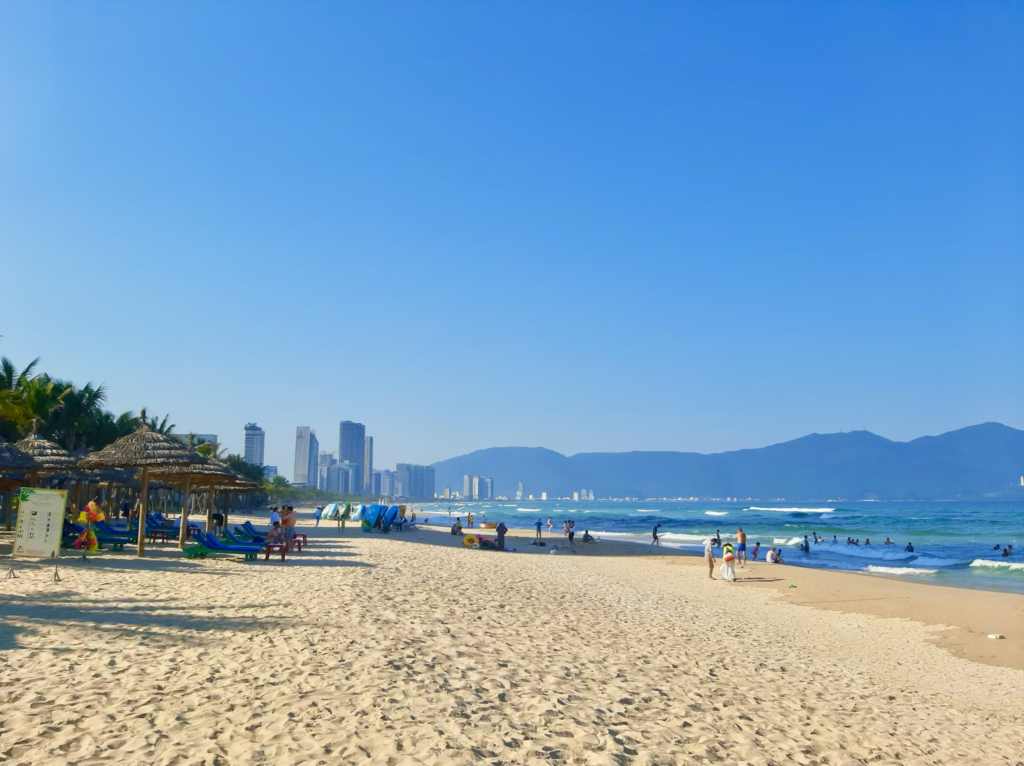
Central Vietnam is famous for its stunning beaches, historical sites, and charming towns. The dry months (January to August) are perfect for exploring the Imperial City of Hue, visiting the Ancient Town of Hoi An, or relaxing on the sandy beaches of Da Nang and Lang Co. In Hoi An, the annual Hoi An Lantern Festival (held during the full moon) is a magical experience, with colorful lanterns lighting up the streets.

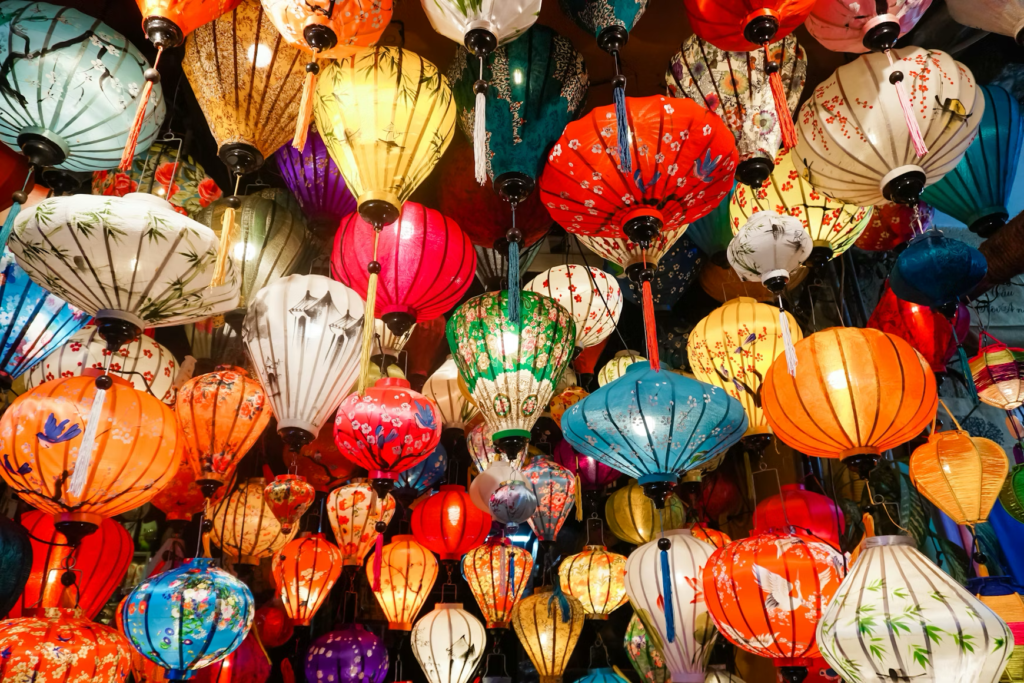
Festivals and Events
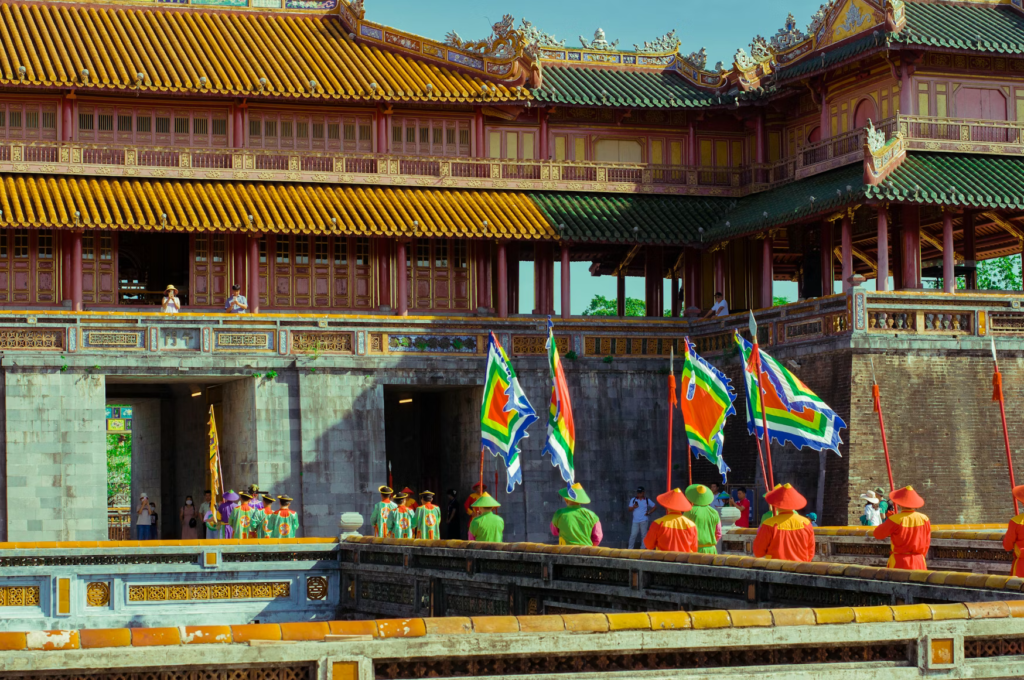
The Hue Festival in April or May celebrates the city’s imperial history with cultural performances, art exhibitions, and parades. If you enjoy cultural events, planning your trip around this festival will give you an authentic experience of local traditions.
The Best Time to Visit Southern Vietnam
Seasons and Weather in the South
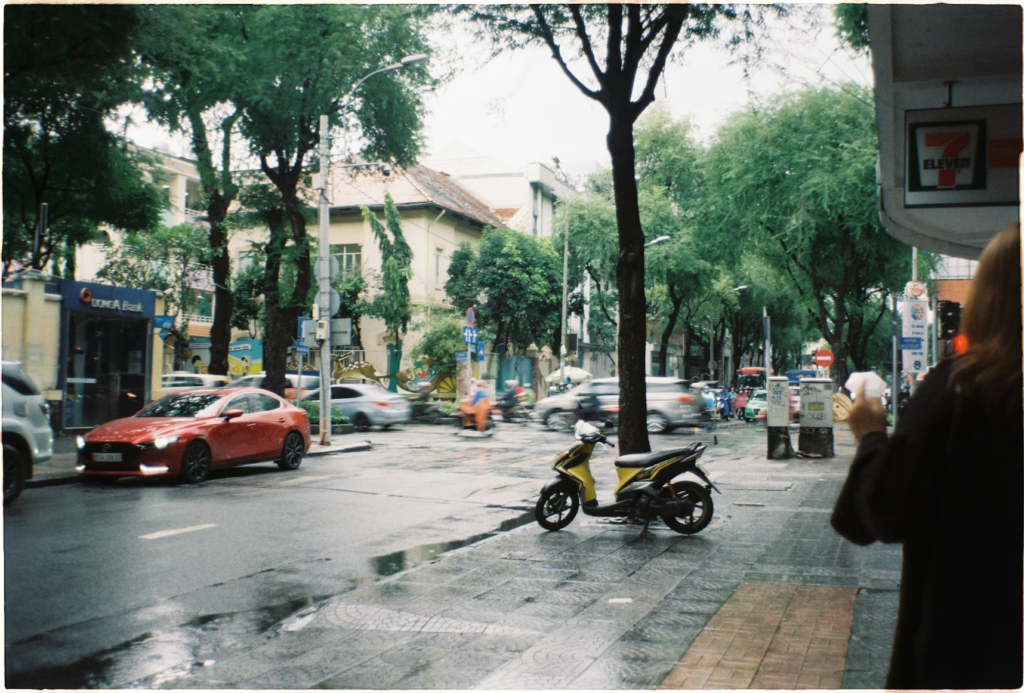
Southern Vietnam, home to Ho Chi Minh City (Saigon) and Phu Quoc, enjoys a tropical climate with two main seasons: the rainy season (May to November) and the dry season (December to April). The dry season offers warm temperatures and sunshine, making it the most popular time for beach holidays and outdoor activities.
Best Activities for Southern Vietnam
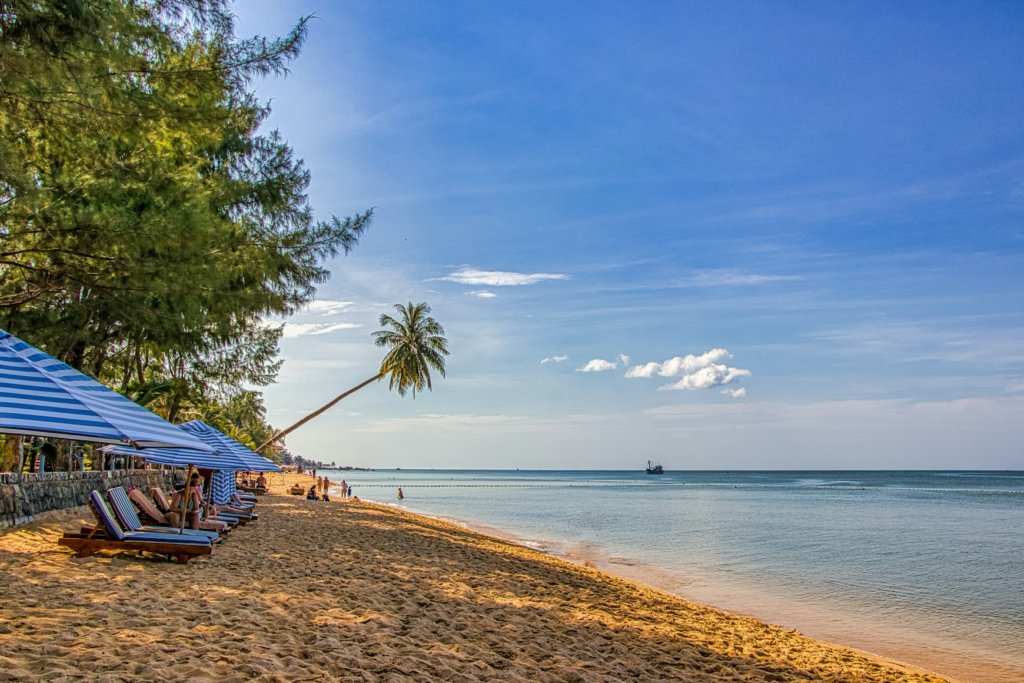
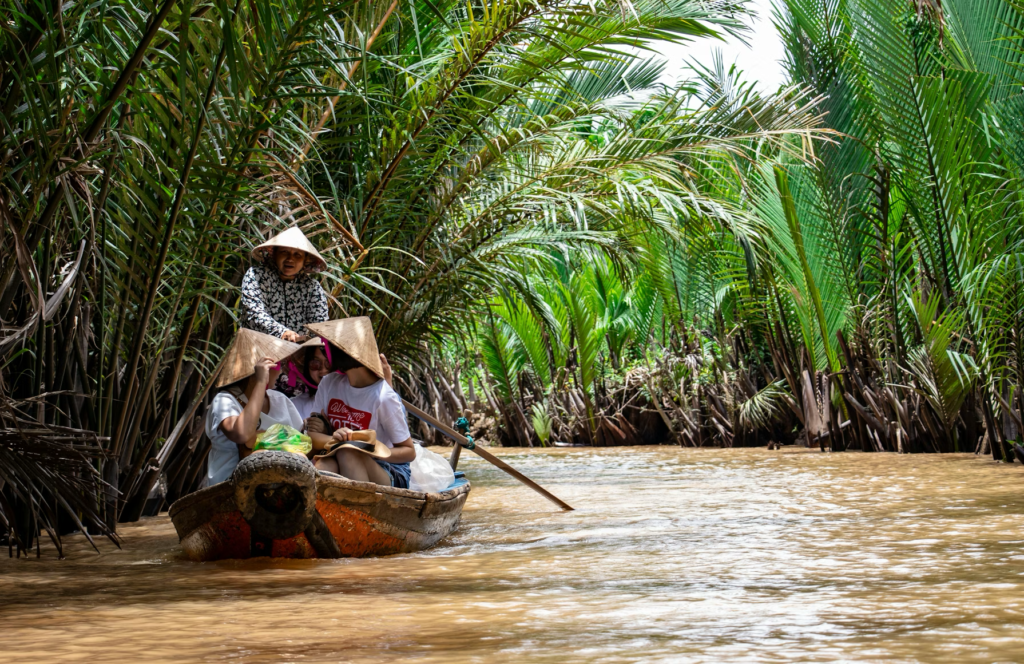
The dry season (December to April) is the ideal time to explore Ho Chi Minh City, tour the Cu Chi Tunnels, or visit the Mekong Delta. For a relaxing beach getaway, Phu Quoc Island offers clear waters, resorts, and water activities, with the best conditions between December and March. If you prefer more cultural immersion, visiting Saigon during the Tet holiday (typically in January or February) offers a unique experience of traditional festivities.
Festivals and Events
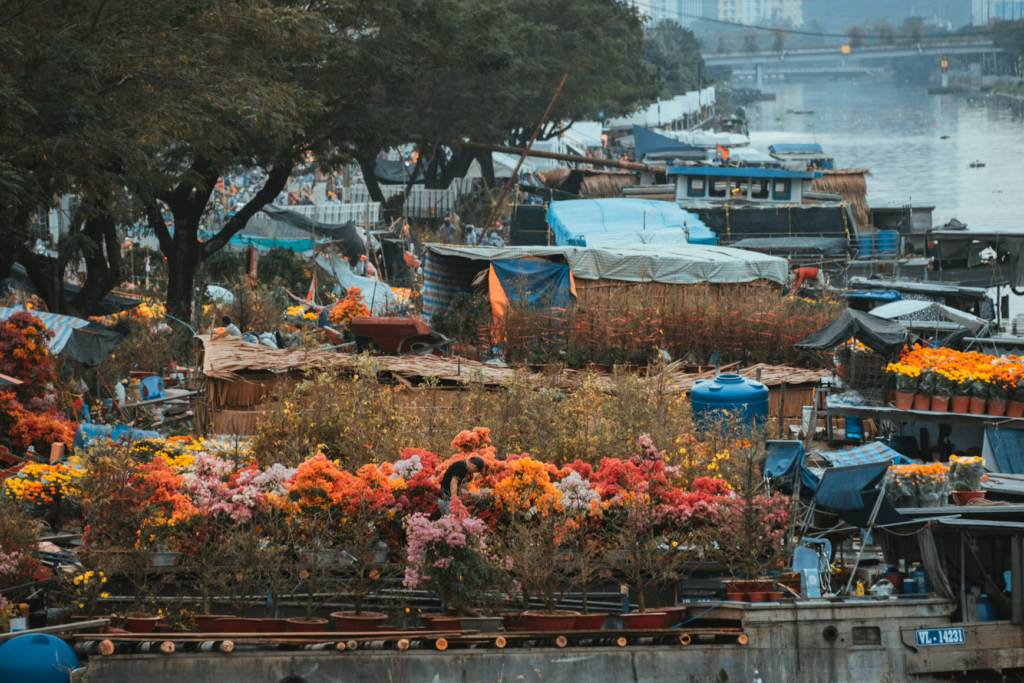
Tet (Vietnamese New Year) is the biggest cultural event of the year, marked by festive street markets, family gatherings, and celebrations. Although many places close during Tet, the vibrant atmosphere and special events make it a memorable time to visit for those wanting to experience Vietnam’s cultural heart.
Best Time for Specific Activities
Trekking and Outdoor Adventures
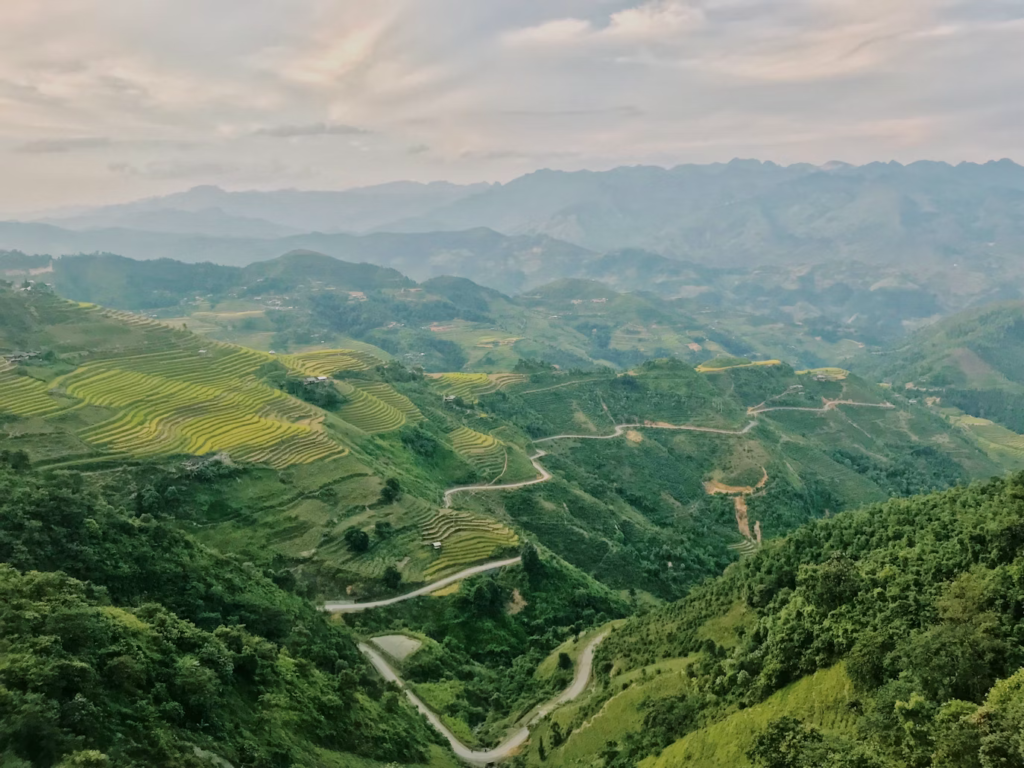
If you’re keen on hiking or trekking, the best time to visit regions like Sapa or Ha Giang in the north is during the dry months, from September to November or March to May, when temperatures are milder, and the scenery is at its most beautiful. The spring and autumn months offer clear skies and comfortable conditions for exploring Vietnam’s mountain ranges and rural villages.
Beach Holidays
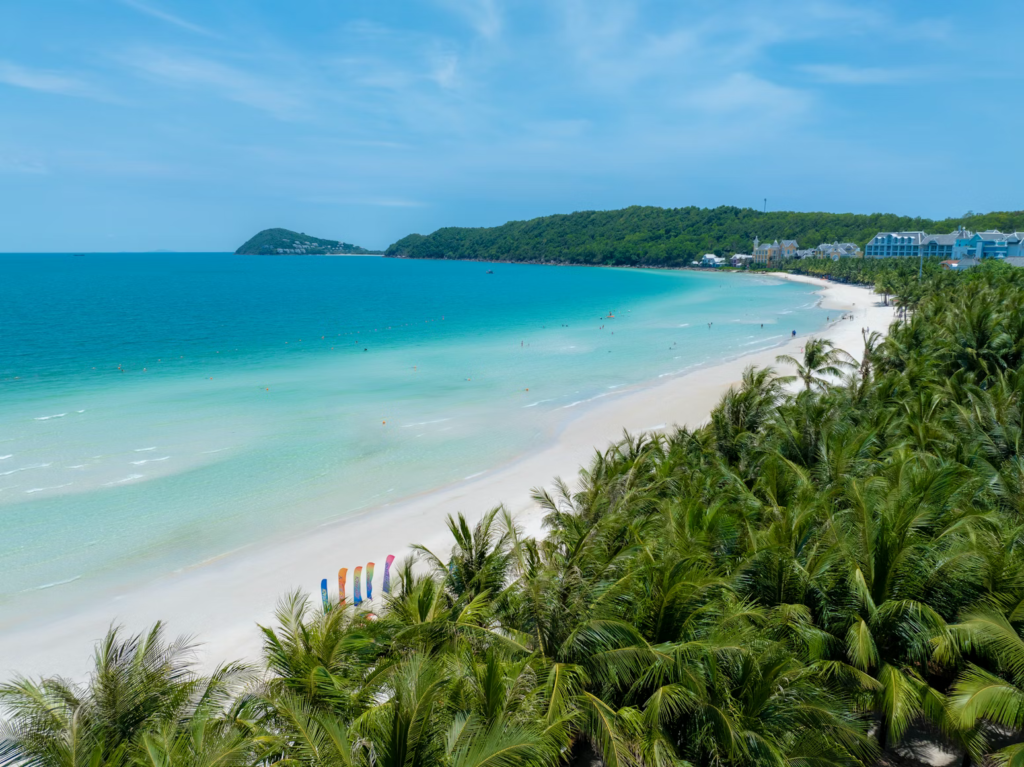
For beach lovers, the dry season in Southern Vietnam (December to April) is ideal for beach holidays, particularly in Phu Quoc, Nha Trang, and Mui Ne, where you can enjoy sun, sea, and sand without the heavy rains. For central Vietnam’s coast, visit during the dry months of January to August, when beach conditions are perfect.
Cultural Festivals
Vietnam is rich in festivals and events, with Tet being the most significant. Celebrated in January or February, this marks the Lunar New Year and is an exciting time to visit. The Hue Festival (April or May) and Hoi An Lantern Festival (monthly) are also top cultural events where visitors can enjoy vibrant parades, traditional performances, and colorful festivities. These festivals are great for those looking to immerse themselves in the cultural aspects of the country.
Conclusion: When to Visit Vietnam
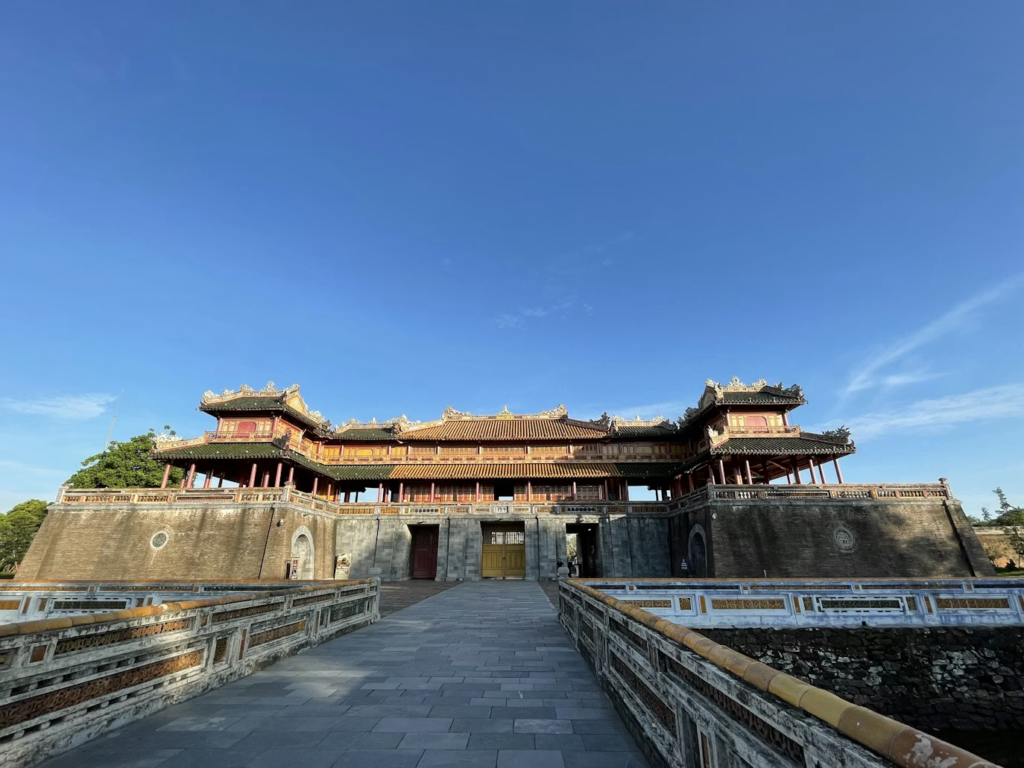
The best time to visit Vietnam ultimately depends on the type of experience you want. If you’re looking to enjoy outdoor adventures, such as trekking or exploring mountain landscapes, the spring and autumn months in Northern Vietnam are ideal. For a beach vacation, head to the south during the dry season. Central Vietnam is best visited during the dry months, especially for those interested in historical landmarks and beach activities.
Understanding the local weather patterns and planning around festivals will enhance your experience, allowing you to enjoy the diverse offerings of Vietnam while avoiding the challenges posed by extreme weather conditions. By choosing the right time to visit based on your travel goals, you can ensure a more enjoyable and rewarding trip.
