


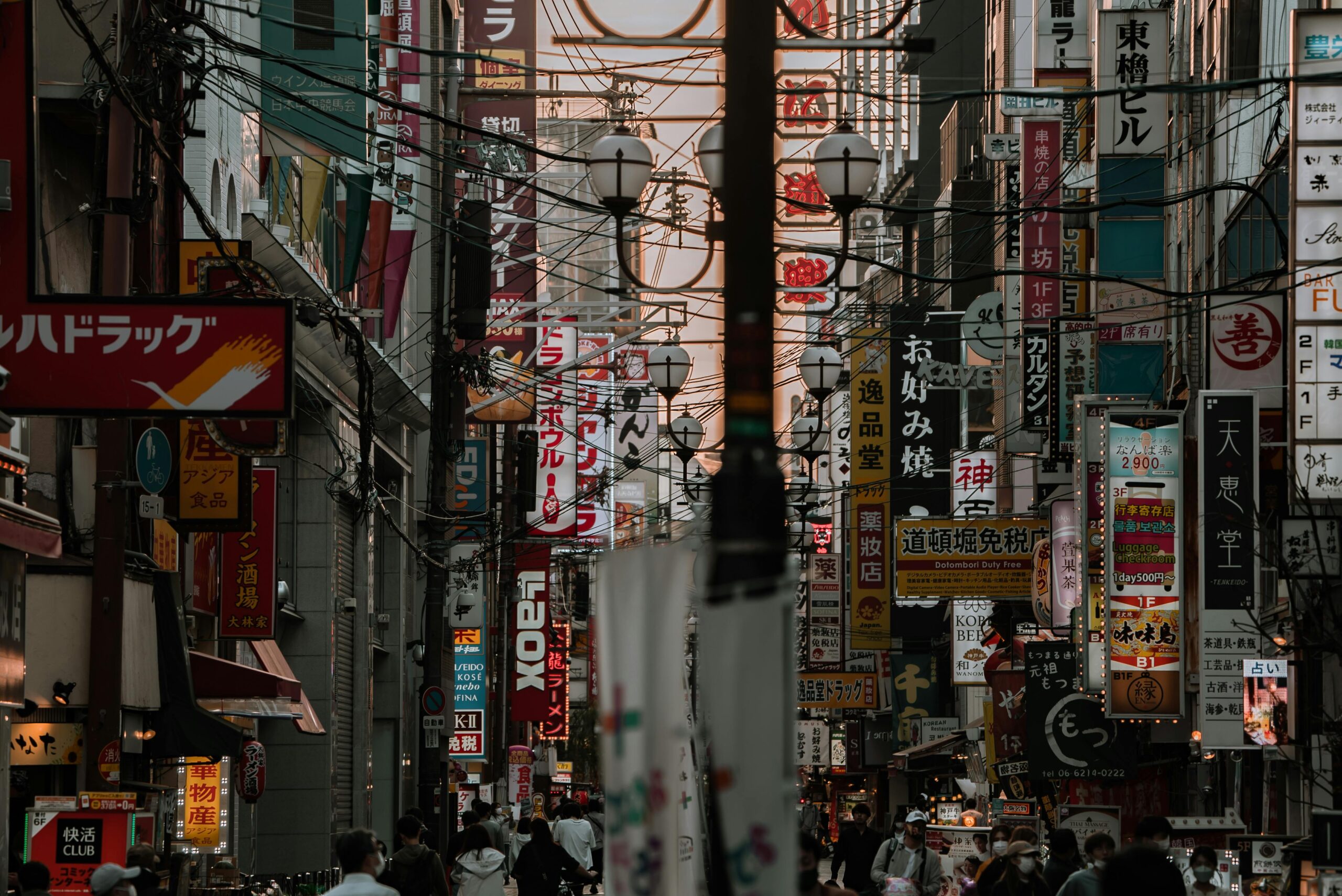
Japan reveals itself differently depending on when you arrive, especially across peak and off season. The difference is rarely dramatic, and it often has little to do with what appears in photographs. It shows up in how days unfold, how movement feels inside cities, and how much space remains between plans as time passes.
Some months allow the country to meet visitors with ease. Other periods compress experience into tighter frames, where timing begins to shape each decision. Neither state is better by default. They simply ask for different kinds of attention. Understanding the off season and peak season in Japan begins there, with how the rhythm of a day changes once you step outside.
When the Year Feels Full

During Japan’s peak travel periods, time tends to fill itself quickly. Spring brings early mornings and long daylight, drawing people into parks, riversides, and city streets before the day has fully settled. Trains continue to run on schedule as density increases from stop to stop, and walking routes gradually take on a directional flow. You move naturally, often without planning to rush, and still find that afternoons arrive already feeling complete.

Autumn follows with a calmer surface. The air clears, light softens, and the city appears to breathe more evenly. Beneath that calm, the pace remains steady. Popular streets narrow as the day progresses, cafés cycle visitors at a consistent rhythm, and pauses tend to arrive briefly, slipping between activities instead of opening wide.

These periods carry a strong sense of presence. Landmarks feel alive, seasonal moments are visible everywhere, and the country seems to move in unison. Days hold their shape easily, though that shape leaves little room to stretch.
How Peak Season Shapes Movement
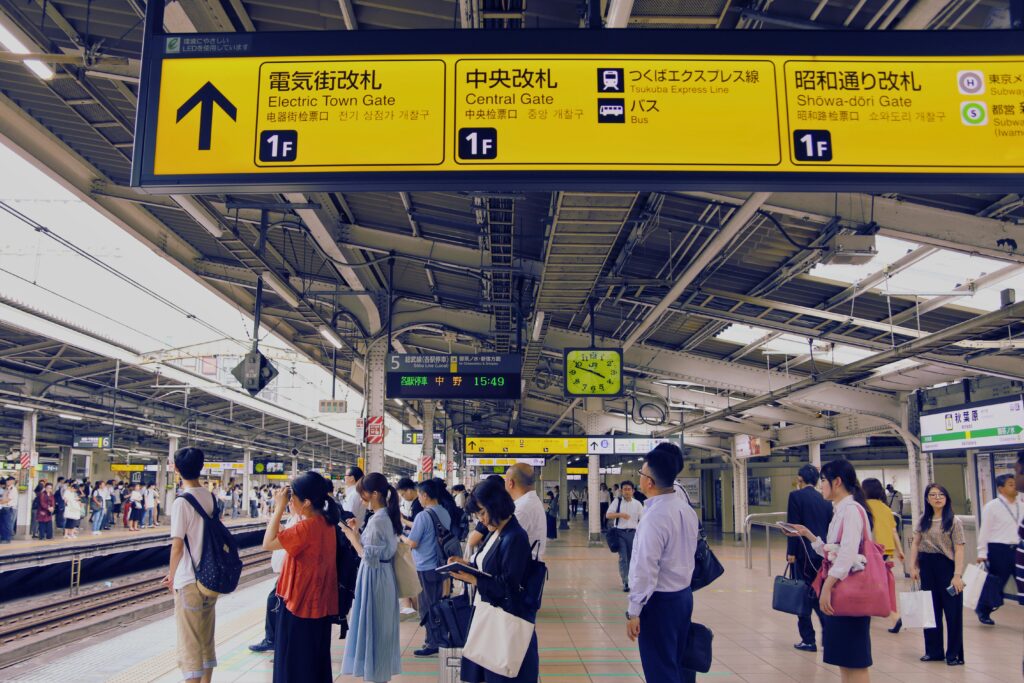
In peak season, movement becomes something you notice. Choices about when to leave, where to stop, and how long to stay quietly begin to matter. You adapt without effort at first, adjusting pace, timing meals earlier, stepping aside when needed. Over several days, that adaptation becomes part of the experience.
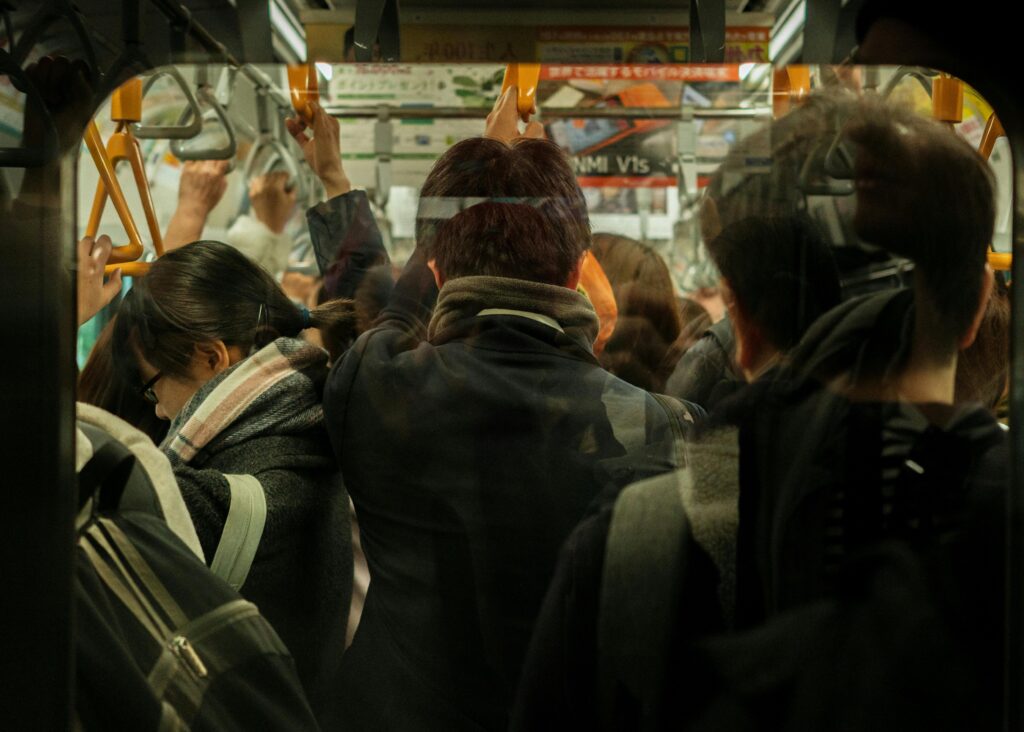

Nothing feels disordered. Systems work smoothly, and cities remain functional. The difference lies in how closely moments sit together. Space between plans exists, though it feels limited, as if it needs to be protected rather than discovered naturally.
For travelers who enjoy structure, this rhythm can feel satisfying. Days feel full, progress is visible, and seasonal highlights anchor memory. For others, the compression becomes noticeable toward the end of a trip, when the desire to linger begins to surface.
When the Rhythm Loosens

Outside peak periods, Japan softens its pace without announcement. Mornings stretch more easily, and the sense of negotiating time fades. Movement feels lighter, and days tend to open gradually rather than filling themselves all at once.
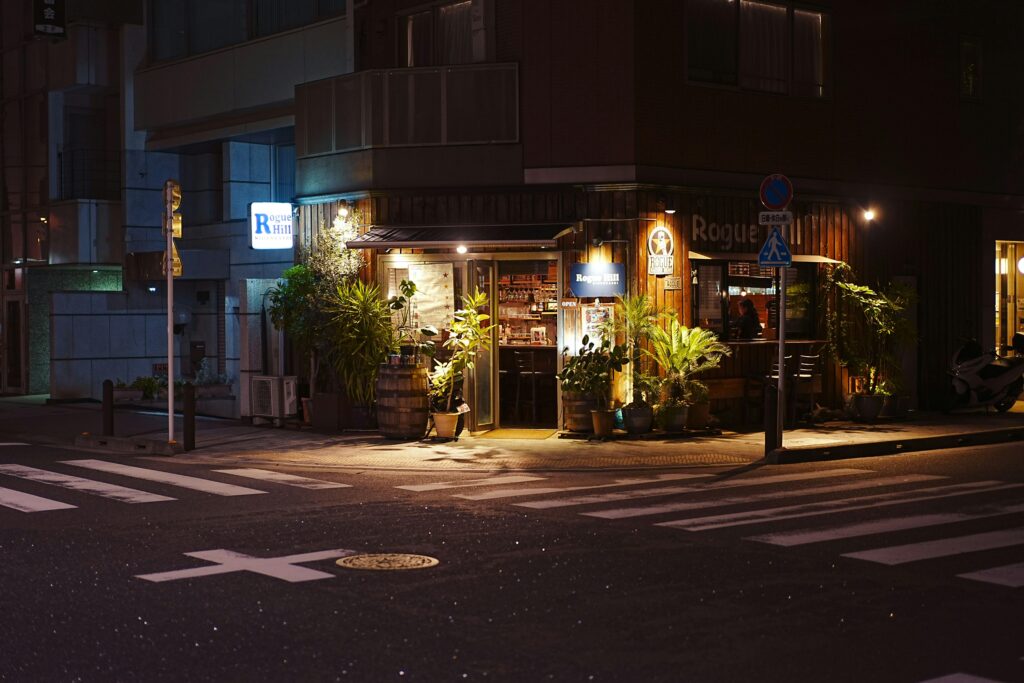
Cities regain their shape. Streets invite wandering again, trains feel like infrastructure rather than moments to manage, and cafés hold space longer. You find yourself staying where you are without checking the hour, letting the day extend on its own.
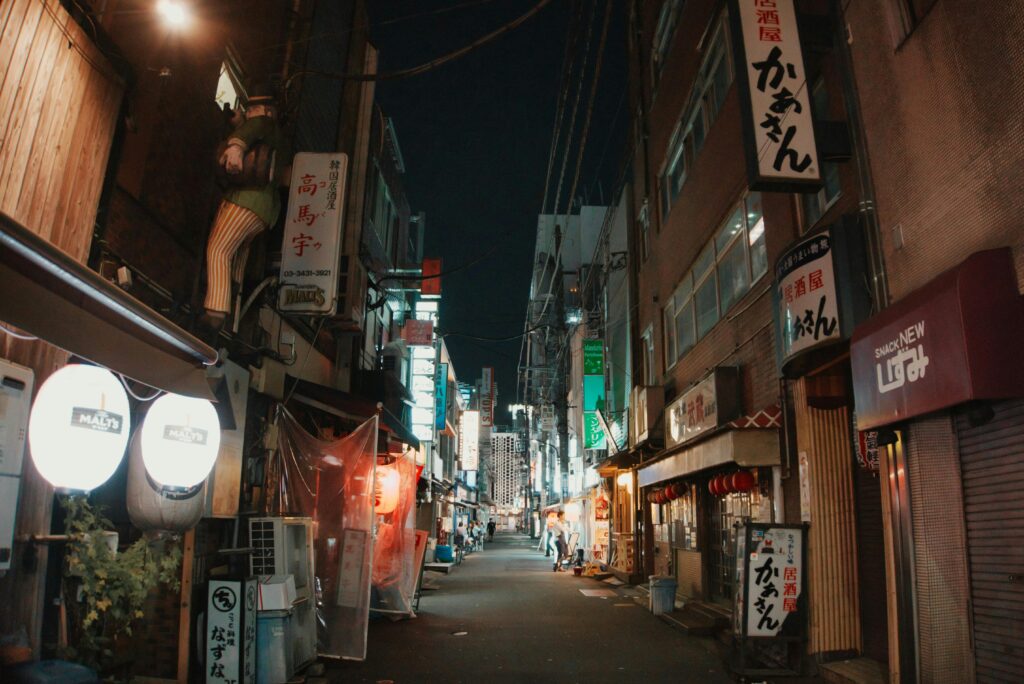
The country remains fully operational. Shops are open, transport runs normally, and daily life continues. What changes is the amount of effort required to stay present inside each moment.
Off Season and Daily Experience

In the off season, Japan often feels more conversational. Interactions slow slightly, routines feel less compressed, and ordinary scenes gain clarity. Neighborhoods reveal themselves through repetition rather than highlights. Even familiar destinations feel easier to inhabit.

Weather plays a role here. Cold days arrive quietly, rain moves through without ceremony, and summer heat shapes the day into longer pauses. These elements ask for adjustment, though they rarely interrupt the flow entirely. What the off season often offers is continuity. Days connect to one another without sharp edges, and the experience accumulates gently, leaving room for reflection as it unfolds.

What Changes, What Remains
Across all seasons, Japan remains itself. Cities continue to function, cultural spaces stay accessible, and regional character holds steady. What shifts is how tightly experience is held.

Peak season brings visibility and shared attention. Seasonal moments appear everywhere, and the country feels collectively engaged. Off season brings clarity. Daily life surfaces more easily, and time feels less structured around anticipation. Neither state replaces the other. They reveal different layers of the same place.
Choosing Your Timing
Choosing when to visit Japan is less about avoiding difficulty and more about understanding where you want to spend your energy while traveling. Some travelers arrive seeking moments that gather the country into focus. Others come looking for days that unfold without effort.

Japan accommodates both. It simply responds differently. When time feels full, the country asks you to move with it. When time loosens, it allows you to settle in. Knowing which experience you are drawn to is often the clearest way to decide when to go.
