



Travel budgets often arrive quietly, carrying a certain tension with them. The moment numbers appear, attention shifts. The trip feels closer, more defined, and occasionally narrower than it did just a moment before. For many people, that sensation is enough to make budgeting feel uncomfortable, even before any concrete decisions are made.
What usually unsettles a trip is the way money enters the experience. It tends to surface at moments when energy is already low, when choices feel compressed by time or fatigue. In those moments, decisions feel heavier than they need to be. A budget, when shaped with some care ahead of time, often changes that dynamic by moving those decisions out of the moment and into a calmer space. Most travel budgets struggle because they don’t reflect how a place is actually lived.
Starting With How You Travel, Not What Things Cost

A lot of budgeting advice begins with structure. Trips are divided into categories, numbers assigned to flights, accommodation, food, and activities, and the framework is treated as the solution. It’s a tidy way to think, and it works well on paper.
Experience, however, tends to organize itself differently. Some travelers feel most affected by where they sleep. Others barely notice accommodation as long as they spend most of the day outside. Some trips are remembered through meals that stretch longer than planned, through conversations that anchor a place emotionally. Others through movement, terrain, or the feeling of drifting through a city without urgency. When a budget doesn’t account for these patterns, it can feel mismatched, even if it’s technically sound.
Protecting the experience usually begins with noticing where comfort matters to you personally and where it fades into the background. Those preferences are born from experience, shaped by energy and time away. Spending decisions shaped by that awareness tend to feel lighter, because they’re aligned with how you already move through the world.
The Quiet Role of Predictability
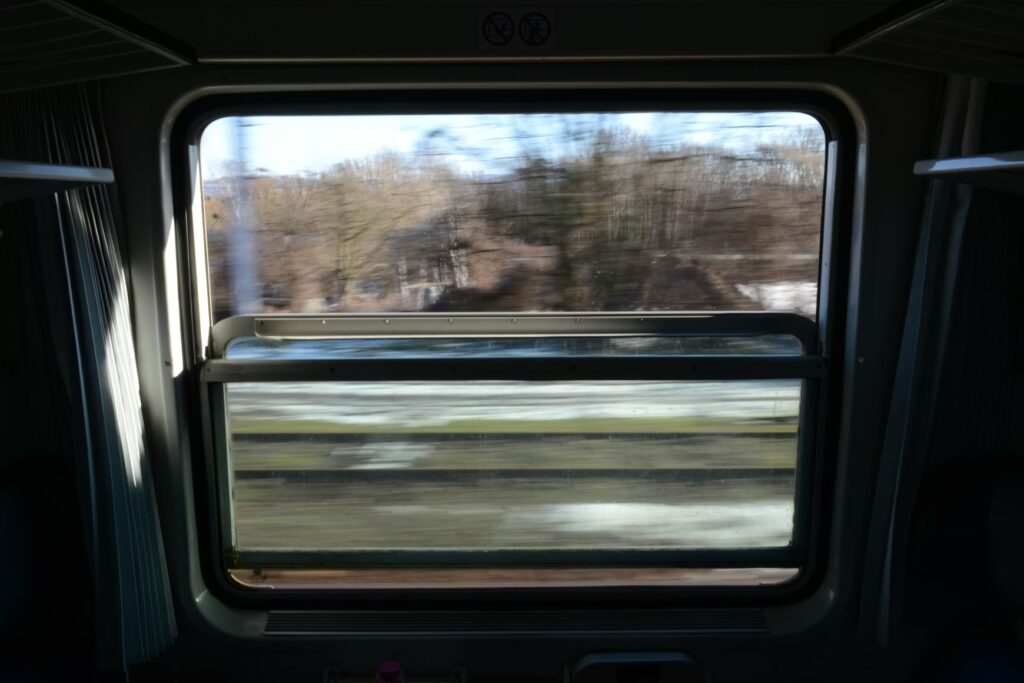
Budgets become burdensome when they try to eliminate uncertainty entirely. The fixed expectations and close tracking of expenses can feel reassuring at first, but they can also flatten the natural flow of a trip as it shifts from day to day.
Travel rarely moves evenly. Some days gather weight without warning, like a long train ride through a landscape you didn’t anticipate that quietly settles into memory. A simple meal can stretch into an evening, and a place can hold your attention longer than planned. Budgets that allow space for this unevenness often feel easier to live inside, because they follow the rhythm travel tends to take on its own.
Rather than setting strict limits for each day, many travelers find more ease in thinking in ranges. Quieter days that cost less without effort leave room for moments that ask for more. The budget becomes a loose boundary around the journey as a whole, instead of a presence that needs constant checking.
Where Costs Usually Accumulate

The expenses that cause stress are rarely the obvious ones. Flights and accommodation appear early and shape expectations from the start. The smaller costs that show up once the trip is underway often accumulate more quietly.
Local transport chosen on the spot. Weather-driven changes. Small conveniences that start to feel reasonable as tiredness sets in. Entry fees, tips, luggage storage, short rides taken because walking feels heavier than expected that day. None of these moments stand out on their own, but together they influence how relaxed or constrained the trip feels. Leaving room for adjustments acknowledges that recalibration is part of travel, with its own quiet cost.
Saving Without Creating Friction

Some ways of saving money barely register emotionally, while others slowly drain energy. Moving more slowly reduces expenses and deepens the experience. Staying in one place longer lowers transport costs and lets routines form. Eating simply most days makes indulgences feel more intentional than impulsive. These choices blend into the trip naturally.
What weighs more heavily are the decisions that add friction to ordinary moments: accommodation that never quite lets you rest, transport that turns movement into effort, constant calculations at the point of purchase. When budgeting creates tension in everyday moments, the trip feels smaller, even if the itinerary stays full.
Letting the Budget Fade Into the Background
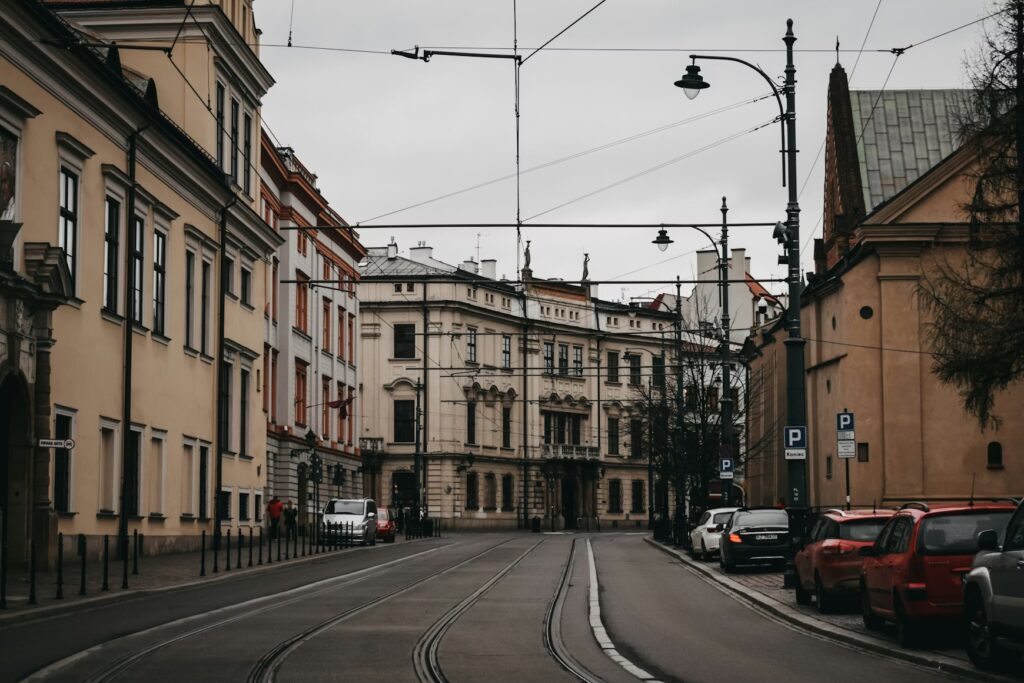
A well-shaped travel budget stays present, guiding decisions quietly without demanding attention. You sense when something fits and when it doesn’t, because the boundaries have already been set. This kind of budgeting creates space for spontaneity. When bigger decisions are already made, saying yes comes more easily, and choices feel less urgent.
When Adjustment Happens Gently
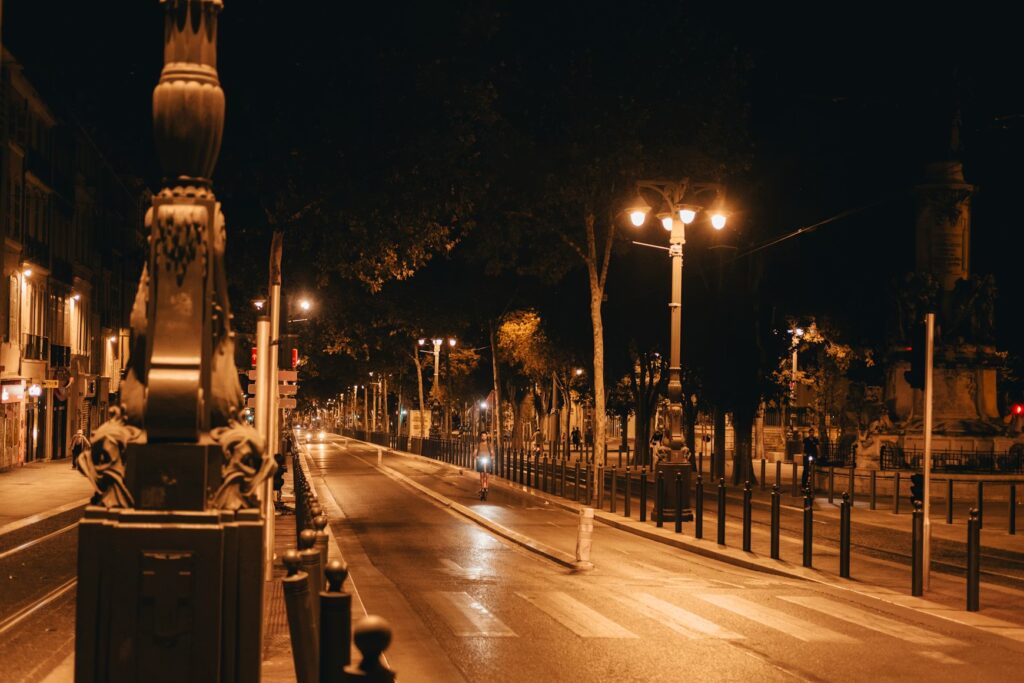
Most trips involve some degree of adjustment. Costs shift, priorities evolve, and what matters is noticing those shifts early enough to respond without tension. Going slightly over budget is often part of that movement. Many travelers find ease in building a buffer they don’t expect to use, simply to preserve calm. Knowing it’s there can matter more than spending it.
A travel budget works best when it aligns with how you move through the world, guided by clarity instead of discipline. It’s less about restriction and more about understanding your priorities and what you’re willing to release. A budget that protects the experience feels more like an understanding with yourself than a list of rules.
