


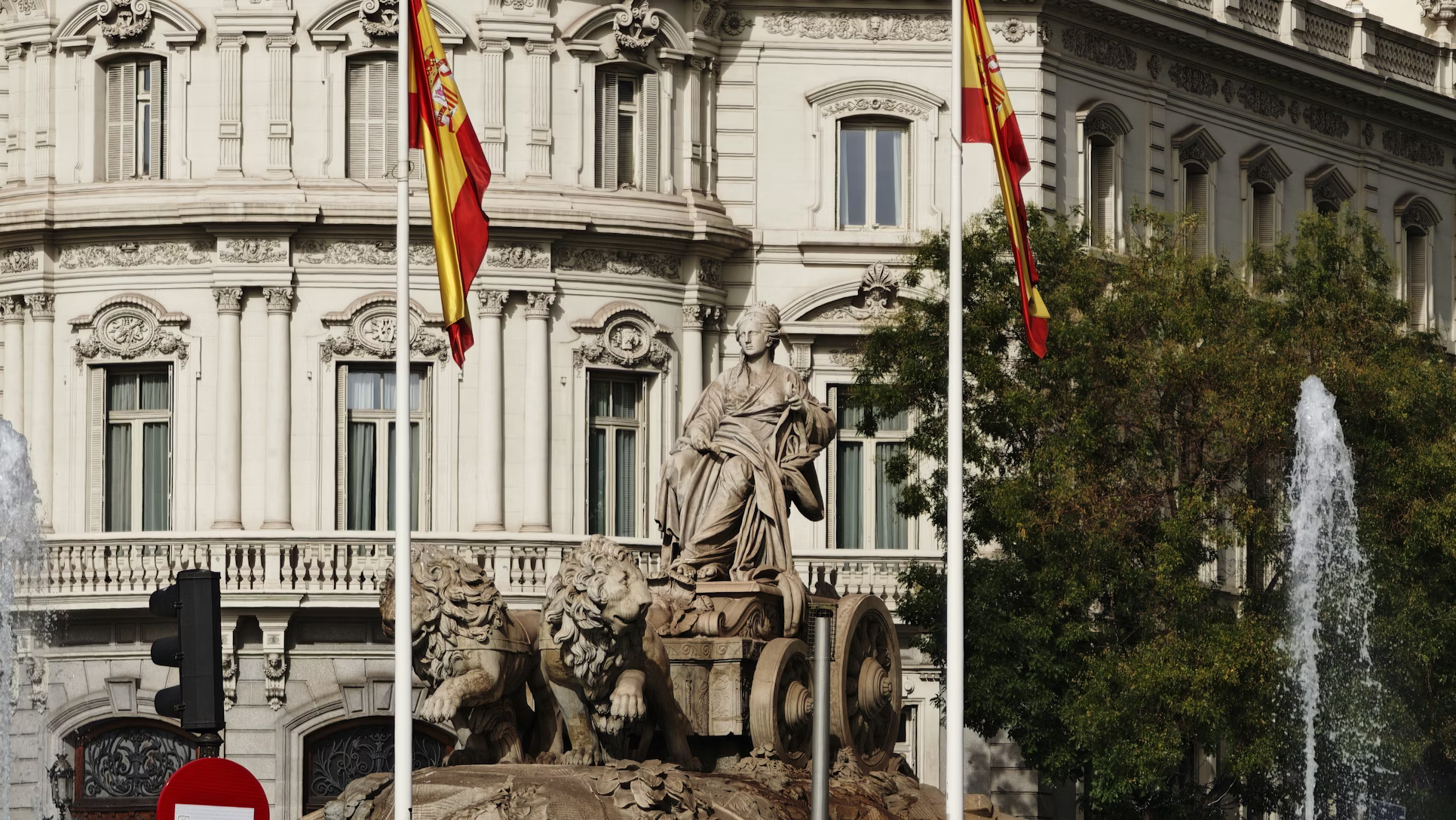
Spain, with its rich history, diverse culture, and stunning landscapes, is a dream destination for many first-time travelers. From the vibrant cities like Madrid and Barcelona to the tranquil countryside and Mediterranean beaches, Spain offers something for every type of traveler. Whether you’re drawn to art and architecture, delicious food, or exploring charming villages, Spain’s variety of experiences can sometimes feel overwhelming. This guide will help first-time visitors navigate Spain’s key destinations, essential travel logistics, and cultural nuances, making the planning process more manageable and ensuring you enjoy a smooth, memorable trip.
Understanding Spain: A Country of Diverse Regions

Spain’s regions each have a unique character shaped by history, geography, and local culture. From the lively coastal cities to the serene rural areas, understanding the differences between these regions will help you prioritize your destinations and activities. While Madrid and Barcelona are the most popular cities, there’s so much more to discover in regions like Andalusia, Catalonia, and Basque Country.
Spain’s Climate and Best Times to Visit
Spain’s climate varies significantly depending on the region. In the Mediterranean regions like Barcelona and Valencia, the summers are hot and dry, while the north of the country, including San Sebastián and the Basque Country, enjoys milder, wetter weather. Madrid and central Spain experience hot summers, with temperatures regularly reaching the 90s (°F) in the summer months.
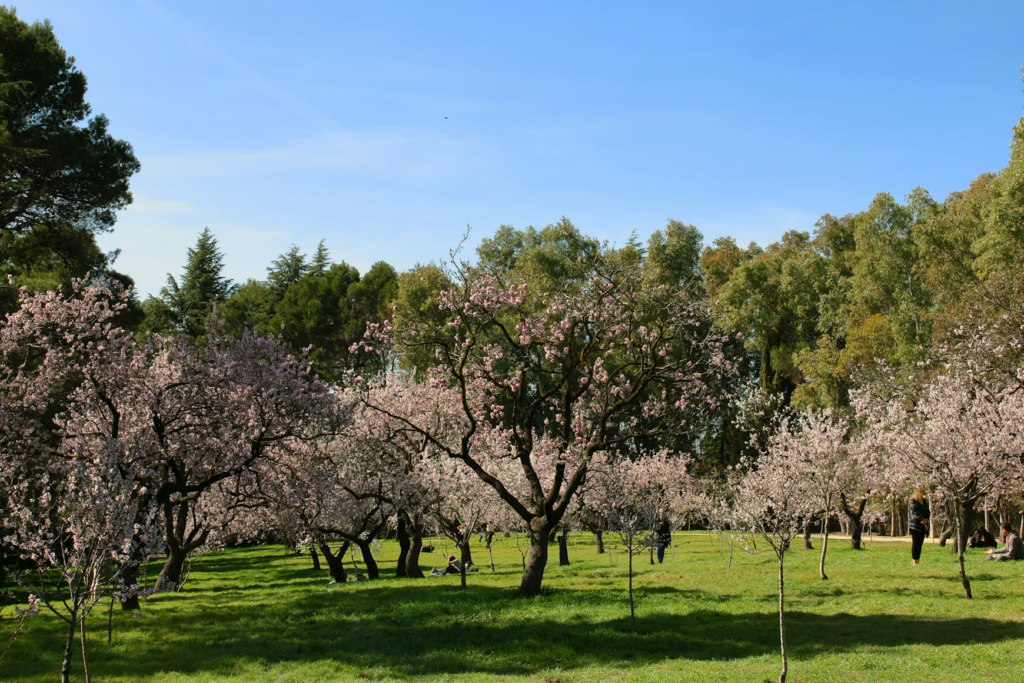

The best times to visit Spain are during spring (March to May) and fall (September to November), when the weather is comfortable and the crowds are thinner. Summer is peak tourist season, especially in coastal cities, and while it’s ideal for beach lovers, it can be crowded and expensive. Winter is a great time to visit for those interested in winter sports in the Sierra Nevada mountains or exploring the cities with fewer tourists.
Must-Visit Cities in Spain for First-Time Travelers
Madrid: The Heart of Spain’s Culture
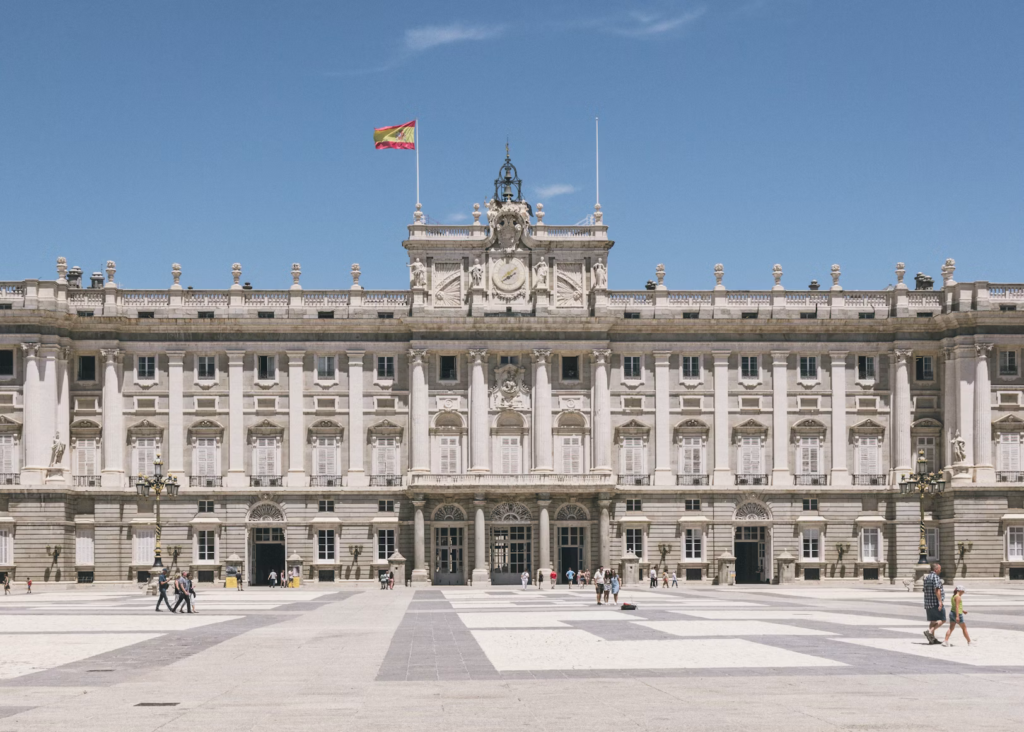
As Spain’s capital, Madrid is the cultural, political, and economic center of the country. It is home to renowned landmarks such as the Royal Palace, Prado Museum, and Retiro Park. The city’s blend of historical landmarks and modern amenities makes it an exciting destination for first-time travelers.

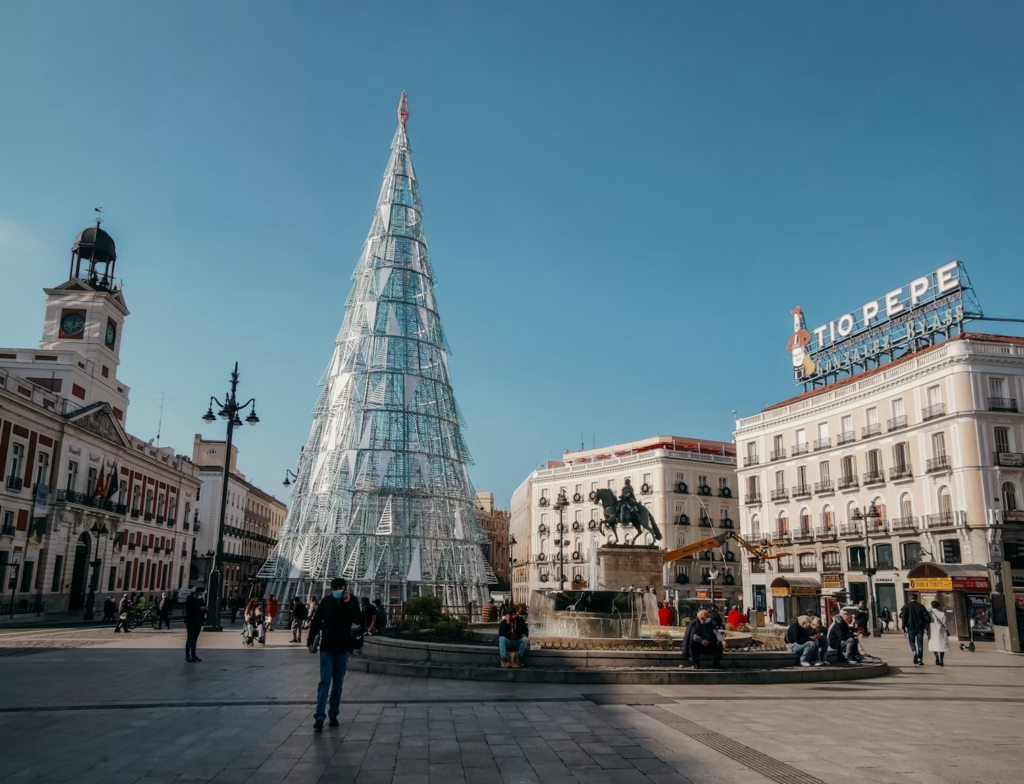
Madrid is known for its lively atmosphere, with bustling plazas like Puerta del Sol and Plaza Mayor where locals and visitors alike gather. For art lovers, the Golden Triangle of Art, which includes the Prado Museum, Reina Sofia Museum, and Thyssen-Bornemisza Museum, is a must-see.

The city also offers excellent food, from tapas bars to Michelin-starred restaurants. Don’t miss a visit to the Mercado de San Miguel, a historic food market offering a variety of traditional Spanish dishes.
Barcelona: A Mix of Art, Architecture, and Beaches

Barcelona, located on the northeastern coast of Spain, is one of the most popular destinations for travelers. The city’s distinct architecture, led by Antoni Gaudí, is a major draw. The Sagrada Familia and Park Güell are two iconic landmarks that showcase his unique design style, offering stunning views of the city and Mediterranean coastline.


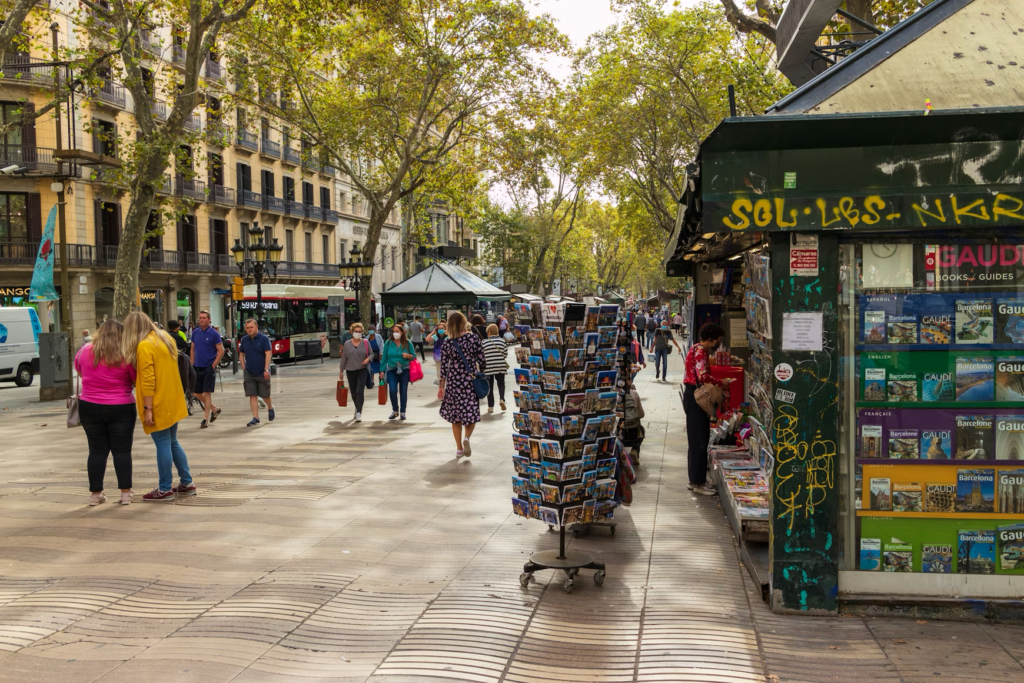
La Rambla, Barcelona’s famous street, is a vibrant area filled with shops, cafes, and street performers. For beach lovers, Barceloneta Beach provides a lively spot to relax by the sea. Additionally, Barcelona is a great city for exploring Gothic Quarter streets and El Born, which are home to numerous boutiques, cafes, and cultural spots.

The city also has a strong food scene, with Catalan cuisine offering both traditional and contemporary dishes. Don’t forget to enjoy paella and tapas at one of the many local restaurants or food markets.
Seville: The Soul of Andalusia
Located in southern Spain, Seville is a city steeped in history, with Moorish influences visible in its architecture, food, and culture. The Alcázar of Seville, a royal palace dating back to the 14th century, is one of the city’s top attractions, offering visitors a glimpse into Spain’s Islamic heritage. Another must-visit is the Seville Cathedral, the largest Gothic cathedral in the world and the burial site of Christopher Columbus.

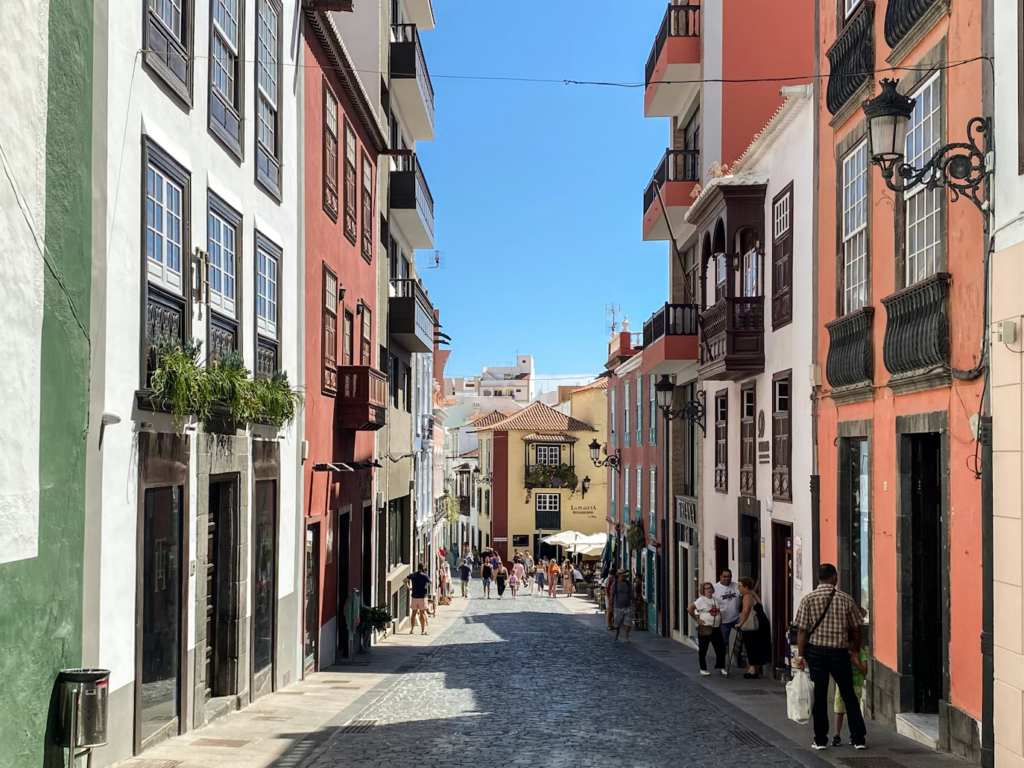
Seville is also famous for flamenco dancing and music, and watching a live flamenco performance is an essential experience for visitors. The city is best explored on foot, with its charming neighborhoods like Santa Cruz offering narrow streets, white-washed houses, and beautiful squares.
Valencia: Coastal Charm and Culinary Delights
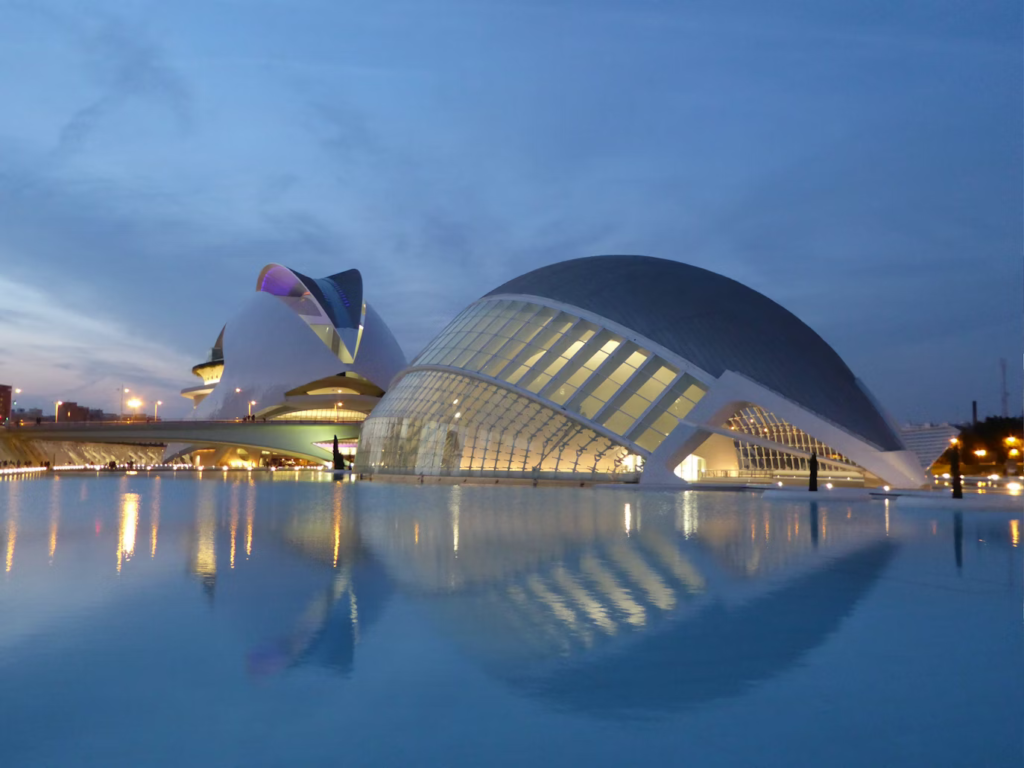
On the eastern coast of Spain, Valencia offers a mix of beachside relaxation, rich history, and vibrant food culture. The City of Arts and Sciences, designed by Santiago Calatrava, is a futuristic complex that includes museums, an opera house, and an aquarium. For first-time visitors, this stunning architectural marvel provides plenty to see and explore.
Valencia is the birthplace of paella, and no trip is complete without enjoying this famous dish in its home city. Visit the Central Market to experience local ingredients and traditional Spanish flavors. For outdoor enthusiasts, Malvarrosa Beach offers the perfect spot to relax by the Mediterranean, and nearby Albufera Natural Park is ideal for birdwatching and boating.

Bilbao: A Modern Cultural Hub in the North

In the northern region of Spain, Bilbao offers a unique blend of modern and traditional Spanish culture. The Guggenheim Museum, designed by Frank Gehry, is one of the city’s standout attractions, showcasing contemporary art in an architectural masterpiece. The city’s old quarter, Casco Viejo, features charming narrow streets, traditional markets, and historic buildings, creating a picturesque atmosphere.

Bilbao’s cuisine is also renowned, with Basque cuisine offering pintxos (small tapas-style dishes) and fresh seafood. The city is an excellent choice for visitors interested in both modern culture and rich culinary traditions.
Practical Travel Tips for First-Time Visitors to Spain
Getting Around Spain

Spain is well-connected by public transportation, making it easy to travel between cities. The Renfe train network offers high-speed services between major cities like Madrid, Barcelona, Seville, and Valencia, making train travel an efficient and scenic option. Metro systems in cities like Madrid and Barcelona are user-friendly, providing an easy way to explore city neighborhoods.
For those traveling to more rural or off-the-beaten-path destinations, renting a car is recommended. This allows for more flexibility and access to areas where public transport may not be as frequent.
Accommodation Choices
Spain offers a variety of accommodation options to suit all budgets. In major cities like Madrid and Barcelona, you’ll find luxury hotels, boutique hostels, and vacation rentals. For a more authentic experience, consider staying in a parador (a historic building turned into a hotel) or in one of Spain’s many charming rural casas rurales (country houses). Booking accommodations in advance is highly recommended, especially during peak tourist seasons like summer.
Local Customs and Etiquette

Understanding local customs will help you have a smooth trip. Spain is known for its late meal times, with lunch typically served between 1:30 PM and 3:30 PM, and dinner after 9 PM. Tipping isn’t obligatory but is appreciated, with around 5-10% being the norm in restaurants. If you’re visiting religious sites, make sure to dress modestly.
Best Time to Visit
The best time to visit Spain depends on your preferences for weather and crowds. Spring (April to June) and fall (September to November) are the most pleasant months for sightseeing, with mild weather and fewer tourists. Summer (July to August) is the busiest season, particularly in coastal areas and cities, and can be quite hot, especially in the south. Winter is ideal for travelers interested in skiing or enjoying Spain’s cities with fewer crowds, but temperatures can be cold in the northern and inland regions.

Conclusion: Planning Your First Trip to Spain
Spain offers a rich and diverse experience for first-time travelers, with its mix of vibrant cities, rich cultural heritage, and beautiful landscapes. By understanding the best cities to visit, the best time to travel, and practical travel tips, you can plan an itinerary that suits your interests and ensures a memorable visit. Whether you’re exploring the cultural landmarks of Madrid, relaxing on the beaches of Valencia, or savoring the food and history of Seville, Spain is sure to provide a rewarding and enriching experience for every traveler.
