



Canada offers a vast array of landscapes, cultural experiences, and outdoor adventures, making it a prime destination for first-time visitors. Whether you’re exploring vibrant cities like Toronto and Vancouver, or immersing yourself in the natural beauty of Banff National Park or Niagara Falls, there’s something for every traveler. Planning your trip can feel overwhelming, especially with such a diverse country to explore. This guide will help you navigate Canada’s destinations, travel tips, and must-see sights, ensuring a seamless and enjoyable first trip.
Key Considerations Before Traveling to Canada
When planning your first trip to Canada, it’s important to consider several practical aspects to ensure a smooth experience. These include travel documents, transportation options, safety, currency, and weather conditions.
Travel Documents and Entry Requirements
U.S. citizens don’t require a visa for tourism trips of less than six months. However, you’ll need a valid passport or other government-approved travel documents. Always check the latest entry requirements, as they may change, especially if traveling with children or for extended stays. It’s also advisable to check the official government websites for any updates on border regulations or health advisories before traveling.
Safety and Health
Canada is generally a safe destination for travelers. While major cities like Toronto, Montreal, and Vancouver are very safe, it’s still important to exercise general safety precautions, such as avoiding poorly lit areas at night and keeping valuables secure.
As for health concerns, Canada has high-quality healthcare, but it’s a good idea to obtain travel insurance that covers medical expenses during your trip. While tap water is generally safe to drink, consider bottled water if you’re visiting more remote areas. Also, if you have concerns about food safety, stick to freshly cooked dishes and avoid uncooked vegetables unless you’re in trusted locations.
Currency and Payment Methods
Canada’s currency is the Canadian Dollar (CAD). Many major cities and tourist destinations accept U.S. dollars, but it’s better to exchange currency for Canadian dollars for better rates. ATMs are widely available, and credit cards are commonly accepted in urban areas. However, it’s a good idea to carry cash for places outside city centers or for smaller transactions like tips or public transport.
Weather and Packing Essentials

Canada’s weather can vary significantly by region and season. If you’re traveling in the summer (June to August), expect warm temperatures in cities like Toronto and Vancouver but cooler conditions in the Rockies or northern regions. Winter (December to February) brings cold temperatures across much of the country, with heavy snow in Quebec and the Alberta Rockies, perfect for winter sports.
If you’re heading to areas like the Yukon or the Prairies, prepare for more extreme winter conditions. A layered packing approach is key: ensure you bring warm clothing, a waterproof jacket, sturdy boots, and gloves for outdoor activities.
Must-See Destinations in Canada
Toronto: Canada’s Cultural and Financial Hub

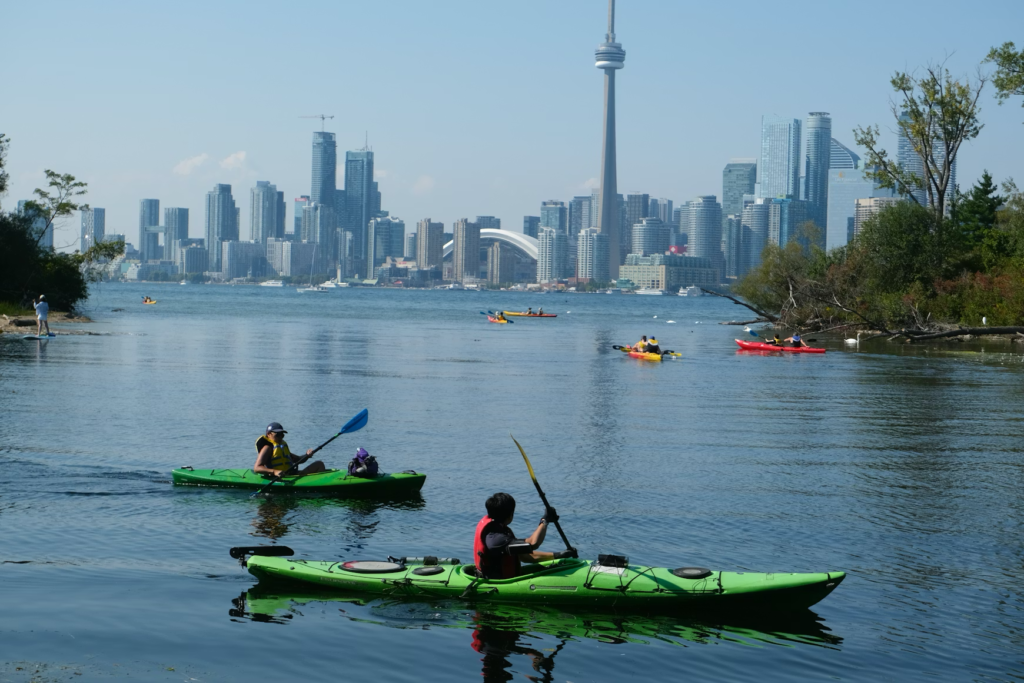
As one of Canada’s largest cities, Toronto offers a mix of cultural, culinary, and historical experiences. CN Tower, one of the tallest freestanding structures in the world, offers sweeping views of the city and Lake Ontario. In Royal Ontario Museum, you can explore fascinating exhibits ranging from ancient artifacts to contemporary art.

For a more local experience, visit the multicultural neighborhoods like Kensington Market or Distillery District, known for their local food, shops, and artistic culture. Toronto Islands provide a peaceful escape from the bustling city, where visitors can walk, bike, or kayak through scenic landscapes.
Vancouver: Natural Beauty Meets Urban Sophistication

Vancouver is known for its stunning natural beauty and offers a wide variety of outdoor and cultural activities. Located on the west coast, the city offers views of both mountains and the Pacific Ocean, creating a truly unique atmosphere. Stanley Park, one of the largest urban parks in North America, offers bike paths, walking trails, and beaches, making it a must-see for nature lovers.


For a more adventurous experience, Grouse Mountain offers skiing in the winter and hiking in the summer, while Whistler, just two hours away, is renowned for its ski slopes and après-ski activities. Granville Island is perfect for those interested in local food and artisan crafts, while Chinatown showcases Vancouver’s multicultural side.

Quebec City: A Slice of Europe in North America

For a more historic and European feel, visit Quebec City, which is often considered one of the most charming cities in North America. Its Old Quebec area is a UNESCO World Heritage site, with cobblestone streets, French-style architecture, and local cafes. The Château Frontenac, a grand hotel, offers picturesque views of the Saint Lawrence River.


Quebec is known for its French heritage, so expect a strong cultural atmosphere, especially during events like Winter Carnival or Festival d’été de Québec. In winter, Quebec City becomes a snowy fairytale destination, with activities like ice skating, dog sledding, and snowshoeing at Plains of Abraham.
Banff National Park: Outdoor Adventure in the Canadian Rockies

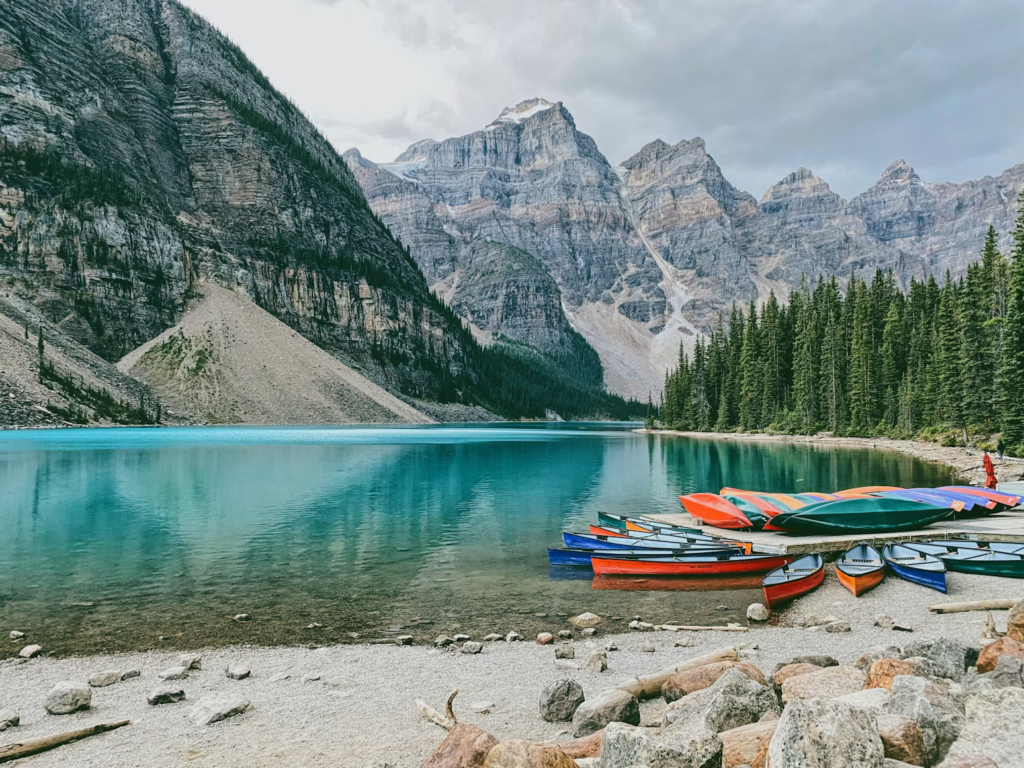
Banff National Park is one of the most popular natural destinations in Canada, offering stunning views of snow-capped mountains, clear blue lakes, and abundant wildlife. Located in the Canadian Rockies, it’s a must-visit for outdoor enthusiasts, with skiing in the winter, hiking in the summer, and breathtaking views year-round. The Lake Louise and Moraine Lake areas are famous for their crystal-clear waters and stunning mountain backdrops.

In winter, Banff transforms into a snowy wonderland, perfect for skiing, snowshoeing, and dog sledding. The town of Banff itself offers quaint shops, restaurants, and the famous Banff Upper Hot Springs for a relaxing soak after a day of exploration.
Montreal: The Heart of French-Canadian Culture


Montreal is a lively, multicultural city known for its blend of European charm and North American energy. Whether visiting during the warm summer months or the snowy winter season, Montreal offers something for every type of traveler. Old Montreal features cobblestone streets, historic buildings, and landmarks like the Notre-Dame Basilica. For a taste of the local culture, explore the Jean-Talon Market for fresh produce, local cheeses, and pastries.


Montreal’s food scene is an essential part of its culture, with poutine, bagels, and local dishes like tourtière (meat pie) being must-tries. In winter, the city hosts a variety of festivals like Igloofest, an outdoor electronic music festival, and Montréal en Lumière, a winter festival celebrating food, culture, and lights.
Practical Travel Tips for Visiting Canada
Packing for Canadian Weather
Canada’s winter weather can be extreme, especially in northern regions. Make sure to pack layers to adjust to the varying temperatures throughout the day. Thermal undergarments, waterproof jackets, insulated gloves, and scarves are essential. Sturdy waterproof boots will help navigate snowy paths, and sunglasses will protect your eyes from the snow’s glare, especially when you’re up in the mountains.
When traveling in summer, lighter layers will be necessary for the warmer cities like Toronto and Vancouver, but always keep a jacket on hand as temperatures can drop in the evening, especially in mountainous areas.
Booking Accommodations and Activities
Booking your accommodations in advance is essential, especially for popular destinations like Banff, Quebec City, and Vancouver. Whether you opt for a ski resort, a city hotel, or an Airbnb, it’s always best to secure your stay early to avoid high prices or full bookings during peak seasons. If you’re traveling during winter or holiday seasons, advanced reservations are especially important, as these times are often busy with tourists and local events.
When planning outdoor activities such as skiing, dog sledding, or snowshoeing, booking tours or rentals ahead of time is recommended to ensure availability, particularly in more remote locations or during busy periods. Be sure to check with local operators about any discounts, group deals, or special packages.
Local Transportation

Canada’s cities have excellent public transportation systems, especially in Toronto, Vancouver, and Montreal. In these cities, subways, trams, and buses are efficient, easy to use, and relatively inexpensive. Many cities also offer transportation passes for tourists, which can be a cost-effective way to get around.
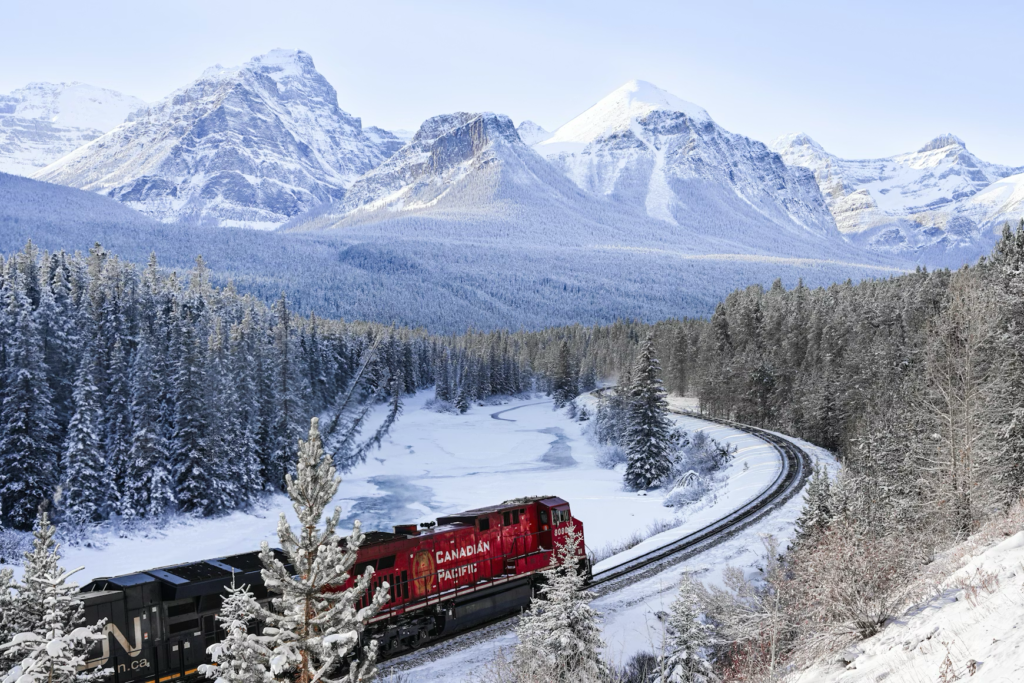
If you’re traveling between cities, VIA Rail offers a scenic and comfortable train option for Toronto to Vancouver and other routes. Greyhound buses are a more budget-friendly way to travel between Canadian cities, though the journey might take longer than flying.
For more remote areas or national parks, consider renting a car, especially if you plan to visit multiple outdoor locations like the Canadian Rockies. Some remote regions may not have easily accessible public transportation, and renting a car will provide you with flexibility to explore at your own pace.
Tipping Culture in Canada
Tipping is customary in Canada, and service workers typically rely on tips as part of their income. In restaurants, it’s customary to leave a tip of 15-20% of the total bill. Tipping is also expected for taxi drivers, hotel staff, and other service providers. In Canada, most people do not tip for self-service activities like fast food, but they may tip for more personalized service, such as at cafés or hotel bellhops.
Communication and Language
Canada is a bilingual country, with English as the dominant language and French widely spoken, especially in Quebec. While most of Canada’s major cities and tourist destinations operate primarily in English, being familiar with a few French phrases can be helpful when visiting places like Montreal or Quebec City. In more touristy areas, you’ll find that many locals are fluent in both languages, but learning basic greetings such as “Bonjour” (Good morning) or “Merci” (Thank you) can be appreciated.
Best Time to Visit Canada
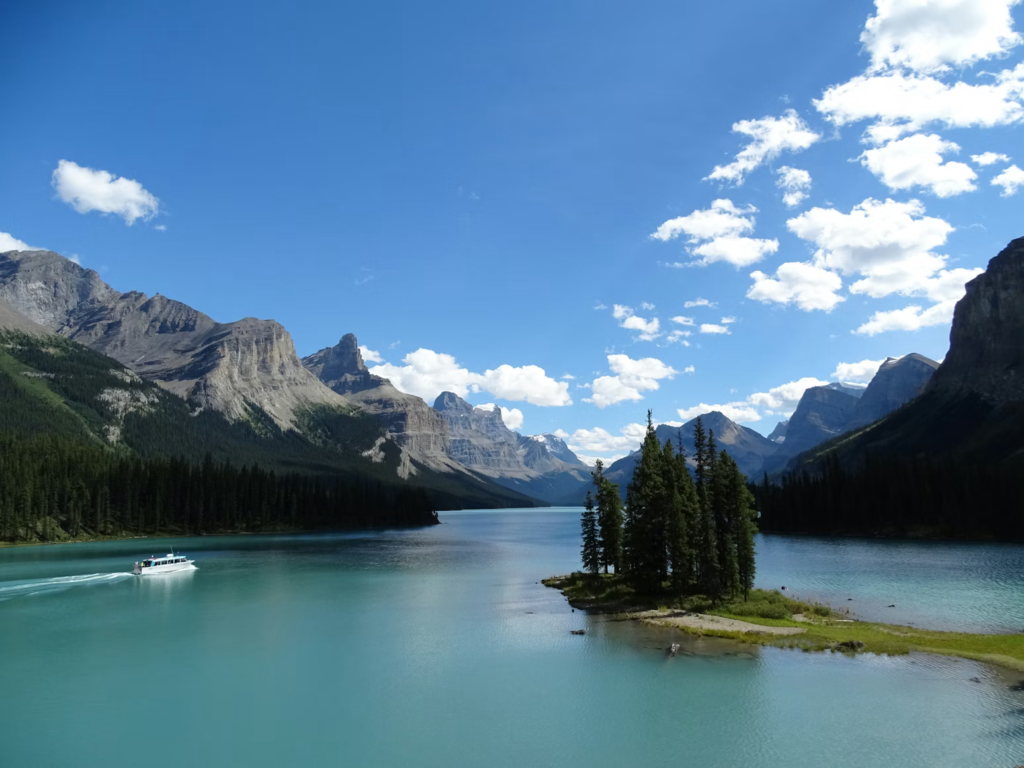

The best time to visit Canada depends on the experience you’re seeking. Summer (June to August) offers the warmest temperatures and is ideal for exploring cities, hiking in national parks, and enjoying festivals and outdoor activities. If you’re an outdoor enthusiast looking to ski or snowboard, winter (December to February) in places like the Rockies and Quebec provides the perfect conditions.


For those looking to experience Canada’s fall foliage or enjoy fewer crowds at popular destinations, autumn (September to November) is a great option. Spring (March to May) offers mild weather and is perfect for exploring cities and enjoying the blooming landscapes.
Conclusion: Plan a Memorable First Trip to Canada
Canada offers a vast range of experiences for first-time visitors, from the urban vibrancy of Toronto and Montreal to the outdoor wonders of Banff and Quebec City. By considering the best time to visit, the regional diversity of activities, and practical tips for navigating the country, you can ensure your first trip to Canada is enjoyable, stress-free, and full of memorable experiences. Whether you’re exploring the cultural landmarks or immersing yourself in nature, Canada provides the perfect backdrop for an unforgettable journey.
