



Brazil offers a vast and diverse range of experiences, from vibrant cities like Rio de Janeiro to natural wonders such as Iguaçu Falls and the Amazon Rainforest. Whether you’re looking for rich cultural experiences, thrilling outdoor adventures, or simply relaxing on a beach, Brazil caters to every type of traveler. However, as a first-time visitor, planning your trip requires understanding essential travel tips, key destinations, and important cultural insights. This guide will help you navigate your first journey to Brazil and make the most of your time in this exciting country.
Key Considerations for Traveling to Brazil
Travel Documents and Entry Requirements
To visit Brazil, U.S. citizens need a valid passport. For most travelers, a tourist visa is required, but it’s a good idea to check the latest visa requirements and processes before booking your trip. Depending on your trip’s duration, you may be able to stay in Brazil for up to 90 days with the appropriate visa. It’s also important to have travel insurance to cover any medical emergencies, trip cancellations, or unexpected situations, especially if you’re heading to remote areas like the Amazon.
Best Time to Visit Brazil

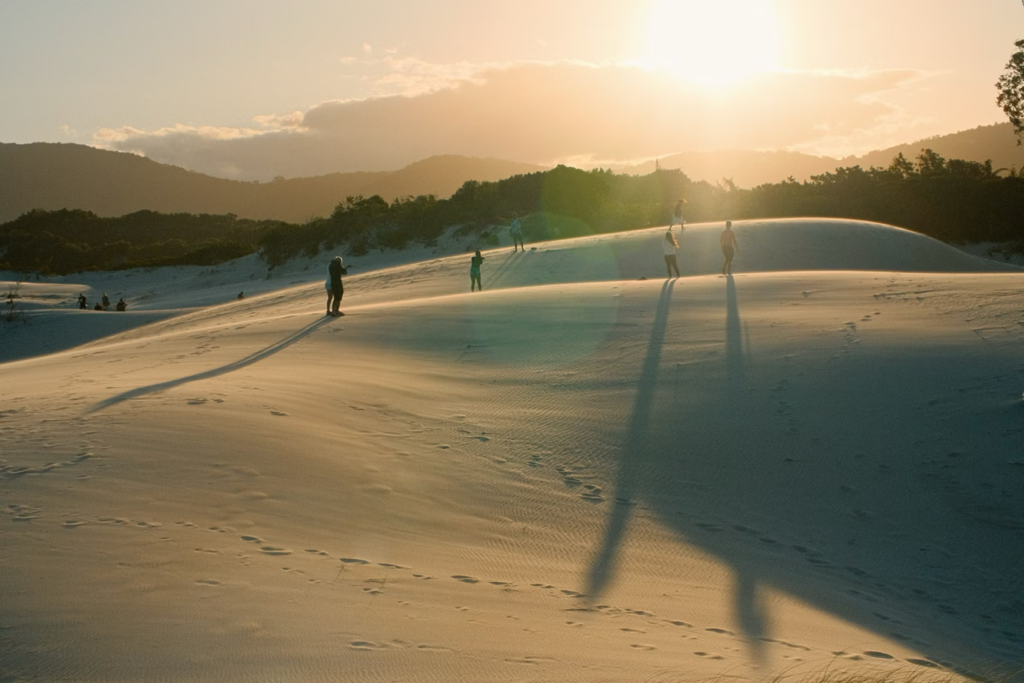
The best time to visit Brazil depends on what you want to do. Summer (December to February) is the most popular time, particularly for Carnival celebrations, but it can be very hot and crowded in cities like Rio de Janeiro and São Paulo. Winter (June to August) offers cooler temperatures, ideal for exploring southern Brazil, including regions like Iguaçu Falls or the Pantanal.

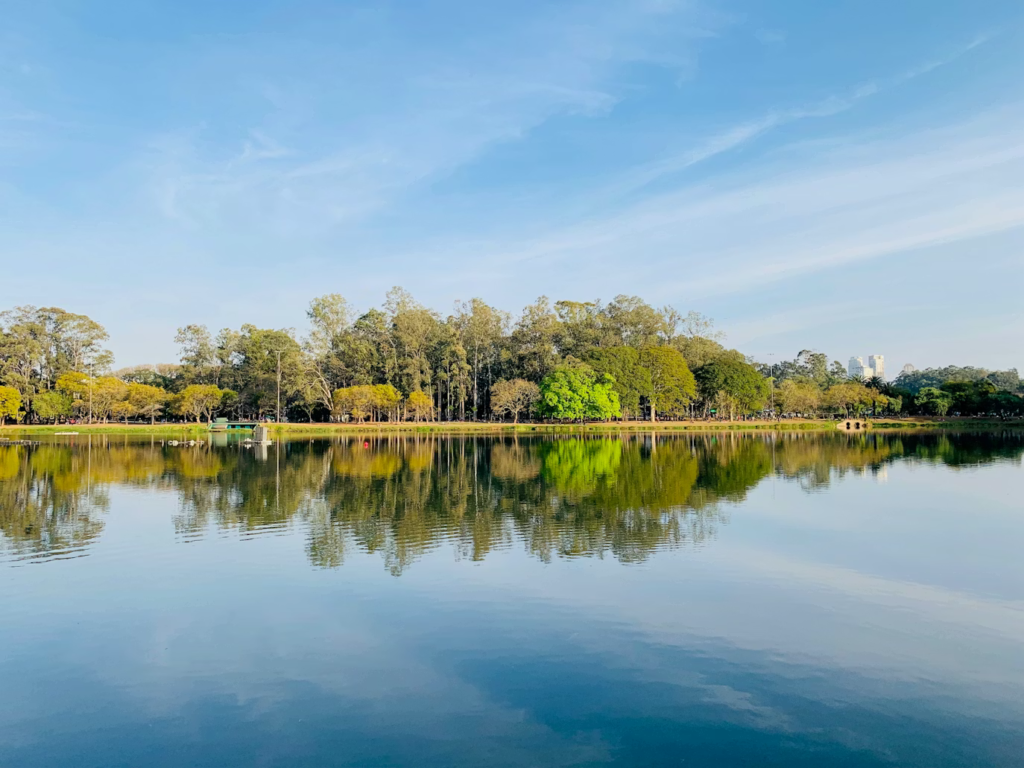
For those who want to experience outdoor activities like hiking or visiting the Amazon Rainforest, spring (September to November) and autumn (March to May) are the best times, with pleasant weather and fewer tourists.
Must-See Destinations in Brazil
Rio de Janeiro: Beaches, Culture, and Iconic Landmarks

No trip to Brazil would be complete without visiting Rio de Janeiro. This city is famous for its beautiful beaches like Copacabana and Ipanema, as well as the iconic Christ the Redeemer statue overlooking the city. Take the cable car up Sugarloaf Mountain for breathtaking views, and don’t miss exploring Lapa, with its samba clubs and nightlife.

If you’re visiting during Carnival (usually in February), the city is transformed into a colorful celebration of music, dance, and parades, making it an unforgettable cultural experience. Even outside of Carnival, Rio offers a mix of modern urban life and traditional Brazilian culture.
Iguaçu Falls: One of the World’s Most Spectacular Natural Wonders


Located on the border between Brazil and Argentina, Iguaçu Falls is one of the most spectacular natural attractions in the world. With over 270 waterfalls cascading through the rainforest, the Iguaçu National Park offers breathtaking viewpoints and an array of trails. The Brazilian side of the falls offers the most panoramic views, while the Argentine side allows for a closer, more immersive experience.
Consider taking a boat tour to get up close to the falls or visit during the spring or autumn, when the weather is perfect for exploring the surrounding areas.
The Amazon Rainforest: Adventure in the Heart of Nature

The Amazon Rainforest is one of the world’s most biodiverse regions, and a visit to Brazil would be incomplete without experiencing it. Start your journey in Manaus, the gateway to the Amazon, where you can board boats to explore the rainforest, visit indigenous villages, and observe exotic wildlife such as pink river dolphins, monkeys, and jaguars.
Guided tours are recommended, as the Amazon can be difficult to navigate on your own, especially in the rainy season. Be prepared for humid conditions and bring proper gear, such as mosquito repellent and lightweight clothing for comfort.
Salvador: Afro-Brazilian Culture and Vibrant Festivities

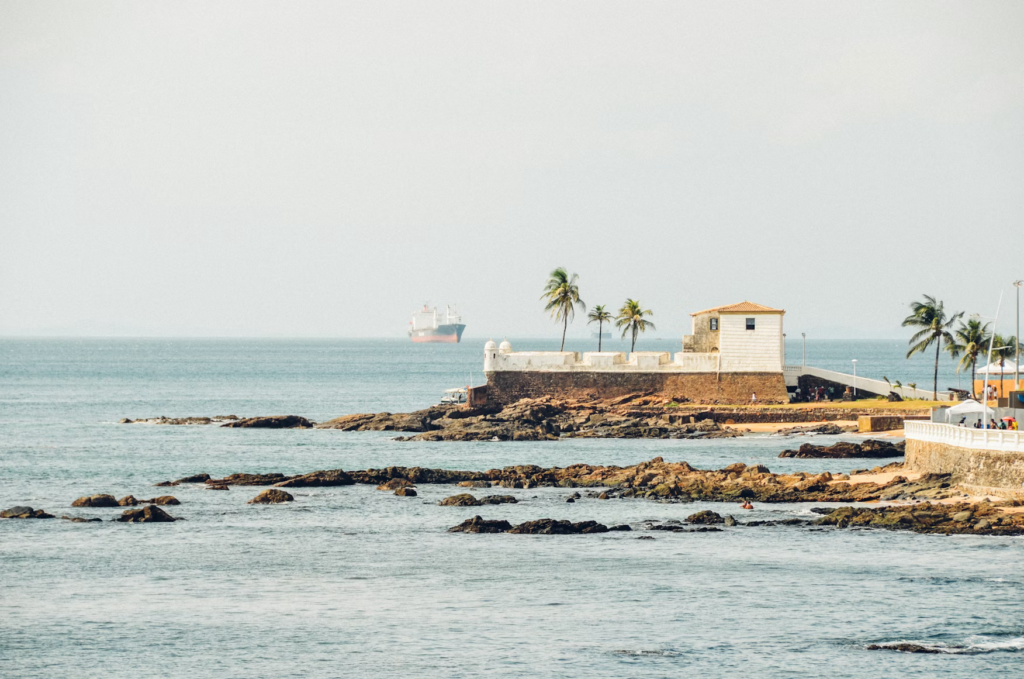
Salvador, the capital of Bahia, is known for its Afro-Brazilian culture, vibrant street life, and colonial architecture. The city is famous for its Pelourinho district, a UNESCO World Heritage site filled with cobblestone streets, colorful buildings, and historic churches.
Salvador also offers lively festivals, such as the Bahia Carnival, where samba, axé music, and vibrant parades fill the streets. Experience the city’s unique rhythm through its cuisine, which is heavily influenced by African flavors, and visit the historic Mercado Modelo to shop for local crafts.
Pantanal: Brazil’s Wetlands and Wildlife Sanctuary
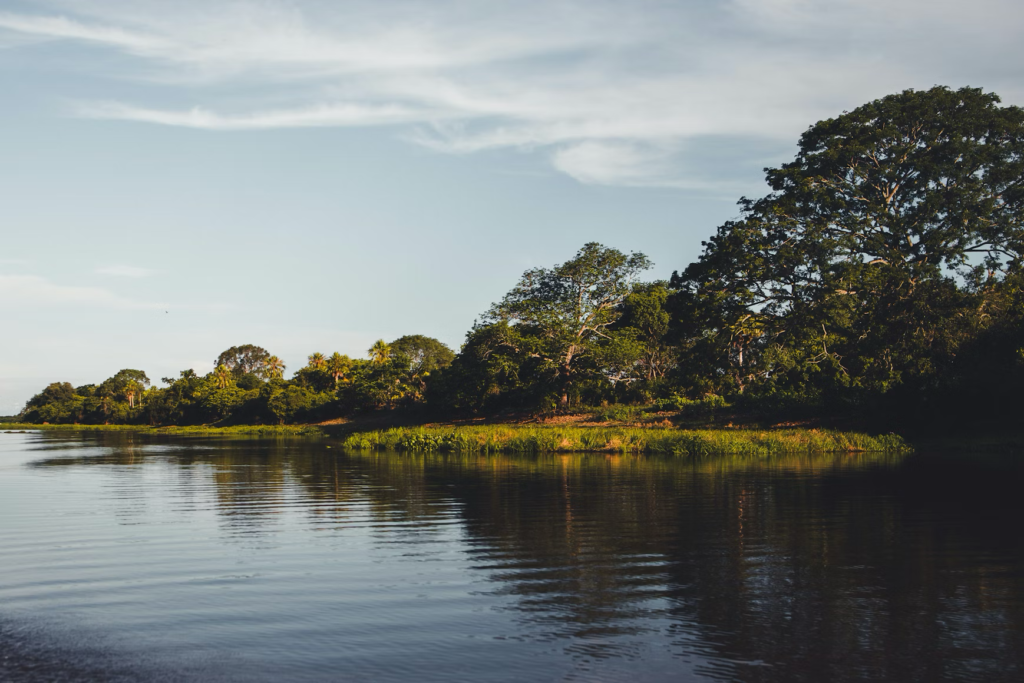
For wildlife enthusiasts, the Pantanal offers a rare opportunity to observe some of Brazil’s most incredible wildlife, including jaguars, capybaras, and a vast array of birds. This vast wetland is one of the world’s most biodiverse regions, and eco-lodges offer guided wildlife safaris and boat tours to explore the area.


The dry season (from May to September) is the best time to visit, as it allows for better wildlife spotting and easier access to the wetlands. It’s an ideal destination for those seeking to immerse themselves in Brazil’s natural beauty.
Practical Travel Tips for Visiting Brazil
Currency and Payment Methods

The official currency in Brazil is the Brazilian Real (BRL). While larger cities and tourist spots may accept credit cards, cash is still widely used, especially in markets or smaller towns. Be sure to carry cash for small purchases and pay attention to exchange rates. ATMs are available in most cities, but avoid withdrawing large sums at once, especially in remote areas.
Health and Safety Precautions
Brazil is home to many exotic diseases, so it’s important to take health precautions before traveling. Vaccinations for yellow fever, hepatitis A, and typhoid are recommended, especially if you plan to visit the Amazon Rainforest or other rural areas. Mosquito-borne illnesses such as dengue and Zika virus are present in some regions, so mosquito repellent and long-sleeved clothing are essential.
For safety, always use reputable taxis or ride-sharing services like Uber, especially at night. Stick to well-populated areas, and avoid showing valuables in public to reduce the risk of petty theft.
Getting Around Brazil

Brazil has a well-connected bus and train system, with services running between major cities. Domestic flights are also popular due to the large distances between cities, especially for reaching places like the Amazon or Iguaçu Falls. If you’re traveling to smaller towns or rural areas, renting a car might be necessary for flexibility.

In larger cities, public transportation is widely available, including metros in São Paulo and Rio de Janeiro. Uber is available in most major cities and can be a more convenient and safer option than taxis.
Language and Communication
The official language in Brazil is Portuguese. While English is spoken in some tourist areas, particularly in Rio de Janeiro and São Paulo, it’s helpful to learn a few basic Portuguese phrases like “Oi” (Hello) and “Obrigado/a” (Thank you). This will make interactions more enjoyable and show respect for the local culture.
Accommodation and Local Etiquette

Brazil offers a range of accommodation options, from budget hostels and pousadas (guesthouses) to luxurious resorts. In cities like Rio and Salvador, booking accommodations in advance is recommended, especially during major festivals like Carnival.
When it comes to local etiquette, Brazilians are generally warm and welcoming. Handshakes are common for greetings, and it’s polite to use formal titles like “Senhor” (Mr.) or “Senhora” (Mrs.) when addressing people, especially in more formal settings. If visiting a church or temple, dress modestly, covering shoulders and knees.
Conclusion: Embrace the Diversity of Brazil

Brazil offers a diverse range of experiences, from its bustling cities and pristine beaches to its lush rainforests and cultural festivals. By planning ahead, understanding the country’s cultural norms, and selecting destinations based on your interests, your first trip to Brazil will be both memorable and enriching. With careful consideration of practical tips, essential destinations, and regional highlights, you’ll be well-equipped to explore this captivating country and make the most of your adventure in Brazil.
