



Germany offers some of the most scenic road trips in Europe, with its diverse landscapes ranging from rolling vineyards and picturesque coastlines to the majestic Alps and charming medieval villages. Whether you’re seeking historical landmarks, breathtaking nature, or vibrant cities, a road trip in Germany allows you the freedom to explore at your own pace. This guide will help you plan the perfect road trip, covering essential tips, must-see destinations, and scenic routes that will make your first trip to Germany truly memorable.
Key Considerations for Planning a Road Trip in Germany

Before setting off on your road trip, there are several key factors to consider, such as route planning, driving laws, and seasonal weather conditions. Understanding these details will help ensure a smooth and enjoyable journey.
Driving Laws and Regulations
Germany is known for its efficient highways, but it also has specific driving regulations you need to be aware of. The Autobahn, Germany’s famous highway system, has stretches without speed limits, though it’s recommended to drive at a safe speed. Speed limits are enforced in populated areas and on highways with lower-speed zones, so always pay attention to road signs.
It’s important to have a valid driver’s license, and an International Driving Permit may be required if your license isn’t in English or German. Seat belts are mandatory for all passengers, and drinking and driving is strictly prohibited, with a blood alcohol concentration limit of 0.05%.
Another key consideration is that winter tires are required from October to April, particularly if you’re driving in snowy or icy conditions in northern and mountainous regions like Bavaria or the Black Forest.
Currency and Payments
The official currency in Germany is the Euro (EUR). While major tourist destinations accept credit cards, it’s best to have cash for small purchases, tolls, or in more rural areas where card payments may not be accepted. ATMs are widely available, and it’s advisable to carry a little extra money for emergencies or toll fees. Using a credit card with no foreign transaction fees can save you on additional costs.
Weather and Seasonal Considerations

Germany’s weather can greatly influence your road trip plans. Summer (June to August) offers the best weather for outdoor activities and sightseeing, with warm temperatures around 20°C to 30°C (68°F to 86°F). However, summer is also the busiest tourist season, especially for well-known routes like the Romantic Road and the Alpine Road.
Spring (March to May) and autumn (September to November) are ideal for those who prefer fewer crowds and mild temperatures. These seasons are perfect for scenic drives through vineyards and forests, and the changing leaves in the fall offer stunning views. Winter (December to February) can be magical for those who love winter sports or the festive atmosphere, especially around the Christmas markets, but driving conditions can be challenging, particularly in snowy areas.
Must-See Routes for Your Road Trip in Germany
Germany is known for its scenic drives that take you through historical landmarks, charming villages, and stunning landscapes. The following routes are particularly popular for first-time visitors, each offering a unique experience of Germany’s rich cultural heritage and natural beauty.
The Romantic Road: History and Fairytale Landscapes

The Romantic Road (Romantische Straße) is one of Germany’s most famous road trips, stretching from Würzburg in the north to Füssen in the south. This scenic route covers over 350 kilometers and offers a combination of medieval castles, charming towns, and beautiful countryside views.


Along the way, you’ll find landmarks such as Neuschwanstein Castle, Rothenburg ob der Tauber, and the Würzburg Residenz. The route is perfect for those who enjoy history, fairytales, and charming villages. It’s especially popular in spring and autumn when the weather is mild and the roads are less crowded.
The German Alpine Road: Majestic Mountains and Alpine Villages

The German Alpine Road (Deutsche Alpenstraße) offers one of the most breathtaking drives in Germany, taking you through the Alps in Bavaria. Spanning over 450 kilometers, this route is famous for its stunning mountain views, alpine villages, and outdoor activities.

Some highlights of the route include the Zugspitze, Germany’s highest peak, and Garmisch-Partenkirchen, a renowned ski resort. The route is perfect for winter sports enthusiasts, with skiing in the winter and hiking in the summer. The drive also takes you to Linderhof Palace and other historical landmarks. The summer months are ideal for those looking to enjoy the best of the outdoors, though winter brings a magical atmosphere to the region for snow sports.

The Castle Road: A Journey Through Time

If you’re a fan of castles and medieval architecture, the Castle Road (Burgenstraße) is a must-do. This route stretches over 1,200 kilometers from Manheim to Prague, with more than 60 castles and fortresses along the way. Starting in Baden-Württemberg, you’ll encounter landmarks like Heidelberg Castle and Hohenbaden Castle, along with a variety of other historical sites, charming towns, and scenic views.
The Castle Road is ideal for those interested in medieval history, architecture, and picturesque landscapes. Spring and autumn are the best seasons to explore, as the weather is mild and the crowds are smaller than in the peak summer months.
The Wine Route: A Scenic Journey Through Vineyards
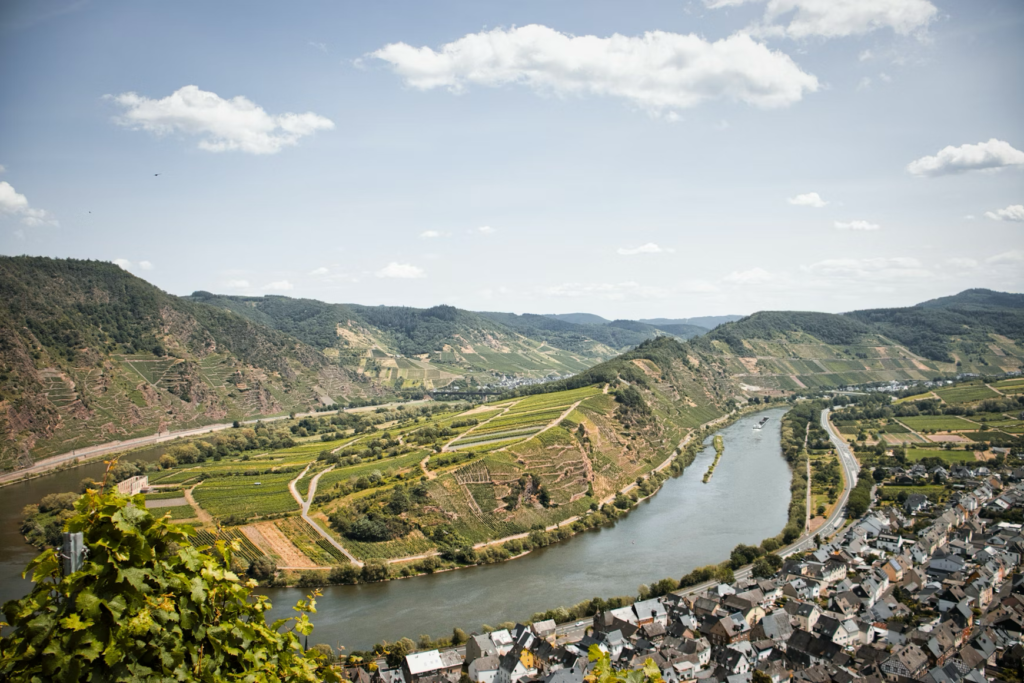
For wine lovers, the German Wine Route (Deutsche Weinstraße) offers a scenic and culturally rich drive through the Pfalz region, Germany’s wine-growing area. This route, stretching 85 kilometers from Bockenheim to Fürstengrund, takes you through vineyards, wine cellars, and charming towns. Visitors can enjoy wine tastings, local food specialties, and the picturesque countryside.
Along the way, make stops at Speyer, known for its Romanesque cathedral, and Bad Dürkheim, where you can visit the largest wine barrel in the world. The best time to visit is late summer or autumn, during harvest season when the vineyards are at their peak, and local festivals offer a vibrant atmosphere.
The Baltic Sea Coast: Beaches and Seaside Towns

For those seeking a coastal road trip, the Baltic Sea Coast offers a blend of beach resorts, historical seaside towns, and natural beauty. Stretching from Lübeck to Rostock, this route offers access to Germany’s charming beaches, charming seaside resorts, and UNESCO World Heritage Sites like the Wismar and Stralsund old towns.

The coastal route also features Rügen Island, known for its chalk cliffs and coastal hikes, making it a great destination for nature lovers and those looking to relax by the sea. The summer months are perfect for enjoying the beaches, while spring and autumn provide a quieter, more peaceful atmosphere.
Road Trip Logistics: Tips for a Smooth Journey
Renting a Car and Driving in Germany

When planning your road trip, renting a car is often the most convenient option. Car rental agencies are available at major airports like Munich and Berlin, and in larger cities. Be sure to book your rental car in advance, especially during peak travel seasons.
Germany’s road conditions are excellent, with modern highways (Autobahns), scenic routes, and well-maintained roads, but it’s essential to be familiar with driving rules. For example, winter tires are required during snowy conditions (typically from October to April), and speed limits are strictly enforced in certain areas. Additionally, be aware that gas stations may be sparse in rural areas, so it’s wise to keep your fuel topped up.
Timing Your Road Trip
The best time to embark on a road trip in Germany depends on the routes you choose. Spring and autumn are ideal for exploring the countryside and historical towns, offering pleasant weather and fewer tourists. Summer is perfect for scenic drives along the coast or in the Alps, though be prepared for larger crowds and higher prices in popular destinations. Winter is the best time for winter sports enthusiasts and those looking to enjoy festive Christmas markets.
Accommodation and Stops Along the Way

For a truly memorable road trip, plan your accommodations along the route. Many regions, particularly Bavaria and the Rhine Valley, offer a variety of accommodations ranging from quaint guesthouses to luxurious hotels. Booking in advance is recommended during peak seasons, especially for popular destinations like Munich or Lake Louise.
Look for charming bed and breakfasts or local inns that offer a more authentic experience, and be sure to explore the local cuisine at each stop. In some areas, you can even find eco-friendly hotels that align with sustainability values.
Conclusion: Tailoring Your Perfect German Road Trip
Germany’s diverse landscapes, rich culture, and historical landmarks make it an ideal destination for a road trip. Whether you’re interested in exploring fairytale castles along the Romantic Road, experiencing nature on the German Alpine Road, or immersing yourself in the history of the Castle Road, each route offers its own unique adventure. By planning carefully, selecting the right time of year, and booking accommodations in advance, you can create a road trip that matches your personal preferences and travel style. With the right preparation, your road trip through Germany will be an unforgettable experience.
