


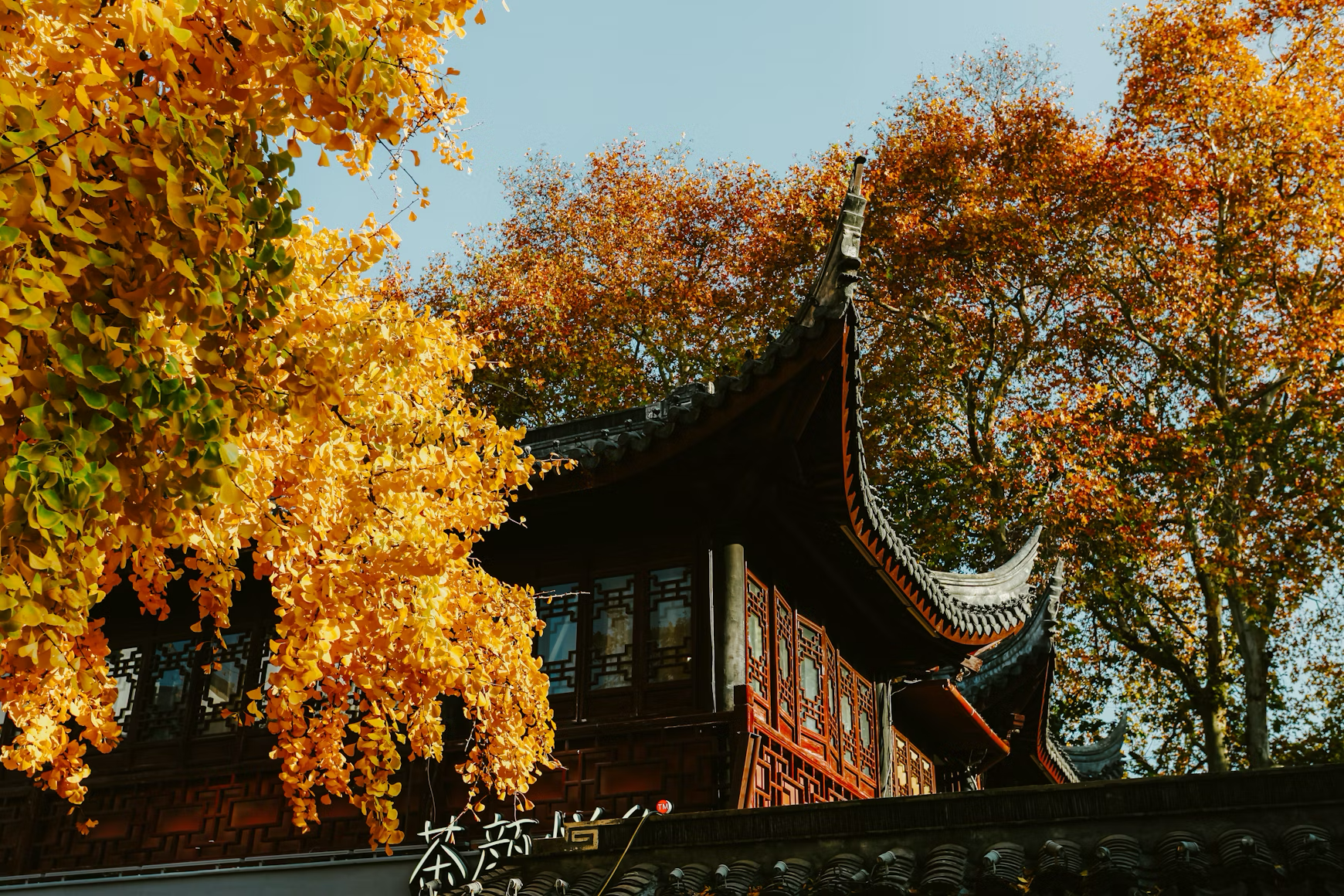
China is a country steeped in history, culture, and traditions that have spanned thousands of years. Whether you’re interested in exploring the awe-inspiring temples, vibrant markets, or quaint villages, there is an abundance of cultural experiences that will immerse you in China’s rich heritage.
For those planning a trip, understanding where to go and what to see is crucial to making the most out of a cultural journey. This guide will help you navigate China’s most culturally significant destinations, focusing on temples, markets, and villages that offer authentic insights into Chinese traditions and way of life.
Exploring the Spiritual Heart of China: Temples to Visit
China’s temples aren’t just architectural marvels but are also places of spiritual and cultural significance. These sacred sites offer insight into Chinese philosophy, history, and religious practices. From the grandeur of Buddhist monasteries to the tranquil Taoist temples nestled in the mountains, visiting these sacred spaces provides a deeper understanding of Chinese culture.
The Temple of Heaven, Beijing

Located in Beijing, the Temple of Heaven is one of China’s most iconic landmarks. Originally built in the early 15th century, this vast complex was used by emperors to offer sacrifices and pray for good harvests. The temple’s architecture is a fine example of ancient Chinese design, and it’s set in a beautiful park that locals still use for Tai Chi, kite flying, and other activities. Visiting the Temple of Heaven provides a perfect blend of cultural history and modern-day Chinese life.
The Shaolin Temple, Henan Province

For those interested in martial arts, the Shaolin Temple in Henan Province is a must-visit. This Buddhist temple, famously known for its association with Shaolin Kung Fu, is the birthplace of this ancient martial art. Travelers can tour the temple, learn about its history, and even participate in Kung Fu lessons. The Shaolin Temple is located in a serene, mountainous area, offering both spiritual and physical challenges for visitors interested in Chinese culture and martial arts.
The Longmen Grottoes, Luoyang


The Longmen Grottoes, located near the city of Luoyang, contain thousands of Buddhist statues and carvings dating back to the 5th century. These grottoes are considered some of the finest examples of Buddhist cave art in China. The site is recognized as a UNESCO World Heritage site and is one of the best places to experience the intersection of religion, art, and history in China.
Markets: A Window into Local Life and Traditions
Markets in China are vibrant, bustling spaces where you can see local culture in action. From street food markets to traditional handicraft bazaars, exploring these markets provides a direct link to the everyday life of Chinese people.
The Silk Market, Beijing

The Silk Market in Beijing is one of the most famous shopping destinations in China. Known for its array of silk products, clothing, and souvenirs, this market gives visitors the chance to interact with local vendors and artisans. It’s not only a great place to shop for unique items, but it’s also a lively spot where visitors can engage in bargaining, a traditional practice in many Chinese markets.
Yuyuan Bazaar, Shanghai
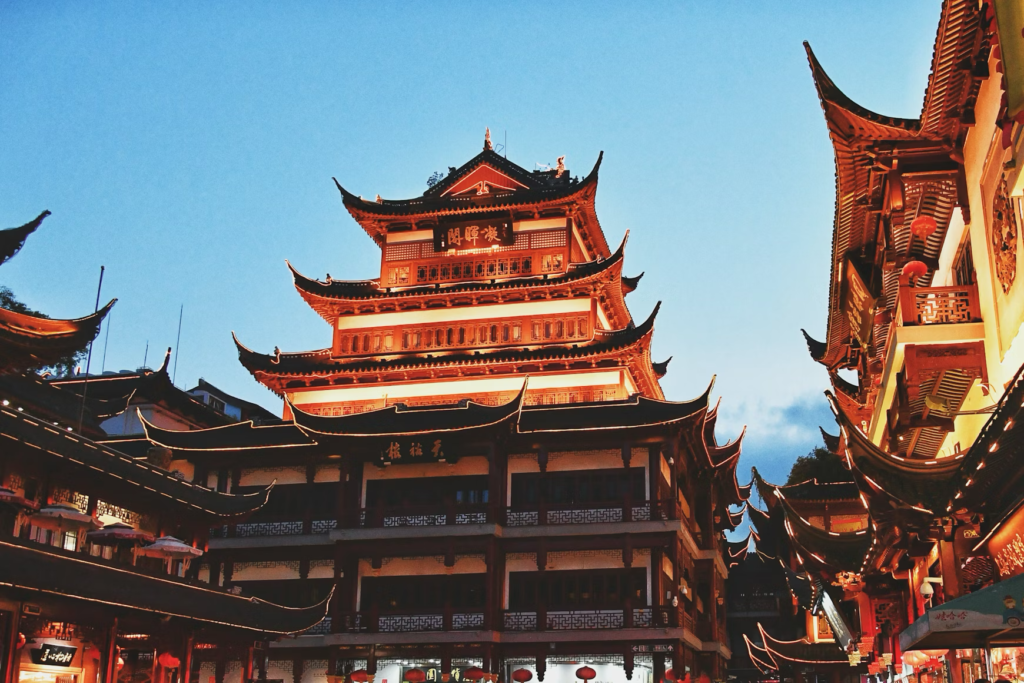
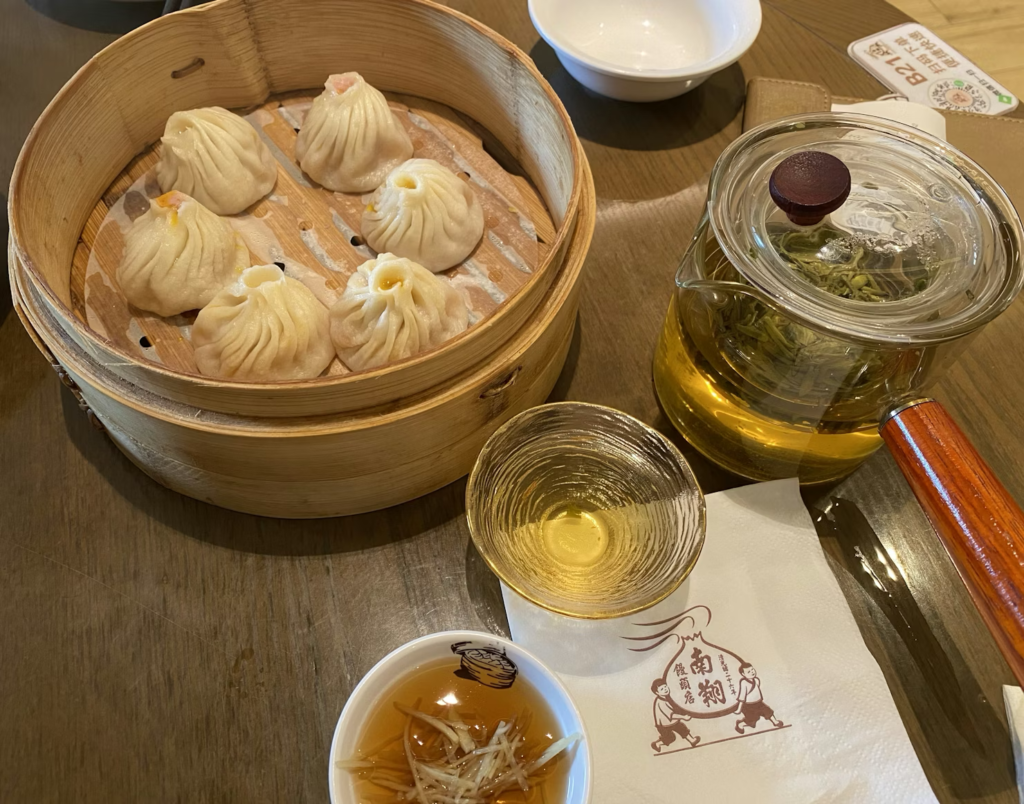
In Shanghai, the Yuyuan Bazaar is a must-see. This traditional market, located near the beautiful Yuyuan Garden, is packed with shops selling everything from antiques to Chinese teas and traditional snacks. Strolling through the maze of narrow streets lined with red lanterns offers an authentic taste of old-world Shanghai, contrasting sharply with the modern skyscrapers of the city. The market is especially famous for its xiaolongbao (soup dumplings), a local delicacy.
The Muslim Quarter, Xi’an
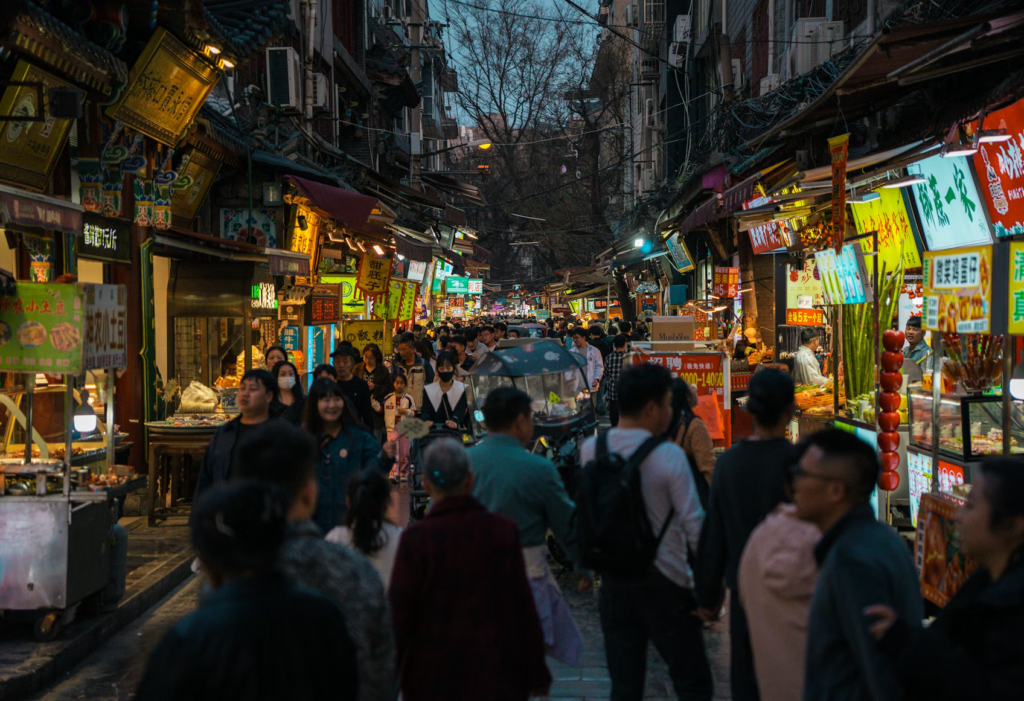
If you’re visiting Xi’an, known as the starting point of the Silk Road, the Muslim Quarter offers a unique cultural experience. This vibrant market is filled with street vendors selling a variety of delicious snacks, traditional Muslim foods, and handicrafts. It’s an excellent spot for trying roujiamo (Chinese-style burgers), yangrou paomo (lamb and bread soup), and other local dishes that reflect the city’s Islamic influence. The market is also a great place to experience Xi’an’s fusion of Han Chinese and Muslim cultures.

Villages: Traditional Chinese Life Beyond the Cities
China’s rural villages provide an intimate glimpse into the country’s cultural and historical roots. Visiting these remote locations allows travelers to experience ancient customs and timeless landscapes, far removed from the urban hustle.
Pingyao Ancient City, Shanxi Province
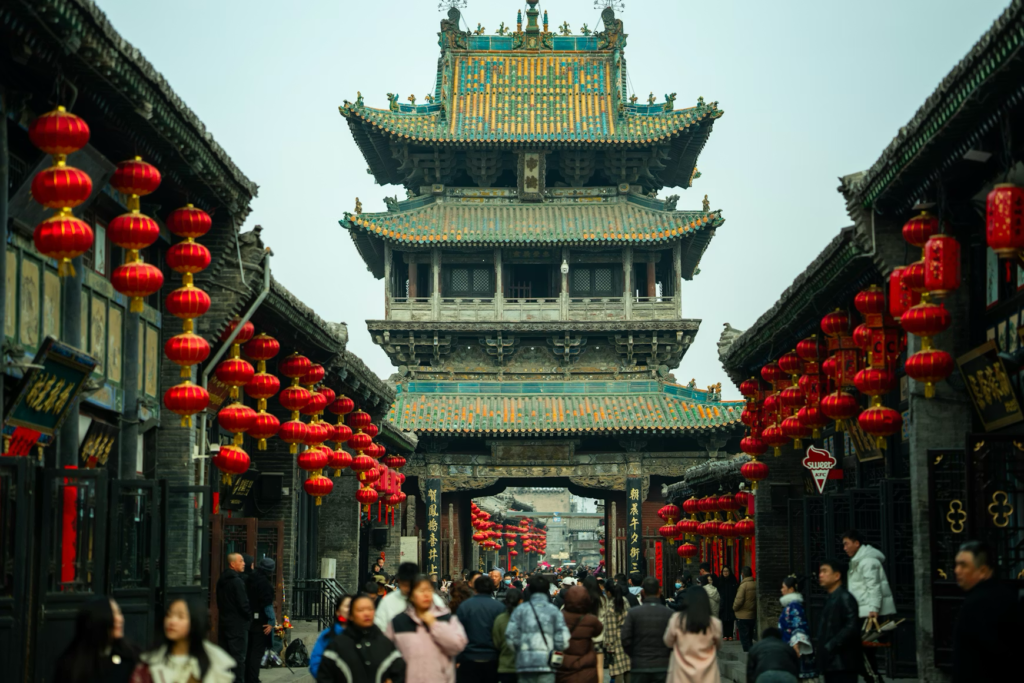
The ancient city of Pingyao, located in Shanxi Province, is a well-preserved example of a traditional Chinese walled city. It offers visitors a chance to step back in time and experience life as it was during the Ming and Qing dynasties. The city’s cobblestone streets, traditional courtyard houses, and ancient temples offer a picturesque and authentic look at China’s architectural history. It’s also a UNESCO World Heritage site, making it a significant cultural and historical destination.
Hongcun Village, Anhui Province

The Hongcun Village in Anhui Province is known for its picturesque rural scenery and ancient architecture. This UNESCO World Heritage village is famous for its well-preserved Ming and Qing dynasty houses and its beautiful natural surroundings, including the serene South Lake. The village’s narrow, winding lanes and tranquil atmosphere provide a perfect setting for those looking to explore rural China’s rich cultural history. Visiting Hongcun also gives insight into traditional Chinese farming life.
The Tibet Autonomous Region: A Spiritual and Cultural Journey


For those seeking a deeper cultural experience, a visit to Tibet offers a unique opportunity to explore a culture that remains distinct from the rest of China. Tibetan villages, monasteries, and sacred sites, such as the Potala Palace in Lhasa, offer a profound understanding of Tibetan Buddhism and the way of life in one of the world’s most remote regions. While more challenging to visit, Tibet’s spiritual significance and natural beauty make it a once-in-a-lifetime destination for cultural explorers.
How to Plan a Cultural Experience in China
Time of Year

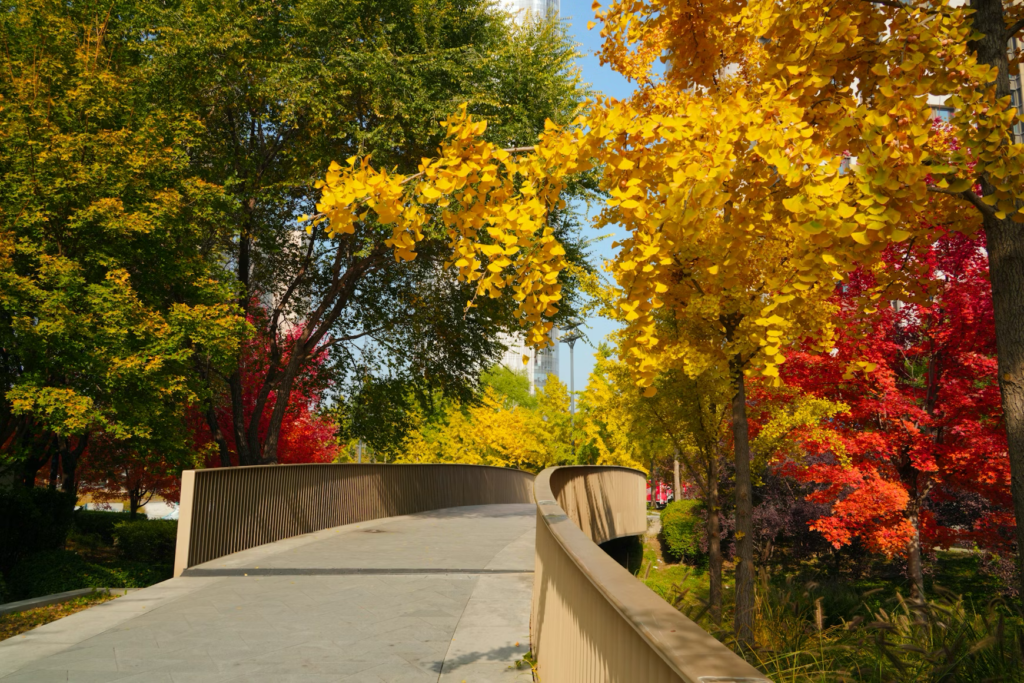
China is vast, and the climate varies greatly from region to region. For a cultural experience focused on outdoor activities and exploration, the best time to visit is typically during the spring (April to June) or autumn (September to November), when the weather is mild. However, if you’re planning to visit Tibetan regions or more remote villages, be prepared for colder conditions, especially in the winter months.
Cultural Sensitivity
Understanding and respecting local traditions is essential when visiting temples, markets, or rural villages. Learning a few basic Mandarin phrases can enhance your experience, and being mindful of local customs, such as removing shoes before entering temples or approaching elders with respect, will help you connect more deeply with the people and culture.
Local Events and Festivals

Timing your visit to coincide with local festivals or cultural events can enrich your experience. Consider planning your trip around festivals like Chinese New Year, Mid-Autumn Festival, or regional celebrations like the Harbin Ice Festival. These events offer a unique insight into Chinese traditions and are often accompanied by cultural performances, traditional music, and food.
Logistics and Transportation
China’s transportation network is vast, with high-speed trains, buses, and domestic flights connecting most cities and regions. For cultural travelers, it’s often best to book guided tours, especially when visiting remote villages or temples, to ensure you don’t miss any important historical context. Local markets and villages can be best explored on foot, giving you the chance to truly immerse yourself in the atmosphere.
Conclusion: A Cultural Journey Through China
China offers a wealth of cultural experiences that provide a deep connection to the country’s ancient traditions and rich history. Whether you’re exploring the peaceful temples in the north, sampling street food in bustling markets, or immersing yourself in the tranquil life of rural villages, there is no shortage of ways to engage with China’s culture. Planning your cultural journey requires careful consideration of the time of year, regional preferences, and specific activities you want to experience. By taking the time to explore beyond the famous landmarks and embracing local customs, you can have an enriching and unforgettable cultural experience in China.
