



Traveling to China can be a rewarding and enriching experience, but it also presents unique challenges for first-time visitors. From navigating language barriers to understanding local customs, these challenges can sometimes cause frustration or confusion if not properly prepared for. However, with a little knowledge and preparation, you can easily avoid common travel pitfalls and ensure that your trip is smooth and enjoyable. This guide provides essential tips to help you navigate the complexities of traveling in China and make the most of your experience.
Understanding China’s Travel Landscape

China is a vast country with a wide variety of climates, cultures, and logistical nuances. While major cities like Beijing, Shanghai, and Xi’an are well-equipped for tourists, traveling to more rural or less-touristed areas can pose difficulties. The key to having a successful trip lies in understanding these regional variations and being prepared for the unique travel environment in China. Proper planning and a clear awareness of local systems will help you avoid common pitfalls.
Language Barriers: Communicating with Ease

One of the most significant challenges for many travelers in China is the language barrier. While English is spoken in some major cities and tourist areas, it’s far from universal, particularly in rural regions. In many places, particularly outside of large cities, you might encounter little to no English spoken, which can make it difficult to communicate basic needs.
To avoid this issue, it’s helpful to download translation apps like Google Translate or Pleco, which can help bridge the communication gap. These apps are especially useful for translating signs, menus, and even conversations. Additionally, learning a few basic phrases such as “hello” (你好, nǐ hǎo) or “thank you” (谢谢, xièxiè) can go a long way in showing respect for the local culture and easing interactions.
Payment Systems: Adapting to Cashless Transactions

China is a cashless society, and most transactions are done via mobile payment apps like WeChat Pay and Alipay. While these services are convenient, they can pose a challenge for tourists who are unfamiliar with the system. Many vendors, especially in rural areas or smaller towns, may not accept cash or international credit cards, which can leave you stranded without a way to pay for goods and services.

To avoid this problem, it’s advisable to set up a Chinese mobile payment account before you travel. This can often be done through apps like WeChat or Alipay, which allow you to link your bank account or international credit card. If setting up mobile payments proves difficult, consider carrying a small amount of cash for emergencies. You can exchange money at international banks or use an ATM in larger cities.
Internet Access: Overcoming the Great Firewall
China has strict internet censorship laws, and many popular websites and apps, such as Facebook, Google, and Instagram, are blocked within the country. This can be particularly frustrating for travelers who rely on these services for navigation, communication, or social media.
To ensure you stay connected, it’s recommended to use a VPN (Virtual Private Network) to bypass these restrictions. You should install a VPN before you travel, as setting it up once in China may be difficult due to the country’s rigorous internet regulations. However, it’s important to note that not all VPNs are reliable in China, and some may have issues with connectivity. Be prepared for occasional disruptions, and consider using alternative Chinese apps for communication (like WeChat) or navigation (like Baidu Maps).
Transportation: Navigating China’s Extensive System

China’s transportation network is vast, offering various options from high-speed trains to domestic flights. However, navigating this system can be overwhelming, particularly during busy travel periods like holidays. Trains are an efficient and popular option for travel, but tickets can sell out quickly, especially during peak seasons.


To avoid delays or complications, it’s a good idea to book your train or flight tickets in advance, particularly if you’re traveling between cities. Websites like Ctrip or 12306 allow for online bookings, with some available in English. In addition, when traveling within cities, familiarize yourself with public transportation systems, such as buses and subways, which are affordable and efficient but can be crowded, especially during rush hours.
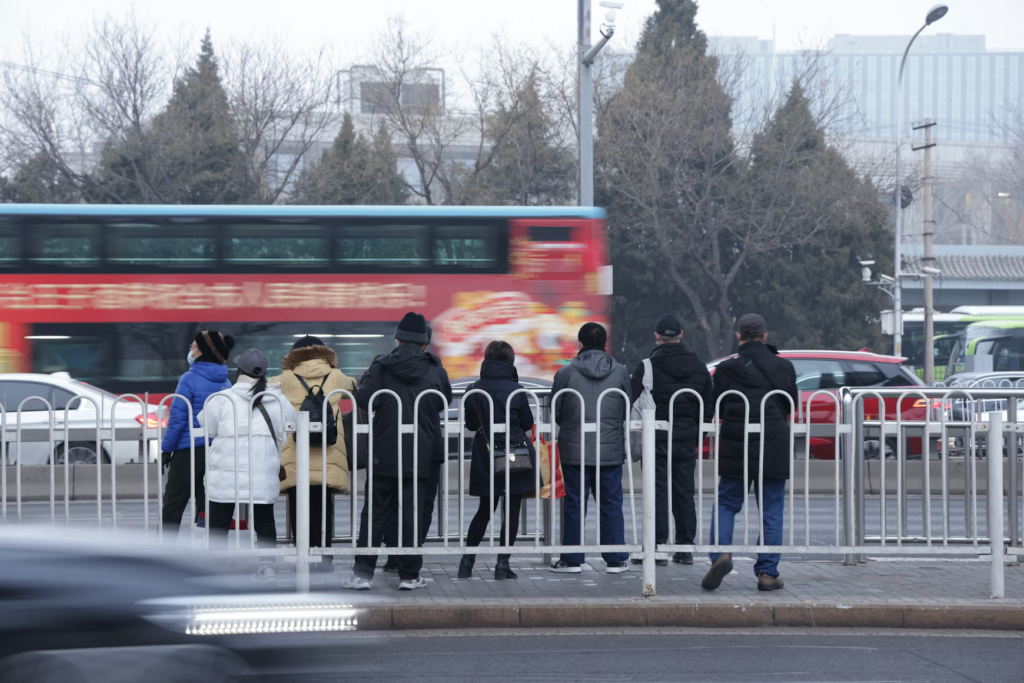
If you’re traveling to more remote areas, consider hiring a local guide or using ride-hailing services like DiDi for ease and safety. However, it’s important to note that DiDi may not be available in all regions, and rural transportation options may require more effort to arrange.
Health and Safety: Preparing for Common Challenges

Traveling in China can sometimes involve health risks or safety concerns, particularly in certain regions or during specific seasons. In large cities, the air quality can sometimes be poor, which can be a concern for those with respiratory conditions. Additionally, foodborne illnesses may be more common if you aren’t careful with food choices, especially at street food stalls.

To avoid these health-related pitfalls, it’s crucial to stay hydrated and carry basic medical supplies, such as hand sanitizer and over-the-counter medication for digestive issues. If you plan to try street food, use your judgment to select stalls that are busy and popular, as this typically indicates better turnover and cleanliness.
If you’re visiting rural or remote areas, be aware of the potential for mosquito-borne diseases, particularly during the rainy season. It’s advisable to carry insect repellent and take other precautions to avoid bites. Vaccinations for diseases like Hepatitis A and Typhoid may also be recommended depending on your travel itinerary.
Cultural Sensitivity: Understanding Local Customs

China’s culture is steeped in centuries-old traditions, and respecting local customs is crucial for fostering positive interactions with locals. One common mistake is misunderstanding cultural norms related to behavior, dining etiquette, and social interactions.
For example, in China, tipping isn’t a common practice, and it may be considered rude in many situations. When dining, wait for the eldest or most senior person to begin eating, and avoid pointing at people or gesturing with your feet, as these actions are considered impolite.

Additionally, be mindful when visiting temples or other religious sites. Dress conservatively and respectfully, and be prepared to remove your shoes before entering certain places. If you’re uncertain about local customs, asking politely or observing others’ behavior will help you navigate these situations.
Conclusion: A Smooth and Enjoyable Trip to China

Traveling in China presents some challenges, but with the right preparation, these obstacles can be easily navigated. By understanding the language barrier, adapting to the cashless payment system, preparing for internet restrictions, and being aware of cultural customs, you can ensure a smoother, more enjoyable experience. By following these essential tips, first-time visitors will feel more confident, allowing them to focus on the unique and enriching experiences that China has to offer.
