



Spain is a food lover’s paradise, where regional diversity and centuries-old culinary traditions create an extraordinary dining experience. Whether you’re wandering through vibrant markets, dining at world-class restaurants, or enjoying a meal in a rustic village, Spanish cuisine is central to its culture. For first-time visitors, understanding what dishes to try and where to enjoy them can be the key to a truly authentic Spanish experience. This guide will walk you through must-try dishes from across Spain and help you find the best places to savor these flavors.
A Culinary Tour of Spain: Regional Specialties to Discover
Spanish cuisine is highly regional, with each area of the country boasting its own specialties, ingredients, and cooking methods. From the Mediterranean coast to the rugged mountains of the north, every region offers something unique for food enthusiasts. Here’s a look at the must-try dishes from various regions of Spain.
Paella from Valencia: The Quintessential Spanish Dish

No trip to Spain would be complete without trying paella, one of the most famous dishes in Spanish cuisine. Originally from the Valencia region, paella is a saffron-infused rice dish typically made with seafood, chicken, rabbit, and vegetables. The best place to try authentic paella is in Valencia itself, particularly in the Albufera area, where you can enjoy the dish overlooking the scenic rice fields that contribute to its ingredients.

If you aren’t in Valencia, many coastal towns offer great seafood versions of paella, but be mindful that outside of Valencia, the dish might be adapted to local tastes. While you can try paella in touristy areas, a local restaurant or family-run eatery often provides a more authentic, flavorful version.
Tapas from Andalusia: Small Plates with Big Flavor
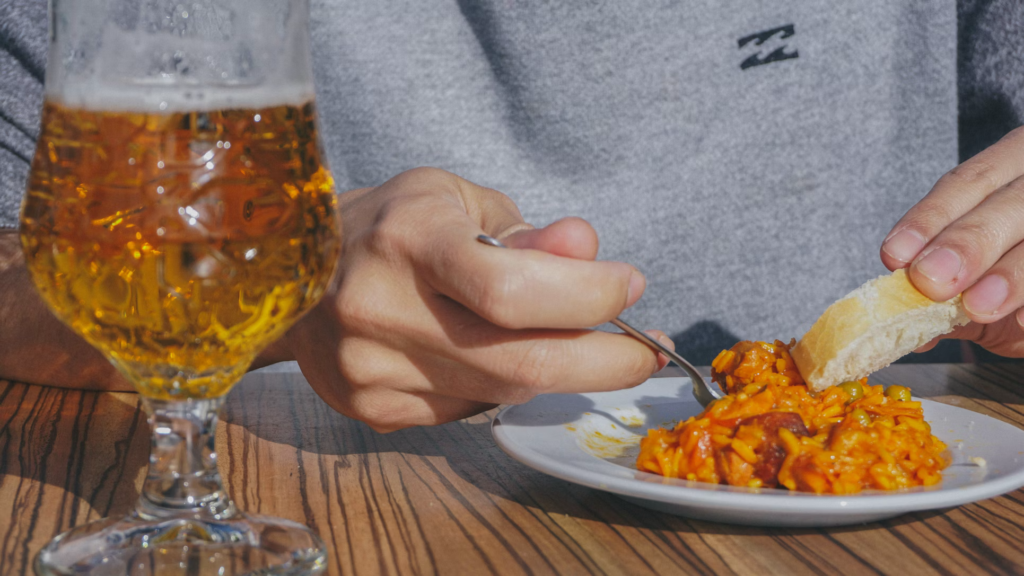
Tapas are a defining feature of Spanish dining culture, particularly in Andalusia. These small, shared plates are ideal for sampling a variety of flavors, from patatas bravas (fried potatoes with spicy tomato sauce) to jamón ibérico (cured ham) and croquetas (fried breaded rolls filled with meats or cheese). The beauty of tapas lies not only in the variety but also in the social aspect: meals are often shared with friends over drinks in bustling bars.

Seville, Granada, and Cordoba are some of the best cities for tapas, offering a wide variety of both traditional and innovative options. Many restaurants here offer tapas tours, which are an excellent way to explore the local dining scene, hopping between different bars and enjoying unique regional specialties.
Gazpacho and Salmorejo: Refreshing Andalusian Soups
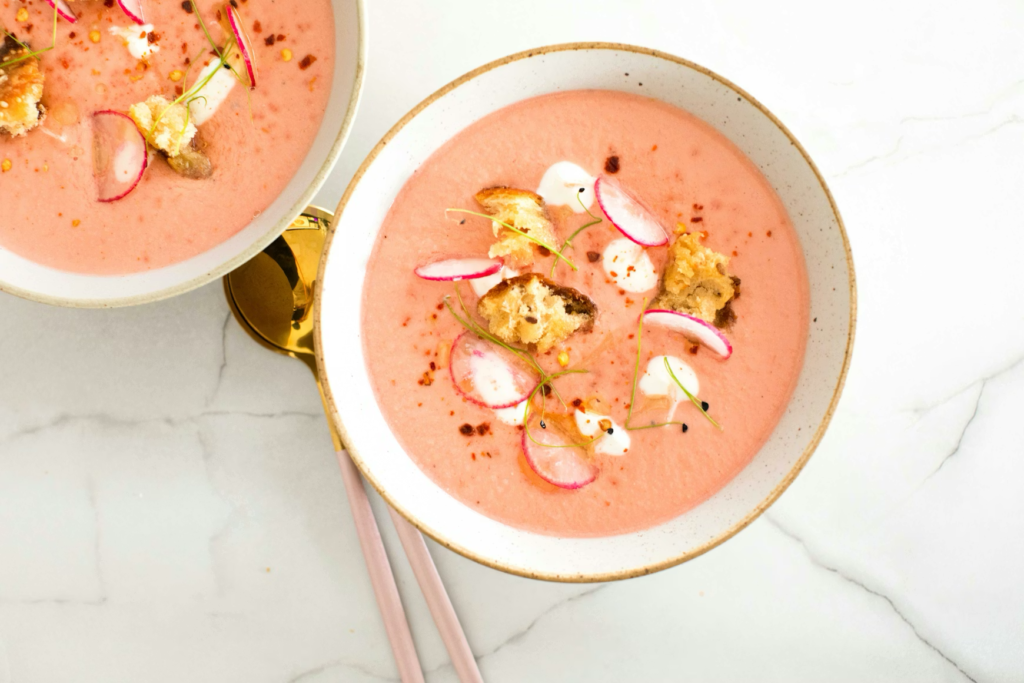

When traveling through Andalusia, especially in the hotter months, gazpacho and salmorejo are essential dishes. Both are cold soups made from fresh vegetables and are incredibly refreshing during the summer heat. Gazpacho is made with tomatoes, cucumbers, peppers, and onions, while salmorejo is a thicker, richer version of gazpacho, traditionally made with tomatoes, bread, and olive oil. Both dishes are ideal for a light yet flavorful meal, often paired with a hard-boiled egg or jamón.
Try gazpacho and salmorejo in Cordoba or Seville, where they’re served fresh in local tapas bars.
Pintxos from the Basque Country: A Flavorful Tradition
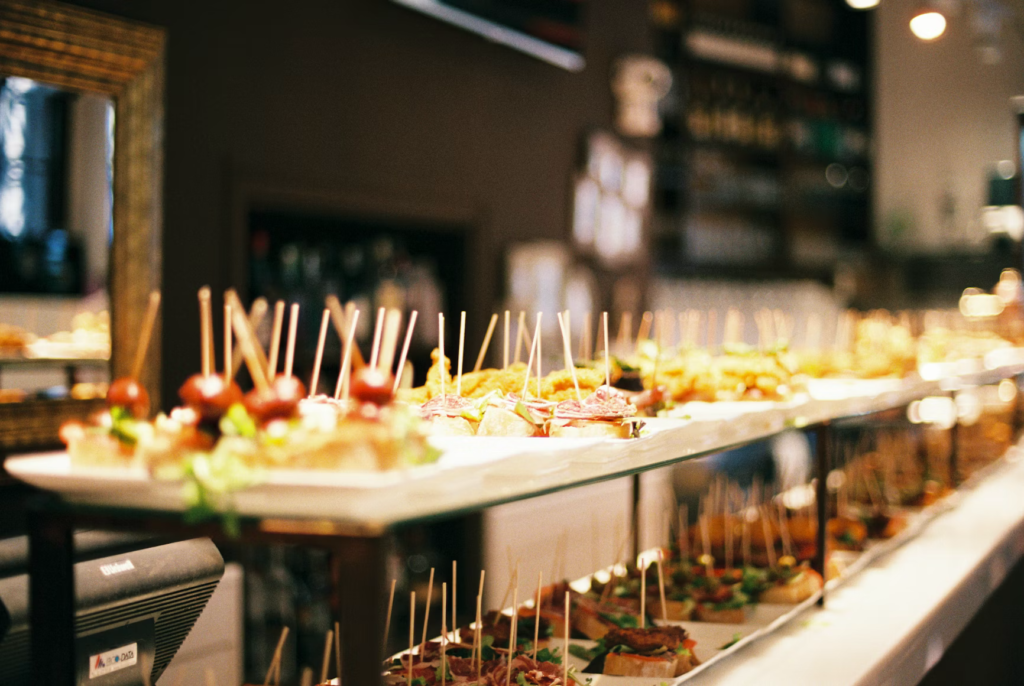
In the Basque Country, the tradition of pintxos (small snacks on a skewer or piece of bread) reigns supreme. These delightful treats are often served with a variety of ingredients, from anchovies and olives to foie gras and shrimp. San Sebastián, in particular, is famous for its pintxos bars, where locals and tourists alike gather to try different combinations of flavors.

Unlike traditional tapas, pintxos are often eaten standing at the bar, allowing diners to enjoy a casual but lively meal. The pintxos culture in San Sebastián is considered an art form, with many bars offering creative and exquisite combinations. A pintxos crawl through the city’s old town is one of the best ways to experience the local food scene.
Fabada Asturiana: Hearty Stew from Asturias
If you’re traveling to the Asturias region in northern Spain, don’t miss the opportunity to try fabada asturiana, a rich, hearty stew made with beans, chorizo, black pudding, and pork. This traditional dish has deep roots in the region’s culture and is perfect for colder months. The best place to try fabada is in the Asturias region itself, where you’ll find it served in cozy restaurants and family-run taverns.
This dish is a great choice for those who enjoy bold, comforting flavors, and it pairs wonderfully with sidra (Asturian cider), which is traditionally poured from a height to aerate the drink.
Pulpo a la Gallega: Galician Octopus

From the Galicia region in the northwest, pulpo a la gallega (Galician-style octopus) is another must-try. The octopus is boiled and then seasoned with paprika, sea salt, and olive oil before being served over a bed of boiled potatoes. This dish showcases the simple, yet exceptional, flavors of the region’s abundant seafood. Galicia is famous for its fresh seafood, and this dish is a true representation of the coastal area’s maritime culture.
To enjoy this dish at its best, head to the coastal town of Santiago de Compostela, where many seafood restaurants specialize in preparing this traditional delicacy.
Where to Find the Best Food in Spain
Madrid: Spain’s Culinary Crossroads
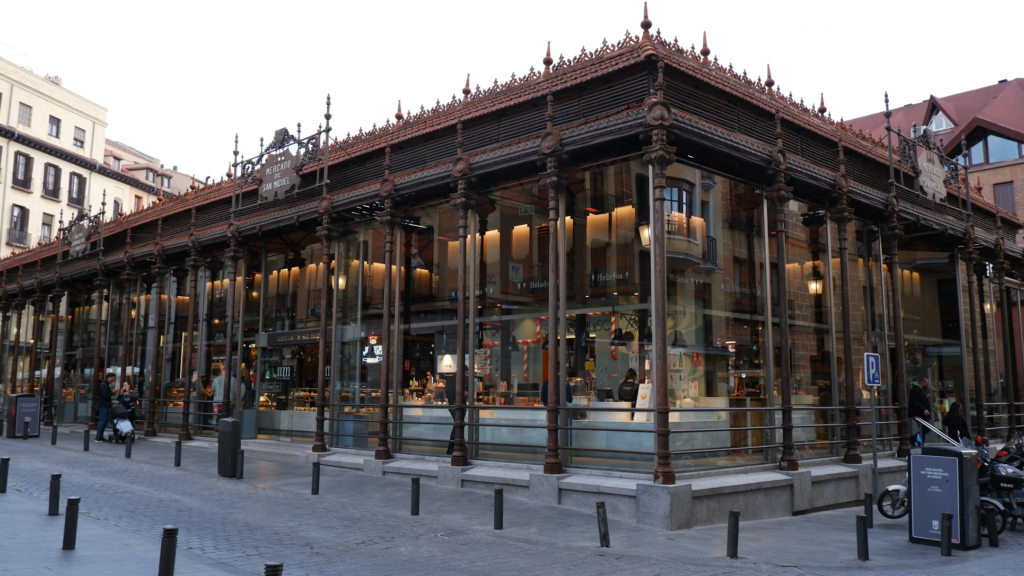

Madrid is a melting pot of Spanish cuisine, and while the city doesn’t boast the same regional food identity as some other cities, it’s an excellent place to experience a variety of dishes from all over Spain. Botín, the world’s oldest restaurant, is famed for its roast suckling pig, while San Miguel Market offers a more informal setting for tasting tapas and regional specialties. Madrid is also home to some of Spain’s finest chocolate con churros shops, where the indulgent, sweet treat is served with thick hot chocolate for dipping.
Barcelona: Catalan Innovation Meets Mediterranean Flavor
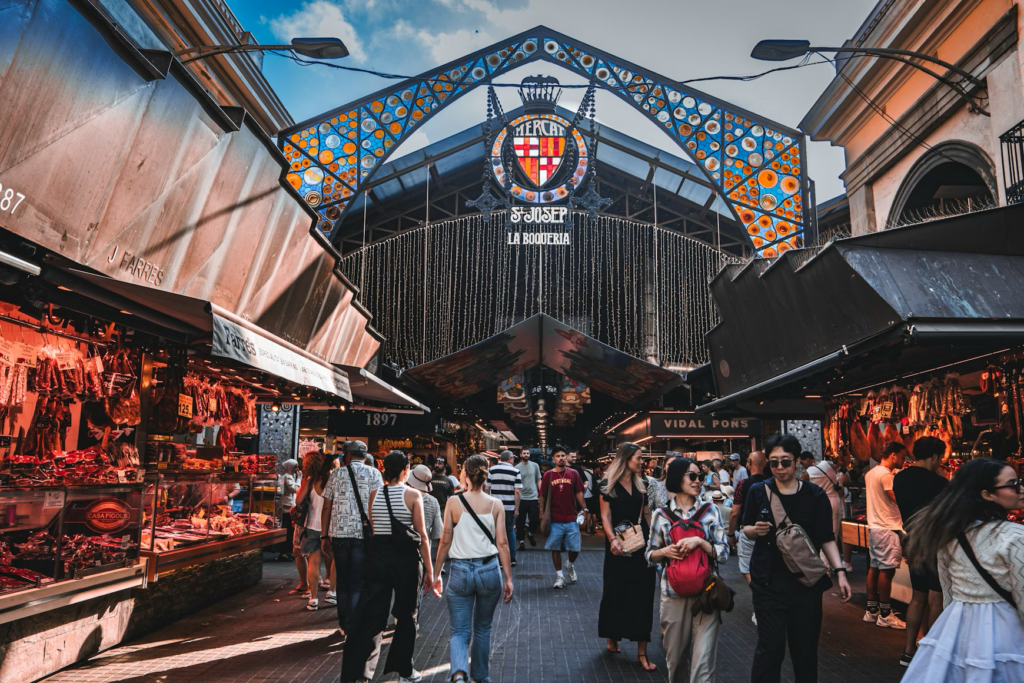

In Barcelona, the cuisine is influenced by the Mediterranean diet, with an emphasis on fresh vegetables, seafood, and olive oil. Don’t miss paella in its traditional home, and enjoy a visit to La Boqueria Market for a lively, bustling food experience. Try escudella i carn d’olla, a hearty Catalan stew, or crema catalana, the region’s answer to crème brûlée. Pintxos from the Basque region are also a favorite in Barcelona’s diverse food scene.
Seville and Andalusia: Flavors of the South

Seville is one of the best cities to experience the diverse flavors of Andalusia. Tortilla de camarones (shrimp fritters) and jamón ibérico are two staple items in Seville, and a tapas crawl through the city’s Barrio Santa Cruz is a great way to sample these delights. The Alcázar Palace and Plaza de España are must-see sights, but make sure to leave time for exploring Seville’s vibrant culinary culture. You’ll also find incredible seafood, particularly fried fish in Cadiz.
Valencia: Paella’s Birthplace

Valencia is the birthplace of paella, and the city remains its best place to experience this iconic dish in its authentic form. The region offers many variations, with paella de marisco (seafood) and paella mixta (a mix of meat and seafood) being popular choices. Visit the Central Market in Valencia to experience a local food hub where you can find fresh ingredients and taste the flavors of the region.
Bilbao and San Sebastián: Basque Country’s Culinary Pride

The Basque Country offers some of Spain’s most celebrated cuisine, particularly the pintxos of San Sebastián. Here, small skewered snacks are prepared using fresh, local ingredients like fish, meats, and vegetables, and enjoyed in a social setting. Bilbao is home to the Guggenheim Museum and a growing food scene, with a range of Michelin-starred restaurants offering modern takes on traditional Basque cuisine.
Conclusion: Savoring Spain’s Rich Culinary Traditions

Spain is a land of culinary diversity, where each region offers unique flavors and a deep connection to local traditions. Whether you’re exploring the rustic dishes of Andalusia, enjoying the seafood of Galicia, or diving into the tapas culture of Madrid, there’s something for every palate. The key to enjoying Spain’s food culture is understanding the regional differences and knowing where to go for the best local specialties. By following these recommendations, you’ll be well on your way to enjoying an authentic, gastronomic journey across Spain.
