


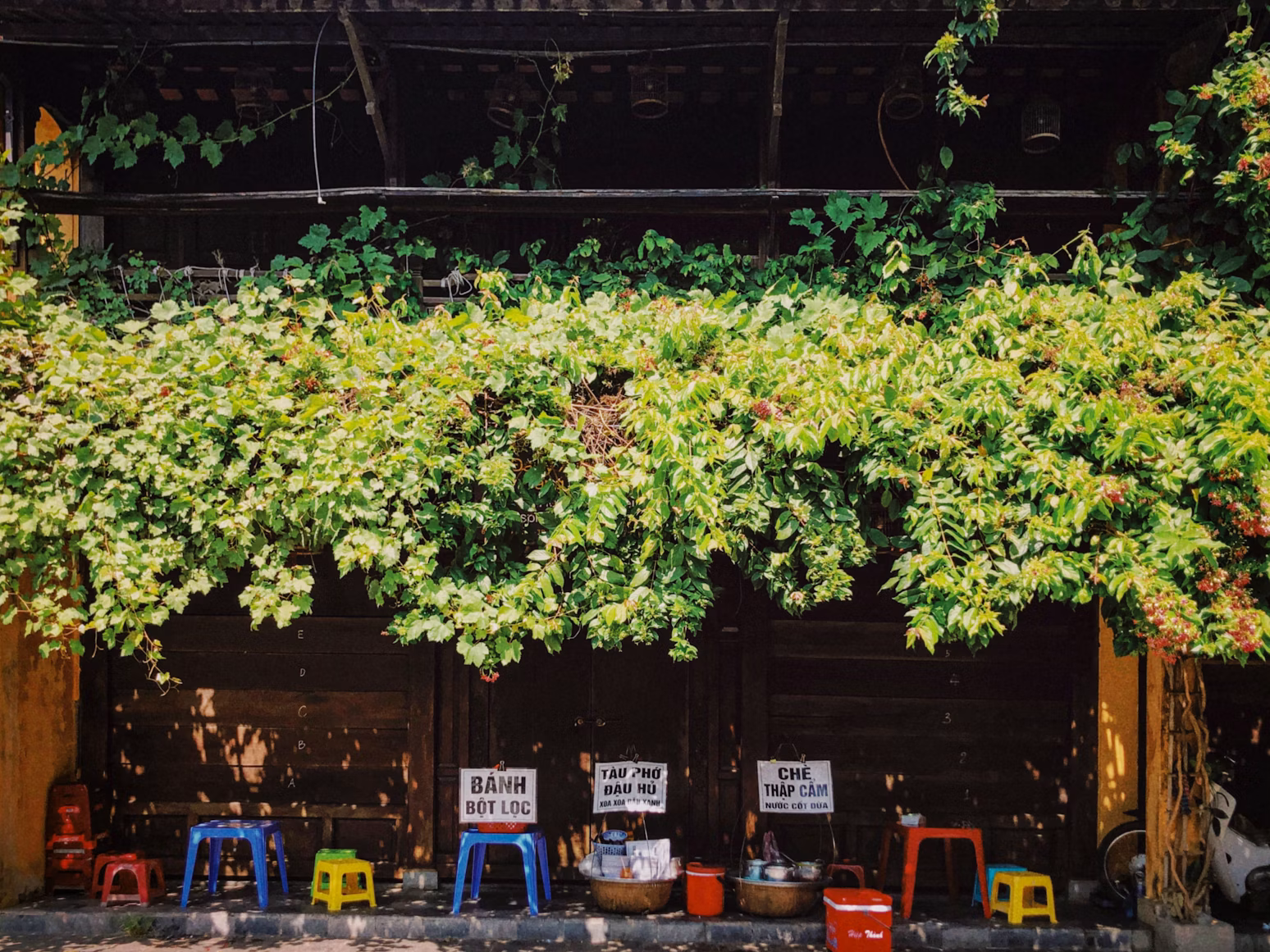
Vietnam is a haven for food lovers, offering a vast array of flavors, textures, and cooking styles influenced by its rich history and diverse geography. From the vibrant street food culture to exquisite regional specialties, Vietnam’s cuisine is both accessible and diverse, providing experiences for everyone, from adventurous eaters to those looking for comfort food. This guide will help you navigate Vietnam’s must-try dishes, street food hotspots, and essential dining experiences.
The Essence of Vietnamese Cuisine
At the heart of Vietnamese food is a balance of fresh ingredients, bold flavors, and a deep respect for tradition. The cuisine is known for its use of herbs, fresh vegetables, and seafood, often balanced by savory broths, sweet, sour, and salty elements. Each region of Vietnam offers its own culinary identity, with local specialties shaped by climate, geography, and historical influences. Whether you’re in Hanoi’s north, Ho Chi Minh City’s south, or the central coast, there’s a wealth of authentic dishes to discover.
Must-Try Traditional Dishes in Vietnam
Pho: Vietnam’s Iconic Noodle Soup
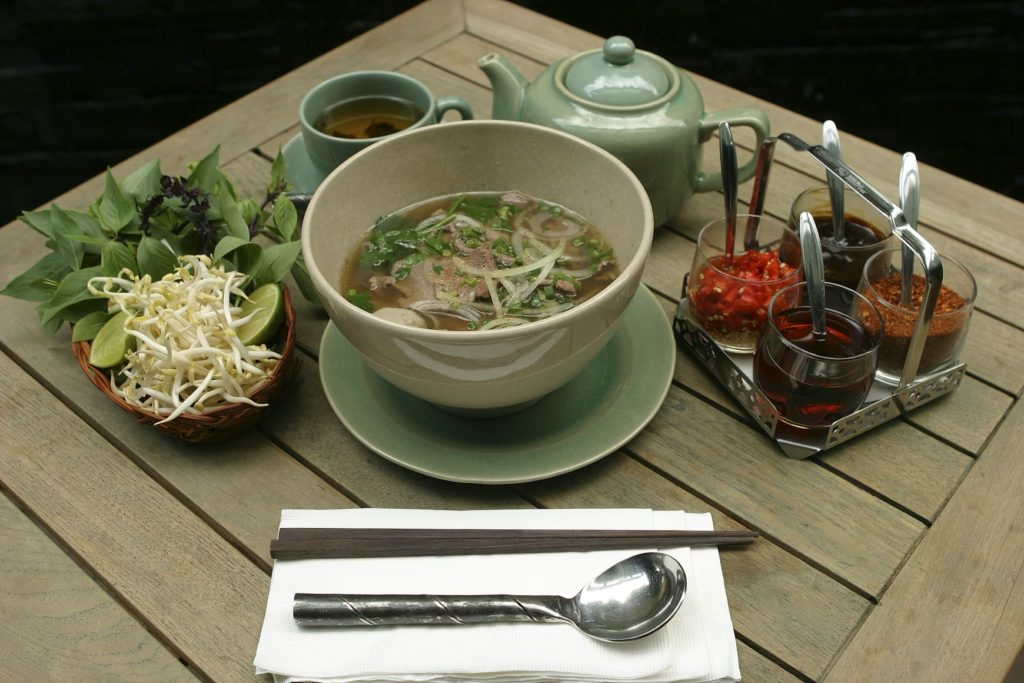

No trip to Vietnam is complete without trying pho, the country’s national dish. A fragrant soup made with clear broth, rice noodles, fresh herbs, and thinly sliced meat (usually beef or chicken), pho is typically served as a hearty breakfast, though it’s enjoyed at any time of the day.

The best pho can be found all over Vietnam, but Pho Thin in Hanoi is famous for its rich broth and flavorful, tender beef. While the dish’s origins are debated, it’s widely regarded as a symbol of Vietnamese culinary pride.
Banh Mi: A Fusion Sandwich
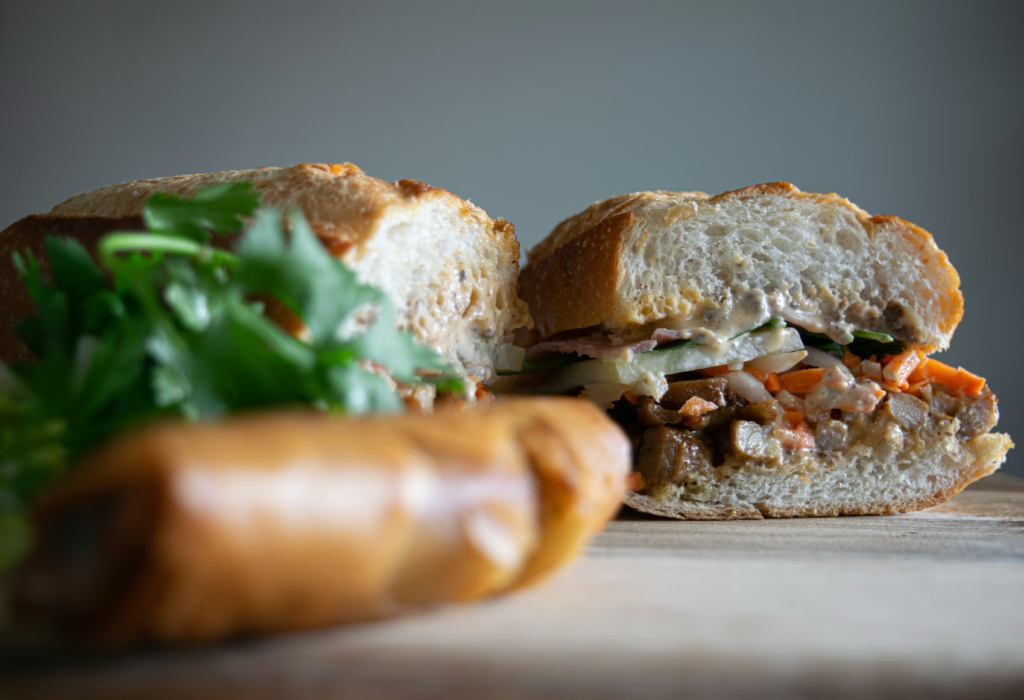
Banh mi is a beloved Vietnamese sandwich that blends French and Vietnamese culinary traditions. A crispy baguette filled with a variety of meats, pickled vegetables, fresh herbs, and chili, it’s a perfect example of how Vietnam’s history of French colonialism influenced its food culture. You can find banh mi in street stalls across Vietnam, with some of the most famous shops in Ho Chi Minh City like Banh Mi Huynh Hoa, where locals queue up for a taste of this satisfying sandwich.
Goi Cuon: Fresh Spring Rolls
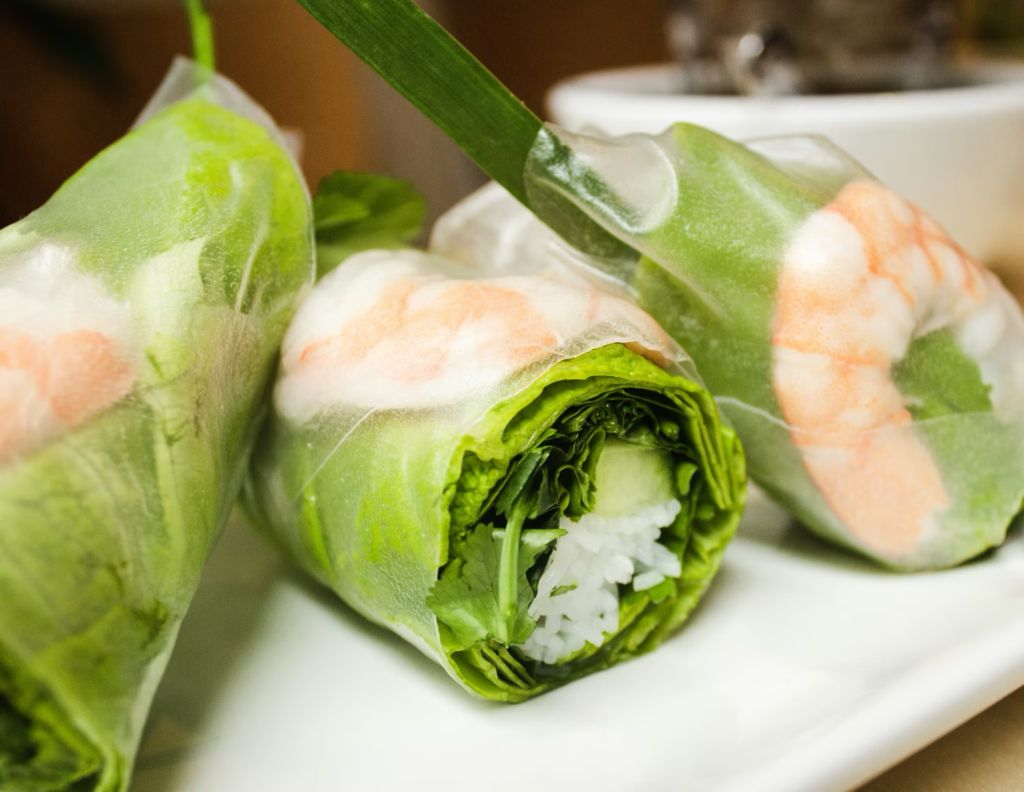
Goi cuon, or fresh spring rolls, are a refreshing snack or appetizer made with rice paper and filled with shrimp, pork, vermicelli noodles, lettuce, mint, and cilantro. Served with a peanut or hoisin sauce, these rolls offer a lighter, yet flavorful, option.
These rolls are widely available at street food stalls throughout the country, particularly in Ho Chi Minh City. Look for places where the rolls are freshly made, as they taste best when eaten right away.
Banh Xeo: Vietnamese Pancakes

Banh xeo are savory Vietnamese pancakes filled with pork, shrimp, bean sprouts, and herbs, and are a popular dish in the southern regions of Vietnam. The pancakes are crispy on the outside, soft on the inside, and often served with lettuce leaves and herbs for wrapping, creating a delicious bite of flavors and textures.
Best enjoyed in southern Vietnam, especially in Ho Chi Minh City or the Mekong Delta, banh xeo is a fun dish that also highlights the interaction between local culture and food.
Com tam: Broken Rice with Grilled Pork
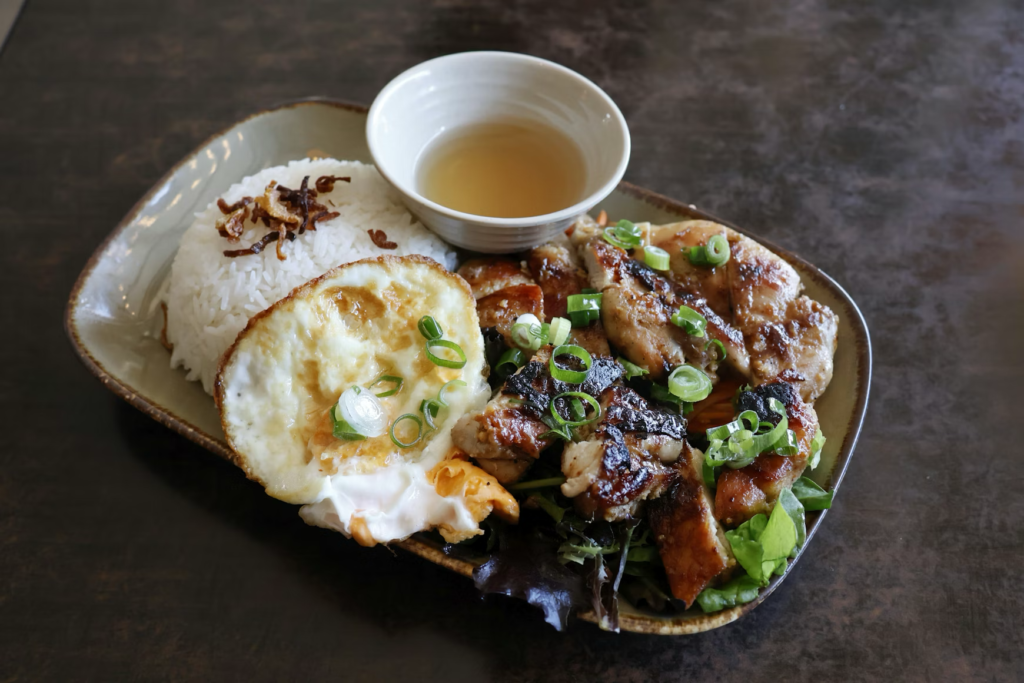
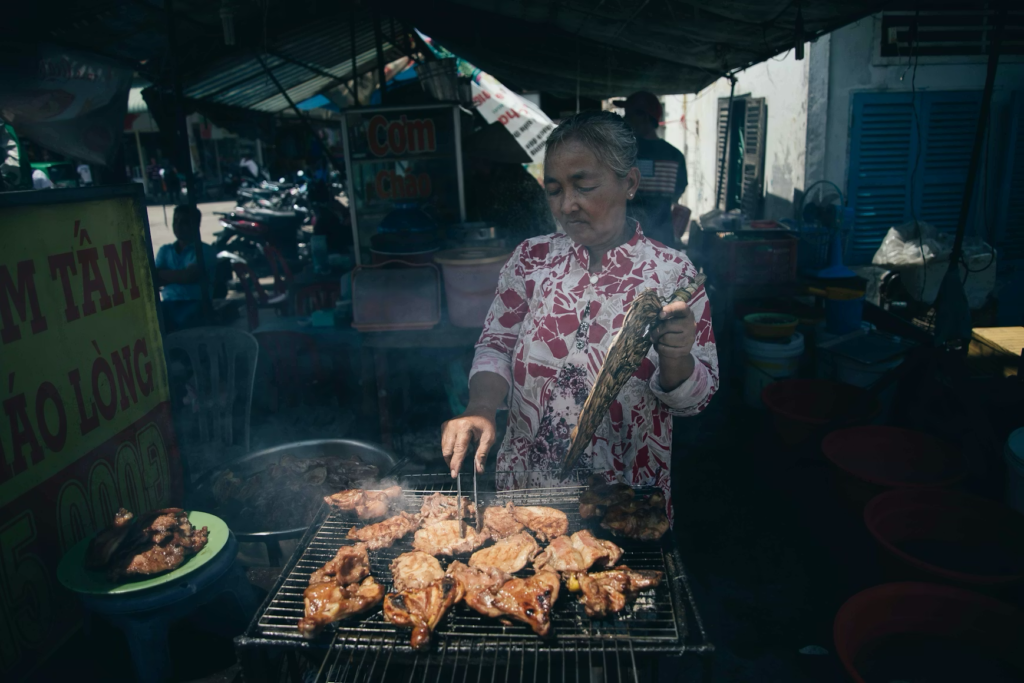
A southern Vietnamese favorite, com tam (broken rice) is served with grilled pork, but can also feature other meats like chicken or beef. Accompanied by pickled vegetables and a fried egg, com tam is a filling and flavorful meal that’s perfect for lunch or dinner. The dish is widely available in Ho Chi Minh City, where it’s a favorite street food option.
Hu Tieu: Noodle Soup from the South
Popular in southern Vietnam, hu tieu is a noodle soup dish that’s less well-known outside of the country but widely enjoyed by locals. Made with rice noodles and a light, savory broth, hu tieu often includes seafood, pork, or beef, with an assortment of herbs and spices to elevate the flavor.
While this dish originated in southern Vietnam, it has spread throughout the country, and you can find it served at numerous street food stalls in Ho Chi Minh City.
Goi Du Du: Papaya Salad

If you’re looking for something light and refreshing, goi du du (green papaya salad) is a popular street food option. Made with shredded unripe papaya, peanuts, shrimp, and a tangy dressing, this dish strikes a perfect balance of sweet, sour, and spicy. It’s especially common in the south of Vietnam, where the heat and fresh vegetables create a cool, satisfying treat.
Cha Gio: Vietnamese Spring Rolls

Cha gio, or fried spring rolls, are a beloved street snack. These crispy rolls are filled with a mixture of pork, shrimp, mushrooms, and vermicelli noodles, and served with a tangy dipping sauce. Cha gio is a versatile dish, perfect as an appetizer or as part of a larger meal.
Regional Specialties: Tasting the Diversity of Vietnam
Each region of Vietnam has its own distinct culinary offerings, influenced by the local climate, culture, and history. While many of the dishes mentioned above can be found throughout the country, there are also regional specialties that are worth seeking out.
Central Vietnam: Da Nang and Hue

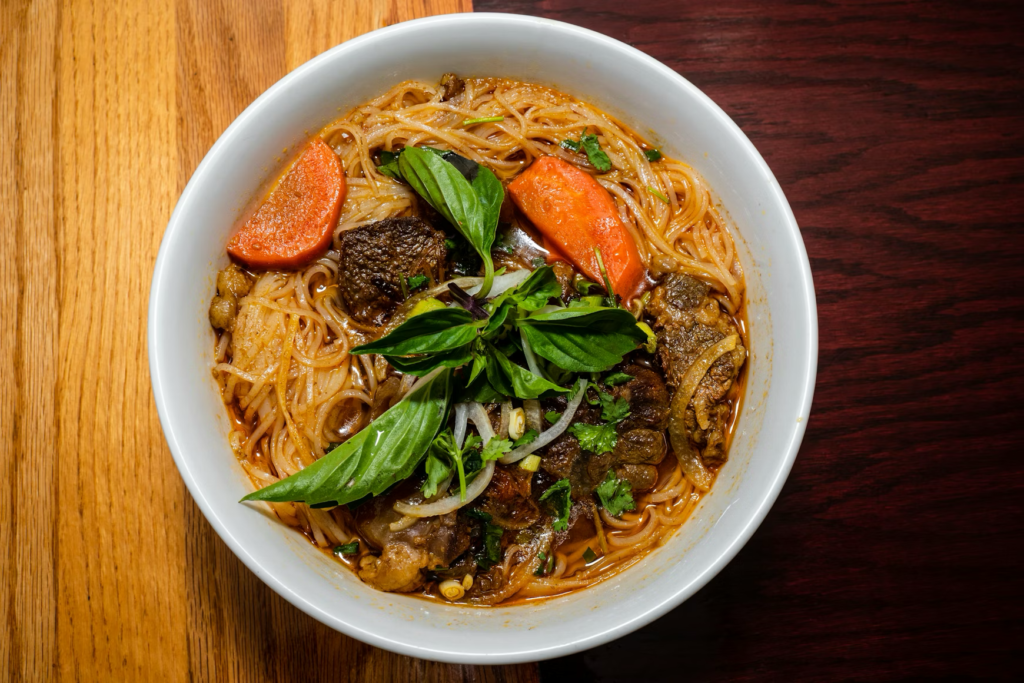
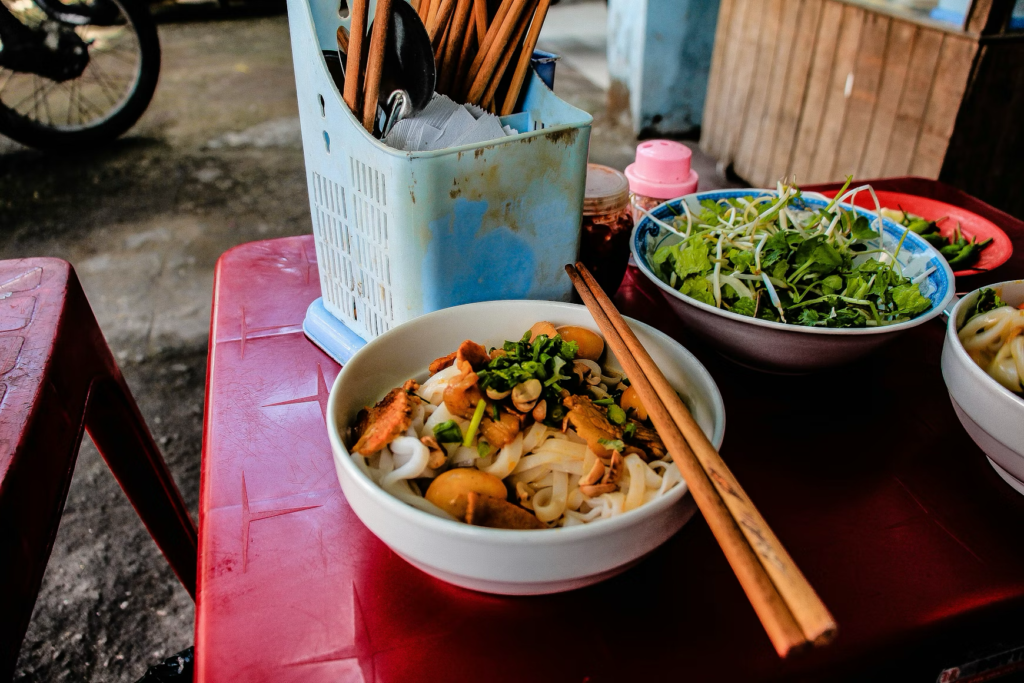
The central region of Vietnam is known for its bold, spicy flavors. Bun bo Hue, a spicy beef noodle soup from Hue, is a must-try for those visiting the area. The dish is made with a rich, aromatic broth, tender beef, and a unique mix of herbs and spices that give it a distinct flavor. Mi Quang, another central dish, is a noodle dish with a flavor-packed broth and a variety of meats, often topped with peanuts and crispy rice crackers.
Northern Vietnam: Hanoi’s Delights
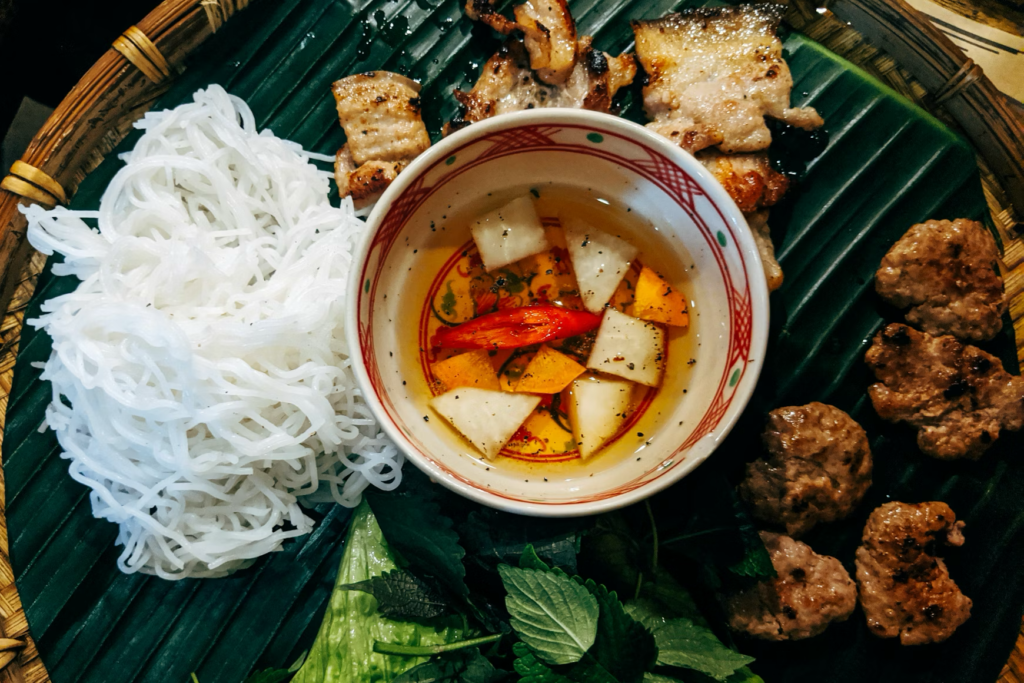
In Hanoi, the culinary experience shifts toward subtle, delicate flavors. Cha ca, a fish dish served with turmeric and dill, is one of the capital’s best-known specialties. Another must-try is bun cha, a grilled pork and noodle dish that is served with fresh herbs and a flavorful dipping sauce.
Southern Vietnam: Ho Chi Minh City and Beyond
Southern Vietnam offers a sweeter, more aromatic taste to its dishes, such as com tam (broken rice) and hu tieu (noodle soup). The Mekong Delta is famous for its hu tieu and a variety of fresh, local fruits, which you can sample from roadside stalls as you travel through the region.
Dining Etiquette in Vietnam

When dining in Vietnam, there are a few key cultural norms that can help enhance your experience. If you’re eating at a food stall, it’s customary to wait in line and make your order directly with the vendor. Many street food vendors do not have seating arrangements, so it’s common to eat while standing or sitting on small stools.
When dining with locals, it’s polite to wait for the elder or host to begin eating before you start. Additionally, sharing food is an important part of the Vietnamese dining experience, so feel free to try different dishes and share your meals with others.
Conclusion: A Culinary Adventure Awaits
Vietnam’s culinary offerings are as diverse as its culture, and every meal is an opportunity to explore a new facet of the country. From the iconic pho to lesser-known regional dishes, Vietnam offers a rich culinary adventure that will delight food lovers of all kinds. Whether you’re enjoying a bowl of noodles from a bustling street stall or dining at a local restaurant, Vietnamese food is an integral part of the travel experience. With the right knowledge and guidance, you’ll be well-prepared to dive into this flavorful and exciting food culture.
