



Taiwan, with its vibrant cities, diverse landscapes, and rich cultural heritage, is a destination that offers something for every traveler. Whether you’re looking to explore bustling markets, hike through lush mountains, or relax on scenic beaches, the timing of your visit plays a significant role in shaping your experience.
Understanding Taiwan’s weather, peak travel seasons, and key events throughout the year will help you plan the best possible trip. This guide provides insights into the best times to visit Taiwan based on your interests, offering a seasonal breakdown that helps you decide when to go.
Taiwan’s Climate: A Country of Contrasting Seasons
Taiwan’s weather varies significantly between seasons, and understanding these patterns is crucial for planning a successful trip. The island’s subtropical climate experiences warm temperatures year-round, but rainfall and humidity levels fluctuate depending on the season. It’s important to know what to expect during each time of year so you can tailor your activities accordingly.
Spring (March to May): Mild and Pleasant
Spring is one of the best times to visit Taiwan. The weather is mild, with temperatures ranging from 20°C to 25°C (68°F to 77°F), making it ideal for outdoor activities such as hiking and sightseeing. The skies are generally clear, and the humidity is low, which creates pleasant conditions for exploring Taiwan’s lush landscapes and cultural sites.

Spring is also the season for the famous cherry blossom festivals. The mountainous regions, including Alishan and Yangmingshan, are covered in delicate pink blooms, creating an enchanting atmosphere. This is a popular time for travelers who want to experience Taiwan’s natural beauty without the crowds and humidity of the summer months.
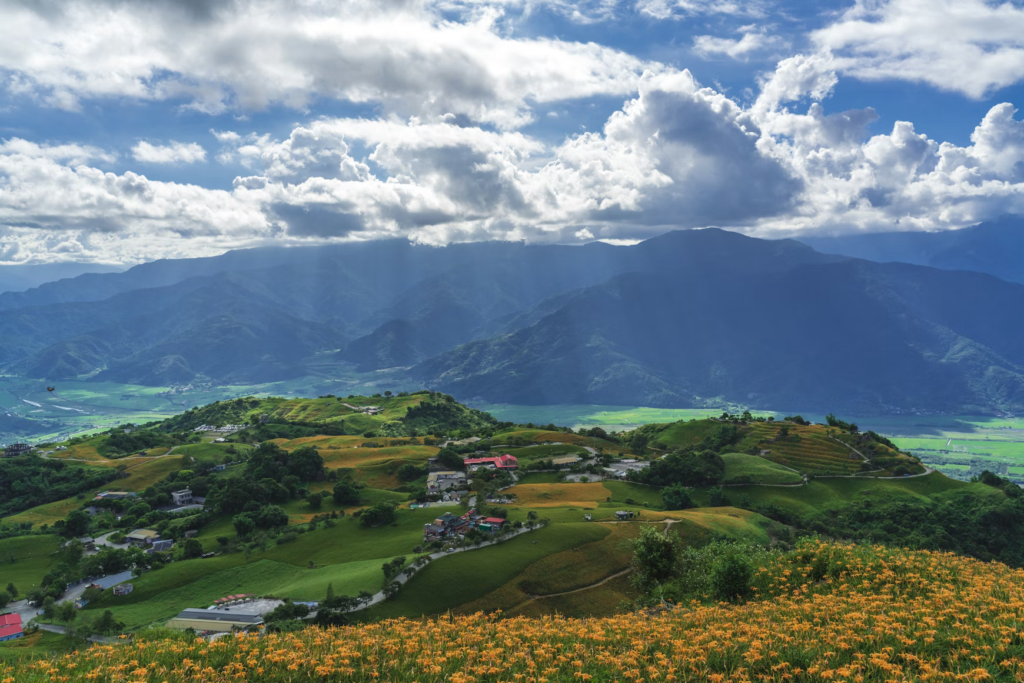
Summer (June to August): Hot and Humid, But Great for Beaches
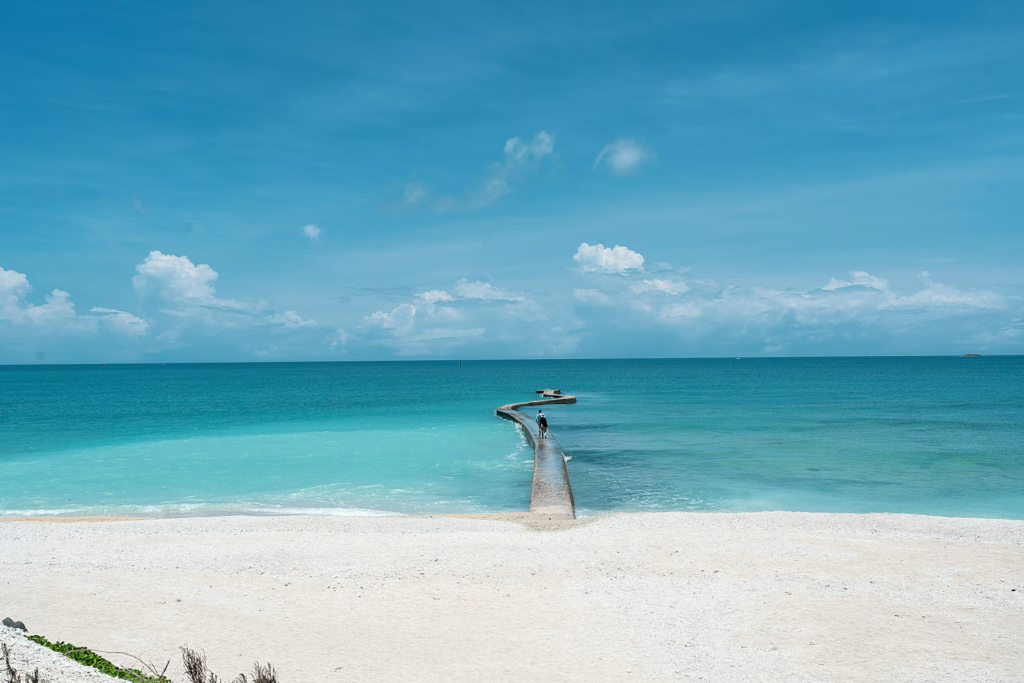
Summer in Taiwan is characterized by high temperatures and high humidity, with average temperatures ranging from 28°C to 34°C (82°F to 93°F). This can make outdoor activities uncomfortable, especially in the southern parts of Taiwan, which experience even hotter temperatures. The island also enters its typhoon season, with heavy rains and strong winds affecting coastal areas and the eastern part of Taiwan.
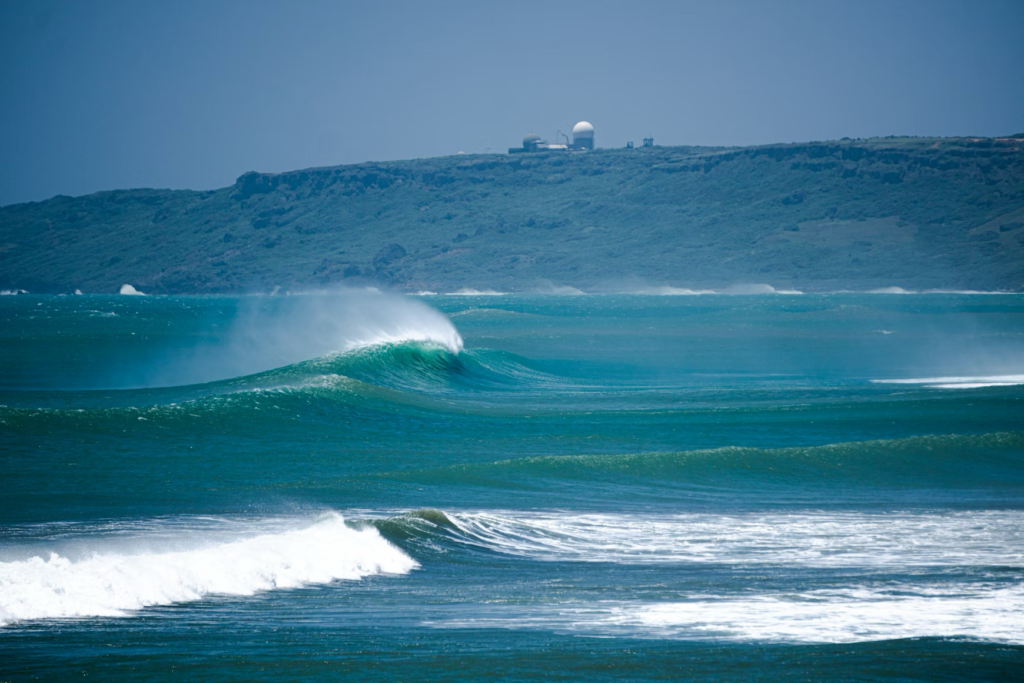
Despite the heat and occasional storms, summer is still a great time to visit Taiwan’s beaches, such as Kenting National Park in the south, which is known for its beautiful beaches and water sports. If you’re looking for coastal relaxation or water-based activities, this is a prime time to visit. However, be prepared for occasional disruptions due to typhoons and take necessary precautions.
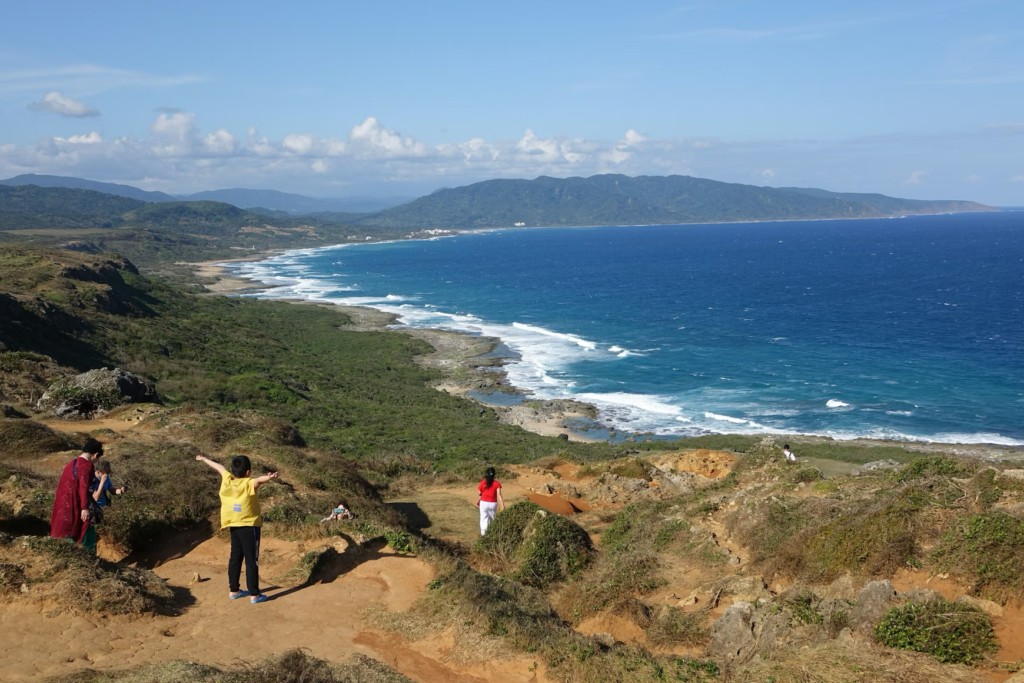
Fall (September to November): Ideal for Hiking and Cultural Exploration
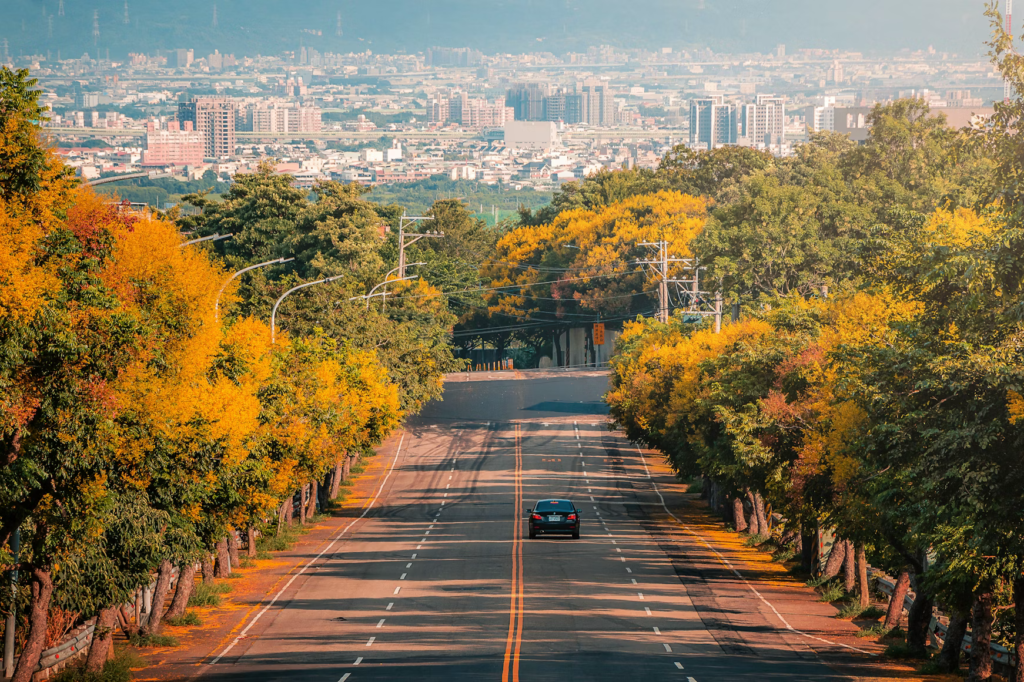

Fall is arguably the best time to visit Taiwan, particularly for outdoor enthusiasts and nature lovers. Temperatures range from 22°C to 27°C (72°F to 81°F), and the weather is comfortable with less humidity. The autumn months are dry and clear, making it perfect for hiking in Taiwan’s scenic mountains or exploring the many national parks.
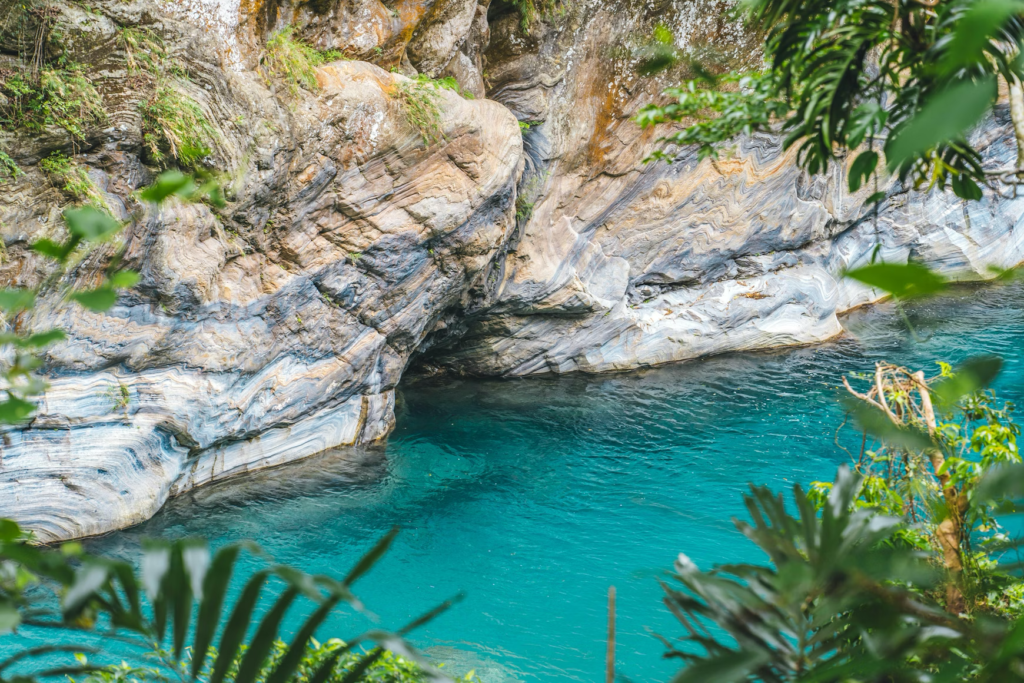
Alishan, Taroko Gorge, and Hehuan Mountain are popular destinations during the fall months, offering spectacular views of fall foliage and cooler hiking conditions. This is also a great time to explore Taiwan’s cities, such as Taipei and Tainan, where you can experience cultural attractions like temples, markets, and museums without the intense summer heat.
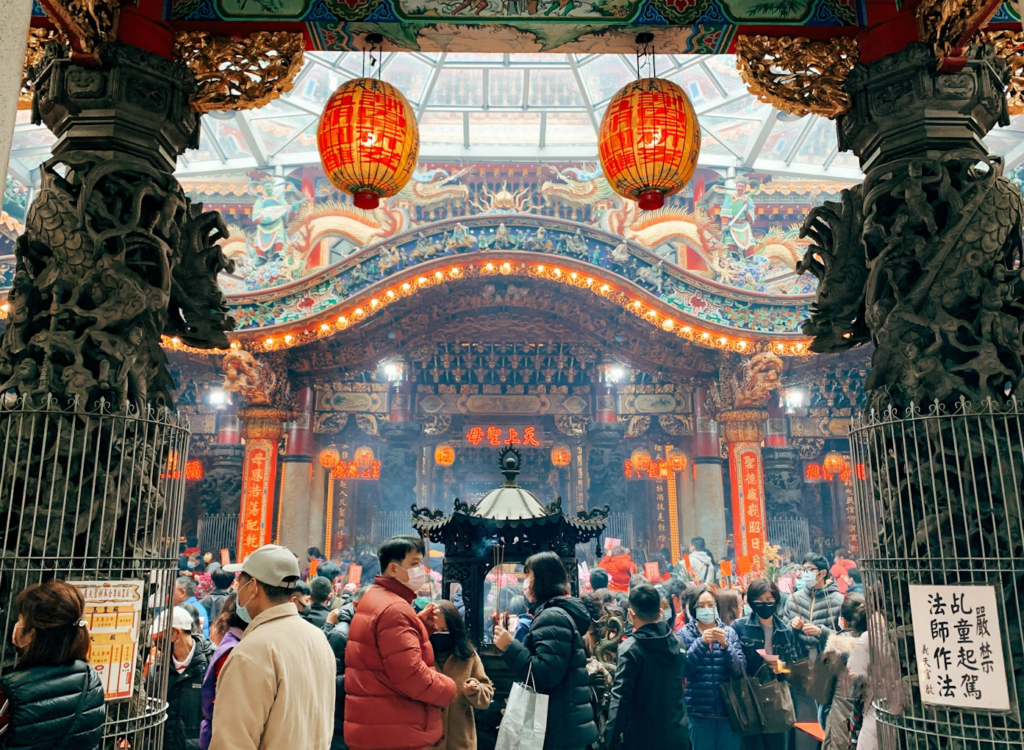
In addition to the weather, fall is also the time for several major festivals, including Taiwan’s National Day in October and Mid-Autumn Festival, a time when families gather to celebrate the harvest. These festivals are an excellent opportunity to immerse yourself in local traditions and enjoy Taiwanese food and cultural performances.
Winter (December to February): Cooler Temperatures and Fewer Crowds
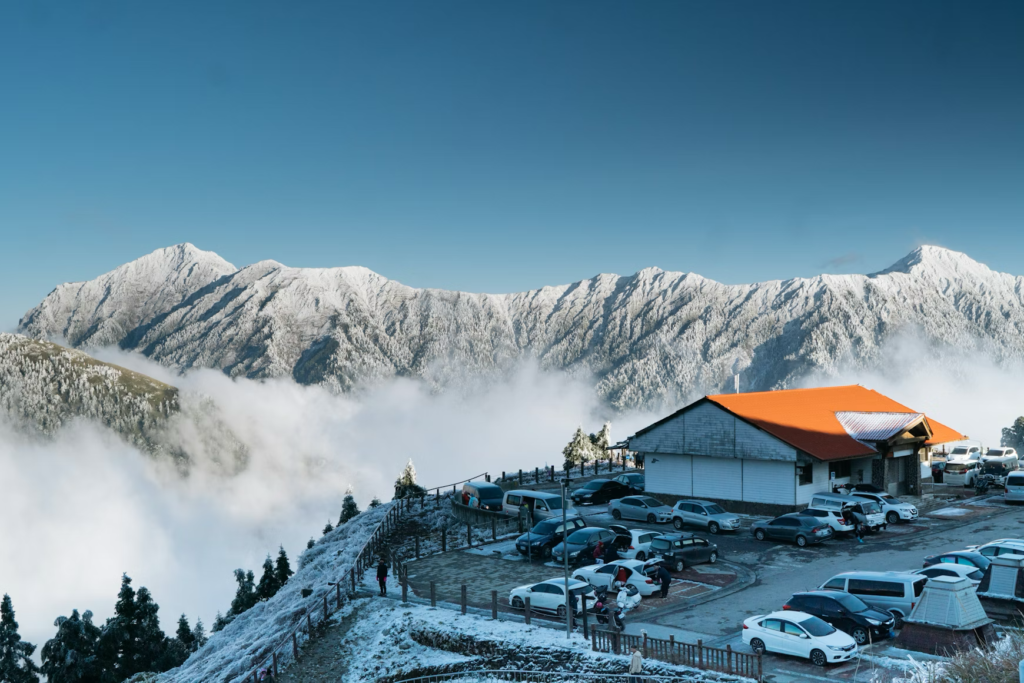
Winter in Taiwan is relatively mild compared to other countries, with temperatures ranging from 15°C to 20°C (59°F to 68°F) in the lowlands. However, the mountainous regions can experience much cooler weather, with occasional snowfall in places like Hehuan Mountain and Alishan. This makes winter a great time for visitors who enjoy cooler weather and winter sports.

Winter is considered the off-season in Taiwan, which means fewer tourists, lower accommodation prices, and a more relaxed atmosphere. If you’re interested in cultural experiences, this is a good time to visit Taiwan’s temples, hot springs, and museums. The Lunar New Year, which usually falls in January or February, is also a major cultural event, and while many businesses may close for the holiday, the celebrations are vibrant and worth experiencing.
Best Activities by Season: Tailoring Your Experience
Hiking and Nature Exploration
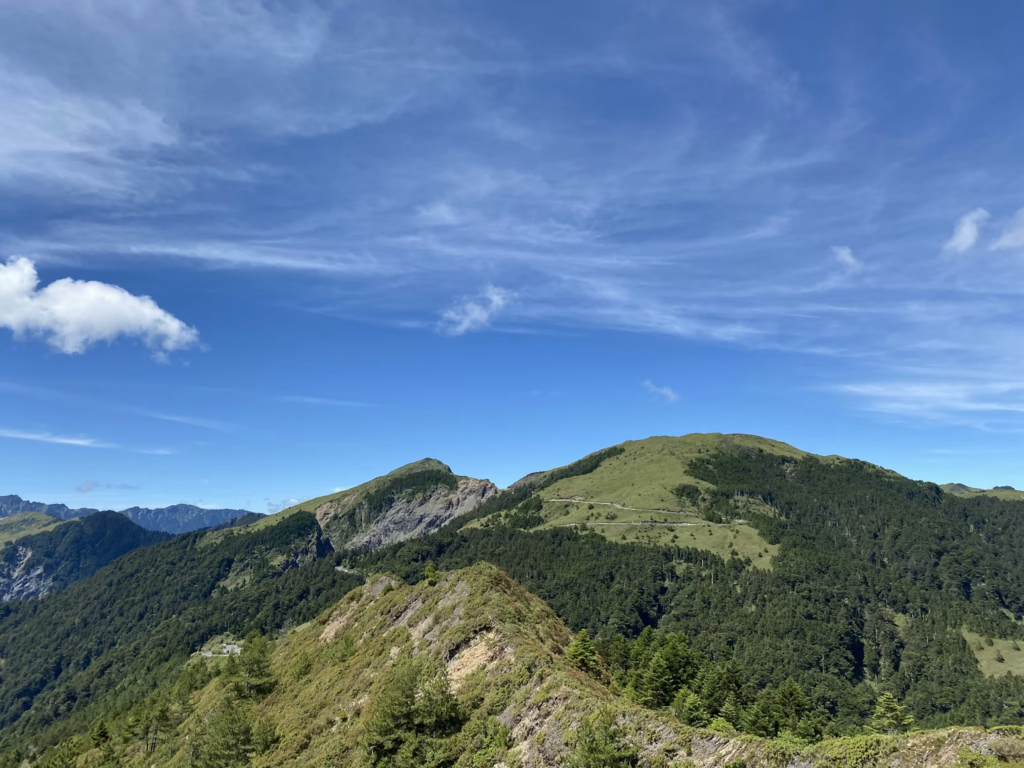

For hikers, the best time to explore Taiwan’s scenic mountain trails is during the spring and fall. These seasons offer moderate temperatures and clear skies, making it ideal for long treks in the mountains. Popular hikes, such as Taroko Gorge or Yushan (Jade Mountain), are more enjoyable during these months, as the conditions are less strenuous than during the hot, humid summer.
Beach and Water Activities
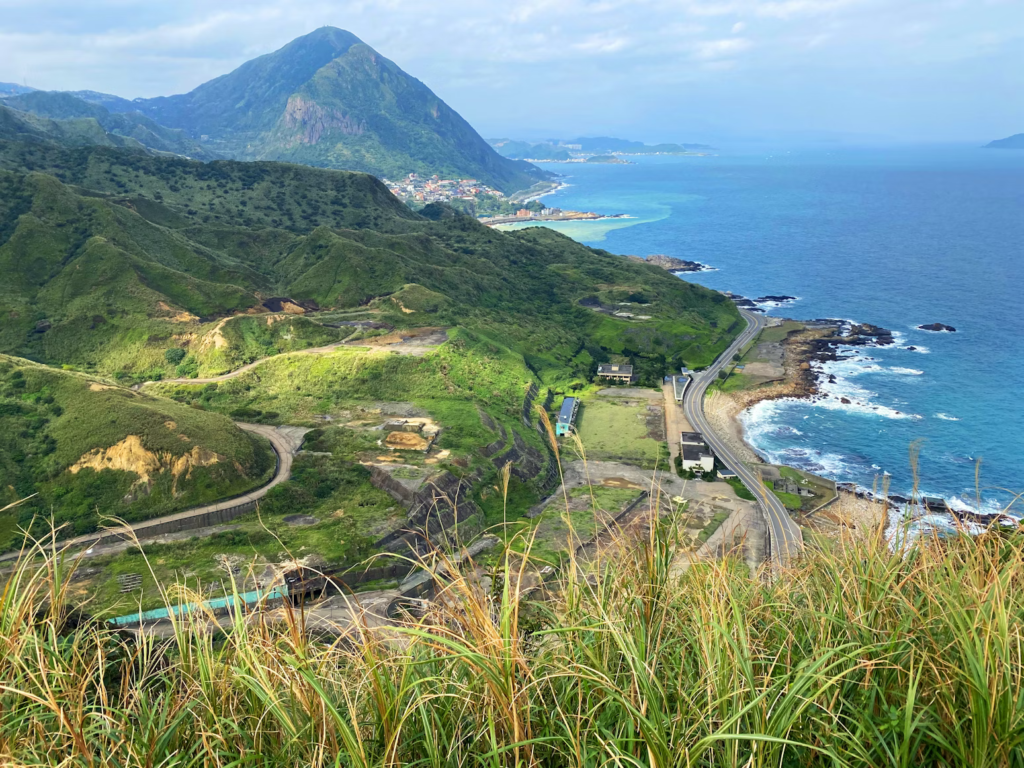
For beach lovers and water sports enthusiasts, the summer months are the most suitable. Areas like Kenting, Green Island, and Orchid Island offer some of the best beaches in Taiwan. While summer temperatures can be intense, the coastal areas tend to have cooling sea breezes, making them a refreshing escape. However, keep in mind the possibility of typhoons, which can disrupt travel plans and activities. It’s important to stay updated on the weather forecast if you’re visiting during this period.
Festivals and Cultural Events


If you’re looking to experience Taiwan’s vibrant cultural scene, consider visiting during the fall for events like the Mid-Autumn Festival or Taiwan’s National Day celebrations. These festivals are a great way to experience Taiwanese traditions, local food, and music. The Chinese New Year (occurring between January and February) is another exciting time to visit, but it’s important to note that many businesses close for the holiday, and transportation can be crowded, especially around major cities.
Hot Springs and Relaxation
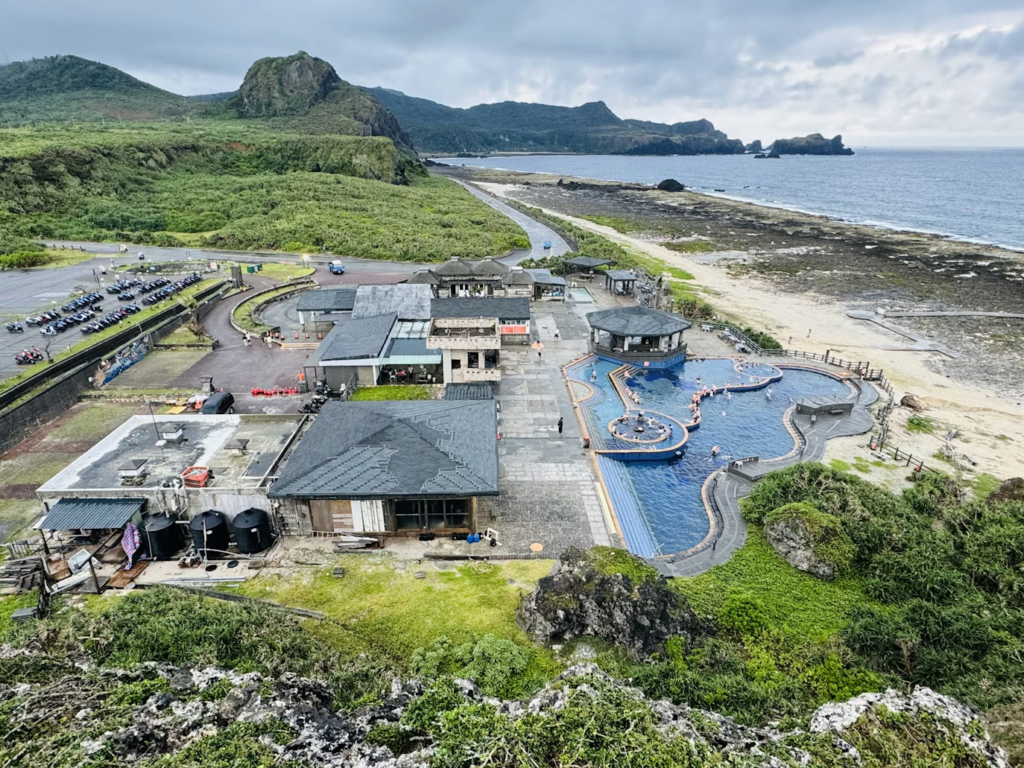
Winter is the perfect time for visiting Taiwan’s hot springs, particularly in areas like Beitou, Wulai, and Yangmingshan. The cooler temperatures make soaking in a hot spring particularly enjoyable. The region’s geothermal activity means you can enjoy these relaxing experiences year-round, but winter’s chill adds to the overall experience, making it a tranquil and rejuvenating activity.
Managing Typhoon Season: What to Know
The typhoon season, which typically runs from June to September, can bring heavy rains, high winds, and disruptions to outdoor activities. While typhoons don’t hit Taiwan every year, they’re an important factor to consider when planning your trip. If you’re visiting during this period, it’s advisable to:
- Stay updated on weather forecasts and typhoon warnings.
- Be flexible with your itinerary in case outdoor activities are canceled or altered due to storm conditions.
- Opt for indoor activities like visiting museums, shopping malls, or hot springs during the worst weather.
Though it may not be the ideal time for outdoor exploration, Taiwan’s vibrant culture and indoor attractions still make it a worthwhile destination during the typhoon season if you prepare properly.
Conclusion: When to Visit Taiwan
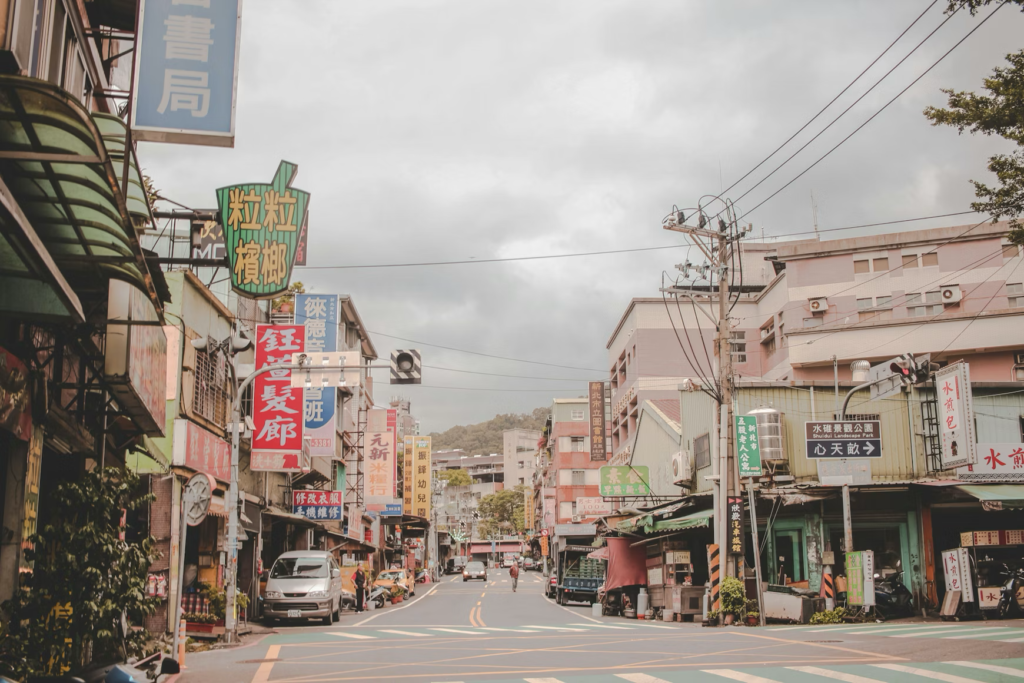
The best time to visit Taiwan largely depends on your preferences for weather, activities, and local events. Spring and fall are the most comfortable times to explore the island’s natural beauty, with mild weather perfect for hiking and sightseeing. Summer is ideal for beach activities and water sports, although the risk of typhoons should be considered. Winter, with its cooler temperatures, offers fewer crowds, and it’s a great time to relax in hot springs or explore cultural sites at a slower pace.
By understanding Taiwan’s seasonal variations and aligning them with your interests, you can plan a trip that offers the experiences you’re looking for. Whether it’s hiking in the mountains, experiencing a vibrant festival, or simply relaxing by the beach, Taiwan’s diverse offerings make it a year-round destination for all types of travelers.
