



Italy is a country that has something for everyone, whether you’re interested in its world-renowned art, rich history, delicious food, or breathtaking landscapes. The timing of your visit can significantly enhance your experience, as Italy’s regions vary greatly in climate and cultural events throughout the year. Understanding the best time to visit, based on weather, festivals, and crowd levels, will help you plan an unforgettable trip. This guide provides detailed seasonal insights to help you decide the ideal time to explore Italy, whether you’re seeking pleasant weather, fewer tourists, or cultural events.
Understanding Italy’s Climate: Regional Variations and Seasonal Differences

Italy’s climate is diverse due to its geographical features, stretching from the alpine regions in the north to the Mediterranean coastline in the south. The country experiences four distinct seasons: spring, summer, autumn, and winter. Understanding the seasonal shifts across Italy’s different regions will allow you to choose the best time based on your personal preferences, whether you’re interested in beach vacations, wine tours, skiing, or cultural festivals.
Spring (March to May): Mild Temperatures and Blossoming Beauty
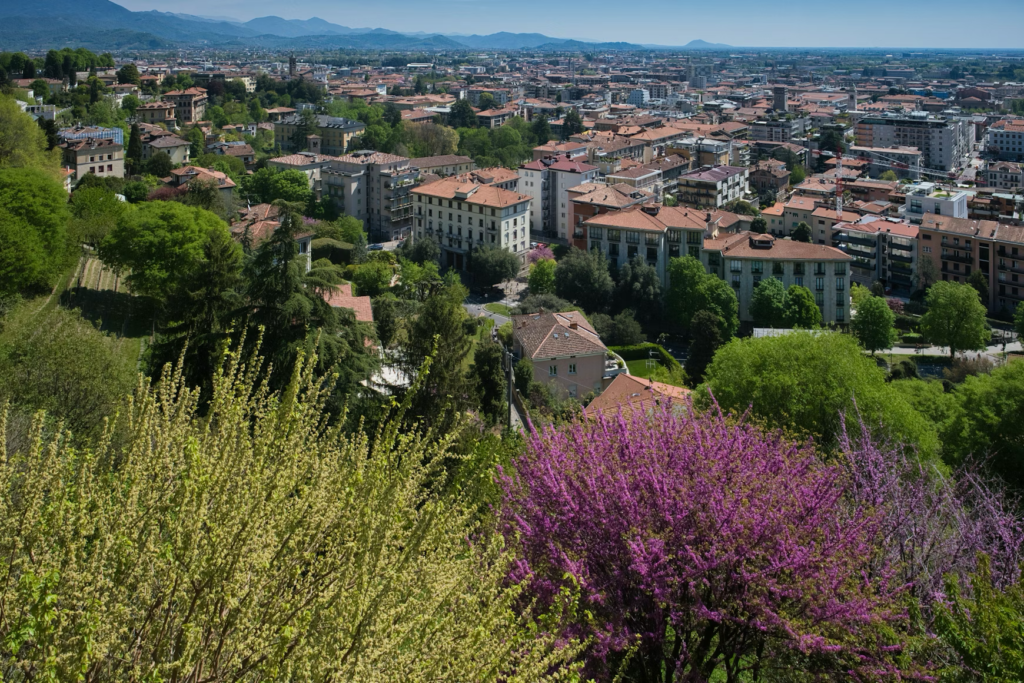

Spring is one of the most favorable times to visit Italy. The weather during this season is generally mild, with temperatures ranging from 10°C to 20°C (50°F to 68°F), making it ideal for outdoor activities and sightseeing. The landscape starts to bloom, and gardens in cities like Rome, Florence, and Milan showcase their springtime beauty. During this period, Italy is not yet swamped with the summer crowds, offering a more relaxed atmosphere at popular attractions.
Spring is also the season for several cultural and culinary events. For instance, the Easter celebrations in Rome or the Milan Furniture Fair attract international visitors. In Tuscany, spring is a perfect time to enjoy the rolling hills and vineyards, with the added bonus of lower accommodation rates before the summer peak.
Summer (June to August): Warm Weather, Festivals, and Crowds
Summer in Italy can be hot, with temperatures reaching 30°C to 40°C (86°F to 104°F), especially in southern regions like Sicily and Naples. While this is the peak tourist season, with bustling cities, crowded beaches, and high demand for accommodations, summer offers an abundance of outdoor festivals and events, making it a lively time to visit.

For beach lovers, the Amalfi Coast, Cinque Terre, and Sardinia are especially appealing during the summer months, with long sunny days perfect for coastal activities. In cities like Venice and Florence, you can experience summer concerts, outdoor theater performances, and open-air festivals, such as the Venice Film Festival or the Pisa Opera Festival. However, be prepared for higher prices and long queues at famous attractions like the Colosseum and Vatican Museums in Rome.


Autumn (September to November): Comfortable Temperatures and Wine Harvests


Autumn is perhaps the best time to visit Italy, especially for those who enjoy pleasant weather, fewer crowds, and cultural events. Temperatures are comfortable, typically ranging from 12°C to 22°C (54°F to 72°F), and the fall foliage in places like Tuscany and Umbria creates a picturesque backdrop for outdoor activities. This season is ideal for exploring the countryside, visiting wineries, and experiencing the annual harvest festivals.
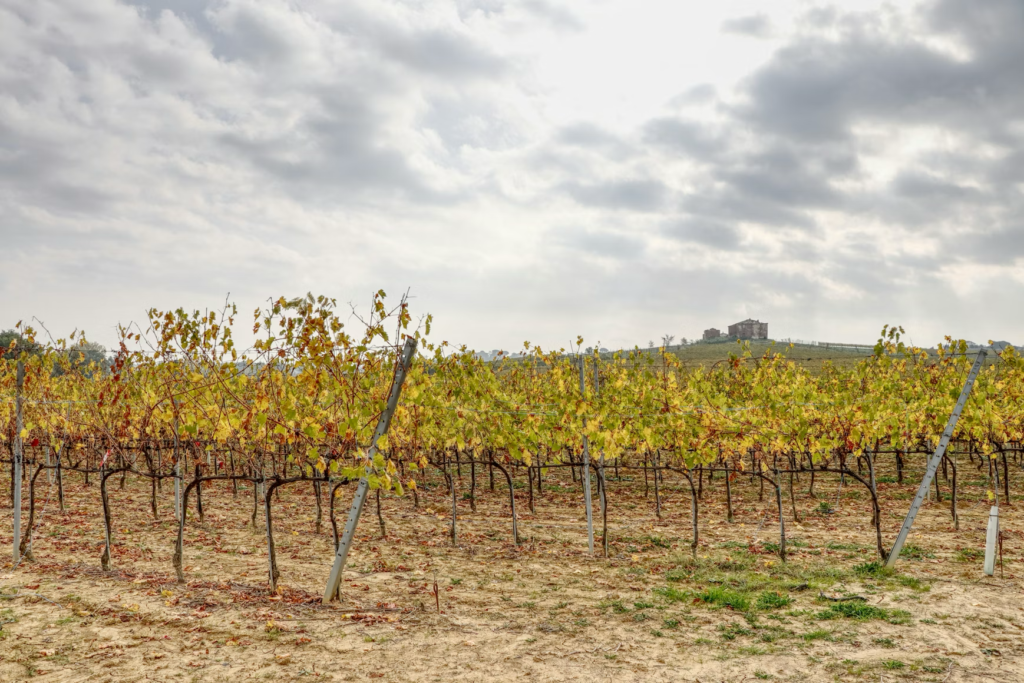
The grape harvest is a major event in Italy’s wine regions, such as Chianti and Barolo, where wine lovers can take part in tastings and harvest celebrations. The autumn months also host several food festivals, including truffle festivals in Piedmont and Umbria, making it a great season for culinary travelers.

This is also the perfect time for those who want to explore popular cities without the overwhelming summer crowds. While still a busy season, autumn provides a more relaxed atmosphere for visiting Rome, Florence, and Milan, as well as exploring cultural landmarks like the Uffizi Gallery and St. Peter’s Basilica.
Winter (December to February): Cold but Cozy, with Festive Magic
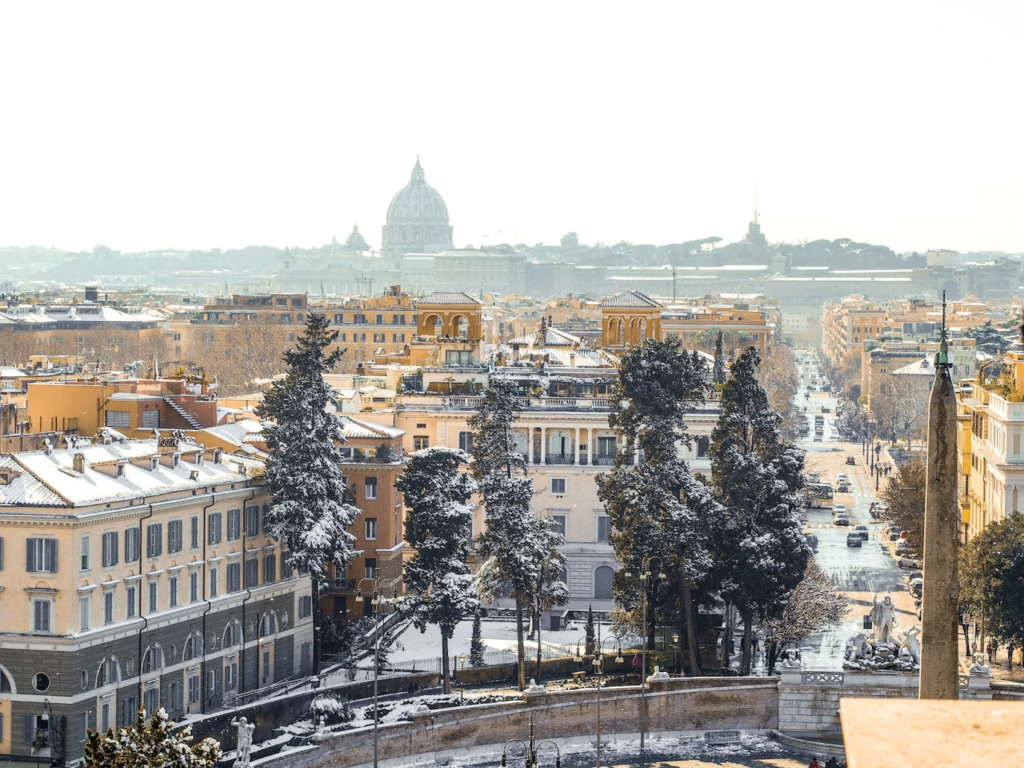
Winter in Italy offers a completely different experience compared to other seasons. Temperatures in the north can drop to around 0°C to 7°C (32°F to 45°F), while the south remains relatively mild, particularly in places like Sicily and Sardinia. This is a great season for travelers who enjoy winter sports or those looking for a more peaceful, low-key visit to Italy’s cities.
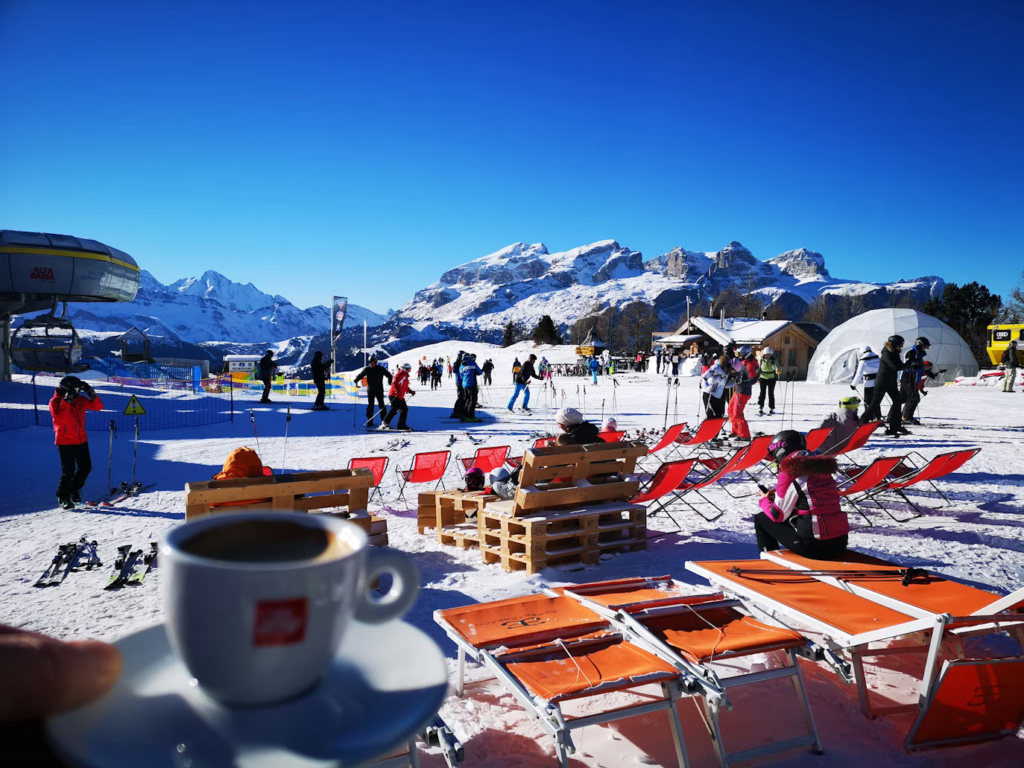

Northern Italy’s ski resorts, like Cortina d’Ampezzo and Val Gardena, become popular destinations for skiing and snowboarding during the winter months. The winter months also see fewer tourists in major cities, allowing for a more intimate experience when exploring attractions like the Sistine Chapel or the Pantheon in Rome.
The holiday season, particularly Christmas, brings a special magic to cities like Florence and Naples, with Christmas markets, lights, and festive decorations. New Year’s Eve in Venice and Rome also offers unique celebrations, including fireworks and street parties, though be prepared for cold, crisp weather.
Best Time for Specific Interests
The ideal time to visit Italy can depend largely on your interests. Whether you’re a food lover, outdoor enthusiast, or festival seeker, understanding the timing of key activities and regional offerings is crucial.
Wine and Food Tours: Harvest Season in Autumn


If your focus is on wine and food, autumn (September to November) is the best time to visit. During this season, vineyards across Tuscany, Piedmont, and the Veneto region are in full harvest mode, offering wine tours and tastings. The cooler temperatures make it perfect for enjoying rich Italian meals, such as truffle-based dishes and hearty stews. Wine festivals in Tuscany, Piedmont, and Umbria are highlights of the fall season, allowing visitors to enjoy local delicacies paired with freshly harvested wines.
Beach Vacations: Summer for Coastal Regions

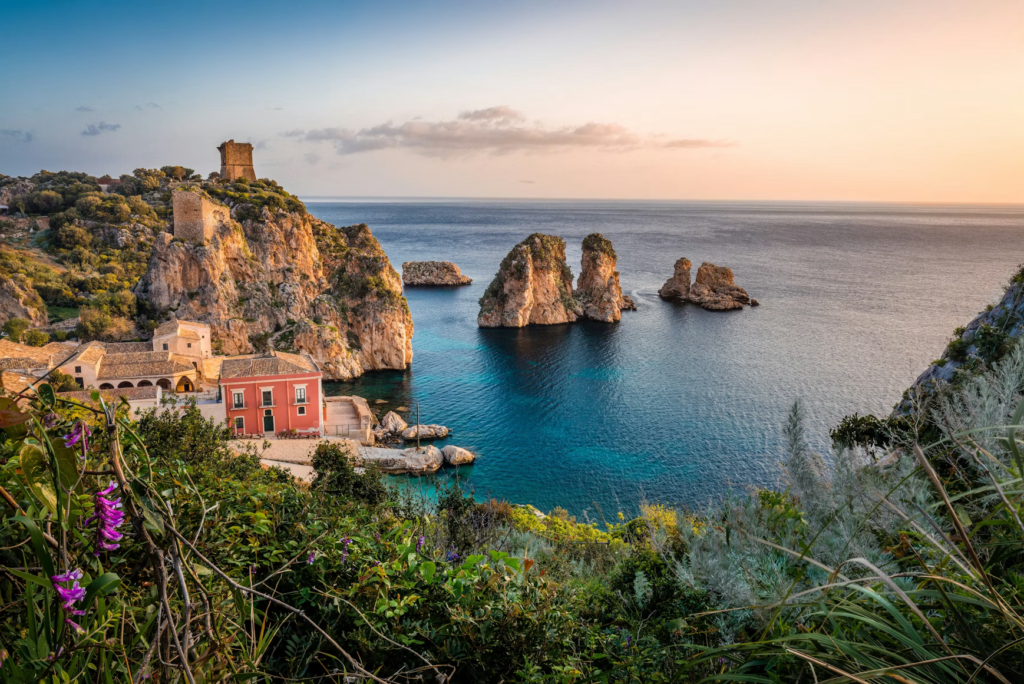
For those looking to spend time at the beach, summer is the prime time to visit regions like the Amalfi Coast, Sicily, and Sardinia. Expect sunny, hot weather ideal for lounging on the beach, swimming in the Mediterranean, and enjoying seaside dining. While this is the busiest time, the coastal regions offer beautiful landscapes and a vibrant atmosphere that many travelers associate with Italy’s famous beach lifestyle.
Festivals and Cultural Events: Spring and Summer for Celebrations

For festival lovers, spring and summer are the best seasons to experience Italy’s vibrant cultural calendar. From Carnival in Venice in February to the Palio di Siena (horse race) in July and August, Italy is packed with events celebrating its rich cultural heritage. Milan Fashion Week in February and September also brings international flair, with a strong emphasis on design and fashion.

While festivals in the summer can be crowded, spring offers a fantastic balance of great weather and key cultural celebrations without the overwhelming tourist numbers. Spring is a great time to visit Florence for art exhibitions, the Siena Palio for a unique cultural experience, or the Rome Opera Festival for those interested in performances.
Skiing and Winter Sports: Winter in the Alps and Dolomites
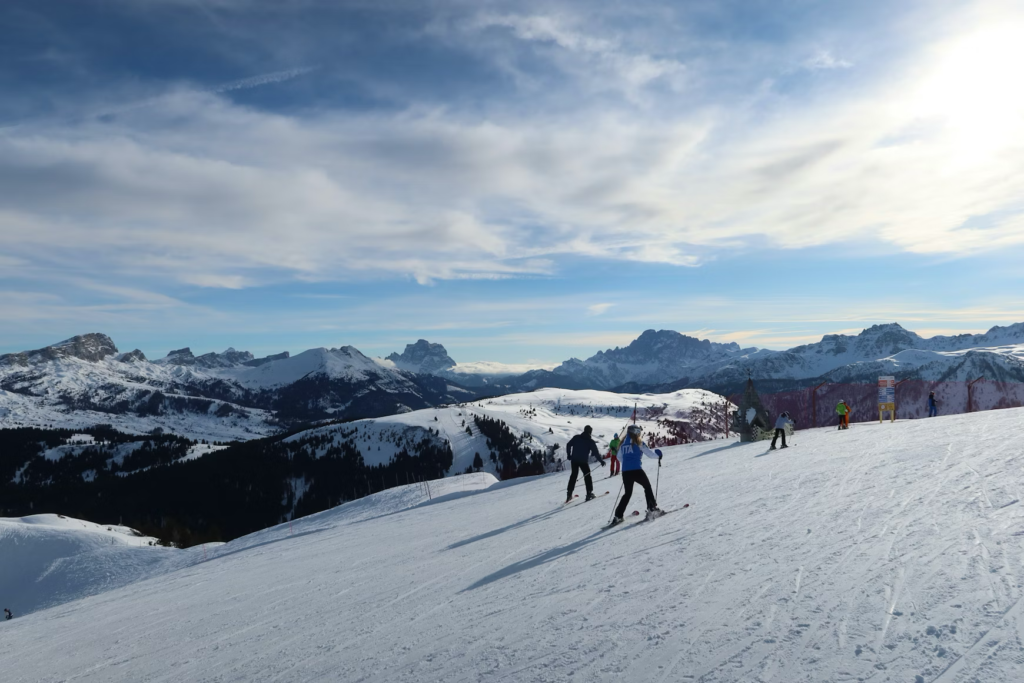
For winter sports enthusiasts, winter (December to February) is the ideal time to visit the Alps and Dolomites in northern Italy. Regions like Val d’Aosta, Trentino, and South Tyrol are known for their world-class ski resorts. With snow-covered peaks and excellent skiing conditions, these areas attract tourists looking to enjoy skiing, snowboarding, or snowshoeing.
The winter months are also great for experiencing Italy’s charming Christmas markets, especially in the Trentino-Alto Adige region, where the markets are beautifully set against snow-covered alpine backdrops.
Conclusion: Choosing the Best Time to Visit Italy
The best time to visit Italy depends on your interests, the activities you want to experience, and your preference for weather and crowds. Spring and fall offer the best balance of mild weather, fewer crowds, and excellent opportunities for sightseeing and food and wine tours. Summer is ideal for beach vacations and cultural festivals, though expect more tourists and higher prices. Winter offers a quieter, more relaxed experience in cities, with the added appeal of skiing in the Alps and Dolomites.
By considering the season that aligns with your travel goals, whether you’re after festivals, wine tours, beach escapes, or winter sports, you can plan a trip to Italy that maximizes your enjoyment, weather conditions, and overall experience.
