



Germany is a country that offers a rich tapestry of experiences throughout the year. From the cultural celebrations in the winter months to the hiking opportunities in the summer, choosing the best time to visit Germany can make all the difference in your travel experience. Understanding Germany’s weather patterns, seasonal events, and local festivals will help you decide the most suitable time to explore the country, whether you’re seeking vibrant festivals, scenic landscapes, or outdoor adventures. This guide will provide you with seasonal insights, tips, and recommendations for a memorable trip to Germany.
Understanding Germany’s Seasons: Key Weather and Regional Variations
Germany experiences four distinct seasons, each offering different types of activities and weather conditions. From the winter chill in the Alps to the mild and temperate weather of the North Sea coast, understanding regional variations is crucial when planning your visit.
Spring (March to May): A Time for Mild Weather and Blossoming Landscapes


Spring is an excellent time to visit Germany for travelers who prefer mild temperatures and fewer crowds. Temperatures range from 5°C to 20°C (41°F to 68°F), with conditions ideal for outdoor activities like sightseeing, walking tours, and exploring the countryside. This is when the cherry blossoms bloom in cities like Bonn, and many parks across the country come alive with vibrant flowers and greenery.

Spring is also when beer gardens and outdoor markets begin to reopen, especially in Munich and Nuremberg, making it an ideal season for cultural exploration. Additionally, Easter festivals in Bavaria and the Black Forest celebrate the season with traditional music, local food, and crafts. This period provides a balance between great weather and fewer tourists compared to the summer months.
Summer (June to August): Warm Weather and Peak Travel Season

Summer is the most popular time to visit Germany, offering warm weather (15°C to 25°C / 59°F to 77°F), making it ideal for outdoor activities such as cycling, hiking, and exploring Germany’s picturesque cities and towns. However, summer is also peak season, which means popular tourist spots like Munich, Berlin, and Hamburg can be crowded, and hotel prices may be higher.

During this time, Oktoberfest in Munich kicks off early in the autumn, attracting thousands of tourists to experience German beer culture, traditional food, and festivities. Cities like Cologne and Düsseldorf also host summer music festivals, and the Rhine Valley comes alive with boat cruises offering scenic views of castles, vineyards, and charming villages. For those seeking a lively and event-filled experience, summer is the best time to visit.
Autumn (September to November): Ideal for Wine Lovers and Quiet Exploration

Autumn in Germany is one of the most beautiful times to visit, with temperatures ranging from 10°C to 18°C (50°F to 64°F). The fall foliage in regions like the Black Forest and Bavaria creates a stunning backdrop for hiking, cycling, and photography. If you’re interested in wine, the Rhine Valley and Moselle River regions hold wine harvest festivals and offer wine-tasting opportunities, where visitors can sample Germany’s finest wines.


With the summer crowds dispersing, autumn is an excellent time for a more relaxed and budget-friendly visit. Cities like Munich and Frankfurt host cultural events and beer festivals, and the Oktoberfest (if it falls in late September or early October) is one of the most famous events for enjoying authentic German food, music, and dancing.
Winter (December to February): Cold Weather, Winter Sports, and Christmas Markets

Germany in the winter transforms into a winter wonderland, especially in cities like Munich, Nuremberg, and Cologne, where Christmas markets take center stage. The cold temperatures (ranging from -5°C to 5°C / 23°F to 41°F) make it perfect for those looking to experience a festive atmosphere, with traditional Christmas markets offering everything from mulled wine and gingerbread cookies to handmade ornaments and holiday crafts.

For winter sports enthusiasts, the Alps and Bavaria are the places to be. Popular ski resorts in Garmisch-Partenkirchen and Zugspitze offer excellent skiing and snowboarding opportunities. Ice skating, sledding, and snowshoeing are also popular winter activities in many parts of the country. Though the weather can be cold and snowy, the holiday charm and opportunities for winter activities make winter a magical time to visit.
Festivals and Events: When to Visit for Unique Experiences
Spring and Summer Festivals: Celebrating German Culture
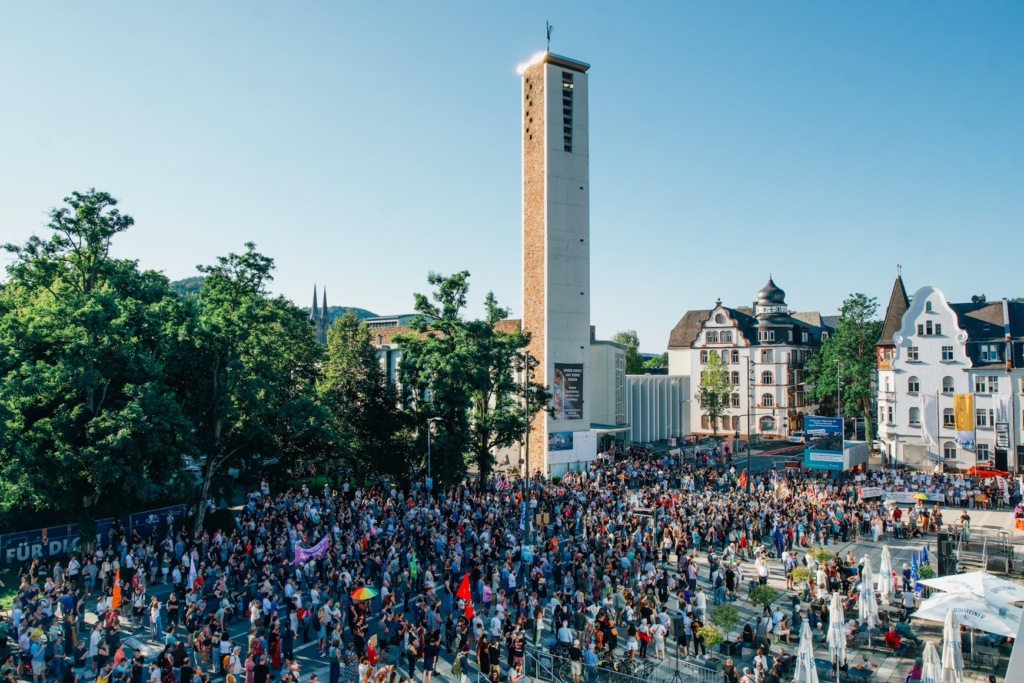
Spring and summer are festival seasons in Germany, with Oktoberfest in Munich marking the climax in late September. This famous beer festival attracts millions of visitors from all over the world. However, summer also brings a wide variety of music festivals and cultural events. Cities like Berlin and Düsseldorf host open-air concerts and art exhibitions, making these months ideal for experiencing Germany’s arts and entertainment scene.
Autumn Wine Festivals: Perfect for Culinary Travelers
Autumn is an excellent time for food and wine lovers, particularly in regions like the Rhine Valley and Moselle Valley, where the wine harvest season takes place. Along with harvest festivals, you’ll find wine-tasting events, local markets, and the opportunity to explore vineyards at their most beautiful. The festivals offer a taste of authentic German culture and its centuries-old wine tradition.
Winter Christmas Markets: A Festive Wonderland


For those interested in experiencing the magic of winter, Germany’s Christmas markets are world-renowned. Cities like Nuremberg, Cologne, and Munich host Christkindlmarkts: traditional Christmas markets where you can enjoy festive treats, local crafts, and holiday-themed entertainment. Winter is also the time for New Year’s Eve celebrations in major cities, including fireworks displays and public festivities, particularly in Berlin.
Best Time for Specific Activities
Hiking and Cycling: Spring, Summer, and Autumn

Germany offers diverse landscapes perfect for hiking and cycling. Spring and autumn are the best seasons for outdoor exploration, offering pleasant weather and fewer crowds than summer. The Black Forest and Bavarian Alps are particularly popular for scenic hiking and cycling routes.
Winter Sports: Skiing and Snowboarding in Winter


If you’re interested in winter sports, the German Alps and Bavaria offer some of the best ski resorts in Europe, with Garmisch-Partenkirchen and Zugspitze being top destinations for skiing, snowboarding, and other snow activities. Snowshoeing and sledding are also popular in regions with heavy snowfall during the winter months.
City Tours: Summer and Autumn
Visiting major cities like Berlin, Frankfurt, and Hamburg is best during spring, summer, and autumn when the weather is conducive to sightseeing. Walking tours, museum visits, and exploring local neighborhoods are highly enjoyable during these milder months.
Planning Your Trip: Additional Tips

Accommodation Considerations
Accommodation prices in Germany can vary greatly depending on the season. Summer and Christmas are peak seasons, so it’s wise to book hotels and accommodations well in advance, especially if you plan to visit during Oktoberfest or the Christmas markets. For budget-conscious travelers, spring and autumn offer lower rates and fewer crowds, making it an ideal time to visit if you’re looking to save money.
Packing for Germany’s Seasons
Packing for your trip to Germany largely depends on the season of your visit. In winter, be sure to bring warm clothing, including insulated jackets, scarves, gloves, and boots, especially if you’re planning to engage in outdoor activities or visit the Alps for skiing. During spring and autumn, layers are essential as the weather can fluctuate, so include items like a light jacket, comfortable shoes for walking, and an umbrella. For summer, lightweight clothing and sunscreen will be necessary, particularly if you plan to enjoy outdoor festivals or visit the beach along the Baltic Sea.
Conclusion: Finding Your Perfect Time to Visit Germany

Germany offers a variety of experiences throughout the year, with each season offering its own unique advantages. Whether you’re interested in outdoor activities, festivals, or simply exploring the country’s cultural treasures, planning your trip around the best season will help maximize your experience. By understanding the seasonal weather, festivals, and activities available, you can tailor your visit to suit your personal preferences, ensuring an unforgettable adventure in Germany.
