



Italian cuisine is one of the most beloved and diverse food traditions in the world. Known for its fresh ingredients, simple preparation, and rich flavors, Italian food offers a culinary experience like no other. Whether you’re traveling to Italy for the first time or revisiting its gastronomic delights, understanding what to try and where to find the best versions of these dishes will enhance your journey. From iconic pastas and pizzas to regional specialties, this guide will help you navigate Italy’s culinary landscape and make the most of your food experiences.
Exploring the Regional Diversity of Italian Cuisine
Italian cuisine is highly regional, with each area of the country boasting its own specialties, ingredients, and cooking methods. From the rich, buttery dishes of the north to the vibrant, sun-soaked flavors of the south, Italian cuisine reflects the country’s geography and cultural history. Exploring regional specialties is one of the highlights of visiting Italy, as it offers a deep dive into the local culture and traditions.
Northern Italy: Rich and Hearty Flavors
In northern Italy, the cuisine is influenced by the cooler climate, with a focus on creamy sauces, risottos, and hearty meats. Lombardy, Piedmont, and Veneto are known for their rich, buttery dishes and extensive use of cheese, cream, and rice.
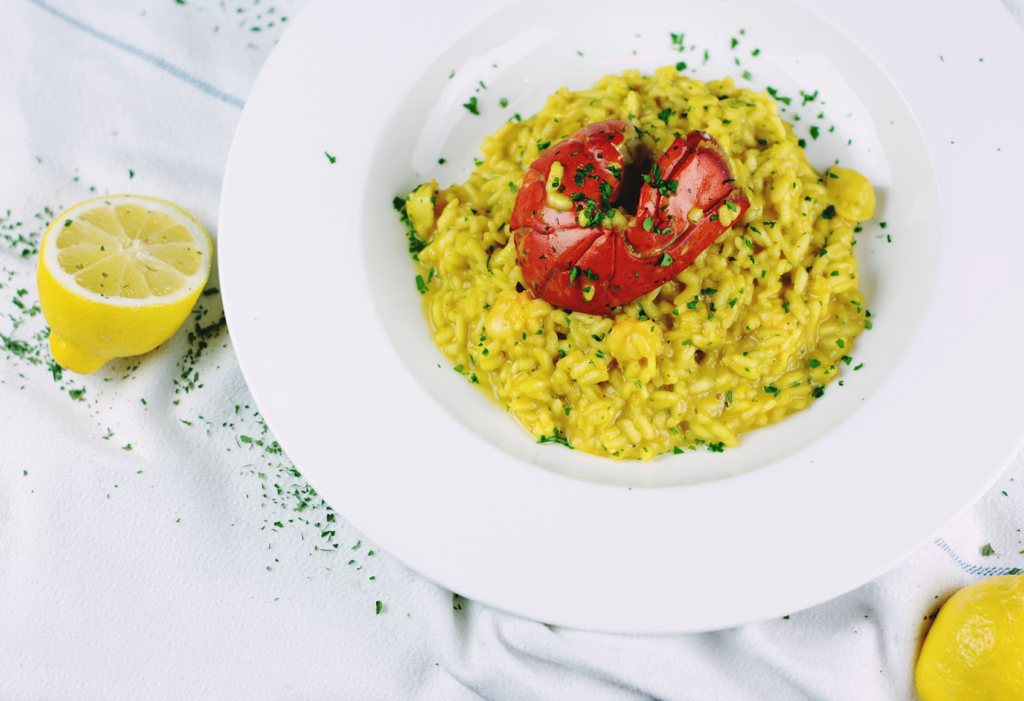
Risotto alla Milanese is a quintessential dish from Milan, this creamy risotto is made with saffron, giving it a beautiful golden color and a delicate flavor. The dish is rich and satisfying, perfect for colder months. Bagna Cauda, originating in Piedmont, is a warm dip made of garlic, anchovies, and olive oil, often served with vegetables and perfect for sharing during a meal.

Tajarin is a traditional Piedmontese pasta served with rich butter and truffles or ragù. It’s a delicate and luxurious dish, typical of the region’s high-end dining culture. In these northern regions, polenta (cornmeal) and cured meats such as bresaola are also commonly found on menus.
Central Italy: Simple, Flavorful Dishes
The cuisine of Central Italy, which includes regions like Tuscany, Lazio, and Umbria, focuses on fresh ingredients and simple preparation. This is the heart of traditional Italian cooking, where fresh tomatoes, olive oil, and herbs are central.

Pappardelle al Cinghiale is a classic Tuscan dish, this pasta is served with a rich wild boar ragù, bringing together the flavors of the region’s forests and rolling hills. Saltimbocca alla Romana, originating from Rome, is made with veal, prosciutto, and sage, all cooked together in a delicate sauce. It’s a perfect example of Lazio’s reliance on simple, fresh ingredients that elevate the flavors.
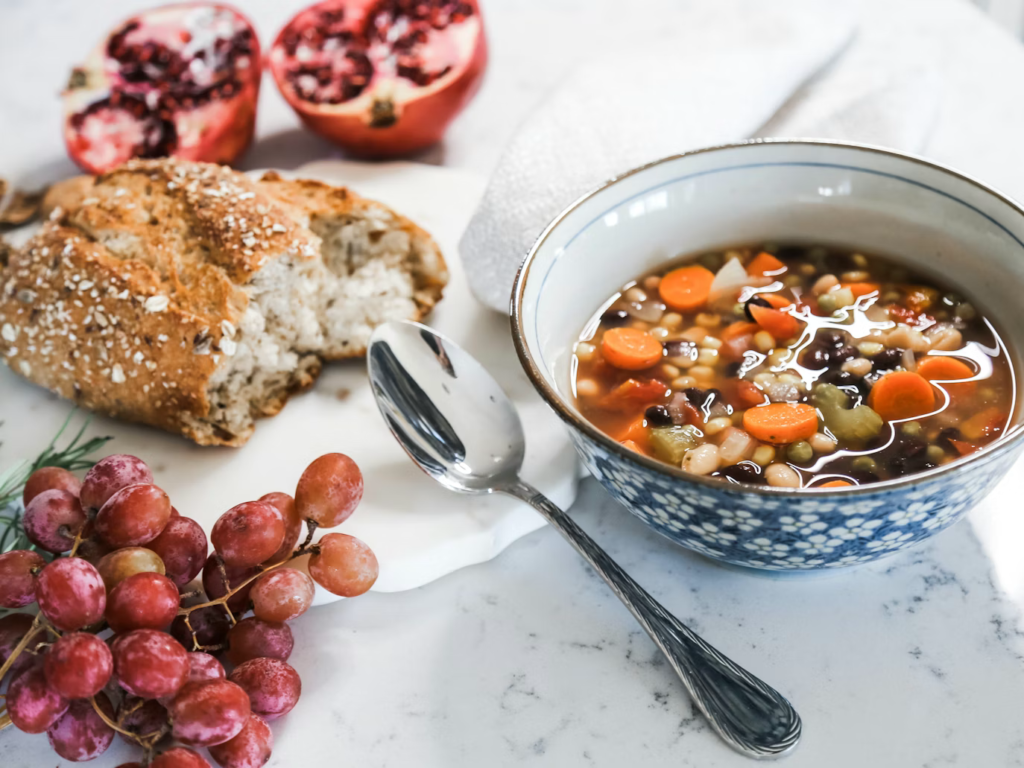
Ribollita, a Tuscan vegetable soup made from bread, beans, and cabbage, is a hearty dish that embodies the region’s rustic, peasant-style cooking. It’s traditionally eaten in the winter months. The central regions are also famous for their olive oil, cheeses like Pecorino Romano, and wine varieties such as Chianti and Brunello di Montalcino.
Southern Italy: Vibrant, Mediterranean Flavors
In Southern Italy, the food is characterized by fresh produce, bold flavors, and the influence of Mediterranean ingredients. Regions such as Sicily, Campania, and Puglia are known for their vibrant dishes made with tomatoes, garlic, citrus, and fresh seafood.

Pizza Napoletana, originating from Naples, is the most famous Italian pizza, with a thin, chewy crust topped with simple, fresh ingredients like tomato sauce, mozzarella di bufala, and basil. The balance of flavors in a classic pizza napoletana makes it one of Italy’s most iconic dishes.

Arancini, deep-fried rice balls filled with ragù, cheese, and peas, are a favorite street food in Sicily. These crispy treats are perfect for a quick snack or meal on the go. Caponata, a Sicilian eggplant dish made with tomatoes, celery, and olives, is a delicious blend of sweet and sour flavors, often served as an appetizer or side dish.

Pasta alla Norma, a classic Sicilian pasta dish made with eggplant, tomato sauce, and ricotta salata, is named after the famous opera by Vincenzo Bellini. This dish embodies the bold flavors of the island.
The Islands: Sardinia and Sicily
Both Sardinia and Sicily have unique culinary traditions that blend Mediterranean influences with local ingredients. Sardinia is known for its distinctive seafood dishes and pecorino cheese, while Sicily offers a fusion of flavors from North Africa, Spain, and Italy.

Fregola, a Sardinian specialty, is a type of pasta similar to couscous and is often served with seafood or tomato-based sauces. Cassata, a traditional Sicilian dessert made with ricotta, candied fruits, and a sponge cake base, is a vibrant and indulgent treat that’s deeply tied to Sicily’s history.

Where to Find the Best Italian Food
One of the greatest joys of traveling through Italy is the opportunity to sample authentic regional dishes. The following are some key cities and regions where you can experience Italy’s diverse culinary landscape.
Rome: For Classic Roman Dishes

In Rome, food is an integral part of the city’s charm. Traditional dishes like Cacio e Pepe (pasta with cheese and pepper), Carbonara, and Amatriciana are best enjoyed in the trattorias scattered around the historic center. Trastevere is a lively neighborhood where you’ll find many authentic dining spots offering classic Roman meals.
Naples: The Birthplace of Pizza
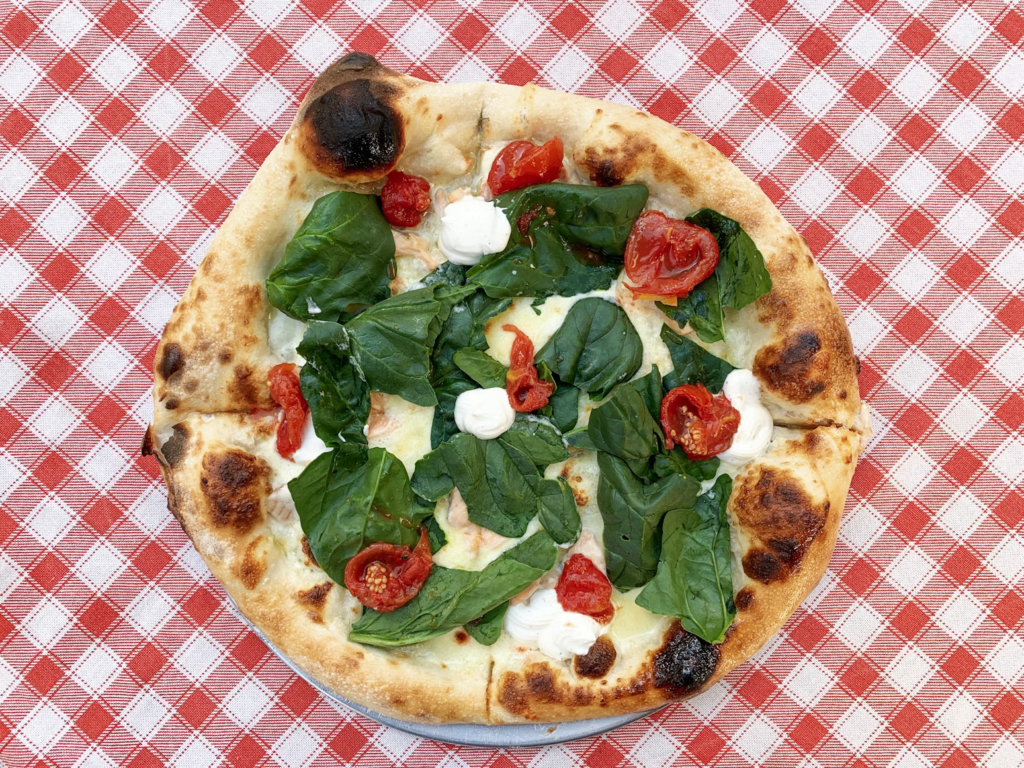
If you’re in Naples, you must try the original Pizza Napoletana at a local pizzeria. The historic Spaccanapoli street is lined with pizzerias that offer this famous dish in its most traditional form. Additionally, sfogliatella, a layered pastry filled with ricotta, is a must-try dessert in the city.
Florence: Tuscany’s Culinary Hub

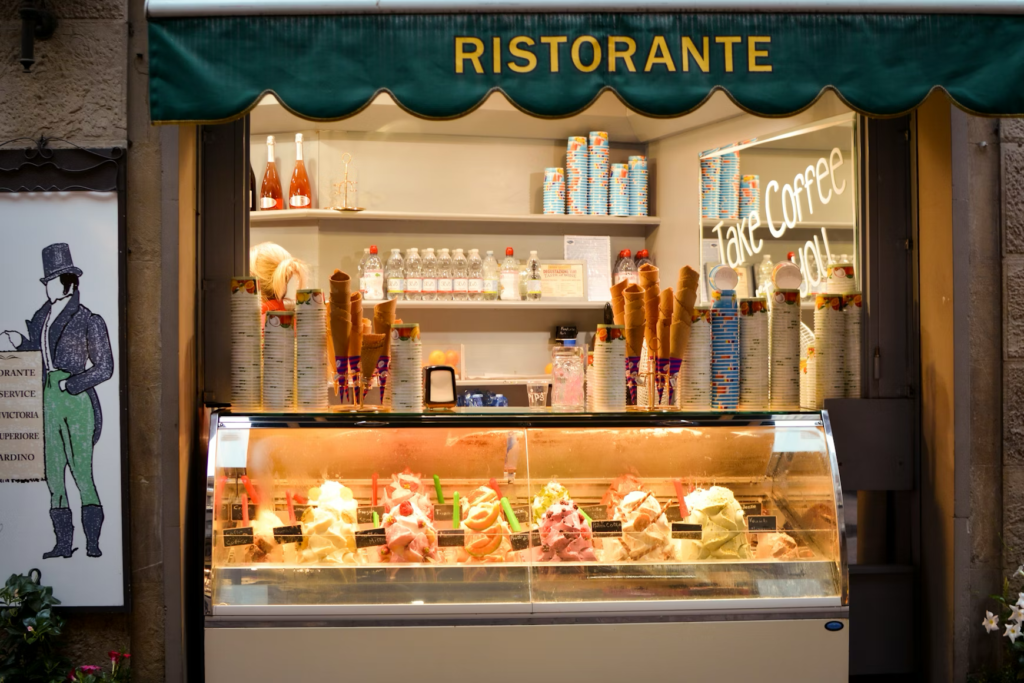
Florence is famous for its Bistecca alla Fiorentina, a thick-cut T-bone steak, typically served rare. The city also offers excellent cantucci (almond cookies) paired with Vin Santo (a sweet dessert wine) for a classic Tuscan dessert. The Mercato Centrale in Florence is a great place to sample fresh, local ingredients.
Palermo: The Heart of Sicilian Cuisine

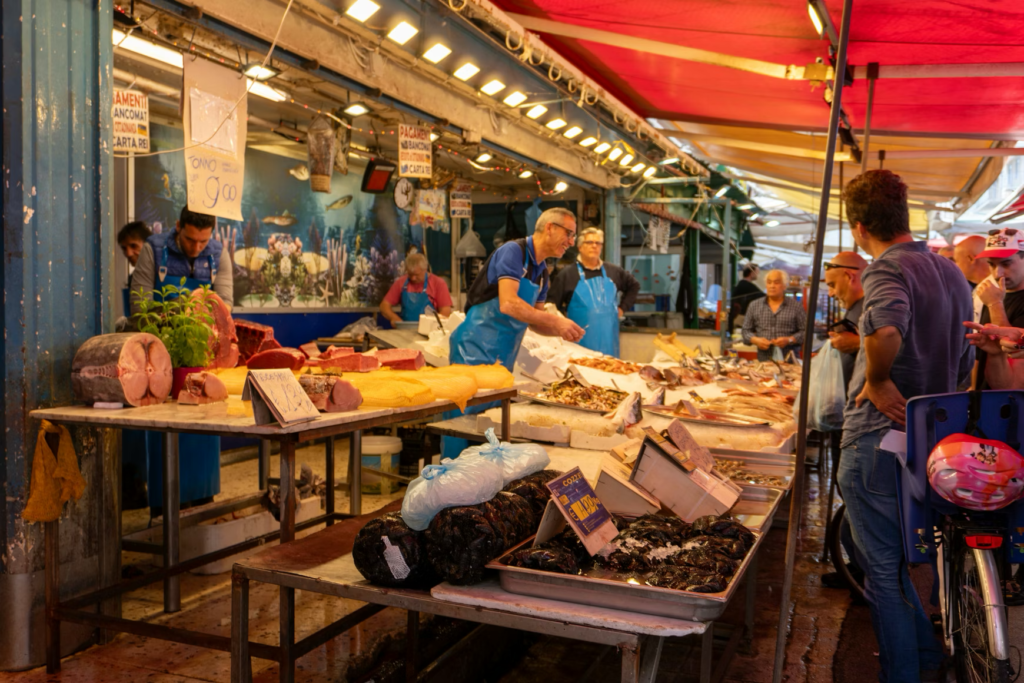
For a true taste of Sicilian cuisine, Palermo is a top destination. Try arancini, caponata, and pasta alla Norma in local trattorias, where the flavors of the island come alive. Palermo’s Vucciria Market is an essential stop for food lovers, where you can taste fresh seafood and street food specialties.
Venice: For Seafood and Risotto

In Venice, seafood dominates the food scene. Traditional dishes like Risotto al Nero di Seppia (risotto with cuttlefish ink) and Sarde in Saor (sweet and sour sardines) are must-try meals. The Rialto Market offers a range of fresh seafood that will give you a true taste of Venetian cuisine.
Practical Tips for Enjoying Italian Cuisine on Your Trip
Eating Times


In Italy, meals are typically eaten later than in many other countries. Lunch is usually served from 1 PM to 3 PM, and dinner is served from 8 PM to 10 PM. Be prepared for the difference in timing, especially if you plan to dine at popular restaurants.
Market Visits
Visiting a local market is one of the best ways to experience Italy’s food culture. Markets like Mercato di San Lorenzo in Florence or Mercato di Rialto in Venice provide an opportunity to see, taste, and buy fresh ingredients that are used in regional dishes.
Dining Etiquette

In Italy, it’s common to enjoy coffee after meals, and a cup of espresso is typical. Don’t be surprised if locals rarely order latte outside of breakfast. Also, tipping isn’t mandatory but appreciated, rounding up the bill is often sufficient.
Conclusion: Savoring the Best of Italian Cuisine

Italy offers a rich and diverse experience for first-time travelers, with its mix of vibrant cities, rich cultural heritage, and beautiful landscapes. By understanding the regional specialties and where to find them, you’ll be able to experience the true flavors of Italy while making the most of your culinary journey.
Whether you’re sampling pizza in Naples, enjoying risotto in Milan, or indulging in gelato in Rome, every meal is an opportunity to dive deeper into the rich history and traditions of Italy’s food culture. By exploring the country’s culinary gems, you can ensure a memorable and satisfying food experience.
