



Germany is a country of diverse cultures, rich history, and varied landscapes. Whether you’re exploring the urban streets of Berlin, wandering through the fairy-tale castles of Bavaria, or soaking in the picturesque charm of medieval towns, Germany offers something for every traveler. For first-time visitors, deciding which cities to visit can feel overwhelming. This guide highlights Germany’s top cities, offering insights into the must-see destinations, cultural experiences, and practical tips for an unforgettable journey.
Key Considerations Before Your Trip to Germany
Before diving into the best cities to visit, it’s essential to consider a few practical aspects of traveling in Germany. Knowing what to expect in terms of weather, transportation, and local customs will help you make informed decisions and ensure a smoother travel experience.
Weather and Packing

Germany’s climate varies by region and season. Summer (June to August) offers warm temperatures, perfect for outdoor activities, though popular cities like Berlin and Munich can be crowded. Spring and Autumn are ideal for fewer tourists and pleasant weather, making them perfect for road trips or exploring the countryside. If you’re planning to visit the Alps or Bavaria, be prepared for colder temperatures in Winter, which is ideal for skiing and holiday markets.

For most visits, a layered packing strategy works best, allowing you to adapt to the fluctuating temperatures throughout the day. Be sure to bring comfortable walking shoes, as Germany’s cities and countryside are best explored on foot.
Getting Around: Transportation Tips
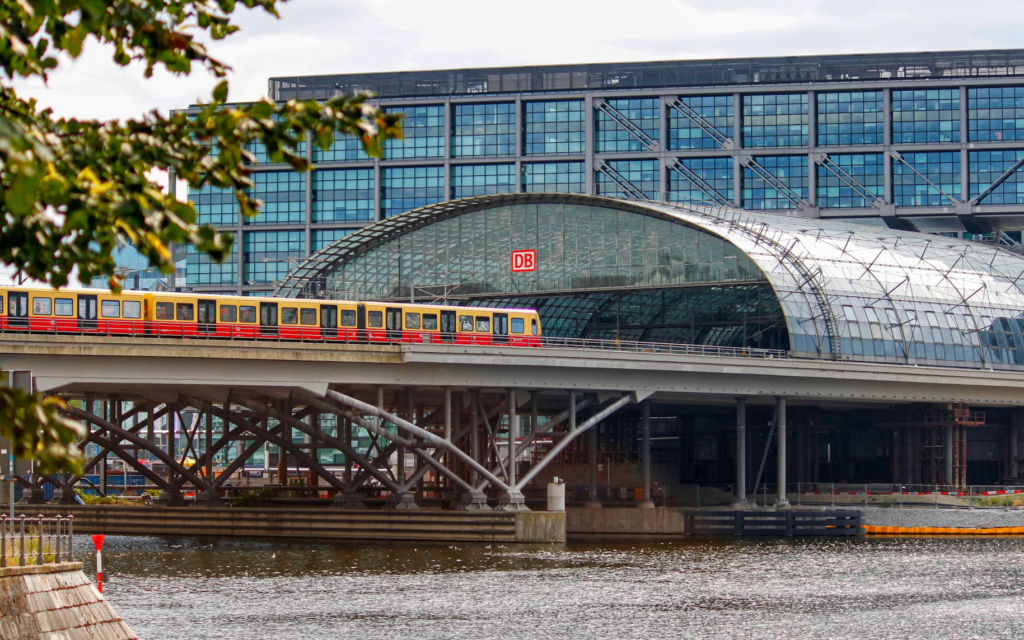

Germany’s public transportation system is efficient and easy to navigate. Trains are one of the best ways to travel between cities, especially with services like Deutsche Bahn offering quick and scenic routes. If you’re traveling within a city, make use of subways, trams, and buses. In places like Berlin and Munich, day passes for public transport can save you money if you’re planning to use multiple modes of transport. For more remote areas or flexibility, renting a car is an excellent option, especially for scenic routes through the Rhine Valley or Bavaria.
Currency and Costs
Germany uses the Euro (EUR), and most cities will accept credit cards in shops, restaurants, and attractions. However, it’s a good idea to carry some cash for smaller purchases or in rural areas. The cost of living in Germany can vary, with cities like Munich and Frankfurt being more expensive than cities like Leipzig or Dresden. Always factor in accommodation costs, transportation (train tickets, public transit), and entry fees for popular attractions like museums or castles.
Top Cities to Visit in Germany
Berlin: A Hub of Culture and History
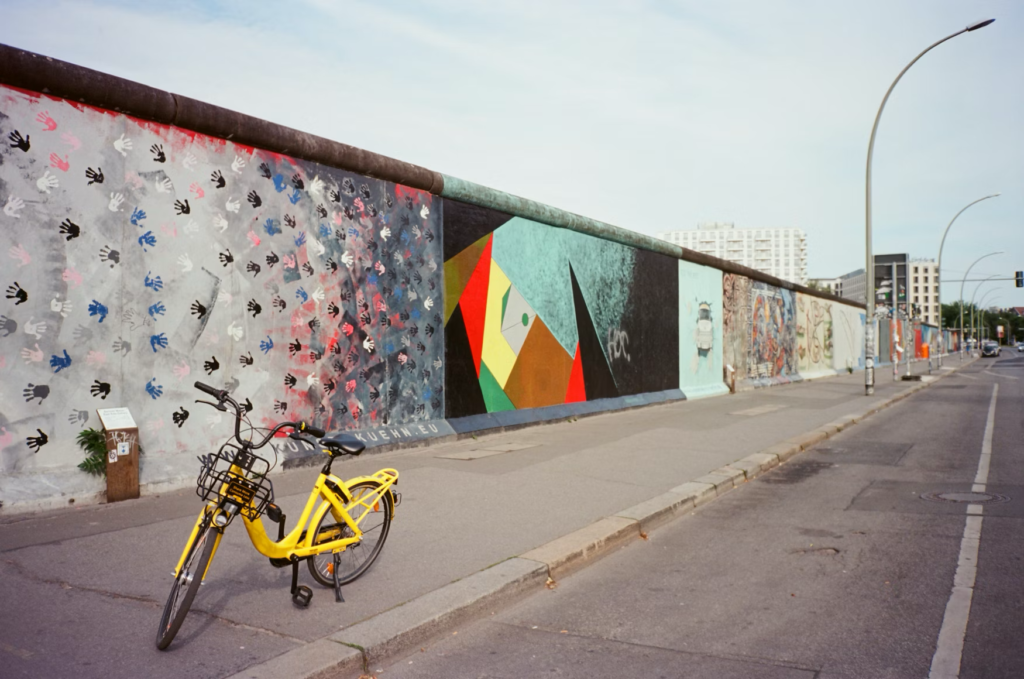
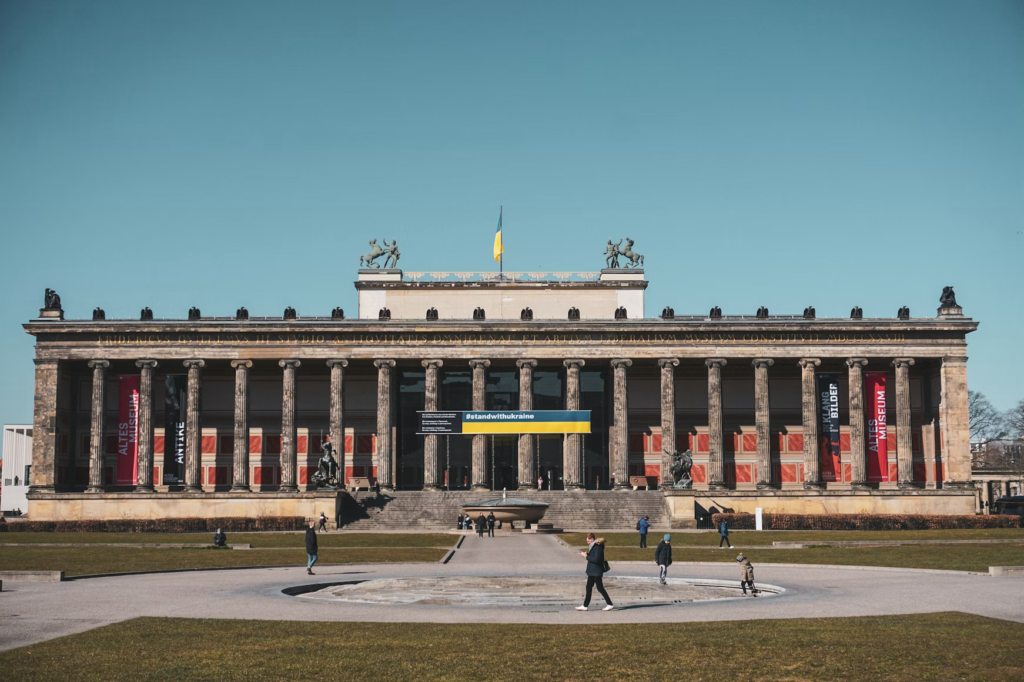
As the capital and largest city of Germany, Berlin is a cultural powerhouse, offering a mix of historical landmarks, modern art, and vibrant nightlife. Start your journey with the Brandenburg Gate, a symbol of Germany’s reunification, and explore the history of the Berlin Wall at the East Side Gallery. Museum Island, a UNESCO World Heritage site, is home to world-class museums like the Pergamon Museum and the Altes Museum.
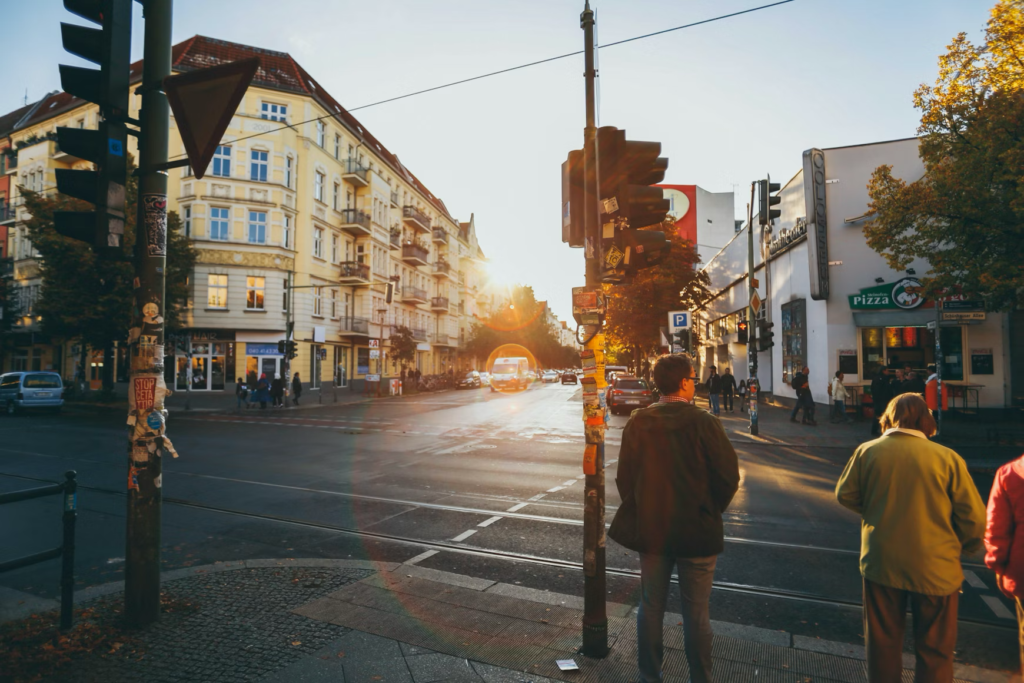

For an authentic Berlin experience, spend some time in neighborhoods like Kreuzberg and Prenzlauer Berg, where you can enjoy street art, hip cafes, and local markets. The city is also known for its parks, such as Tiergarten, which offer a serene escape from the hustle and bustle of the urban landscape.
Munich: Bavarian Charm and a Modern Vibe

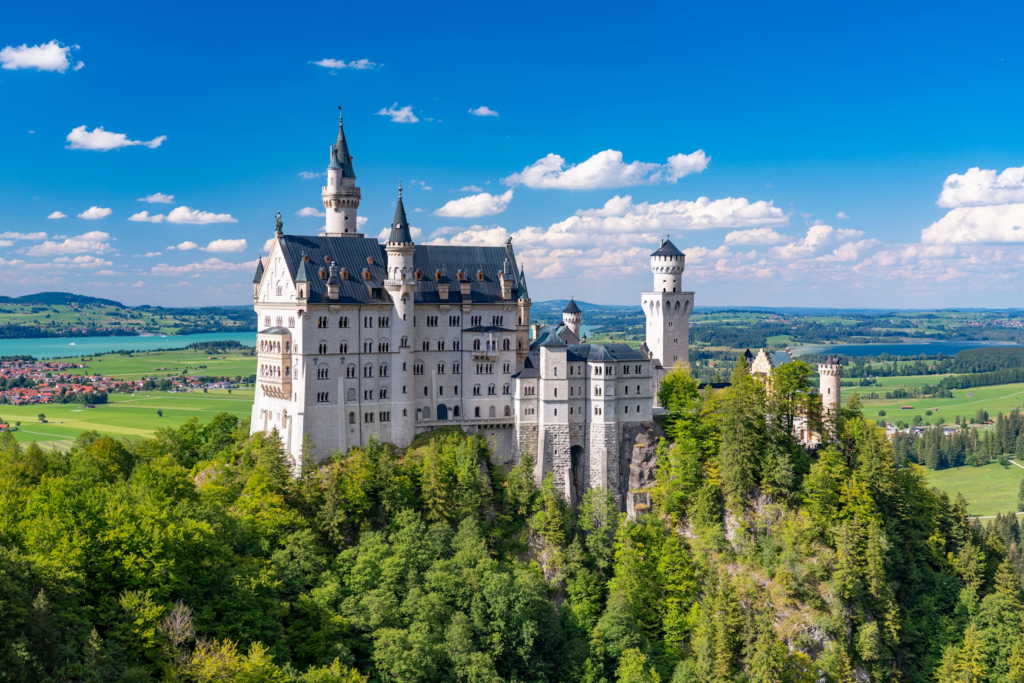
Munich, the capital of Bavaria, is renowned for its cultural heritage, traditional beer gardens, and stunning architecture. Visit the iconic Marienplatz square and marvel at the Neuschwanstein Castle, often referred to as the “fairy-tale” castle. English Garden, one of the largest urban parks in the world, offers a peaceful retreat in the heart of the city.
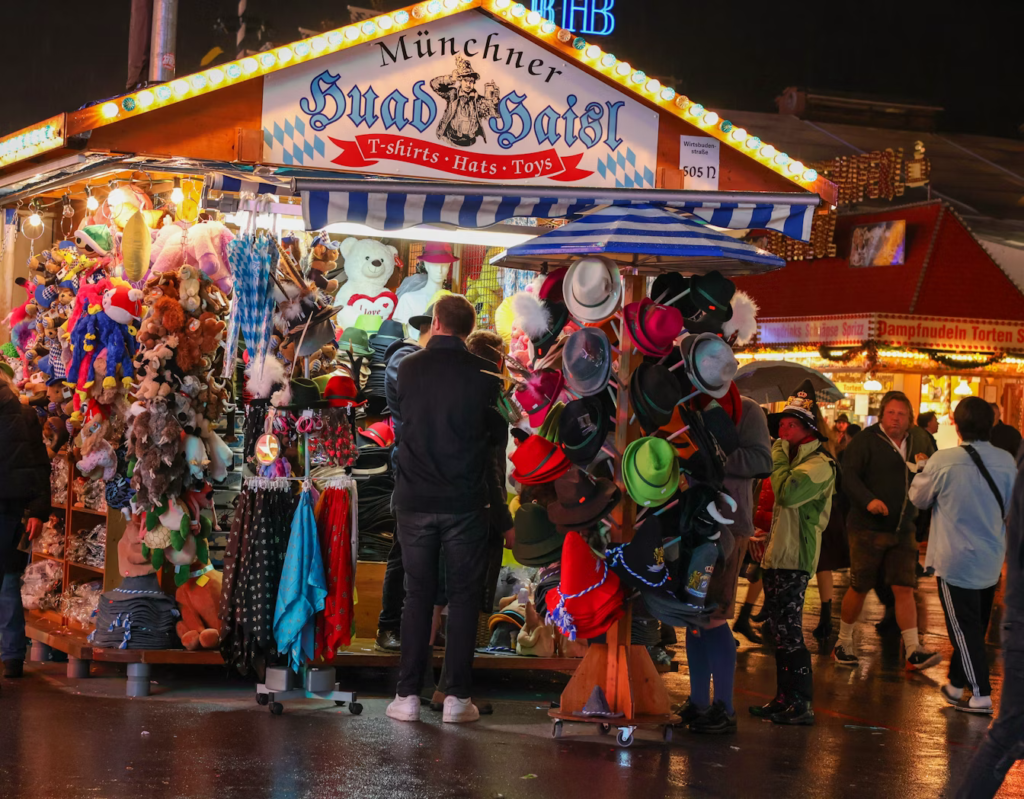
Oktoberfest is one of Munich’s most famous events, attracting millions of visitors each year to celebrate beer, food, and Bavarian culture. If you’re visiting outside of Oktoberfest, explore the local markets, such as Viktualienmarkt, or take a day trip to the nearby Alps for hiking or skiing.

Hamburg: A Maritime Gem

Located in the north of Germany, Hamburg is a port city with a distinct maritime charm. The Hamburg Harbor, one of Europe’s largest ports, offers boat tours where you can witness the city’s dynamic shipping industry. Stroll through the Speicherstadt, a historic warehouse district, and explore the vibrant St. Pauli neighborhood for a taste of Hamburg’s nightlife.
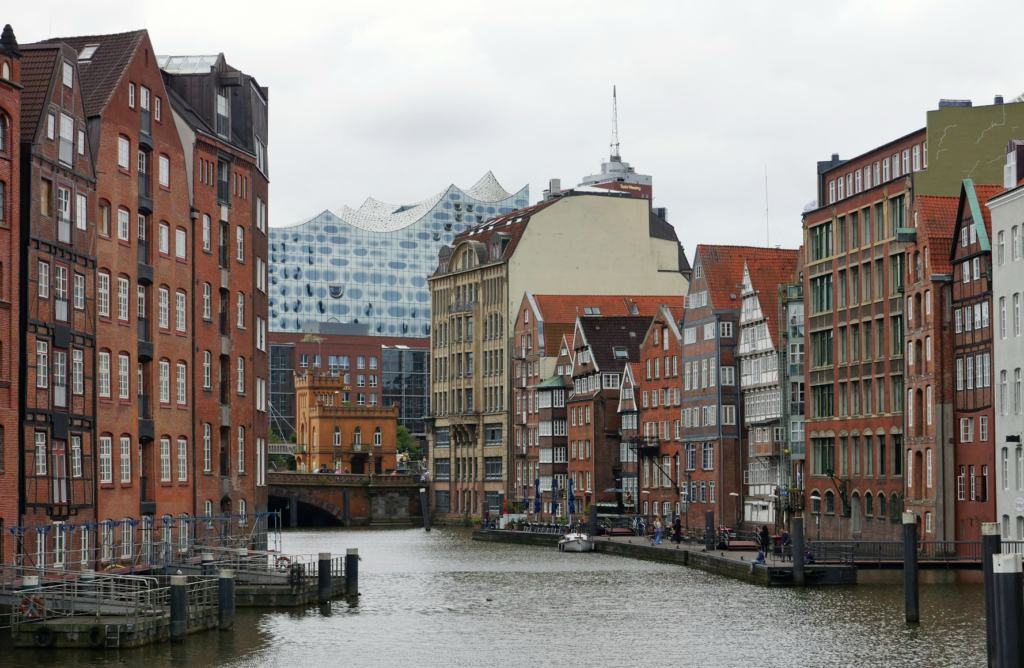

The Miniatur Wunderland, the world’s largest model railway, and the Elbphilharmonie, a modern concert hall offering spectacular views of the harbor, are must-see attractions. Hamburg is also known for its seafood, with fresh fish markets and waterfront restaurants offering the catch of the day.
Cologne: A Blend of History and Modernity
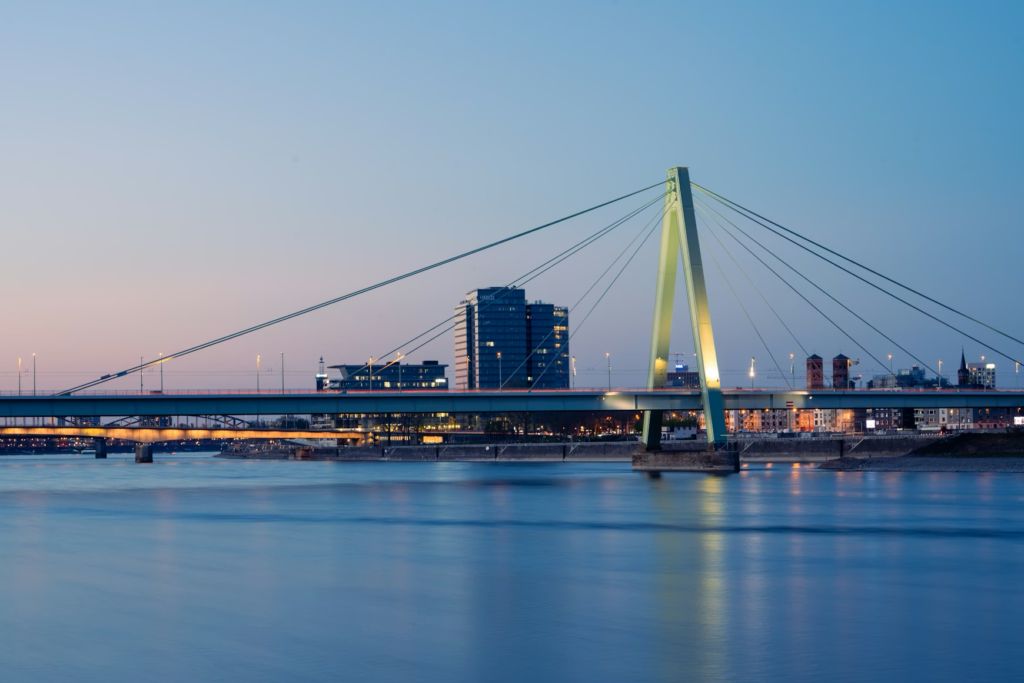
Cologne, situated on the banks of the Rhine River, is famous for its stunning Cologne Cathedral, a Gothic masterpiece and UNESCO World Heritage site. The Old Town is a delightful area to explore, with narrow streets, medieval buildings, and quaint cafes. Cologne also offers a vibrant art scene, with museums like the Ludwig Museum, which houses works by Pablo Picasso and other modern artists.

For a unique experience, visit the Chocolate Museum, where you can learn about the history of chocolate and enjoy delicious samples. Cologne’s lively cultural scene also includes annual festivals like the Carnival, one of the largest street festivals in Europe.
Dresden: Baroque Beauty and a Rich History

Located on the Elbe River, Dresden is a city of historical significance and architectural beauty. The Zwinger Palace and Semper Opera House are prime examples of Dresden’s stunning Baroque architecture. After being heavily damaged in World War II, the city has undergone a remarkable restoration, particularly in the Altstadt (Old Town), where you’ll find landmarks such as the Frauenkirche.

Dresden is also known for its Sachsische Schweiz National Park, perfect for nature lovers who enjoy hiking, rock climbing, and exploring picturesque landscapes.
Heidelberg: Romance and University Tradition

For a romantic and picturesque escape, Heidelberg is a must-visit destination. Known for its famous university (the oldest in Germany) and beautiful Heidelberg Castle, the city is perfect for a peaceful getaway. The Old Bridge and the surrounding cobblestone streets add to the charm, and you can enjoy breathtaking views from the Philosophenweg (Philosopher’s Walk).

Heidelberg’s quaint, small-town feel is complemented by its intellectual atmosphere, making it an ideal place for those who appreciate both history and natural beauty. It’s also a great base for exploring the Neckar River Valley.
Conclusion: Choosing the Right City for Your First Trip to Germany

Germany offers an exceptional blend of historical landmarks, modern attractions, and natural beauty, making it a destination with something for every traveler. Whether you’re drawn to the rich history of Berlin, the Bavarian charm of Munich, or the maritime appeal of Hamburg, each city offers a unique experience. By considering factors like your interests, travel style, and the best time to visit, you can plan a trip that perfectly matches your preferences. No matter which cities you choose, Germany’s diverse culture, stunning architecture, and welcoming atmosphere will ensure a memorable adventure.
