



When closeness stops being optional
Remote travel brings two people into the same space for longer than most routines ever allow. Days begin together and continue in parallel as work, rest, and passing time move through the same rooms. Roles loosen, and being together becomes part of the ordinary flow of the day.
At first, this closeness carries a sense of ease, with moments gathering on their own, meals unfolding without planning, and silence settling in as something shared. Time together stretches enough to hold what once felt compressed, and the relationship moves through the day without needing to be adjusted.
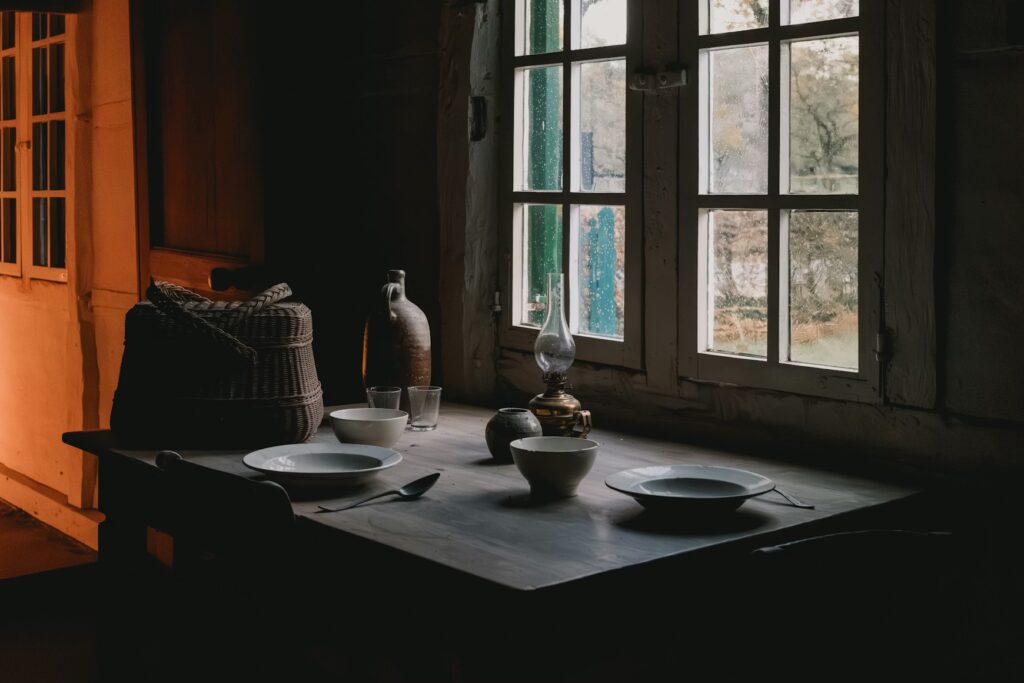
When space has to be shaped
As days repeat, closeness begins to take shape. Being near each other stops standing out and becomes the space everything else moves within. Friction appears sooner, fatigue shows with less buffer, and moods surface quickly.
Remote travel keeps these dynamics in view. The relationship shifts around proximity, letting space emerge as part of a shared rhythm. Time apart no longer arrives on its own, forming quietly within closeness.

When routine replaces markers
Without the familiar signals of home, the relationship stops moving through clear stages. There are fewer external moments to confirm change. Instead of weekends or milestones, the relationship exists inside long stretches of ordinary days that begin to resemble each other.
Connection is felt less through events and more through continuity. What matters shifts toward how easily life carries on from one day to the next. The question of where the relationship is going gives way to how it holds itself inside repetition, steady enough to continue.
There is often a stretch where everything appears to move forward without resistance. Life continues, held together easily enough, while the relationship slowly takes on more weight. Without clear markers, it stops signaling growth or distance and simply carries on, asking to be inhabited. Over time, that quiet continuity asks for more attention than it first suggests.
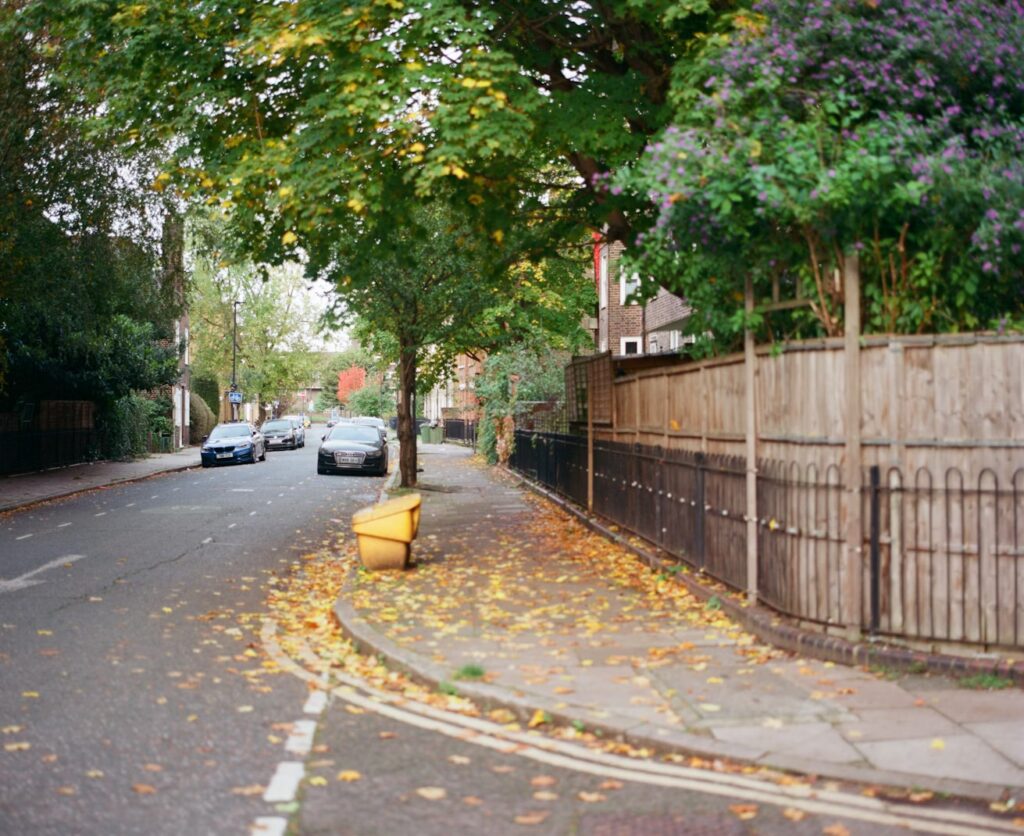
When conversation stays closer to the surface
With fewer places to step away, conversation settles closer to daily life. Small tensions linger longer. Unspoken expectations become harder to set aside. At the same time, clarity arrives sooner, simply because there is less distance for things to disappear into.
What is said blends into when it’s said and how it lands during the day. Communication stops standing out as a separate act and becomes part of how the relationship maintains itself, adjusting continuously as the day unfolds.
When independence changes its outline
Traveling while working remotely alters how independence shows up within the relationship. Personal space is no longer guaranteed by schedules or separate routines, so autonomy takes quieter forms. It shows up in how attention shifts, how time is taken without explanation, how identity continues alongside shared days.
The relationship adapts as individuality finds room to move within closeness, without distance doing the work. This adjustment happens slowly, shaping how partnership and selfhood remain present at the same time.

When the relationship becomes part of the setting
Over time, remote travel stops feeling like something the relationship is doing and starts feeling like the environment it exists within. Movement, stays, and transitions become the background against which ordinary life unfolds, without needing to be interpreted. The relationship continues as conditions shift, held together by familiarity, carried forward by the day.
Related Articles
Bangkok and How Thailand Actually Works Once You’re Inside It
