


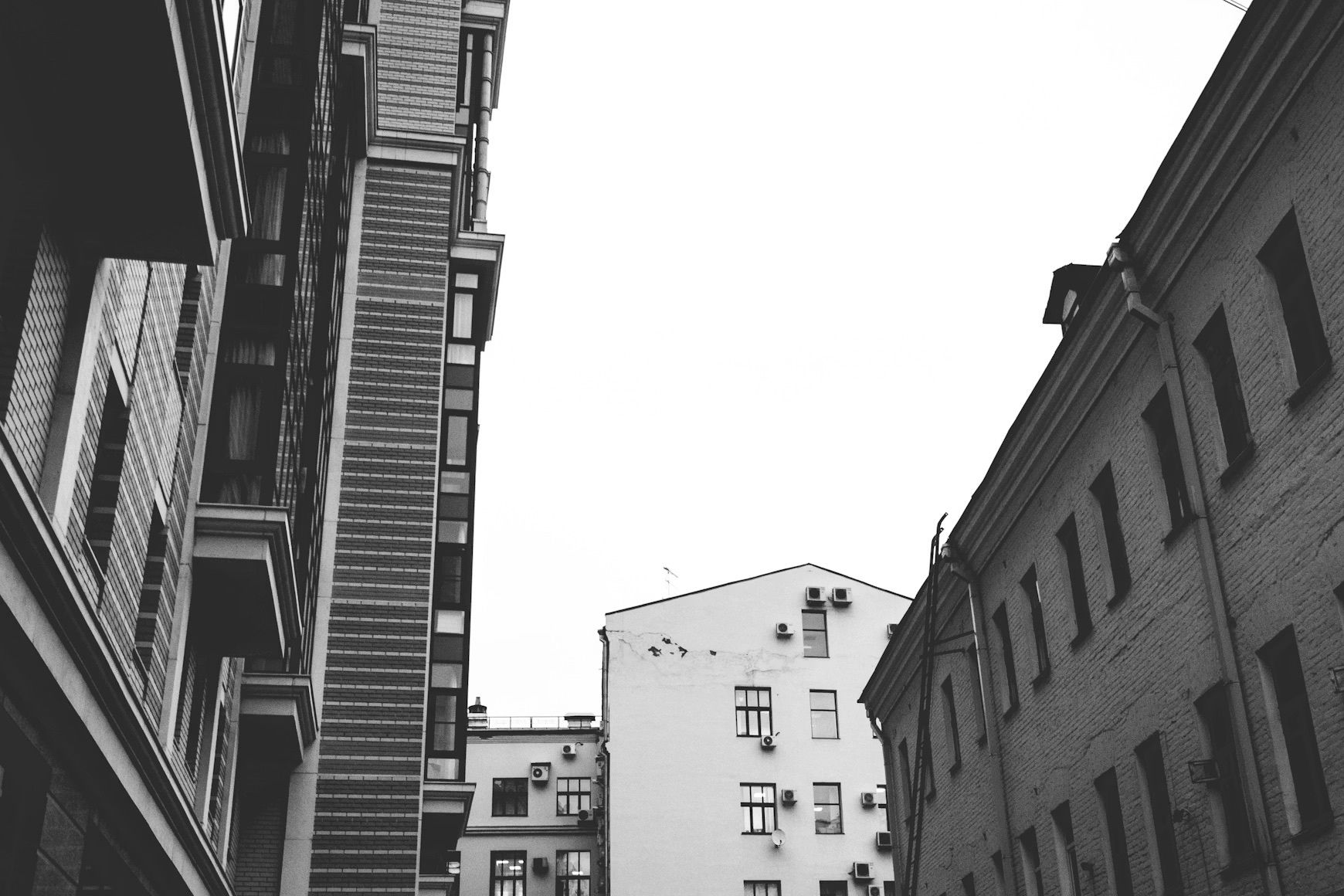
When convenience doesn’t replace character
Some cities welcome remote workers efficiently. Internet access holds, cafés make space, short stays are easy to arrange, and daily life moves with little friction. That smoothness carries for a while, reassuring in how little it asks. Over time, something begins to thin, though it’s hard to name at first. The days continue to function without fully settling, and the city stays present without slowly gathering weight or familiarity.
Cities that still feel real tend to resist this quiet flattening. They aren’t organized around remote work, even when they support it well. The city keeps its rhythm, and work gradually settles inside it as repetition takes hold.
Where daily life isn’t optimized for outsiders
Remote-friendly cities that remain livable often share a quieter quality. They haven’t been reshaped for temporary presence, and the city doesn’t constantly translate itself as you move through it. Learning how things work takes time. Once learned, those patterns tend to hold.

Errands stop feeling like decisions. Routes become habitual. You return to the same places without reconsidering them. Attention drifts away from managing the environment and settles more easily into the rhythm of the day as it unfolds.
When housing feels lived-in, not provisional
The difference between a city that feels real and one that feels temporary often shows up at home. In places built around short stays, housing remains interchangeable. Furniture stays neutral, layouts assume turnover, and nothing is allowed to accumulate.
In cities that support longer stays, living spaces expect use. Daily life settles in without needing to be adjusted around the apartment. You stop arranging your life around the limits of the space. That shift quietly changes how the day carries itself, often before you notice it.

Where social life exists without demanding participation
In cities that feel sustainable, social life stays lightly available, close enough to be felt without needing to be activated. Familiar places and faces remain, allowing presence without turning it into participation.
Over time, this matters. Cities that revolve around networking feel energizing early on, and grow tiring as work asks for steadier attention. Places that allow social life to sit slightly in the background tend to remain easier to live in. Relationships form slowly, or not at all, and both outcomes sit comfortably within the shape of daily life.
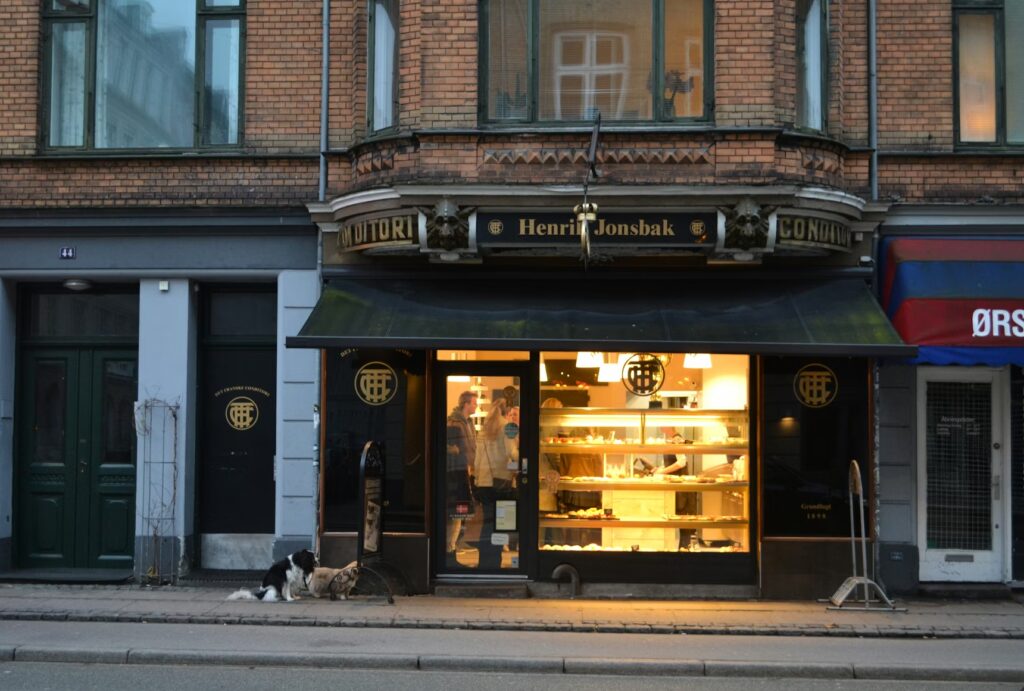
When affordability doesn’t define the experience
Many remote-friendly cities draw attention because they are inexpensive. Cost matters, especially at the beginning. Cities that remain livable over time rarely register as cheap in a narrow sense. Daily prices align with local rhythms. Services are priced for residents. The baseline feels stable enough that constant calculation fades.

Affordability fades into the background. What remains is whether the cost structure fits the pace of the place. Budgeting recedes into the background, and attention returns to work, rest, and the gradual process of staying.
Cities that reveal themselves slowly
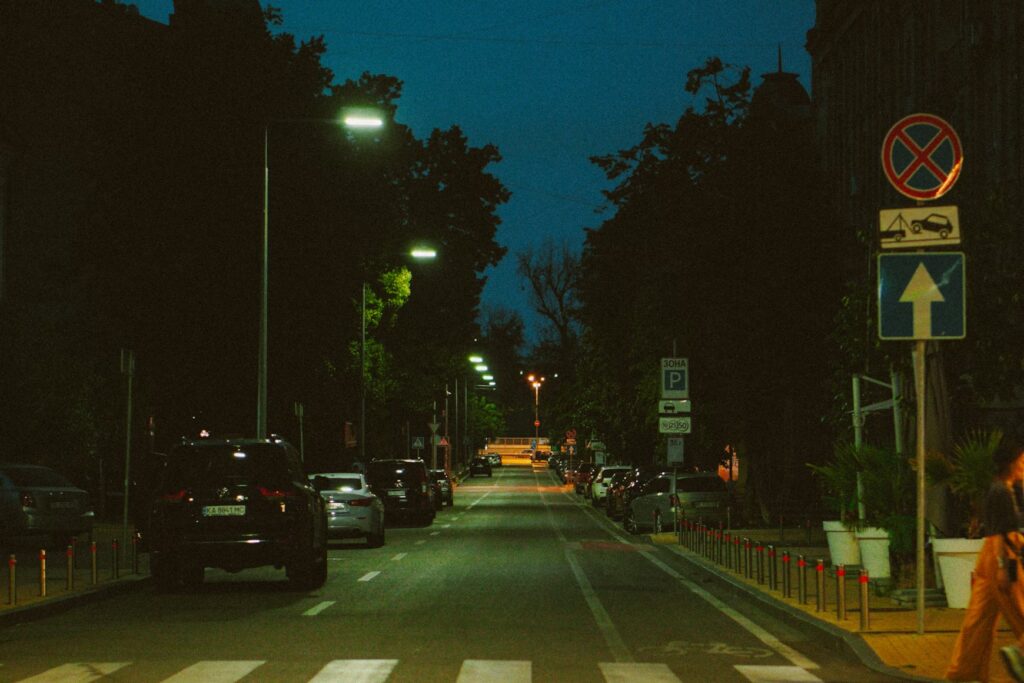
Some cities never announce themselves. They begin to hold you before you notice, until the days align, the evenings settle, and leaving starts to ask for intention. These places support remote work by remaining complete. Work settles into daily life, travel softens, and living takes shape gradually, carried forward as an ordinary life unfolding somewhere else.
