


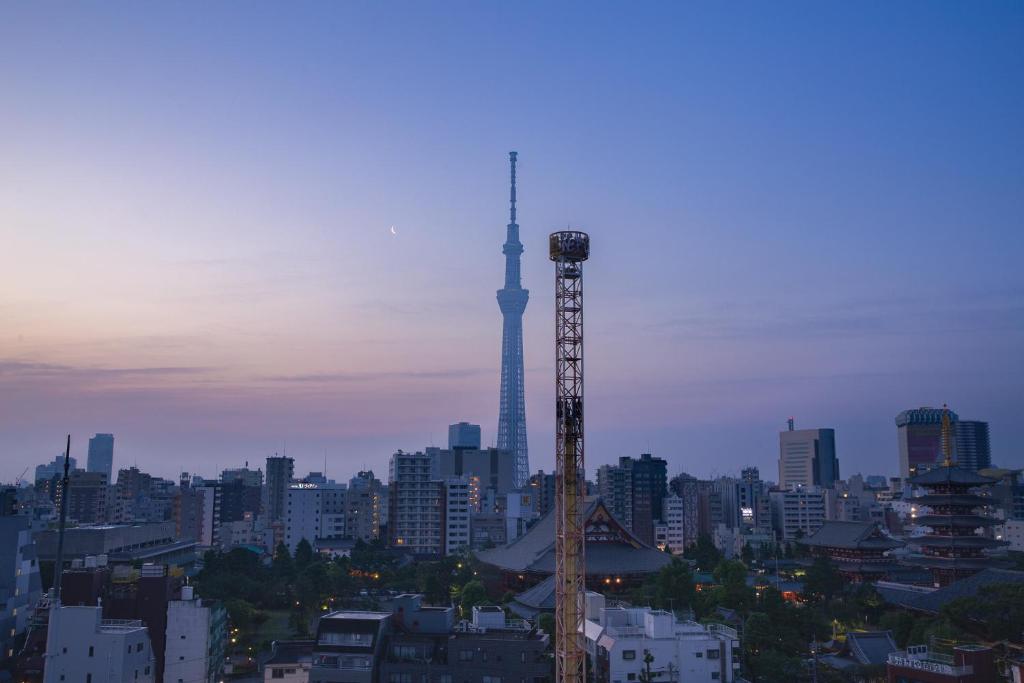
Tokyo reveals itself differently depending on where you choose to stay. From quiet neighbourhood streets to districts defined by movement and height, the city’s hotels shape daily rhythms as much as itineraries. These properties are shaped by space, pacing, and the way the city recedes once the door closes.
Asakusa Kokono Club

Set on a quieter street near Asakusa’s historic temple district, Asakusa Kokono Club offers a contemporary stay close to Senso-ji without being embedded in the area’s busiest flow. The hotel occupies a compact building with restrained interiors. Warm wood tones, soft lighting, and uncluttered interiors keep the atmosphere contained, even as tourist movement continues nearby.

Rooms are modest in size but thoughtfully arranged, prioritising comfort and privacy over spectacle. Public areas remain intentionally subdued throughout the day, making the hotel a suitable base for travellers who want to explore Asakusa on foot while returning to a space that feels settled and low-key.
The Gate Hotel Kaminarimon by Hulic

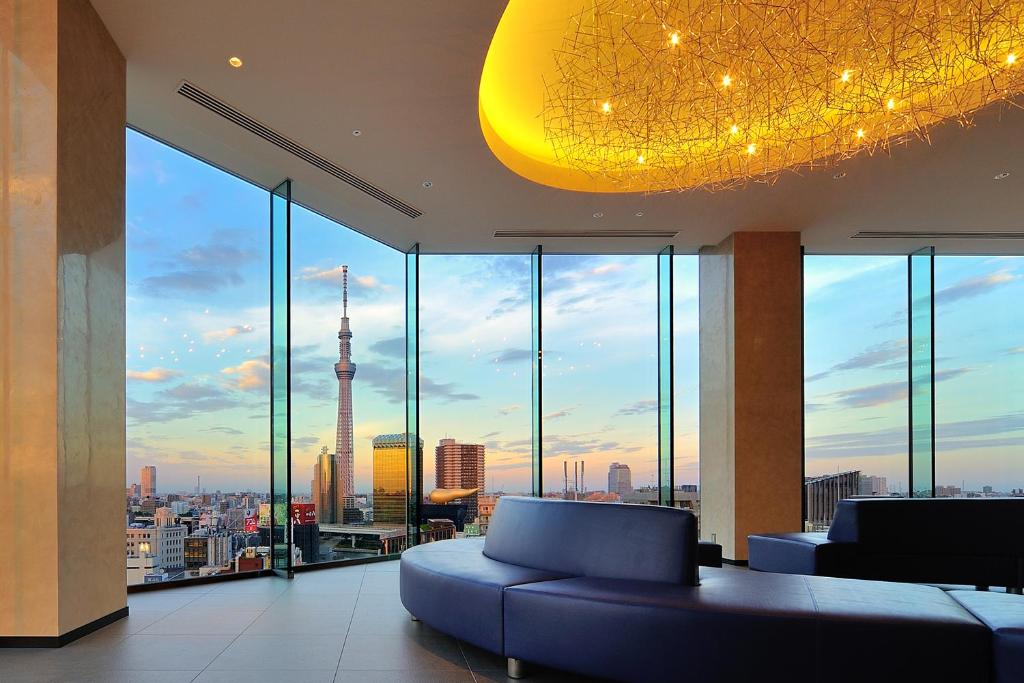
Positioned above the streets of Asakusa, The Gate Hotel Kaminarimon by Hulic offers an elevated perspective on one of Tokyo’s most visited neighbourhoods. Its upper-floor setting allows rooms and common areas to open toward views of the Sumida River, Tokyo Skytree, and surrounding rooftops, creating a sense of openness rarely found at street level.
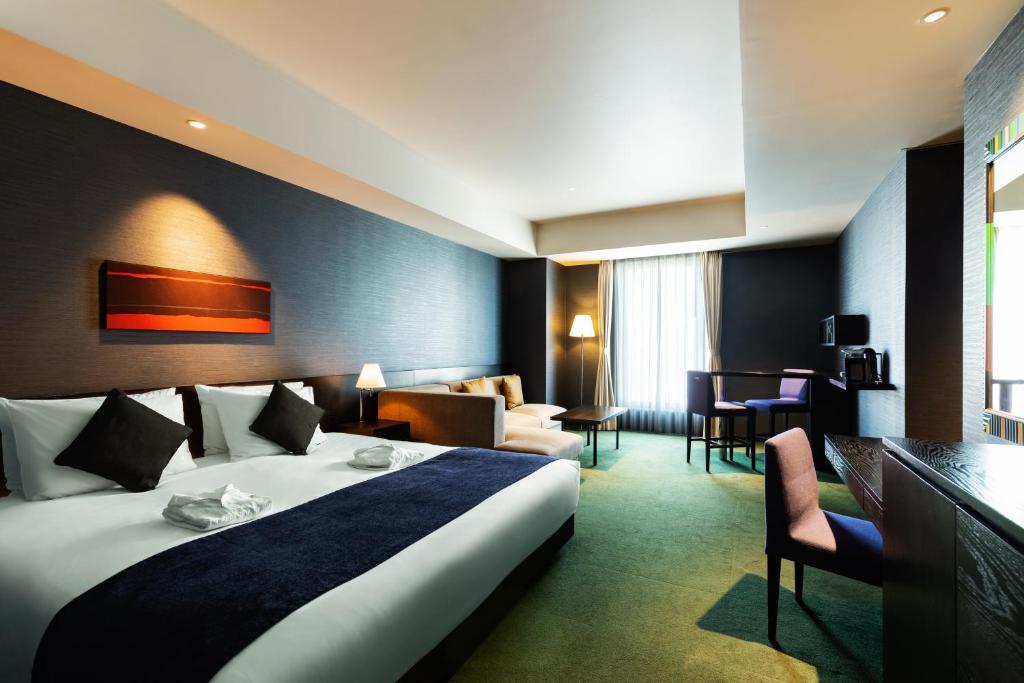
Rooms feature modern interiors with large windows that emphasise light and outlook. Terrace and dining spaces are designed for lingering, where mornings stretch naturally and early evenings feel unhurried before returning to the city below.
Hotel Gracery Shinjuku

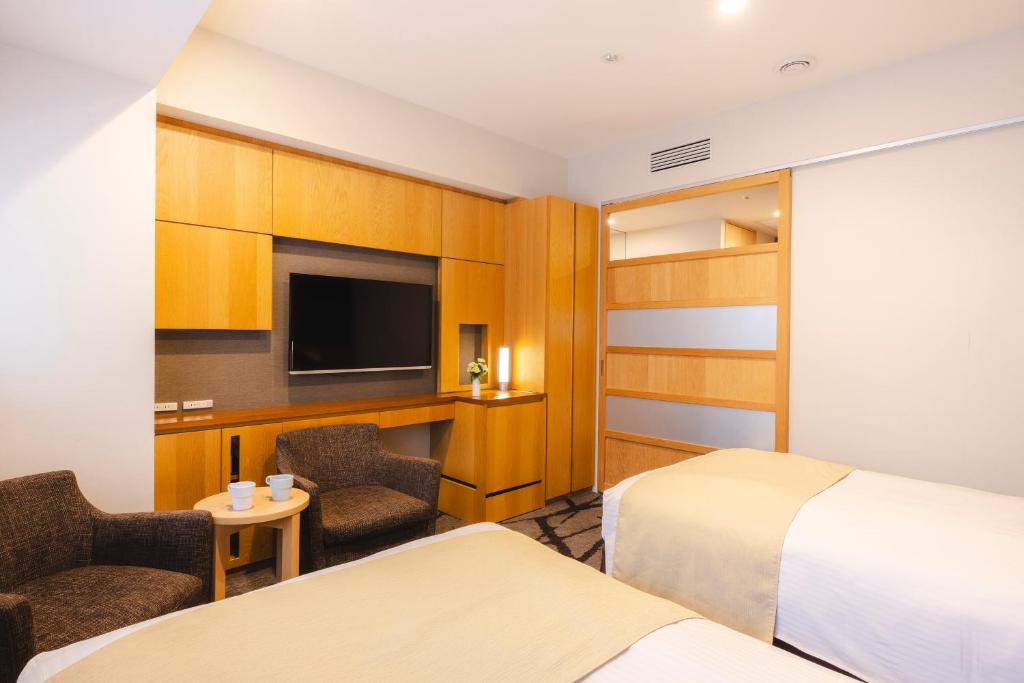
Rooms at Hotel Gracery Shinjuku are compact and efficiently planned, set up for frequent departures and quick returns. Contemporary furnishings and practical amenities keep the space functional without slowing movement.
From the upper floors, city views take some of the edge off Kabukicho’s constant motion. Down below, neon-lit streets continue at full volume, while dining and lounge spaces offer brief pauses between outings.
The hotel sits directly within Kabukicho, one of Tokyo’s most animated entertainment districts. Rising above the streets, the transition from outside to inside is immediate, with interiors shifting toward clean lines and controlled lighting.
JR Kyushu Hotel Blossom Shinjuku
Located on the quieter southern side of Shinjuku Station, JR Kyushu Hotel Blossom Shinjuku balances accessibility with calm. Interiors lean warm and understated, blending modern comfort with subtle Japanese design elements.

Rooms are well insulated and designed for rest, making the transition from station to stay feel immediate. Dining and common spaces remain simple and functional, reinforcing a sense of ease for guests moving in and out throughout the day.
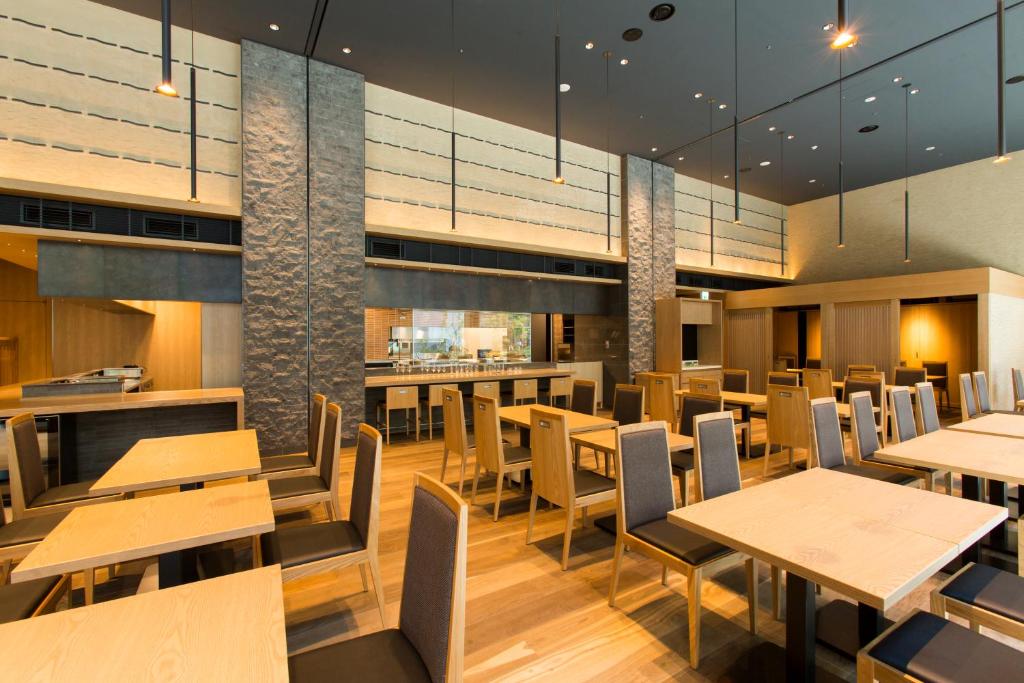
Keio Plaza Hotel Tokyo
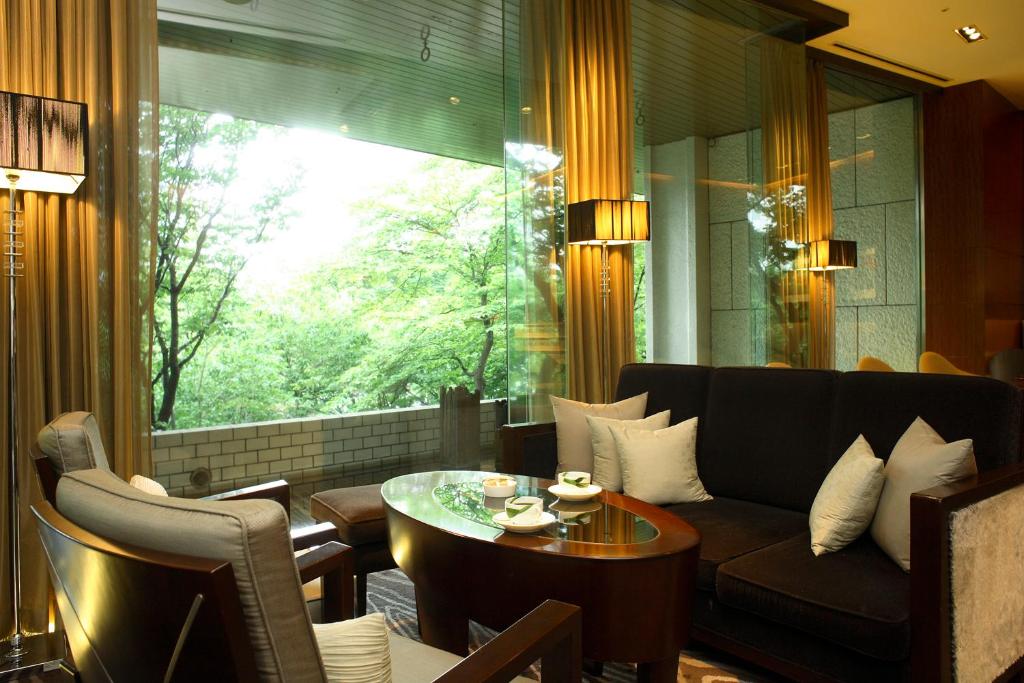

Keio Plaza Hotel Tokyo is defined by scale. Situated at the edge of the skyscraper district, the hotel offers a structured arrival experience leading into expansive public interiors designed to absorb constant movement.

The hotel functions as a self-contained environment, suited to longer stays. Rooms are spacious by Tokyo standards, framed by large windows that look out over the city, with restaurants and lounges spread throughout the property.
Tokyu Stay Shinjuku

Designed for extended stays, Tokyu Stay Shinjuku combines hotel services with apartment-style functionality. Rooms include washer-dryers and compact kitchen facilities, allowing daily routines to unfold naturally. Interiors are modern and straightforward, prioritising efficiency without feeling utilitarian. Its location near Shinjuku’s shopping and dining areas makes it a practical base for flexible, independent travel.
Shibuya Stream Excel Hotel Tokyu

Directly connected to Shibuya Station, Shibuya Stream Excel Hotel Tokyu places movement at the centre of the experience. Elevated above the street, the hotel overlooks railway lines, river paths, and dense urban layers. Rooms are well insulated, offering separation from the activity below while maintaining visual connection. The layout supports efficient transitions, making it particularly convenient for short stays and frequent transit use.
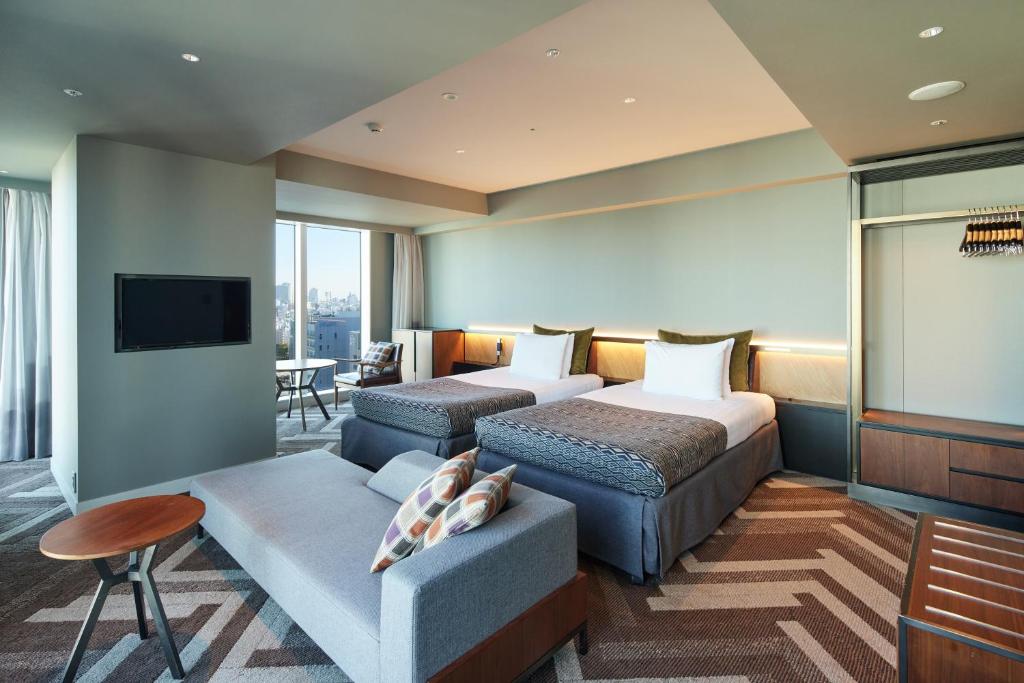
Cerulean Tower Tokyu Hotel
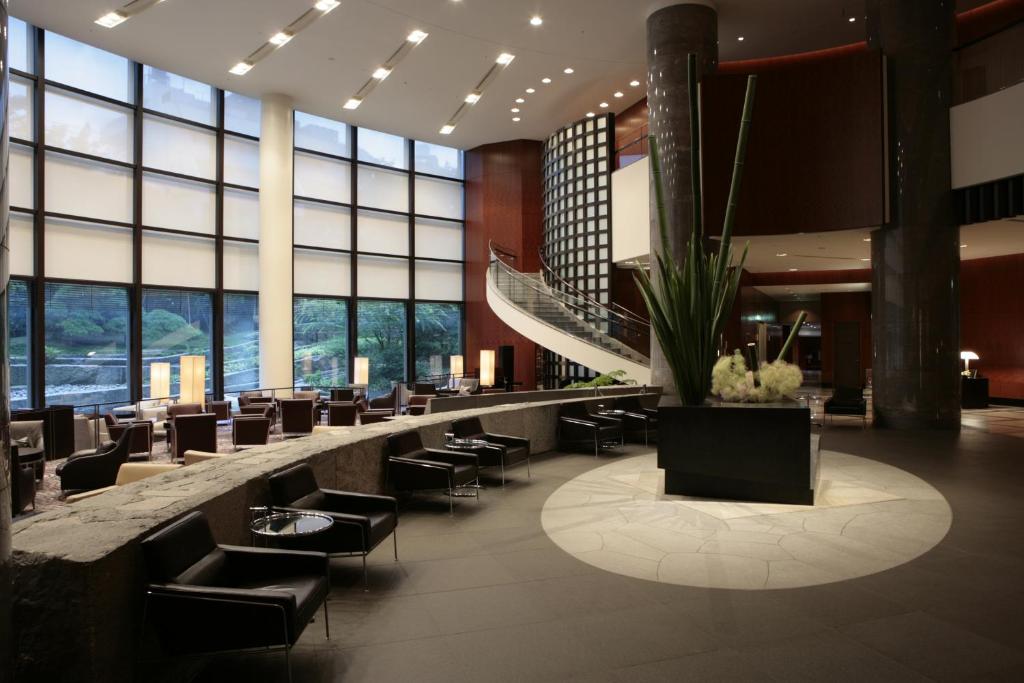
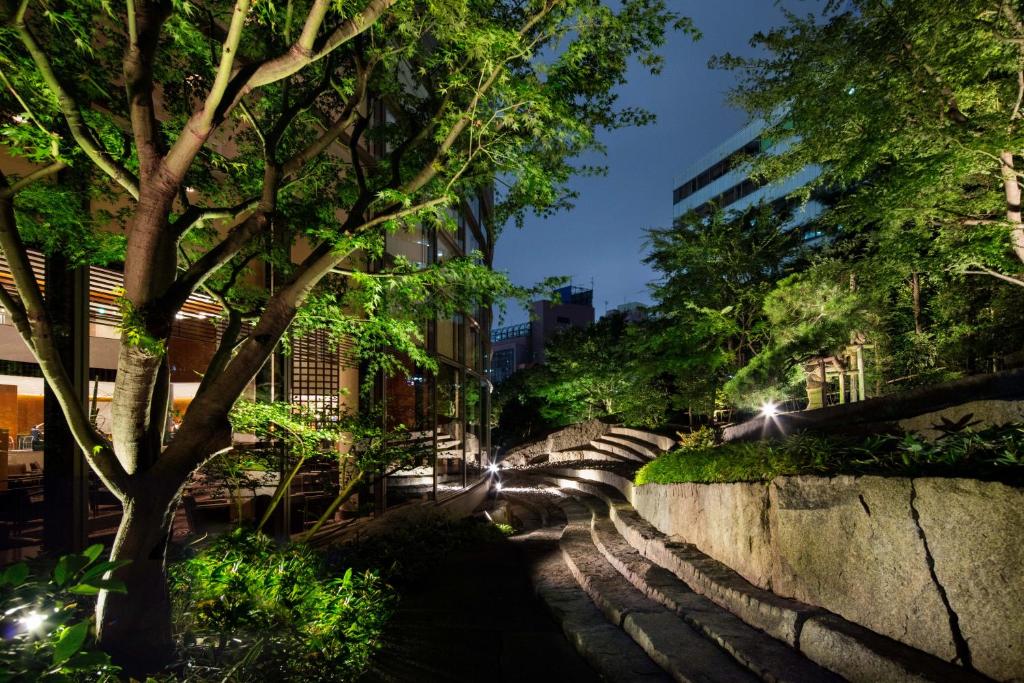
Dining, wellness, and fitness spaces are distributed throughout Cerulean Tower Tokyu Hotel, making it easy to remain inside for long stretches of the day. The building carries its own rhythm, slightly removed from the pace below.
Rooms are generous and framed by expansive city views, with Shibuya easing into the distance and staying there. Inside, the tone shifts toward something more composed. Spacious public areas, softened lighting, and wide corridors slow movement from the moment of arrival.

Mitsui Garden Hotel Ginza Premier
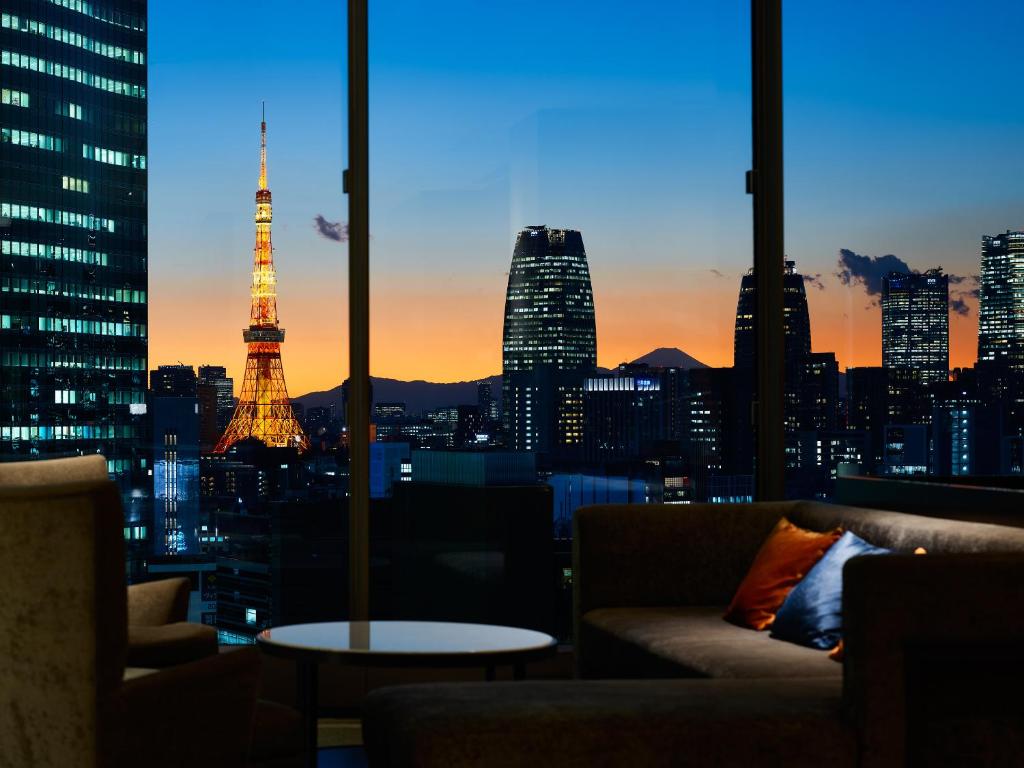
Occupying the upper floors of a modern tower between Ginza and Tokyo Station, Mitsui Garden Hotel Ginza Premier benefits from elevation and order. Long city views reduce the sensory impact of surrounding streets. Rooms emphasise clean lines and controlled lighting, while dining and shared spaces maintain a polished, understated atmosphere suited to central stays without constant stimulation.
Park Hyatt Tokyo
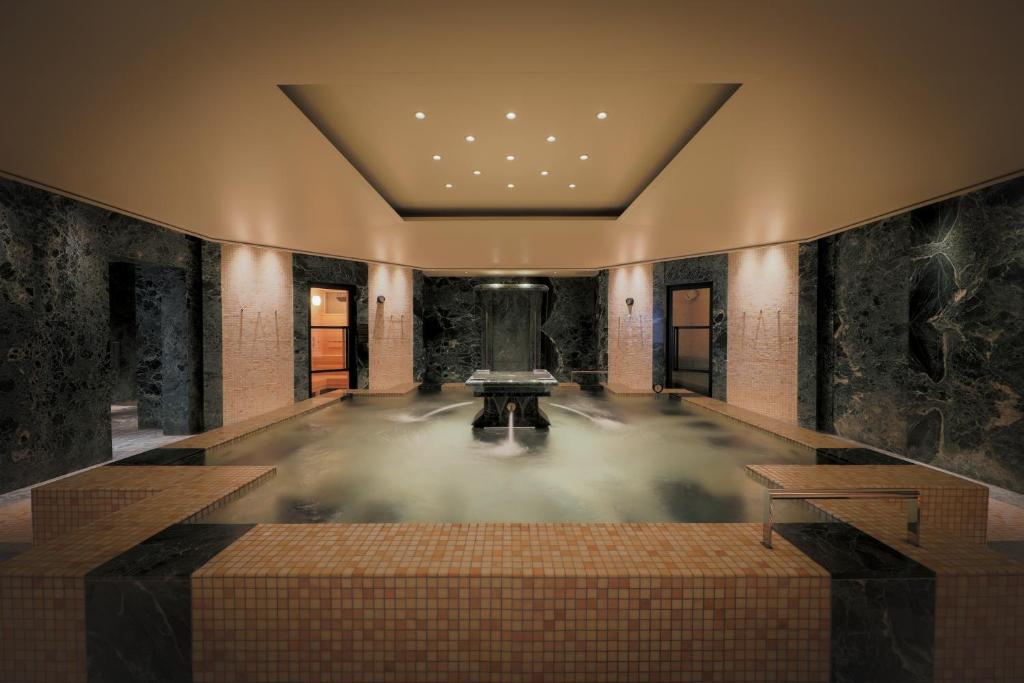
Dining venues, spa, pool, and fitness spaces shape long stretches of the day at Park Hyatt Tokyo, allowing time to remain largely inside. The hotel carries its own quiet rhythm, removed from the tempo below.
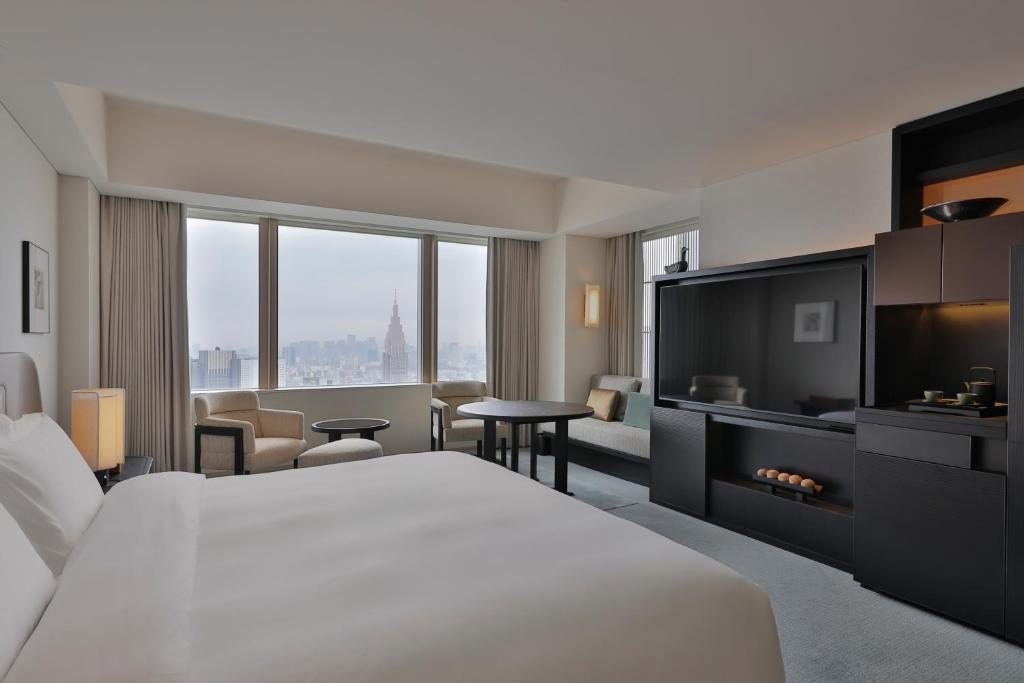
Rooms and suites are notably spacious. Large windows hold the city at a distance, turning Tokyo into a wide, steady presence rather than something in motion.
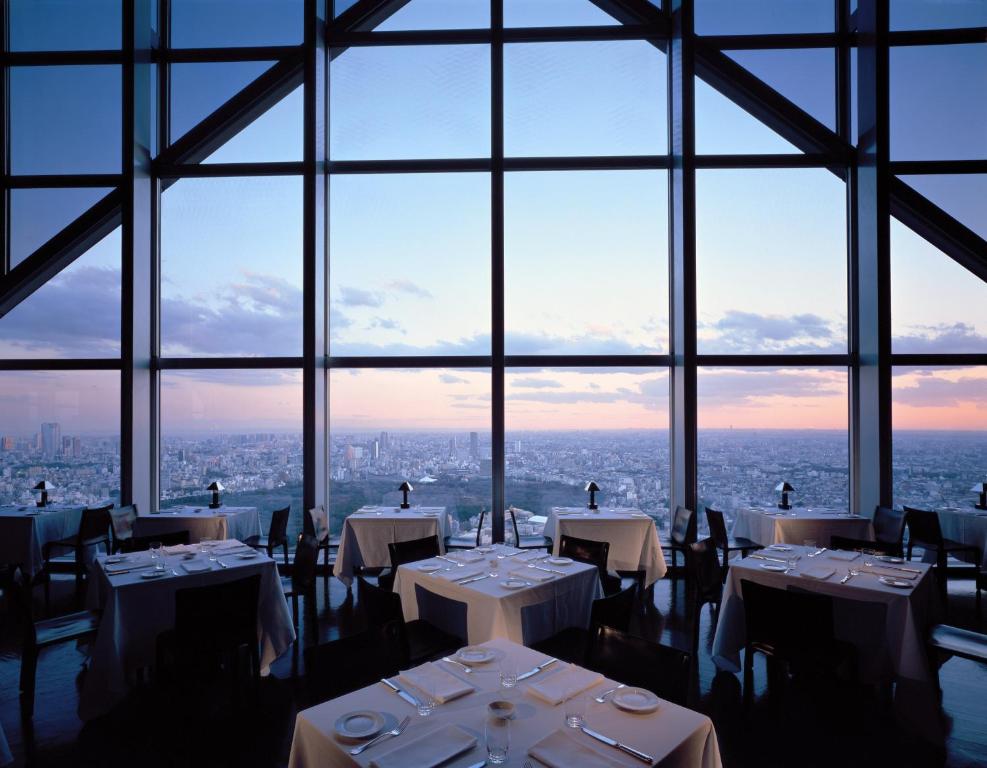
Perched high above Shinjuku, the experience is shaped by space and separation. Expansive public areas and subdued interiors set the tone from arrival, easing movement away from the city’s pace.
Hotel Niwa Tokyo

Situated in a quieter area near Suidobashi, Hotel Niwa Tokyo blends contemporary architecture with traditional Japanese elements. Landscaped gardens, open corridors, and terraces introduce natural light and airflow throughout the property. Rooms feel calm and private, while shared spaces encourage relaxed movement. The hotel offers a grounded alternative to busier central districts.
Hotel Metropolitan Tokyo Ikebukuro

Anchoring Ikebukuro’s transport hub, Hotel Metropolitan Tokyo Ikebukuro balances connectivity with comfort. Wide corridors, larger rooms, and clearly defined public areas prevent the hotel from feeling crowded. The surrounding neighbourhood’s more local pace carries into the evenings, making it a practical and steady base for exploring the city.

Related Articles
- Where to Stay in Tokyo: Hotels Designed for Calm Evenings
- Where to Stay in Osaka: Easygoing Hotels for a Relaxed City Stay
- Where to Stay in Kyoto: Hotels That Bring Out the City’s Many Moods
- Tokyo vs Kyoto: Which One Actually Fits the Way You Travel
- Japan Travel Guide for First-Time Visitors: What Most People Underestimate
- The Best Time to Visit Japan, and When Timing Quietly Undermines the Trip
