



Singapore to Tokyo is a route many travelers move toward quickly. It appears often in search results, fits easily into travel plans, and carries a sense of familiarity that encourages people to book and move on. The flight is usually booked early, then quietly disappears as the rest of the trip begins to take shape.
What stays with people is the way the journey settles once the plane lands. You step into the airport with your attention already drawn inward, moving from sign to sign, adjusting your pace, and noticing a quiet dulling of energy along the way. This part of the experience unfolds quietly, already settling into the days ahead before you ever reach the city. When this route is treated as the opening stretch of a Japan trip, the journey carries forward without breaking.
How the flight tends to feel
You feel the distance in your body. Sleep comes in short, uneven stretches, with most of the flight spent awake. Time passes steadily as cabin lights shift, meals are served, and the sense of movement slowly accumulates.
On arrival, tiredness is usually present in a gentle way. You can walk, think, and navigate without difficulty, though your pace naturally eases. The body feels ready to slow down. The first few hours on the ground often feel better when they remain simple and unhurried. The feeling is easy to overlook while planning, then becomes noticeable as you move through the airport.
Direct flights and the shape of the journey
On a direct flight, the journey holds together. By the time you land, it already feels finished. Attention turns toward entering the city, finding food, checking in, and letting the body settle into a new place.
With extra legs, the journey keeps extending. You stay focused on connections and movement, and the body doesn’t quite settle when you land. Over the length of this route, that extended focus can quietly add to fatigue, especially when arrival comes late in the day. A compact journey often carries a calmer feeling into Tokyo.
Departure time and arrival rhythm
Daytime departures from Singapore usually lead to an arrival that feels steady. You step off the plane aware of the time difference, oriented enough to keep moving into the city. The transition feels manageable, and the day finds its pace naturally.
Overnight departures create a different rhythm. Some travelers arrive alert while feeling physically flat, others feel the pull of rest soon after landing. They show up in the first few hours and carry into the shape of the day. A lighter arrival schedule lets the body settle on its own time.
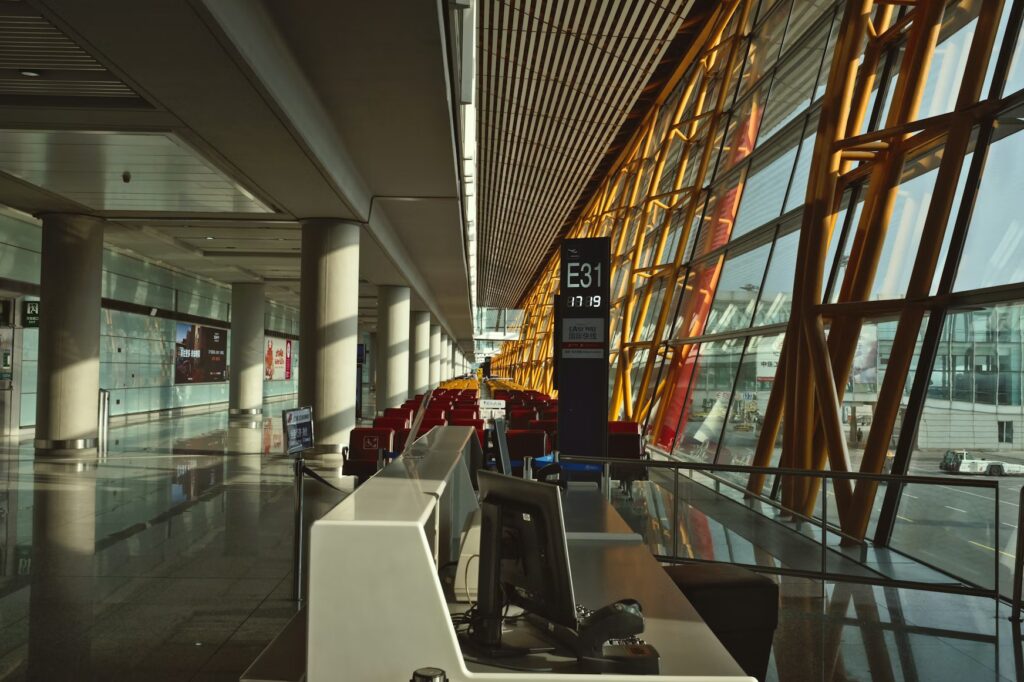
Haneda and Narita as arrival experiences
Haneda places travelers closer to the city. The shorter distance becomes noticeable when energy is low or arrival comes late. Reaching accommodation feels more direct, and the transition into Tokyo starts sooner.
With Narita, the journey often continues for a while after landing. There is still movement to complete before the city feels near, and that stretch asks for patience and attention. For travelers familiar with Japan, this often passes quietly. For first-time visitors or anyone arriving tired, it can slow the sense of arrival in subtle ways.
Both airports function smoothly. The difference appears in how quickly the city feels present.
When Tokyo isn’t the final stop
For travelers continuing onward the same day, arrival carries additional weight. Immigration, baggage collection, and customs require focus, followed by a period where attention stays on movement and timing. These steps unfold at their own pace, even when processes run smoothly. Schedules with wider margins tend to let this transition feel steadier. Arrival becomes part of the journey’s flow rather than a moment that demands urgency.
Comfort choices and arrival energy
Choices around airlines on this route often reflect how travelers want to feel when they arrive. Some prefer consistency and predictability, while others are comfortable adjusting as they go. Each approach can work well when expectations align with the experience being chosen. The flight usually fades quickly. What stays with you is the way you feel when you arrive, and how that carries into the first days.
How tiring this route usually is
Most travelers finish the flight with energy still there, just softened around the edges. The tiredness shows up in how the first day is paced and navigated. Many experienced travelers keep that day light, allowing movement, food, and rest to guide them gently into the new environment.
A quiet truth about this route
This flight often becomes the pace of what comes next. When the transition is allowed to unfold on its own, Tokyo opens gradually, meeting you at the flow you arrive with.
