



The route from Singapore to Hong Kong is a well-trodden path for many travelers, familiar and predictable enough to book quickly. It’s a quick hop across Asia, often seen as a practical connection, booked early and then forgotten as the rest of the trip takes shape. However, beneath the simplicity of this short flight, there are nuances that can surprise even seasoned travelers, particularly when it comes to timing, comfort, and the subtle flow of the journey.
How the Flight Tends to Feel
The physical experience of flying from Singapore to Hong Kong is defined by its brevity. Most travelers will remain awake for the duration of the flight, with only light, intermittent periods of rest. The cabin lights shift, meals are served, and time progresses steadily without any particular rush. There’s a quiet sense of movement, almost as if the flight is a bridge that’s simply carrying you from one place to another.
When the plane begins its descent, there’s usually a mild fatigue, but nothing overwhelming. You’ll find that walking through the terminal and following the signs feels manageable, even as your pace naturally slows. This gentle tiredness is often easy to underestimate while planning, but it becomes quite apparent once you’re navigating the airport in Hong Kong.
Direct vs. Connecting Flight Considerations

Choosing a direct flight between Singapore and Hong Kong often results in a sense of travel that feels contained and straightforward. With one boarding and one landing, the sense of movement resolves cleanly. Travelers can shift their attention toward the arrival: finding food, checking into accommodations, and settling into the city, without being distracted by the stress of connections.
On the other hand, if you’re connecting through Hong Kong to a further destination, the journey can stretch on. Focus stays on timing and procedures, with the body still in transit mode long after the plane touches down. While this extended focus doesn’t typically overwhelm, it can make the first few hours on the ground feel a bit more tiring, particularly if you arrive late in the day. A shorter, direct route tends to leave travelers feeling calmer, more settled as they enter the city.
Departure Timing and Arrival Rhythm
If you’re flying out of Singapore during the day, your arrival in Hong Kong usually feels relatively smooth. You’ll step off the plane aware of the time difference, but you’ll be oriented enough to move through the airport and into the city without difficulty. The rhythm of the transition is gentle, and the day seems to find its pace naturally.
However, for those boarding a red-eye flight (for example, a 1 a.m. departure), the experience changes. Some travelers arrive feeling mentally alert but physically flat, while others may immediately feel the need to rest. The first few hours after arrival often set the tone for the rest of the day, with travelers either pushing through or taking a slower, more relaxed pace.
Fatigue and Comfort Expectations
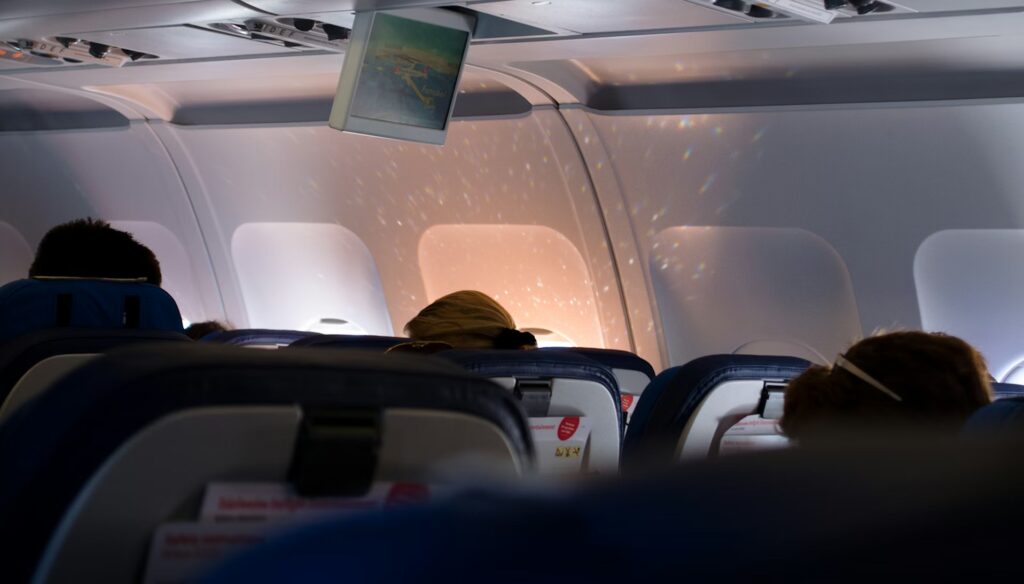
This flight tends to be relatively short, with fatigue still building, especially on late departures or overnight journeys. In terms of comfort, most travelers will find Cathay Pacific’s service to be decent. A typical flight on this route involves a small snack box, and for a red-eye flight, the catering might feel a bit lacking compared to other international flights. However, the flight’s short duration means it’s rarely enough to cause serious discomfort.
Cathay Pacific often serves light meals on short-haul flights, though red-eye service tends to be more minimal, which may not meet expectations for a full meal. It’s also worth noting that the standard snack box, while sufficient, might not be the highlight of your journey. If you’re flying this route, it’s best to plan ahead and not rely too heavily on onboard meals.
Who This Route Works Well For
This flight tends to work best for travelers looking for a quick connection between two major cities. It’s ideal for business travelers, short-term visitors, or anyone simply passing through Hong Kong on their way to another destination. The route is easy to navigate and doesn’t demand much physical exertion, so it’s suitable for most travelers with average fitness levels.
However, if you’re someone who struggles with sleep deprivation or the lack of substantial in-flight meals, a red-eye flight might not be the best choice. The short flight doesn’t leave much room for deep rest, and the minimal catering could add to the sense of fatigue.
Final Thoughts
The flight from Singapore to Hong Kong is straightforward, practical, and relatively smooth. The journey doesn’t demand much attention, and the arrival tends to feel manageable despite the possible mild fatigue. With a direct route, you’ll find yourself in Hong Kong quickly, though there are small nuances, such as catering and departure times, that can make the flight feel easier or harder than expected.

For those simply connecting or needing a quick flight between the two cities, this route serves its purpose well. But if you’re looking for a luxurious experience or an extended rest, you may want to reconsider and explore other options.
