



Shanghai to Tokyo often enters an itinerary quietly. It sits close on the map, appears frequently in flight searches, and feels familiar enough that many travelers book it without much deliberation, fitting it between other plans rather than holding it up as a defining part of the trip.
What tends to linger is the way the journey carries you across that shift. The flight rarely demands attention in obvious ways. Movement unfolds steadily, time compresses without disappearing, and the sense of travel gathers through small, physical markers that stay with you after landing.
Seen as a continuation rather than a pause, the route often holds together, as if the trip never fully stops before changing direction again.
How the flight tends to feel

The distance registers lightly in the body. Most travelers remain awake for much of the flight, drifting through short rests that never deepen enough to fully reset. Cabin routines repeat, meals pass, screens glow and dim, and time moves forward without much pressure building.
As descent begins, energy is usually still present, though softened. Movement remains available rather than strained, and the body continues to follow signs, corridors, and lines without resistance. Fatigue sits more as a background texture than a limiting force. It’s easy to overlook while planning and clearer only once you are already moving through the terminal.
Direct flights and continuity
Direct flights keep the journey contained. One boarding, one landing, and the sense of motion resolves cleanly, letting attention turn toward arrival rather than coordination. The body stays oriented instead of alert, allowing the transition to remain smooth.
When connections enter the picture, the journey stretches outward. Focus stays tied to timing and procedures, and the body holds itself in transit for longer. Over a route like this, that extension rarely overwhelms, though it can quietly flatten the first hours on the ground, especially when arrival comes late. Keeping the path simple often allows the day to settle more naturally once Tokyo comes into view on the ground.
Departure rhythm and arrival timing
Daytime departures from Shanghai tend to arrive with clarity intact. You step off the plane aware of where you are and what comes next, able to move through the airport without effort. The shift in place registers without asking for too much adjustment all at once.
Later departures carry a softer edge. Some travelers arrive alert but slightly dulled, others feel the pull of rest sooner than expected. These differences usually surface after arrival, shaping the tone of the first evening. Leaving room in the schedule gives the body space to absorb the change without needing to compensate.
Haneda and Narita as entry points
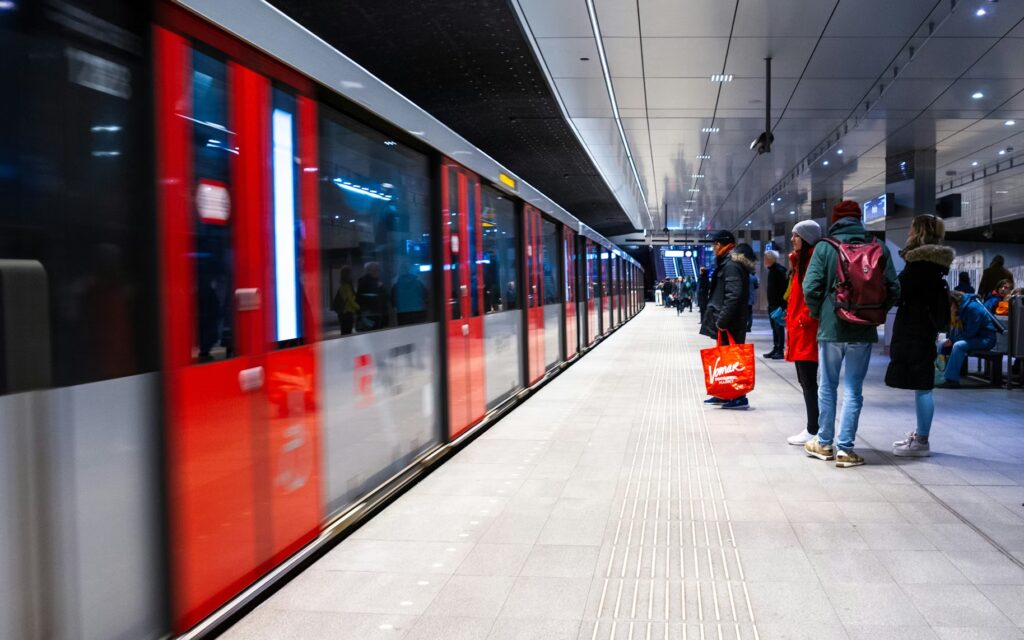
Haneda brings Tokyo close. The reduced distance becomes noticeable when energy is limited or when the day has already carried weight. Reaching the city feels direct, and the sense of arrival forms sooner, often before tiredness sharpens.
Narita extends the landing. More movement remains before presence settles in. For experienced travelers, this passes quietly. For those arriving with less margin, the distance can stretch the transition in subtle ways.
Both airports function smoothly. The difference shows itself in how quickly Tokyo begins to feel tangible.
When Tokyo isn’t the final destination
For travelers continuing onward the same day, arrival takes on a different tone. Immigration, baggage, and onward movement ask for sustained attention, keeping the body in motion rather than allowing it to settle.
Schedules with breathing room tend to preserve continuity, letting arrival remain part of the journey instead of a moment that demands urgency.
Airline choice and arrival condition
Choices between full-service and budget carriers on this route often reflect personal tolerance. The flight passes, and memory forms around how intact the body feels once movement resumes on the ground. When expectations align with the experience chosen, the route holds together easily, allowing arrival to unfold without friction.
How tiring this route usually is
Most travelers arrive with energy still there, just spread a little thinner. The day naturally moves at a gentler pace. Many find the first day works best when kept open, letting walking, food, and rest shape themselves naturally.
A quiet truth about this route
Shanghai to Tokyo moves quietly as a shift, carrying little weight and letting change settle gradually. When the transition remains unforced, Tokyo tends to open at the speed you arrive with, meeting you already in motion on the ground.
Related Articles
Is Japan Worth Visiting for You? A Reality-Based Guide for First-Time Travelers
