
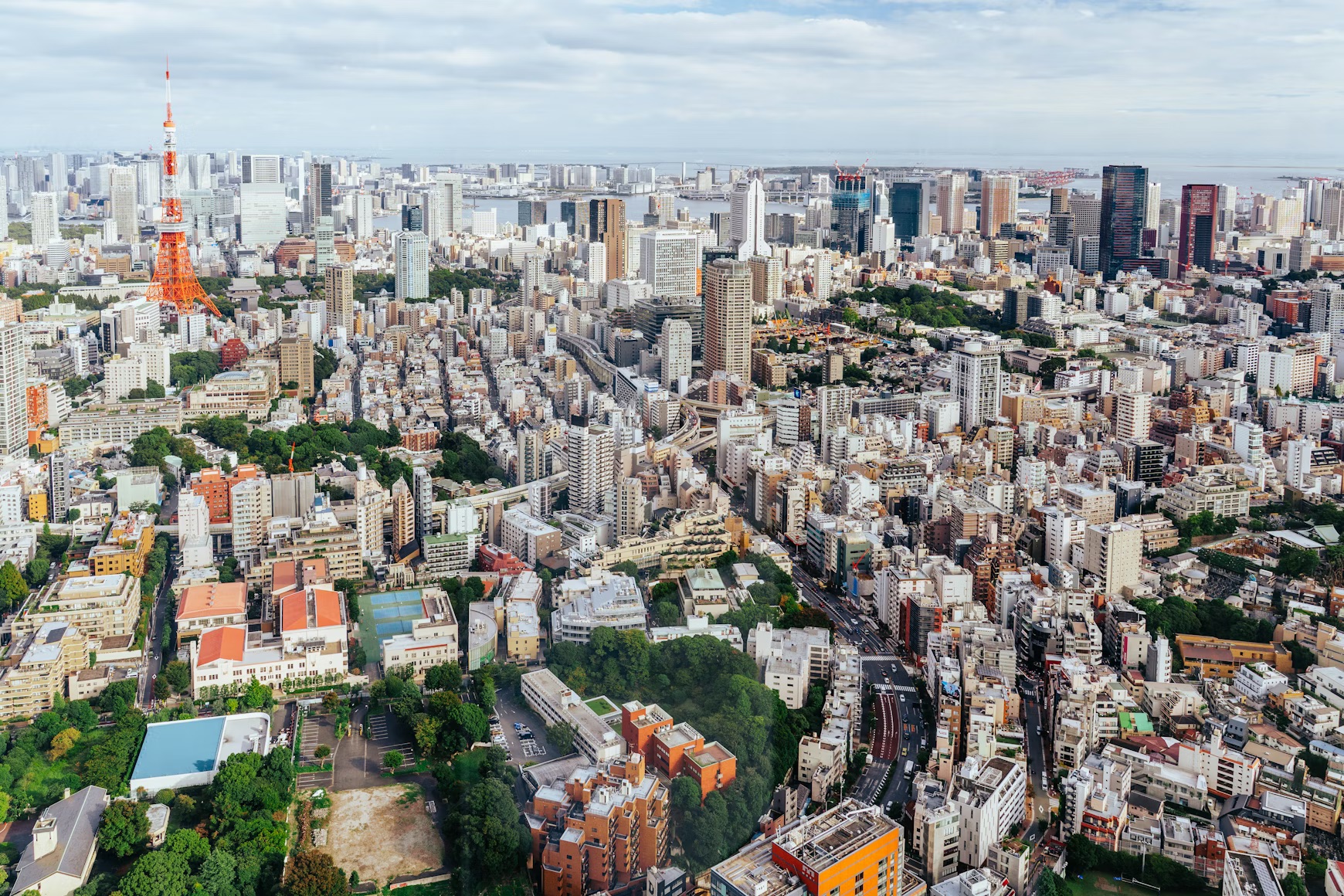
Japan is a fascinating country where the ancient meets the modern, offering travelers a rich cultural experience that spans from its famous landmarks to the traditions that have been passed down through centuries. Whether you’re seeking Japan landmarks like Mount Fuji or exploring the unique Japanese food culture, Japan offers diverse attractions that cater to all interests. From the modern bustle of Tokyo to the serenity of Kyoto’s temples, here are 15 famous landmarks and cultural experiences that define what Japan is known for.
Breathtaking Japanese Landscapes & Nature
1. Mount Fuji: Japan’s Iconic Symbol and Spiritual Peak
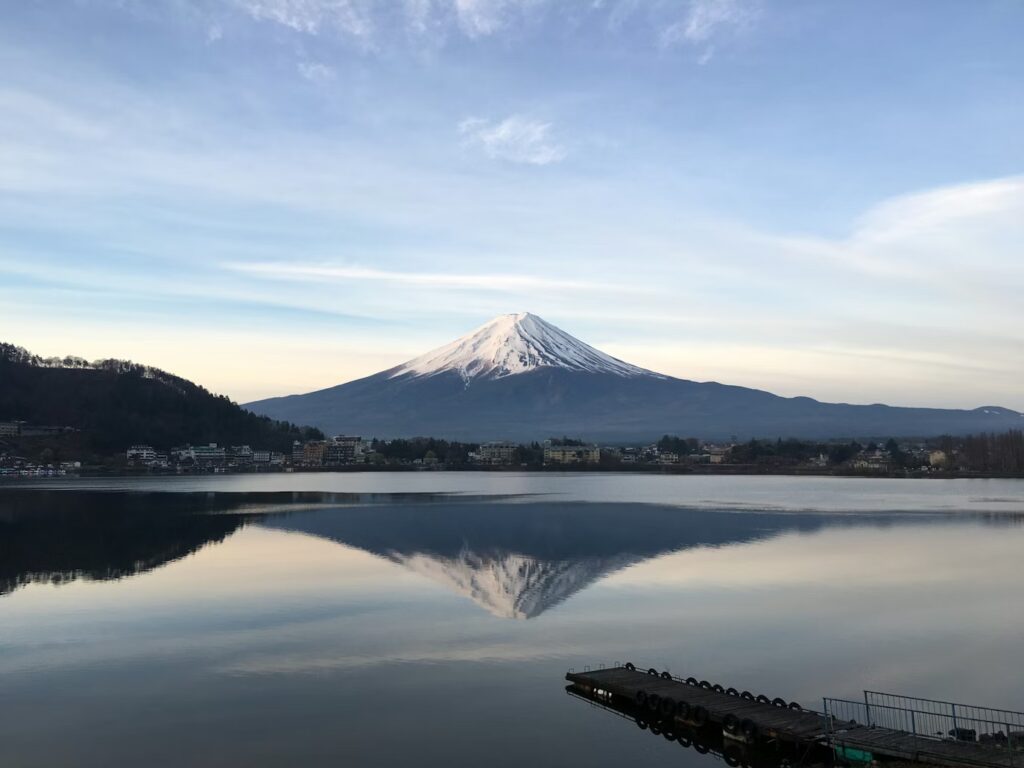
Mount Fuji, Japan’s tallest and most iconic peak, is not only a breathtaking natural landmark but also a symbol of Japan’s cultural and spiritual heritage. Revered in Shinto culture, Fuji-san has deep spiritual significance, symbolizing Japan’s connection to nature and its historical traditions. Climbing Mount Fuji or visiting Lake Kawaguchiko at its base offers one of the most picturesque views of this majestic volcano. The snow-covered peak in winter and the stunning surrounding landscapes in spring and fall make it a must-see for anyone seeking to experience Japan’s iconic beauty and spirituality.
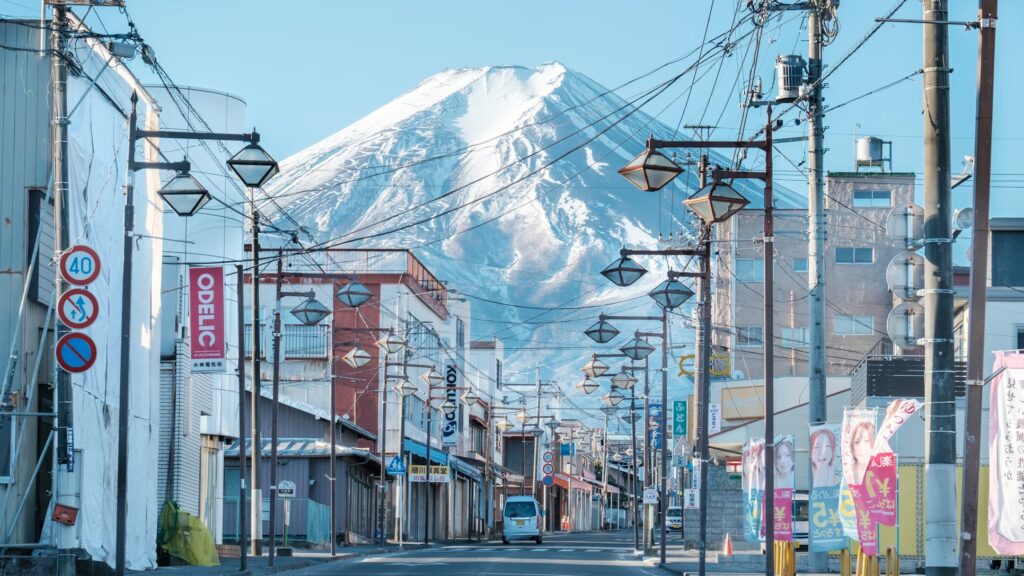
For those looking to climb Mount Fuji, the hiking season runs from July to September. However, if you’re seeking the most picturesque views, a visit in winter is ideal, when the snow-covered peak stands out against the clear blue sky. The peaceful lake and surrounding parks offer perfect vantage points for stunning photographs, making it one of the most revered landmarks in Japan.
2. Cherry Blossoms (Sakura): A Seasonal Phenomenon
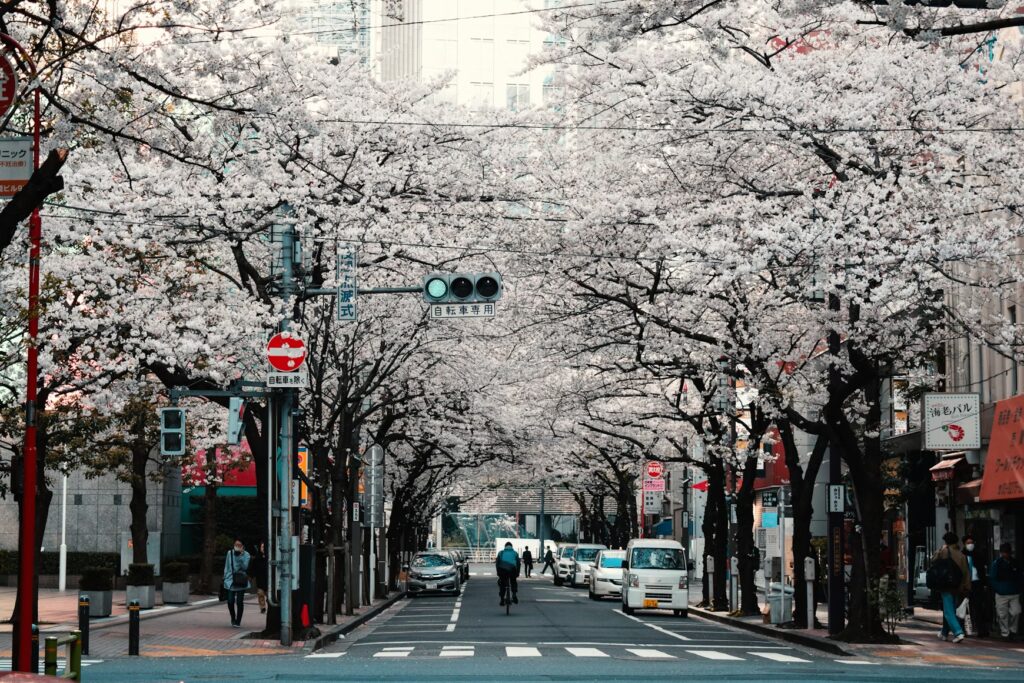
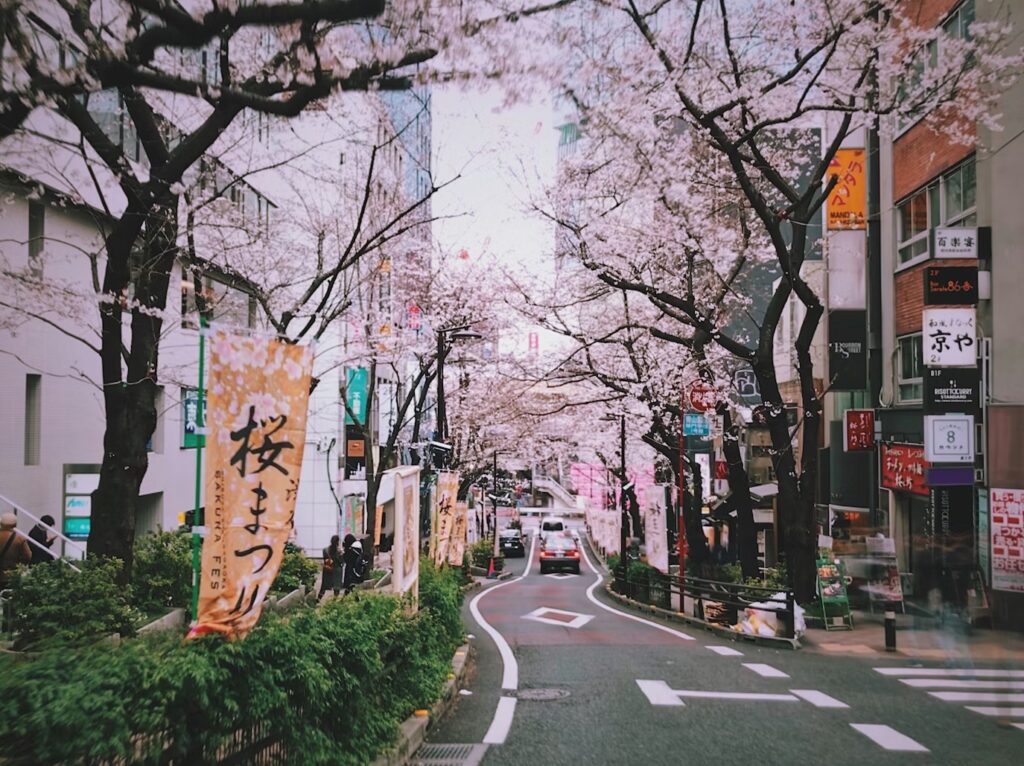
Sakura, or cherry blossoms, are symbolic of Japan’s natural beauty and the fleeting nature of life. Every year, parks, streets, and riversides across Japan are transformed into breathtaking landscapes of soft pink and white blossoms. The cherry blossom season is not only a natural spectacle but also deeply embedded in Japanese culture, representing renewal, hope, and the transience of life.
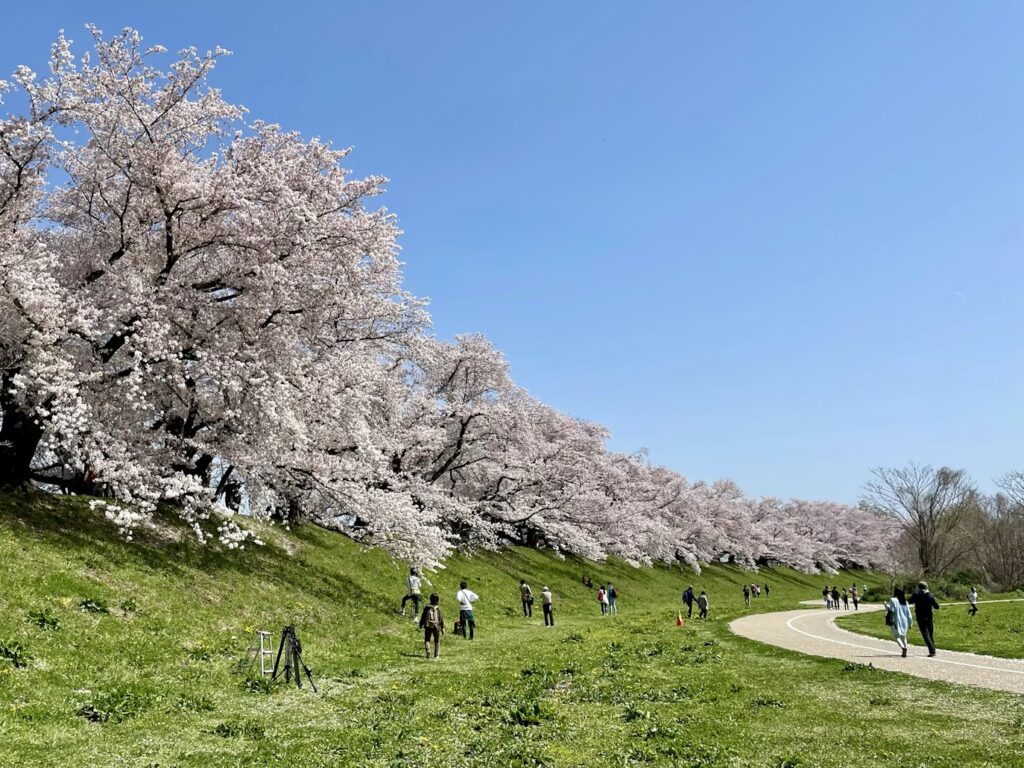
Kyoto and Tokyo are famous for their cherry blossom spots. Ueno Park in Tokyo and Maruyama Park in Kyoto are especially popular during peak blooming season (late March to early April), where you can witness locals enjoying hanami (flower viewing) picnics beneath the blossoms. Visiting these spots offers not just beautiful scenery but also a sense of community and cultural tradition.
3. Arashiyama Bamboo Grove: Japan’s Natural Wonderland
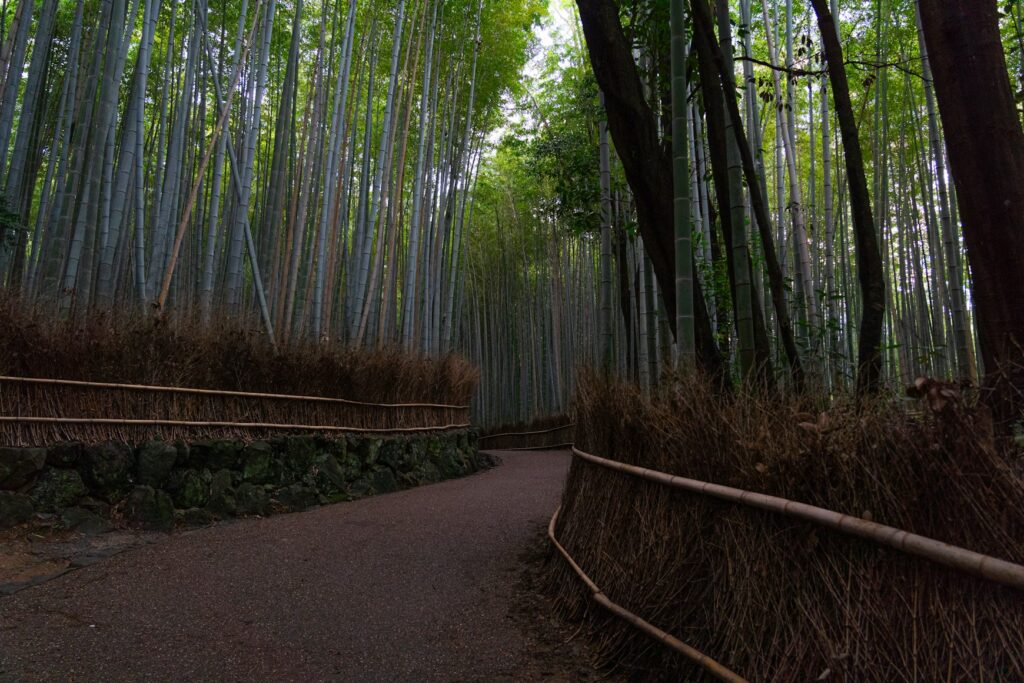
The Arashiyama Bamboo Grove in Kyoto is another of Japan’s most beautiful natural landmarks. As you walk through the towering bamboo stalks, you’ll be enveloped in a serene atmosphere, with the sunlight filtering through the green leaves above. This picturesque location has become one of the most photographed natural sites in Japan.
Located in the Arashiyama district of Kyoto, this peaceful grove is easily accessible by train from Kyoto Station. It’s a perfect place for reflection, photography, and experiencing Japan’s stunning natural beauty.
Japan’s Deep Cultural Heritage & Temples
4. Fushimi Inari Taisha: The Sacred Torii Gates of Kyoto
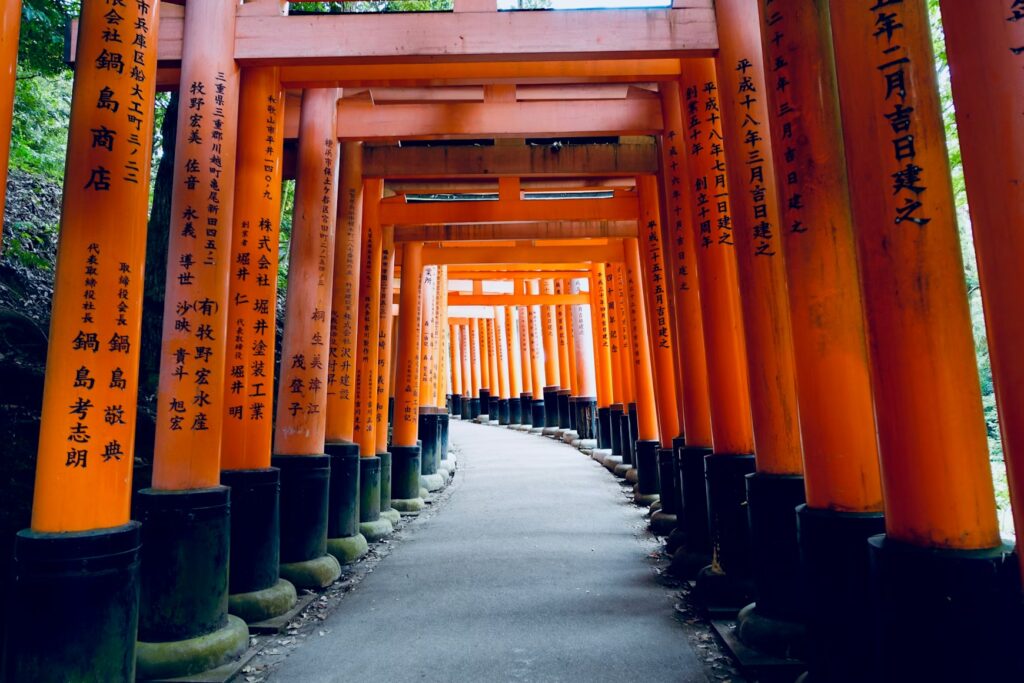
Fushimi Inari Taisha in Kyoto is one of Japan’s most recognizable temples, known for its thousands of red torii gates that lead visitors up the mountain. The shrine is dedicated to the Shinto god of rice and agriculture, Inari, and has been a spiritual site for centuries. Walking through these iconic gates, also called Senbon Torii (thousands of torii gates), offers a surreal experience as the path seems endless.
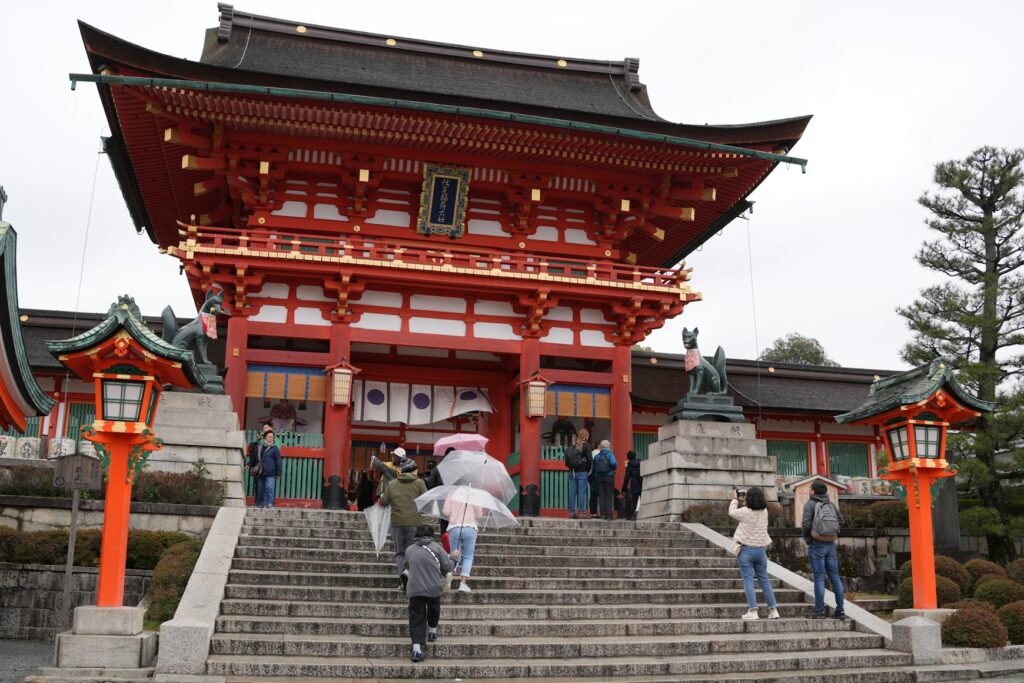
The temple itself is free to visit, but hiking up the mountain offers stunning views of Kyoto and the surrounding countryside. The journey, though a bit challenging, is worth the effort for the experience of walking through a sacred site that has become one of Japan’s most popular landmarks.
5. Kinkaku-ji (Golden Pavilion): Kyoto’s Iconic Temple

Kinkaku-ji, also known as the Golden Pavilion, is one of the most stunning temples in Japan. Covered in gold leaf, the temple sits beside a reflective pond, surrounded by meticulously designed gardens. Its beauty, both in design and location, makes it one of Japan’s most iconic landmarks.
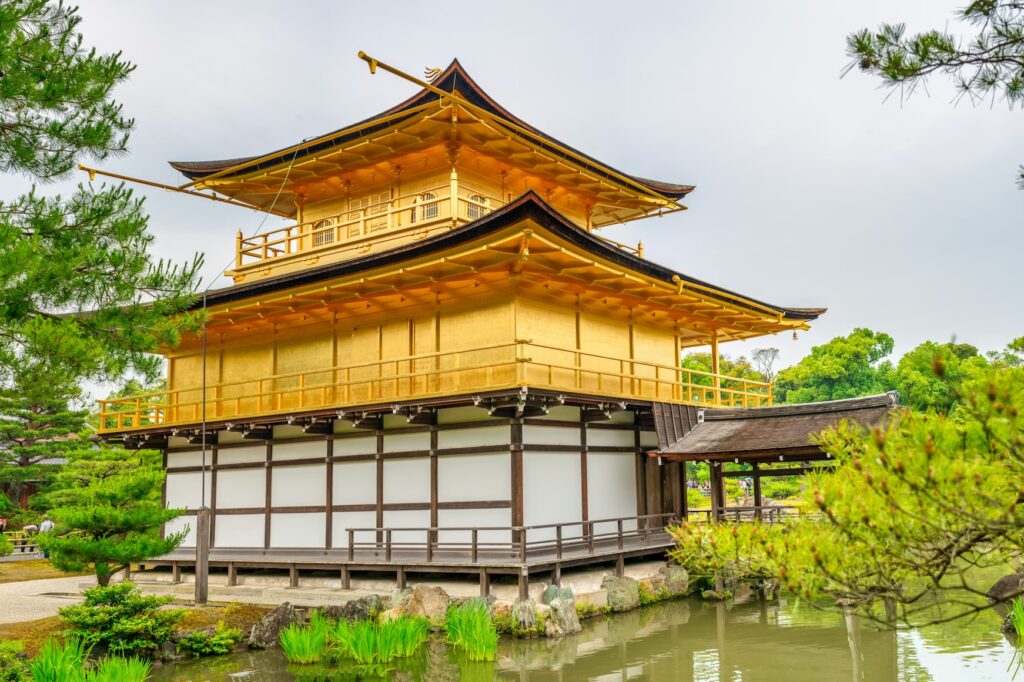
A visit to Kinkaku-ji offers a chance to step back in time and appreciate the architecture of the Muromachi period. Located in Kyoto, this temple is easily accessible by bus or taxi, and its peaceful atmosphere offers a beautiful contrast to the busy streets of the city.
6. Geisha Culture in Gion: A Timeless Tradition and Cultural Gem
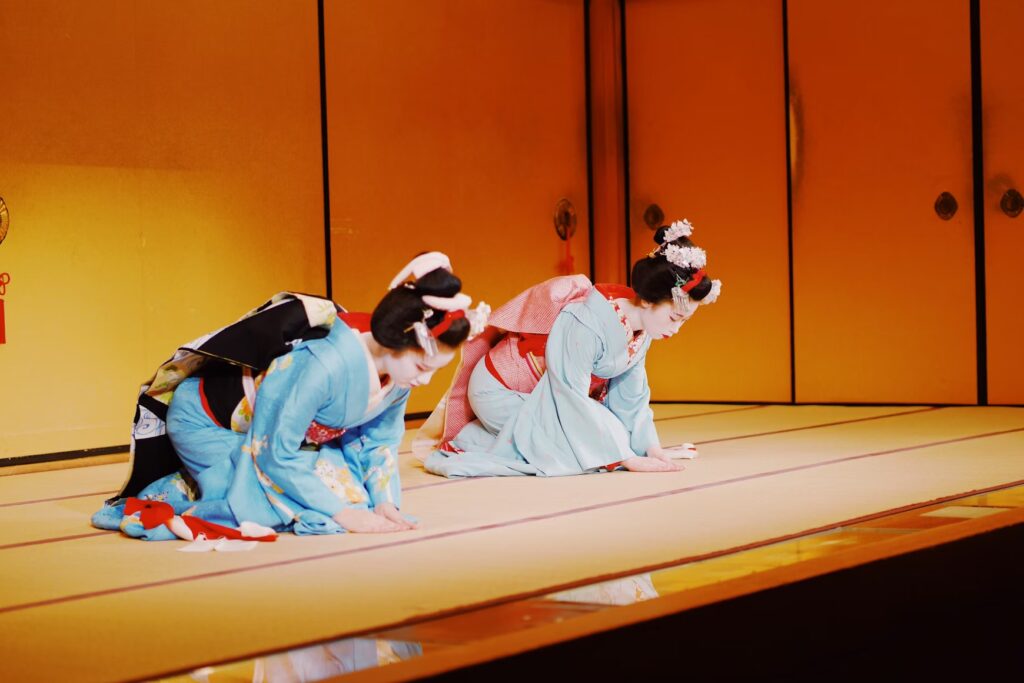
Kyoto’s Gion District is one of Japan’s most treasured cultural gems, preserving the rich heritage of Geisha culture. Here, visitors can experience the art of Geisha and Maiko (apprentice Geisha) performing traditional tea ceremonies, dance, and music, which have been passed down for centuries. Strolling through Gion’s narrow streets lined with historical machiya houses, you can witness a living tradition that brings Japan’s ancient elegance to life. For a truly immersive experience, visit Gion in the evening to see Geisha in their traditional attire, adding an air of mystery to the streets of Kyoto.
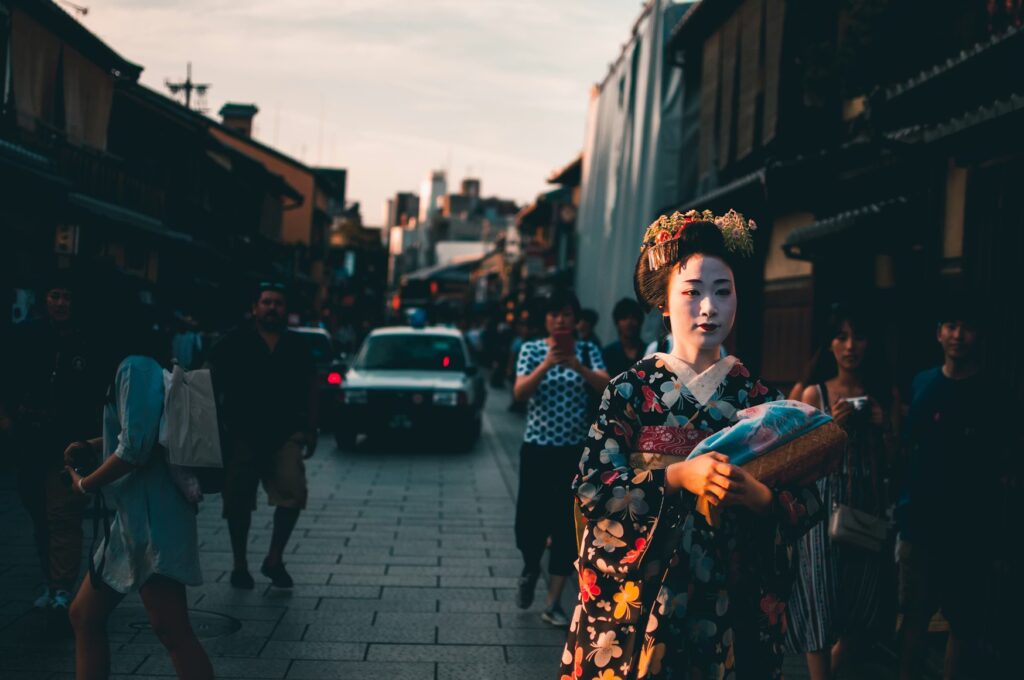
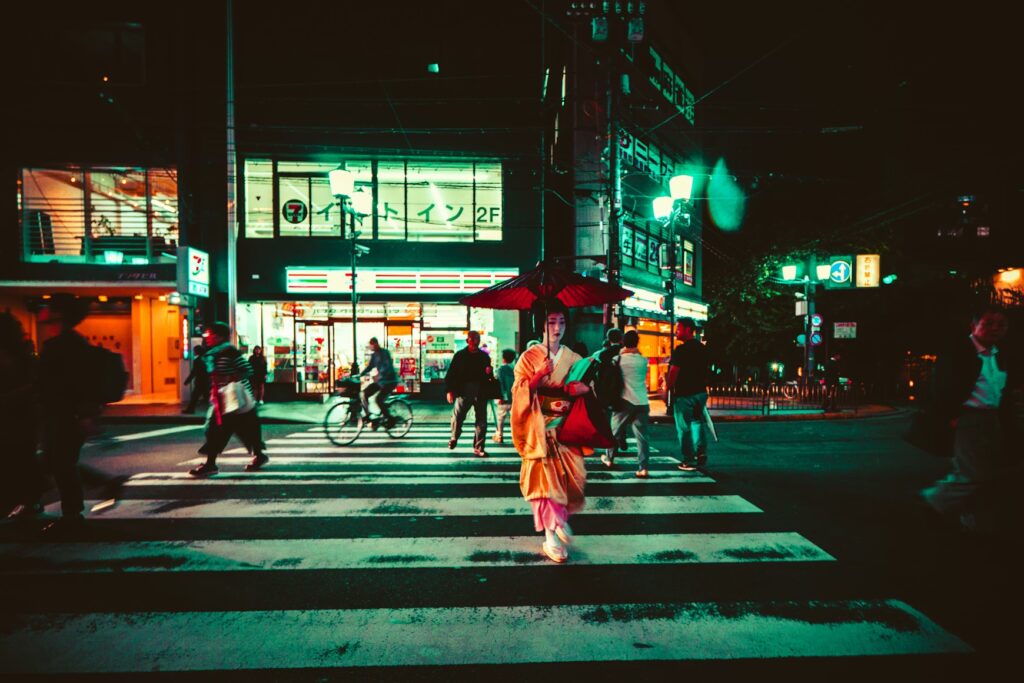
Visitors can witness Geisha in full traditional attire as they walk to their appointments, adding a sense of mystery and wonder to the already enchanting atmosphere. The best time to visit Gion is in the evening when the district truly comes alive, offering a chance to see Geisha culture in its natural habitat.
7. Onsen Culture: Japan’s Healing Hot Springs
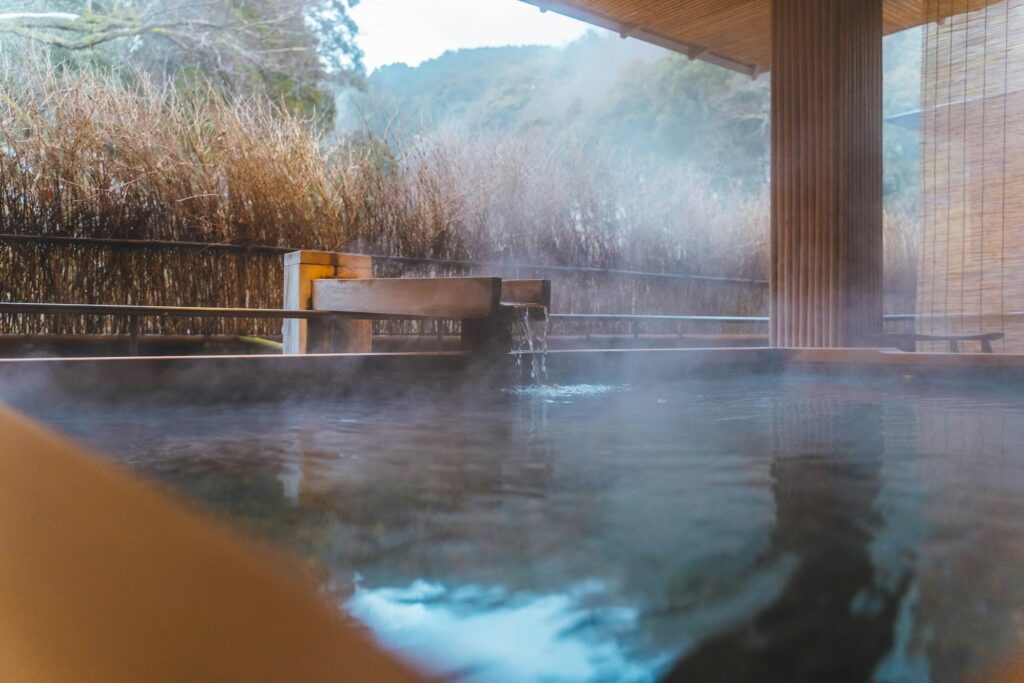
Onsen, or natural hot springs, are an integral part of Japanese culture. Bathing in these natural hot springs, often located in scenic areas, is believed to have healing properties for both the body and mind. Onsen bathing is an age-old tradition that has been perfected over centuries.
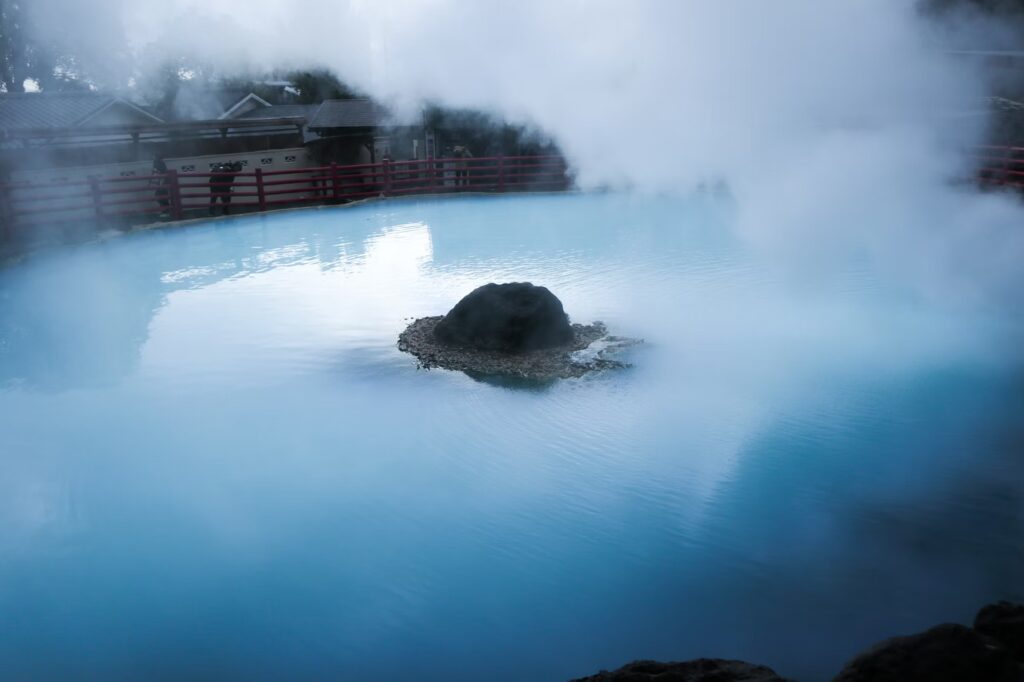
Popular onsen towns include Hakone, Beppu, and Ibusuki, where visitors can experience the therapeutic powers of Japan’s natural waters. These hot springs are not only places for relaxation but also cultural experiences, as they’re often set in tranquil natural surroundings.
8. The Art of Tea Ceremony: The Tradition of Japanese Tea
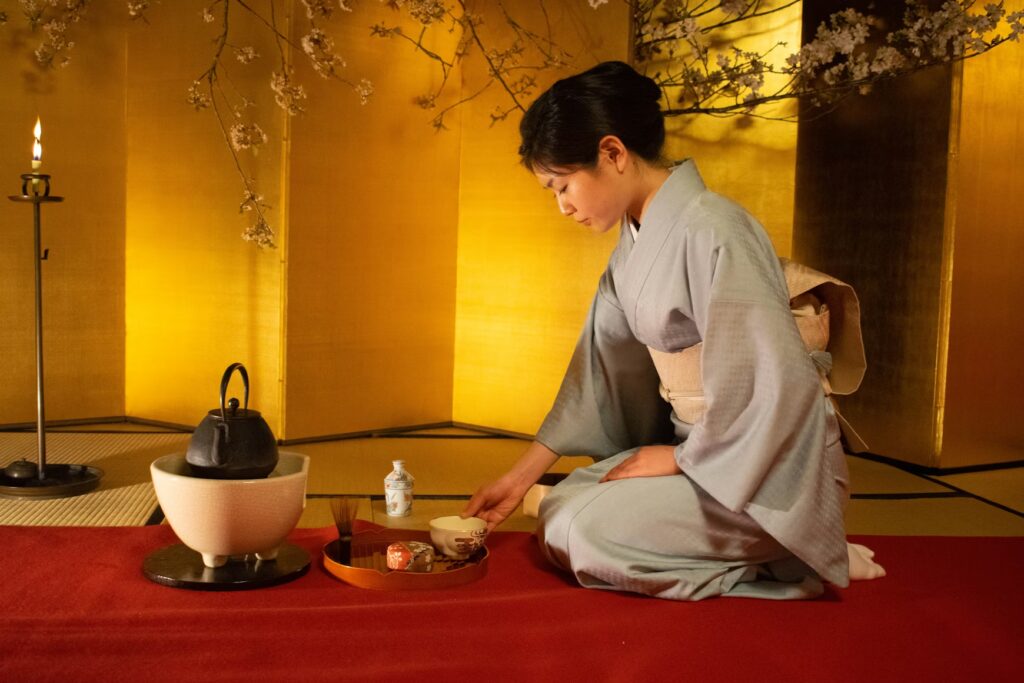
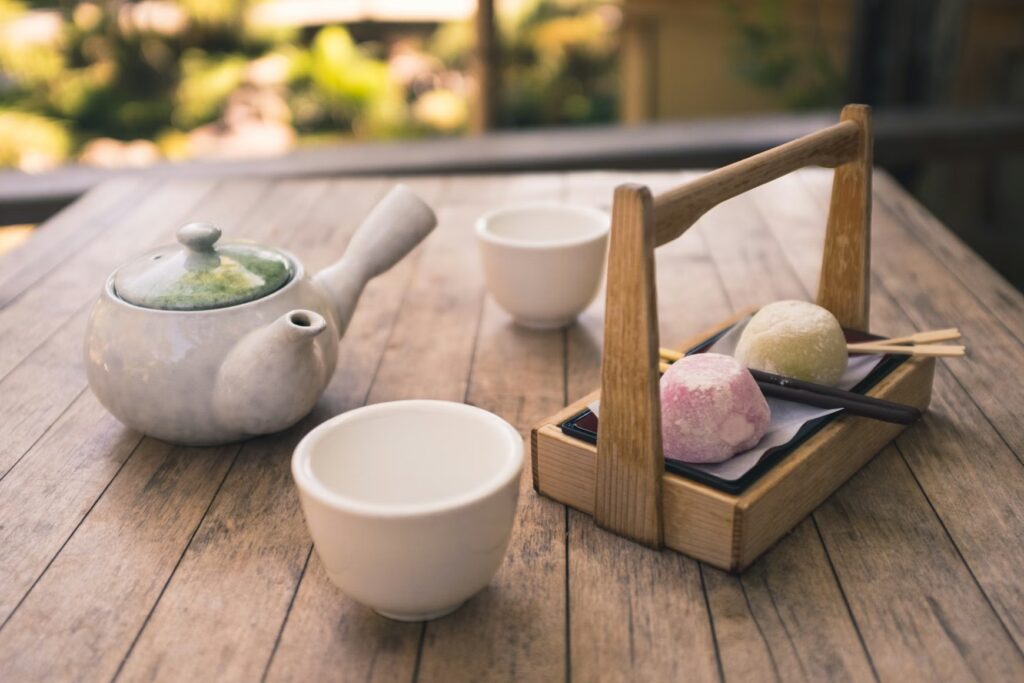
The Japanese tea ceremony, or chanoyu, is a centuries-old tradition that involves the ceremonial preparation and consumption of matcha (powdered green tea). It’s an expression of Zen Buddhism and an opportunity for participants to practice mindfulness and appreciation of simplicity. Additionally, visitors can participate in a tea ceremony in Kyoto, particularly in Kiyomizu-dera or traditional teahouses in Gion. If you’re short on time, many cultural centers in Kyoto offer short, but immersive, tea ceremony experiences.
Japanese Food Culture: A Journey Through Flavor
9. Sushi & Sashimi: Japan’s Culinary Art and Global Delight
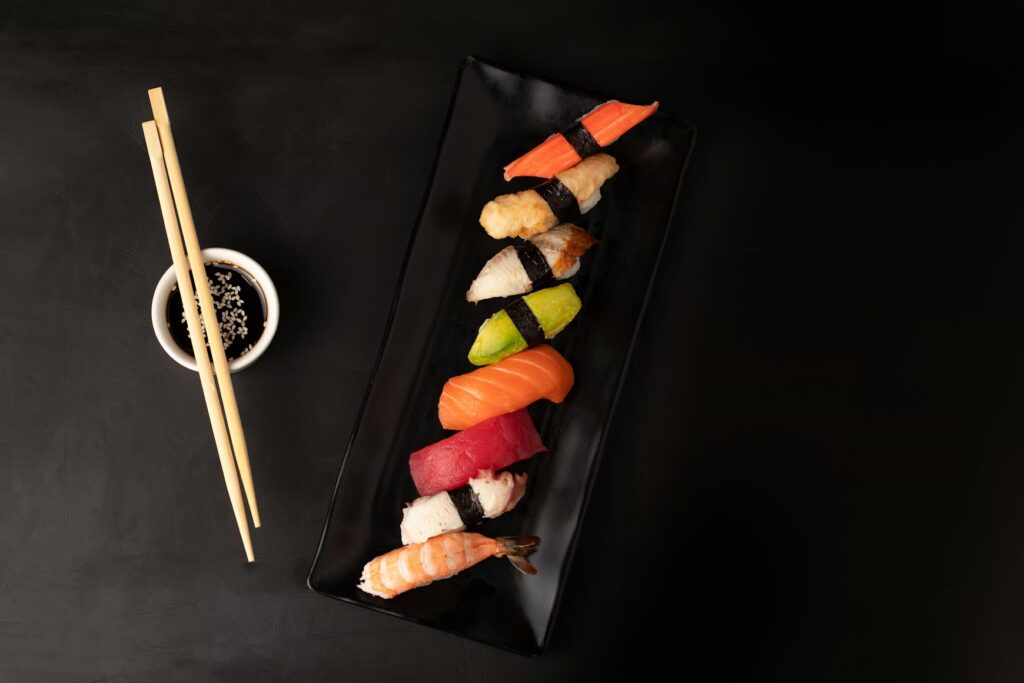
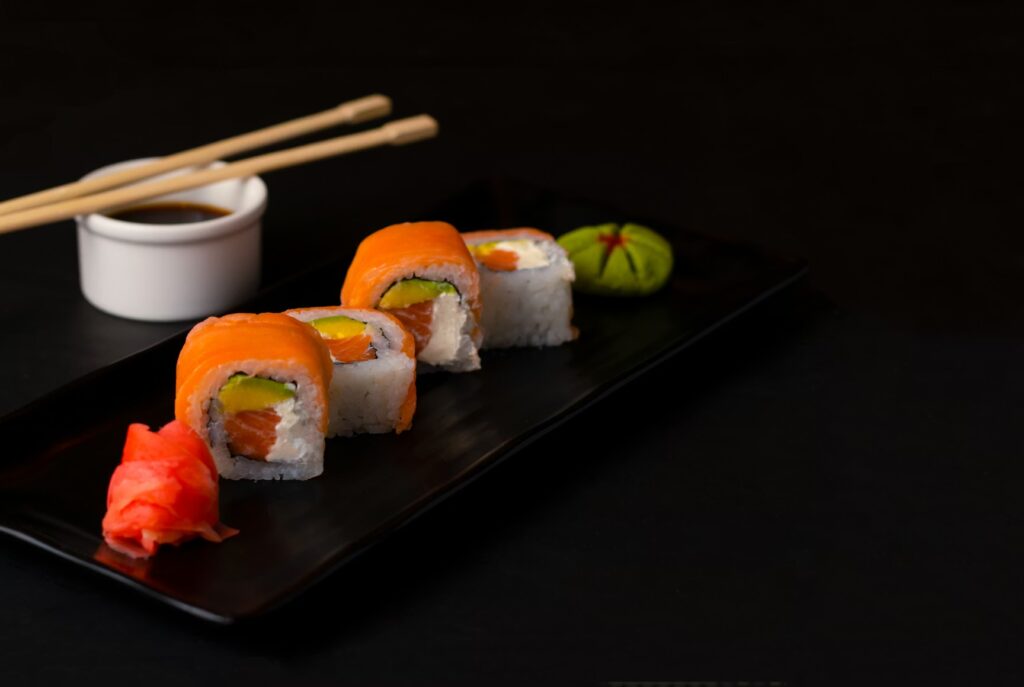
Sushi and sashimi are not just Japan’s culinary icons but also global ambassadors of its rich food culture. Sushi, with its vinegared rice and fresh raw fish, is an expression of Japan’s delicate approach to flavor and presentation, while sashimi, thinly sliced raw fish, offers a pure, unadulterated taste of the ocean. For an authentic experience, visit Tokyo’s Tsukiji Outer Market to savor the freshest sushi and sashimi expertly prepared by skilled chefs. Sushi-making experiences in Japan also allow visitors to learn the traditional art of crafting this iconic dish, deeply rooted in Japanese culture.
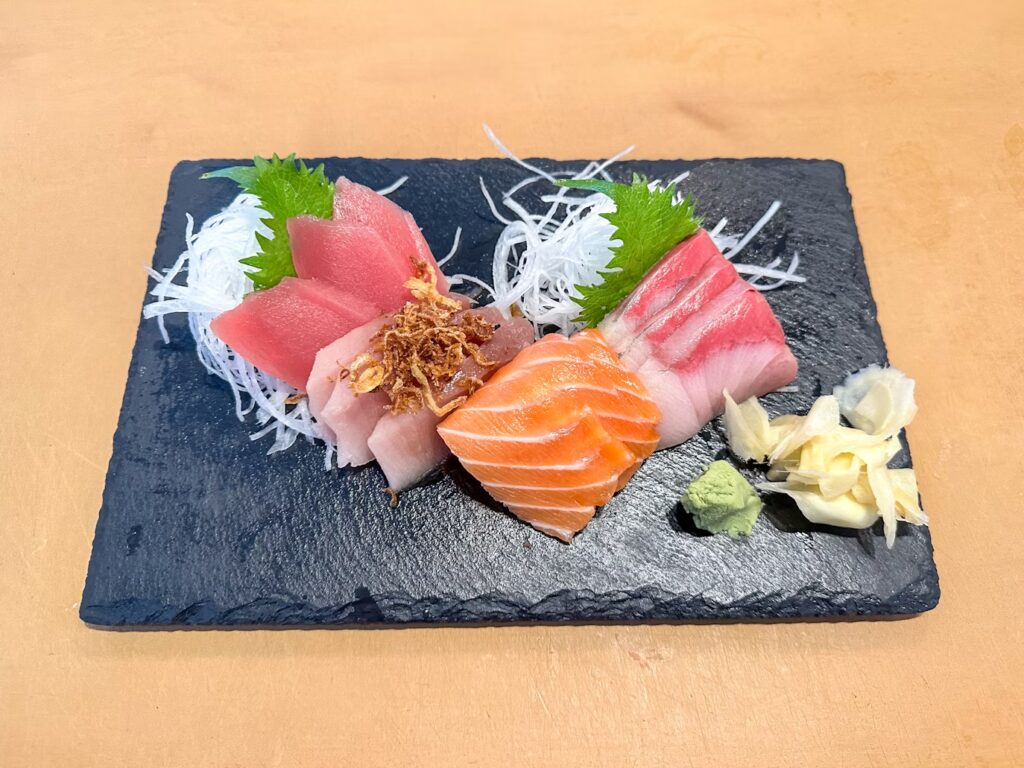
Tokyo’s Tsukiji Outer Market is one of the best places to try the freshest sushi and sashimi. You can visit small restaurants where the chefs serve expertly crafted dishes made with the highest quality seafood.
10. Ramen: Japan’s Comfort Food

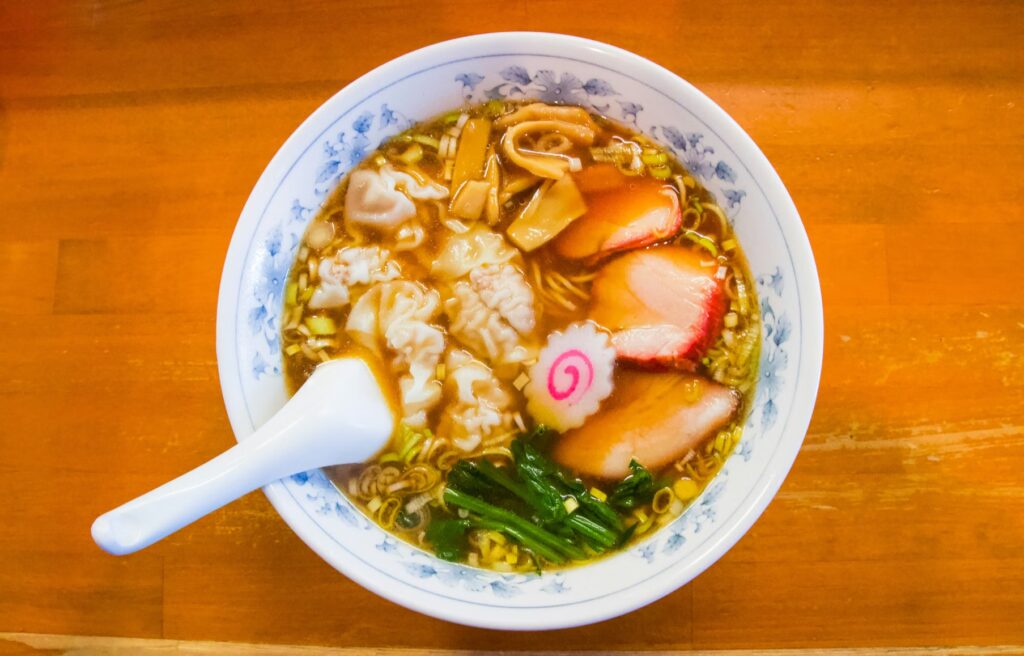
Ramen, a dish that has become a global favorite, is a staple of Japanese food culture. With a rich broth, chewy noodles, and various toppings, ramen offers warmth and comfort in a bowl. There are several regional variations, from the miso-based ramen in Sapporo to the tonkotsu ramen in Hakata. Visitors can enjoy a bowl of ramen at one of Tokyo’s many ramen shops, or even take part in a ramen-making experience, learning how to prepare this quintessential Japanese dish.
11. Matcha: Japan’s Green Tea Legacy

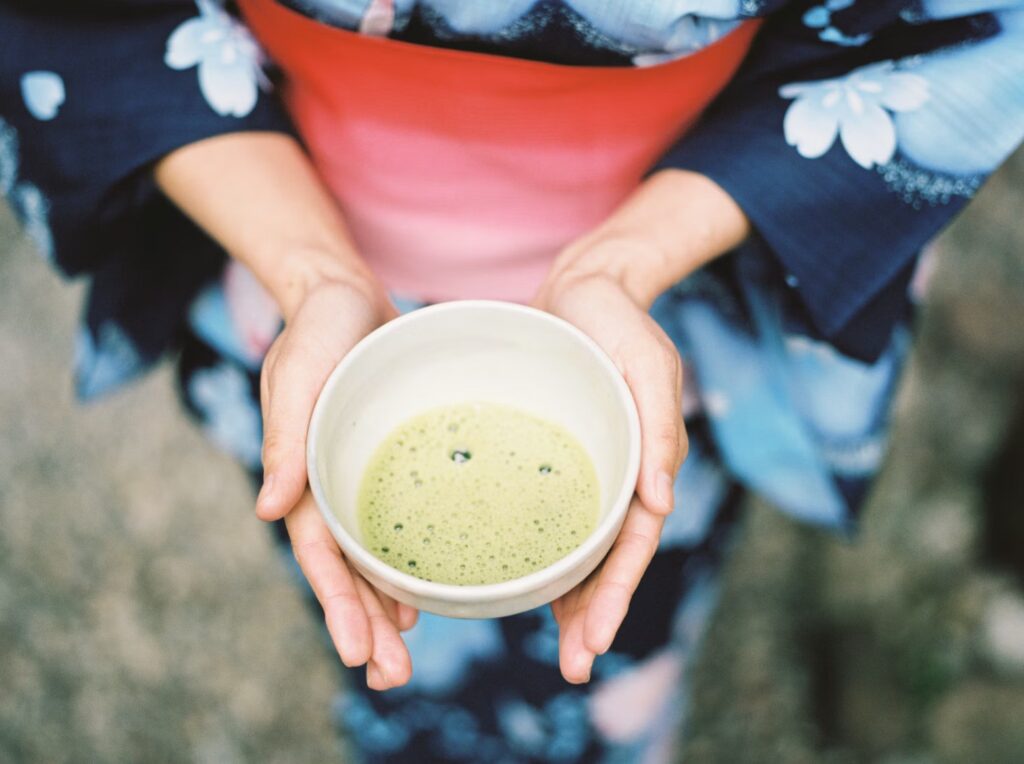
Japan’s matcha (powdered green tea) is not only used in traditional tea ceremonies but also in a variety of modern food products. From matcha-flavored ice cream to matcha lattes, this vibrant green tea flavor is a hallmark of Japan’s food culture. For the ultimate matcha experience, visit Uji near Kyoto, known as the birthplace of matcha. In this area, you can enjoy matcha in its traditional form in a tea ceremony, or try matcha-flavored sweets and drinks that are popular across Japan.
The Future: Modern Wonders of Japan
12. Shinkansen: Japan’s Iconic Bullet Train and Symbol of Innovation


The Shinkansen, Japan’s legendary bullet train, is a symbol of the country’s technological innovation and efficiency. Traveling at speeds up to 320 km/h, the Shinkansen offers fast and comfortable travel between cities like Tokyo and Osaka, making it an essential part of Japan’s modern landscape. But the Shinkansen is more than just a mode of transport, it embodies Japan’s commitment to precision, cutting-edge technology, and seamless travel. A ride on the bullet train is not only a convenient way to explore Japan, but also a unique experience that highlights the nation’s innovative spirit.
13. Anime and Manga: A Cultural Powerhouse
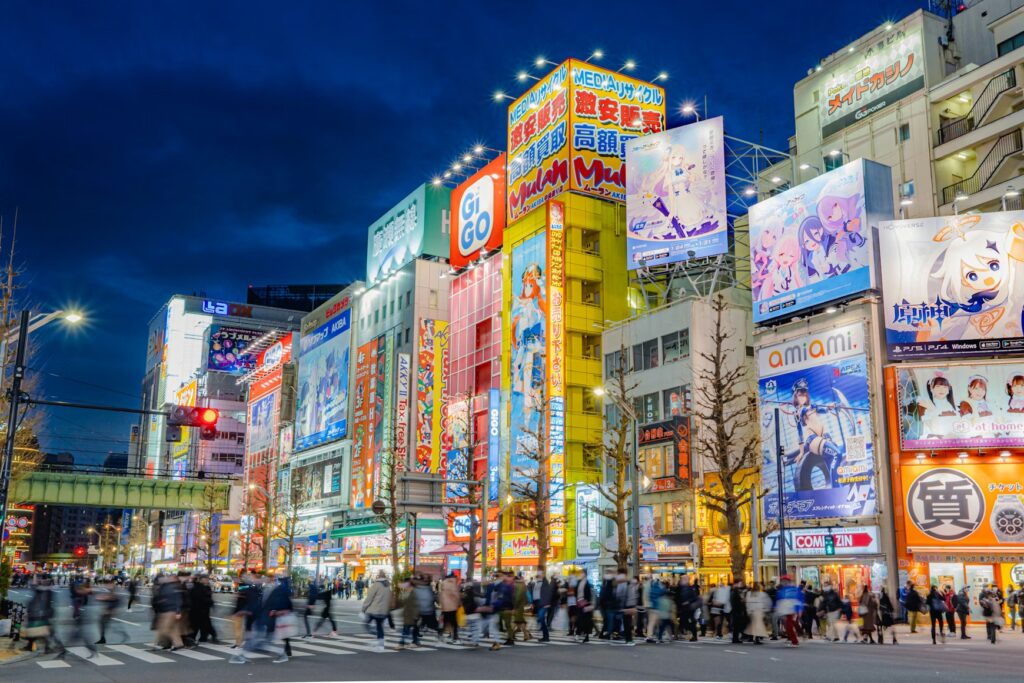
Anime and manga are synonymous with Japanese pop culture, and Japan is renowned as the birthplace of this global phenomenon. Tokyo’s Akihabara district is a haven for anime lovers, with stores selling everything from manga and figurines to anime-themed cafes and arcades. For fans of anime and manga, visiting Tokyo’s Akihabara or attending Comiket (the world’s largest comic convention) is a must-do activity to fully immerse in this aspect of Japanese culture.
14. High-Tech Vending Machines & Convenience Stores (Konbini)
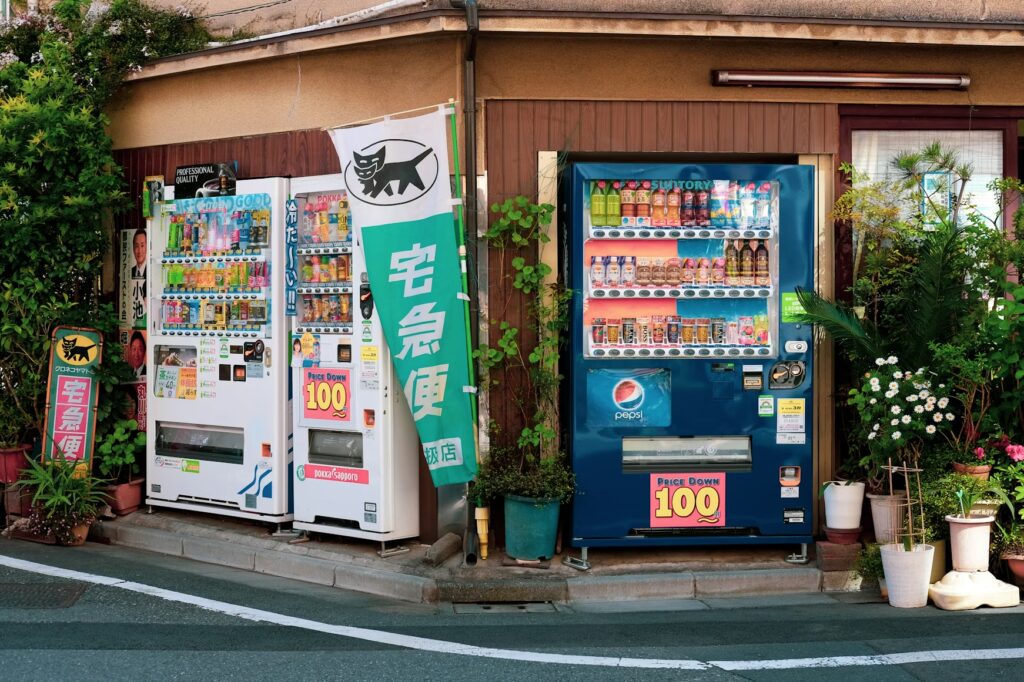
Vending machines and konbini (convenience stores) are two quintessential aspects of Japanese daily life. Vending machines in Japan offer everything from hot meals and drinks to fresh fruit, and they can be found on almost every corner. The konbini is also a staple, offering ready-to-eat meals, snacks, and even unique items like onigiri (rice balls) and karaage (fried chicken).


You’ll find vending machines and konbini in every city, from Tokyo to Osaka, making it easy to grab a quick bite or drink on the go. This level of convenience is a hallmark of Japan’s commitment to offering an easy, efficient lifestyle.
15. The Shibuya Scramble Crossing: Organized Chaos in Tokyo
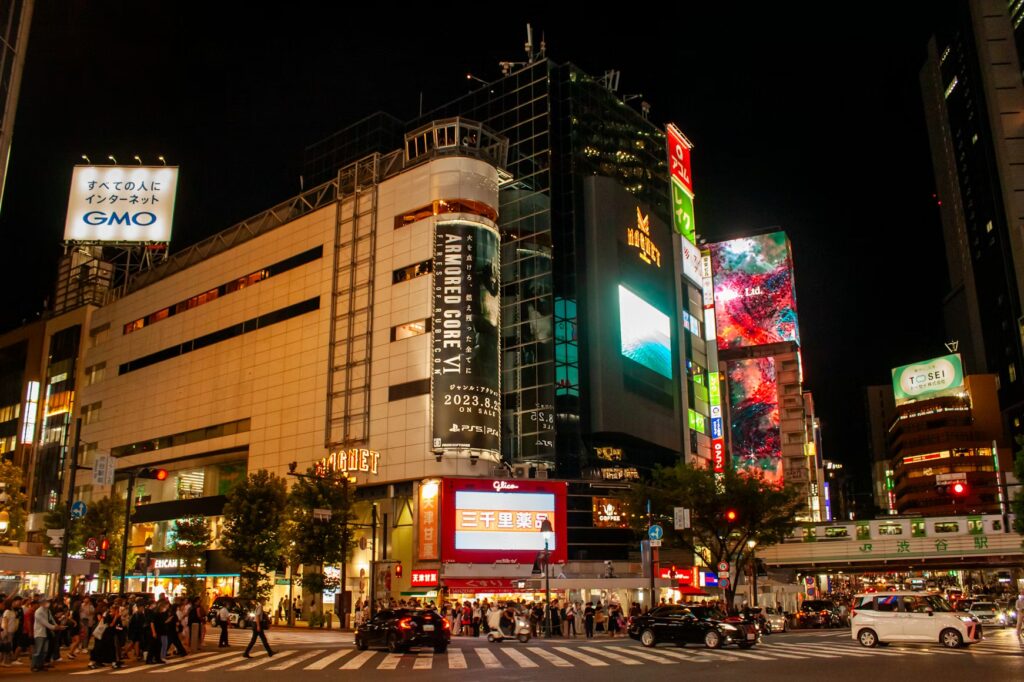
The Shibuya Scramble Crossing is a symbol of Tokyo’s organized chaos, where hundreds of people cross the street in every direction, creating a mesmerizing scene. This is one of the most iconic experiences in Tokyo. Visiting Shibuya Crossing at night provides you with the full neon-lit effect of the district.
Conclusion: Discover What Japan is Known For
From the iconic Mount Fuji to the peaceful temples of Kyoto, Japan is known for its remarkable landmarks and cultural experiences.
Whether you’re exploring the technological advancements in Tokyo, relaxing in onsen towns, or enjoying the traditional elegance of Kyoto, Japan’s cities and attractions provide endless opportunities to discover the essence of the country. For those interested in Japanese food culture, ramen, and sushi, as well as anime and pop culture, there’s no shortage of unique experiences awaiting you. Japan’s blend of history, nature, and modern innovation offers something for everyone, making it a destination worth experiencing firsthand.