



The Alhambra, a UNESCO World Heritage site, is one of Spain’s most iconic and awe-inspiring landmarks. Nestled in the hills of Granada, this grand fortress-palace complex is a masterpiece of Islamic architecture and an essential part of Spain’s cultural heritage. Whether you’re a first-time visitor or returning to explore further, understanding how to visit the Alhambra efficiently can make all the difference in having an enriching experience.
This guide will help you make the most of your visit, with practical tips on ticketing, timings, what to see, and how to navigate the Alhambra’s vast and intricate layout. The aim is to help you understand the logistical aspects of the visit while offering insights into the historical and cultural significance of this stunning monument.
Why Visit the Alhambra?
For many, the Alhambra is the pinnacle of their trip to Granada, if not Spain itself. With its intricate tile work, lush gardens, and stunning courtyards, the site offers a visual feast, but it is also a place steeped in history. Originally built as a fortress in the 9th century, it became a grand palace for Muslim rulers in the 14th century under the Nasrid dynasty. The Alhambra is more than just a collection of buildings; it’s a symbol of a golden age in Spain’s Islamic history.
How to Get There

Located on the rolling hills overlooking Granada, the Alhambra is easily accessible from the city center. Most visitors either take a short walk or use public transportation, with buses regularly running from the city center to the Alhambra entrance. There are also taxis and minibuses available, but the walk from Plaza Nueva to the entrance offers scenic views of the city and surrounding landscape, making it a popular choice for many visitors.
For those with mobility concerns, there are accessible routes and special arrangements at the site, though it’s advisable to plan ahead by checking with Alhambra’s official accessibility guide.
Planning Your Visit: Tickets, Timing, and Tours

A visit to the Alhambra can take anywhere from 3 to 4 hours, depending on how much time you wish to spend exploring the various sections. However, proper planning can help you navigate the site more efficiently and avoid the common pitfalls that come with visiting a popular tourist attraction.
Ticketing
The Alhambra is one of the most visited sites in Spain, meaning long lines can be an issue, especially during the peak tourist season (spring and summer). It’s highly recommended to book your tickets in advance to guarantee entry. Tickets are sold for specific time slots, and there are different types of tickets based on the areas you want to visit. The General Alhambra ticket includes entry to the Nasrid Palaces, Generalife Gardens, and Alcazaba Fortress, which are the must-see sections.
For first-time visitors, the Nasrid Palaces should be the top priority, as they are the most significant architectural part of the complex. It’s best to visit the Nasrid Palaces early in the day, as they tend to be the most crowded later in the afternoon. Many travelers recommend 8:30 AM entry as the best time to experience this area with fewer crowds.
Guided Tours vs. Independent Exploration
There are multiple ways to experience the Alhambra: you can explore independently, use an audio guide, or join a guided tour.
For those unfamiliar with the site’s history, guided tours provide the context needed to fully appreciate the Nasrid Palaces and the Alcazaba. Expert guides can explain the significance of the architectural details, the symbolism behind the garden designs, and the historical context of the Islamic reign in Spain.
If you prefer a more flexible, personalized experience, consider hiring a private guide. For visitors with more time, a night tour can offer a magical atmosphere, as the Alhambra is illuminated after dark, allowing for a different perspective of its beauty.
Best Time to Visit

Timing your visit is crucial for a smooth experience. The Alhambra can get crowded, especially during peak tourist seasons, so visiting early in the morning or later in the afternoon is ideal. Weekdays tend to be less crowded than weekends, and visiting during the off-peak months (late autumn or winter) offers a more tranquil experience.
It’s also important to consider the weather when planning your visit. Granada’s summers can be very hot, with temperatures often exceeding 90°F (32°C). Wearing comfortable, breathable clothing and bringing water is essential, especially if you plan to explore the gardens and walk around the large site.
Must-See Highlights at the Alhambra
Nasrid Palaces

The Nasrid Palaces are the heart of the Alhambra, showcasing the intricate artistry of Islamic architecture. With their ornate stucco work, mosaic tiles, and elegant courtyards, these palaces reflect the grandeur of the Nasrid dynasty. Key rooms to explore include the Hall of the Ambassadors and the Court of the Lions. The peaceful beauty of the Courtyard of the Myrtles is also a must-see, with its stunning pool and reflection of the surrounding architecture.
Generalife Gardens

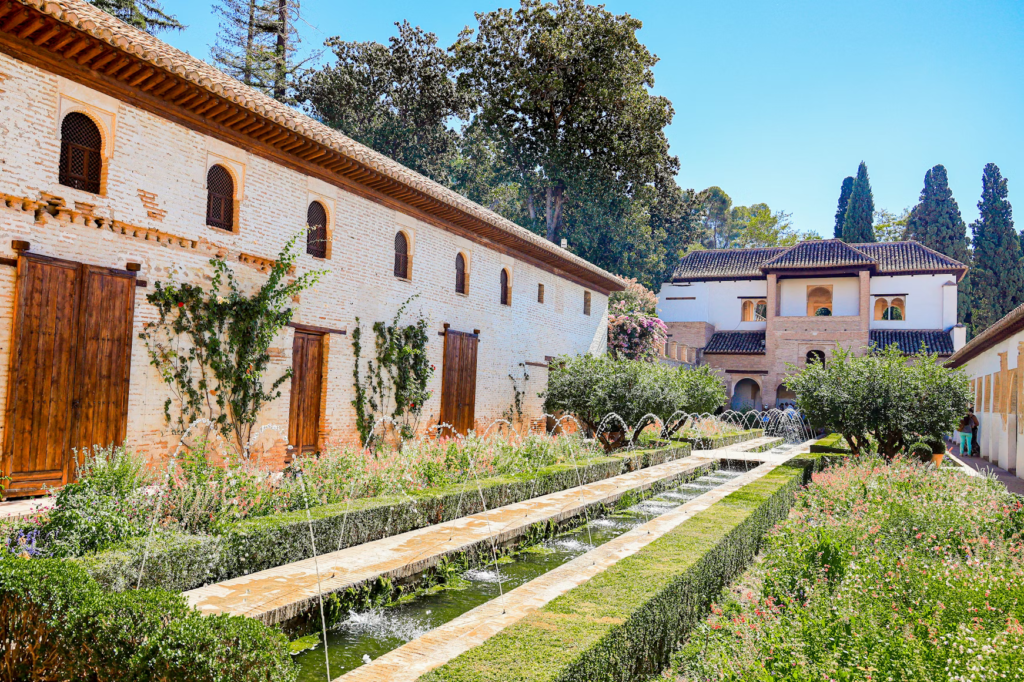
The Generalife is a series of tranquil gardens located just outside the Nasrid Palaces. Known for their geometric designs, flowing water, and lush greenery, these gardens were originally the summer retreat of the Nasrid kings. The Water Garden and the Patio de la Acequia are the highlights, offering both natural beauty and historical significance.
Alcazaba

The Alcazaba is the oldest part of the Alhambra, serving as a military fortress during its early days. Today, visitors can explore the ramparts, towers, and the watchtower, which offer panoramic views of the surrounding city and the Sierra Nevada mountains. The Alcazaba provides a fascinating contrast to the more ornate Nasrid Palaces, offering insight into the military history of the site.
Exploring the Alhambra: Tips for a Comfortable Visit
Visiting the Alhambra can be an overwhelming experience due to its size and the number of areas to explore. To ensure a smooth and enjoyable visit, here are a few practical tips:
- Wear comfortable shoes: The Alhambra is a large site with plenty of walking involved. Wear comfortable shoes, as you will be walking through cobblestone paths and uneven terrain, especially in the gardens and fortifications.
- Stay hydrated: Given the extensive walking and potential heat, bring water with you. There are water fountains throughout the Alhambra, but it’s a good idea to carry your own bottle.
- Use the gardens for rest: After touring the palaces and fortifications, take a break in the gardens. The Generalife Gardens and other green spaces offer a peaceful setting for a rest, helping you recharge before continuing your exploration.
- Plan your visit for at least 3–4 hours: To truly appreciate the beauty and history of the Alhambra, plan on spending at least 3 to 4 hours exploring. If you’re visiting with family or need to take your time, consider scheduling an entire day to explore at a more leisurely pace.
- Book tickets in advance: Tickets to the Alhambra can sell out, especially during peak seasons. Book your tickets well in advance to ensure you get the time slot that works best for you. If you plan on visiting during high season, booking at least 2-3 weeks ahead is recommended.
Conclusion
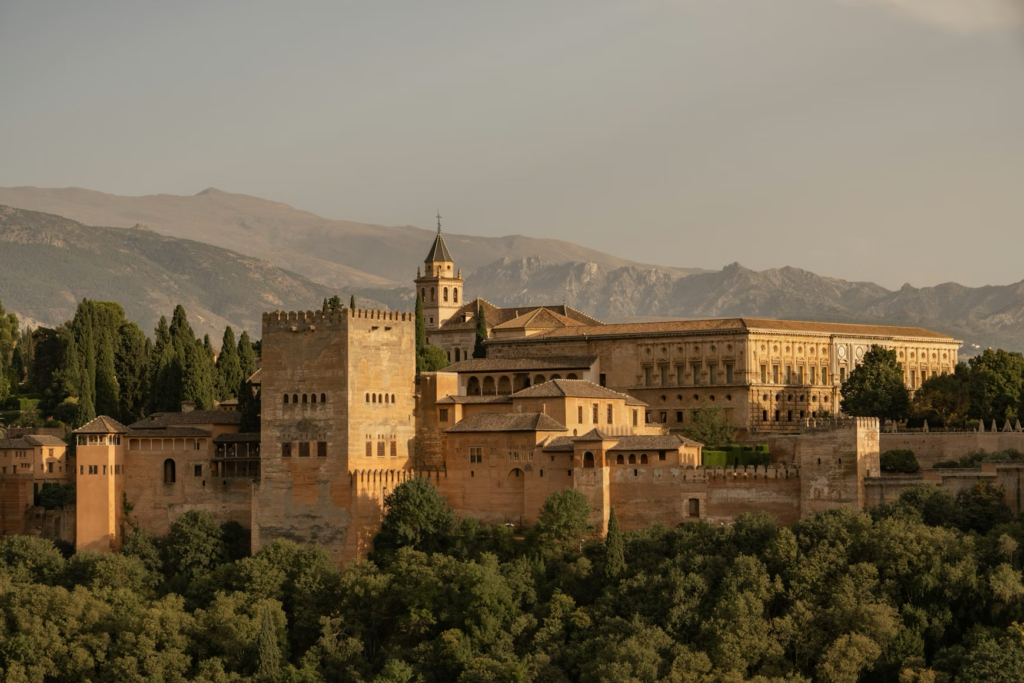
A visit to the Alhambra is a journey through time, offering a glimpse into the cultural and architectural brilliance of Islamic Spain. With careful planning, you can avoid the crowds and make the most of your visit. Whether you choose to explore independently or with a guide, take your time to absorb the beauty and history of the Nasrid Palaces, Generalife Gardens, and Alcazaba.
Remember to plan your tickets ahead of time, visit at optimal hours, and enjoy the many facets of this stunning site. With the right approach, your visit to the Alhambra will be one of the most memorable experiences in your travels through Spain.
