



Rio de Janeiro, Brazil’s vibrant and bustling city, is known for its stunning beaches, rich cultural history, and lively festivals. Whether you’re planning to relax on Copacabana’s golden sands, explore the lush forests, or immerse yourself in the vibrant atmosphere of Carnival, Rio offers a diverse range of activities. However, with so much to do, it can be overwhelming to figure out where to start. This guide will help you navigate the best things to do in Rio, from iconic landmarks to hidden gems, with practical tips and itinerary advice to help you make the most of your trip.
Expectation vs. Reality: Navigating Rio de Janeiro’s Vibrant and Complex Landscape
When thinking of Rio de Janeiro, many people envision beaches, samba, and the famous Christ the Redeemer statue. While these are undoubtedly central to the city’s identity, there’s more to Rio than meets the eye. Understanding the gap between expectation and reality will help you manage your trip with more realistic expectations.
The Crowds and Busy Seasons
Rio is a major tourist destination, and during peak seasons, the city can become crowded, especially around its top attractions. Beaches like Copacabana and Ipanema, along with famous sights like Sugarloaf Mountain and Christ the Redeemer, attract throngs of visitors. This means longer wait times, crowded streets, and more expensive prices, particularly during the Carnival season. If you plan on visiting during peak times, be prepared for the hustle and bustle.

Escaping the Crowds
While Rio’s most famous spots can be crowded, the city has plenty of quieter areas for those seeking relaxation and solitude. The neighborhood of Santa Teresa offers a more tranquil atmosphere with its charming colonial houses, narrow streets, and artistic vibe.
Additionally, visiting Mirante Dona Marta at sunrise provides breathtaking views of the city without the crowds. For nature lovers, Tijuca National Park offers an opportunity to hike through one of the largest urban rainforests in the world, providing both peaceful surroundings and panoramic views of Rio.
Must-See Attractions in Rio de Janeiro
Christ the Redeemer: The Icon of Rio

No trip to Rio de Janeiro is complete without visiting the Christ the Redeemer statue. Perched atop Corcovado Mountain, the statue offers sweeping views of the city and the surrounding coastline. The experience of visiting this iconic landmark is deeply spiritual for many, and it provides a perfect opportunity to appreciate Rio’s natural beauty from a high vantage point. Be prepared for the crowds, especially if you visit during midday: arriving early in the morning or later in the afternoon can help you avoid peak hours.
Sugarloaf Mountain: Stunning Views from Above

Another iconic sight in Rio is Sugarloaf Mountain (Pão de Açúcar), which provides panoramic views of the city, its beaches, and nearby islands. You can take a cable car up to the summit, where you’ll be treated to breathtaking views of Botafogo Bay, Ipanema, and Copacabana. Whether you go during the day or at sunset, Sugarloaf offers one of the best perspectives of the city. If you want to avoid long lines, consider purchasing tickets in advance or visiting during off-peak hours.
Ipanema and Copacabana Beaches: The Beaches of Rio

The world-famous beaches of Copacabana and Ipanema are central to Rio’s appeal, offering golden sands, clear waters, and a lively atmosphere. Copacabana is known for its iconic Copacabana Palace Hotel and vibrant beach culture, while Ipanema is famous for its chic vibe and proximity to the trendy Leblon neighborhood. Spending a day at the beach is a quintessential Rio experience, where you can relax, enjoy local snacks like açaí, or try a game of footvolley. While both beaches are popular, the northern parts of Ipanema and the less-visited Barra da Tijuca beach can offer a more relaxed vibe.
Hidden Gems: Exploring Off-the-Beaten-Path Spots in Rio
Santa Teresa: Rio’s Bohemian Neighborhood

Santa Teresa is a charming, bohemian neighborhood known for its winding streets, colonial-era architecture, and artistic atmosphere. The area is often overlooked by tourists, yet it offers a unique and peaceful side of Rio. Visit the Parque das Ruínas, a cultural space housed in an old mansion with stunning views of the city, or explore the area’s quaint bars, cafés, and galleries. For a more local experience, take a tram ride through the hills, which is a favorite way for locals to navigate the steep streets.
Pedra do Sal: Samba and Rio’s African Heritage
Pedra do Sal is a historic square in the Gamboa neighborhood, famous for its role in Rio’s African heritage and samba culture. This area is where samba was born, and every Monday and Friday evening, locals gather for samba de roda, a spontaneous street dance and music session. If you’re in Rio during these events, it’s an incredible opportunity to experience local culture, music, and dance in a lively yet intimate setting.
Lapa Arches and Selarón Steps: Rio’s Iconic Landmarks
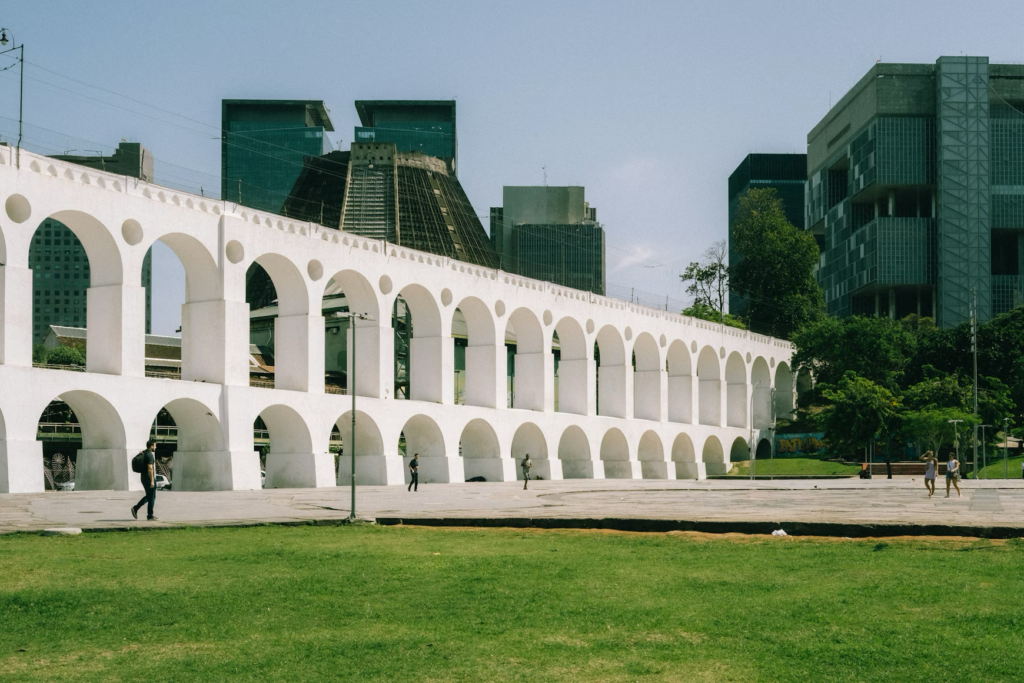
The Lapa Arches (Arcos da Lapa) are an impressive example of colonial architecture and one of the most photographed landmarks in Rio. The nearby Selarón Steps (Escadaria Selarón), an artistically tiled staircase created by Chilean artist Jorge Selarón, is another must-see. These colorful steps are located in the Lapa neighborhood and are a vibrant testament to Rio’s cultural diversity.
Experiencing Rio’s Local Culture
Samba and Carnival: Dance to the Beat of Rio
Samba is at the heart of Rio’s culture, and no visit to the city is complete without experiencing it. You can take part in a samba class or visit a samba school to learn about the dance form’s roots and its importance during Carnival.
If you’re visiting in February or March, experiencing Carnival in Rio is a once-in-a-lifetime experience. While the Sambadrome parade is the main event, there are also blocos (street parties) where locals and visitors dance through the streets in colorful costumes, filling the city with music and joy.
Food and Markets: A Taste of Rio’s Local Flavors

Rio de Janeiro’s food scene is a reflection of the city’s diverse culture. Visit local markets like Mercado de São Cristóvão, which showcases food from Rio’s Northeast region, or explore street food vendors offering pastéis (fried pastries) and coxinhas (fried chicken croquettes). To experience traditional Brazilian cuisine, try feijoada, the country’s famous black bean stew, or pão de queijo, the iconic cheese bread. If you’re interested in cooking, consider a local cooking class to learn how to prepare Brazilian dishes yourself.
Travel Tips for Rio de Janeiro
Navigating the City

Rio is a large and diverse city, so it’s essential to plan your transport. While taxis and Uber are widely available, public transportation such as the metro is a reliable and cost-effective option for getting around. For those looking to experience the city like a local, bike rentals and the BiciRio bike-sharing program are available in various parts of the city.
Safety Tips
While Rio de Janeiro is an exciting and beautiful city, safety can be a concern in some areas, particularly in the favelas or more isolated neighborhoods. Stick to well-known areas, especially at night, and always use reputable transport options. Guided tours can also help you navigate the city more safely, especially when visiting cultural hotspots like the favelas or remote natural sites.
Weather and Packing Tips
Rio has a tropical climate, with hot and humid weather year-round. The summer months (December to March) are especially hot, with temperatures reaching up to 40°C (104°F). Pack light, breathable clothing, sunscreen, and a hat to protect yourself from the sun. If you plan to hike or explore the city’s outdoor attractions, comfortable shoes and rain gear (for the occasional downpour) are essential.
Conclusion: Is Rio de Janeiro the Right Destination for You?

Rio de Janeiro offers an incredible mix of iconic landmarks, vibrant culture, and scenic beauty, making it a must-visit destination for many travelers. Whether you’re looking to relax on world-famous beaches, explore the city’s unique culture, or enjoy adventurous outdoor activities, Rio has something for every traveler. However, navigating the crowds, managing the heat, and ensuring safety are important considerations when planning your trip.
By carefully planning your itinerary and being mindful of your personal preferences and comfort level, you can make the most of your time in Rio and create a memorable travel experience that goes beyond the typical tourist attractions.
