



Santiago, the bustling capital of Chile, is often seen as a transit point for travelers en route to the more famous landscapes of Patagonia, the Atacama Desert, or Easter Island. However, the city itself has much to offer. With a blend of modern architecture, cultural richness, and proximity to stunning natural wonders, Santiago is a vibrant destination.
Whether you’re looking to immerse yourself in Chilean history, indulge in local cuisine, or venture into the mountains for some outdoor adventure, Santiago has something for everyone. This guide will help you make the most of your time in the city, providing tips on what to see, what to do, and how to experience the best of Santiago.
Expectation vs. Reality: What to Expect in Santiago

When planning a trip to Santiago, visitors often expect a bustling urban environment, dominated by modern skyscrapers and a vibrant food scene. While this is indeed part of the city’s character, there’s more to Santiago than meets the eye.
The Reality of City Life
Santiago is a city of contrasts. While it has a thriving cultural scene and a modern infrastructure, the reality of navigating the city can include heavy traffic and air pollution, especially during the summer months. Some areas, such as Providencia and Las Condes, are more polished and tourist-friendly, while others, like La Vega Central, offer a more raw, local experience. Santiago’s charm lies in the variety of experiences it offers, ranging from chic rooftop bars to bustling street markets.
Escape the Hustle: Santiago’s Outdoor Offerings

One of the most pleasant surprises in Santiago is its proximity to nature. The Andes Mountains surround the city, providing a breathtaking backdrop and a variety of outdoor activities. Hiking, biking, and even skiing are easily accessible, making Santiago an ideal base for nature lovers who also enjoy urban amenities. The Cerro San Cristóbal, for example, offers panoramic views of the city and is a perfect spot for a day hike or a relaxed afternoon enjoying the scenery.
Must-See Sights in Santiago
Cerro San Cristóbal: Stunning Views of Santiago
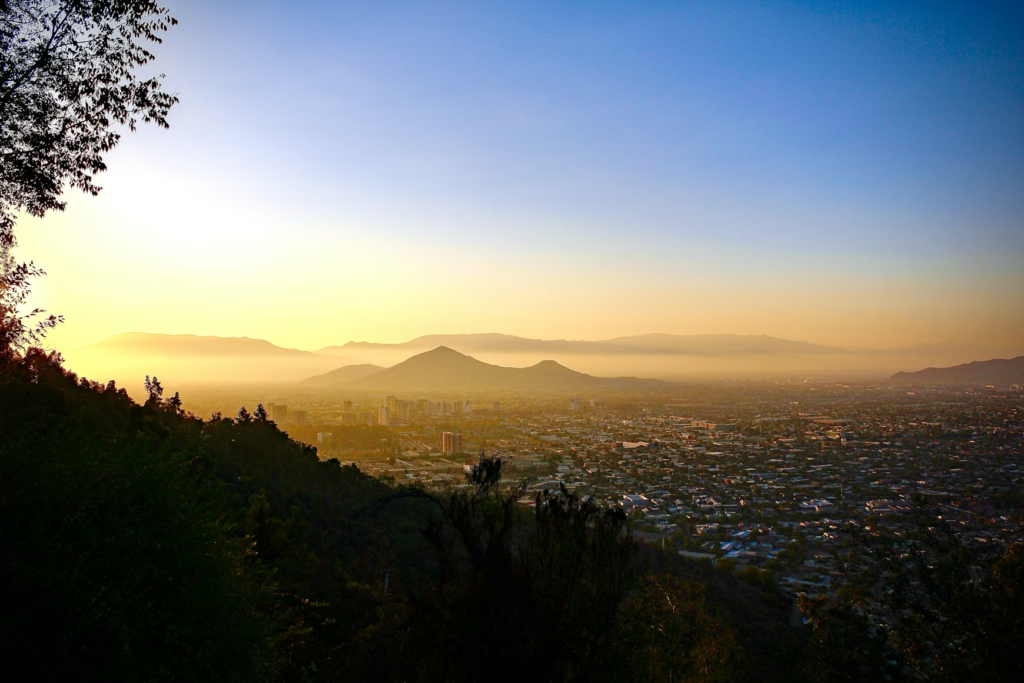

The Cerro San Cristóbal is one of Santiago’s most iconic landmarks. You can reach the summit by hiking, taking a funicular ride, or driving up, where you’ll be rewarded with a panoramic view of the city against the backdrop of the Andes. At the top, you’ll find a statue of the Virgin Mary, a small chapel, and gardens. It’s a great spot to relax, take photos, and get a sense of Santiago’s layout.
La Moneda Palace and Plaza de la Constitución: The Political Heart of Chile
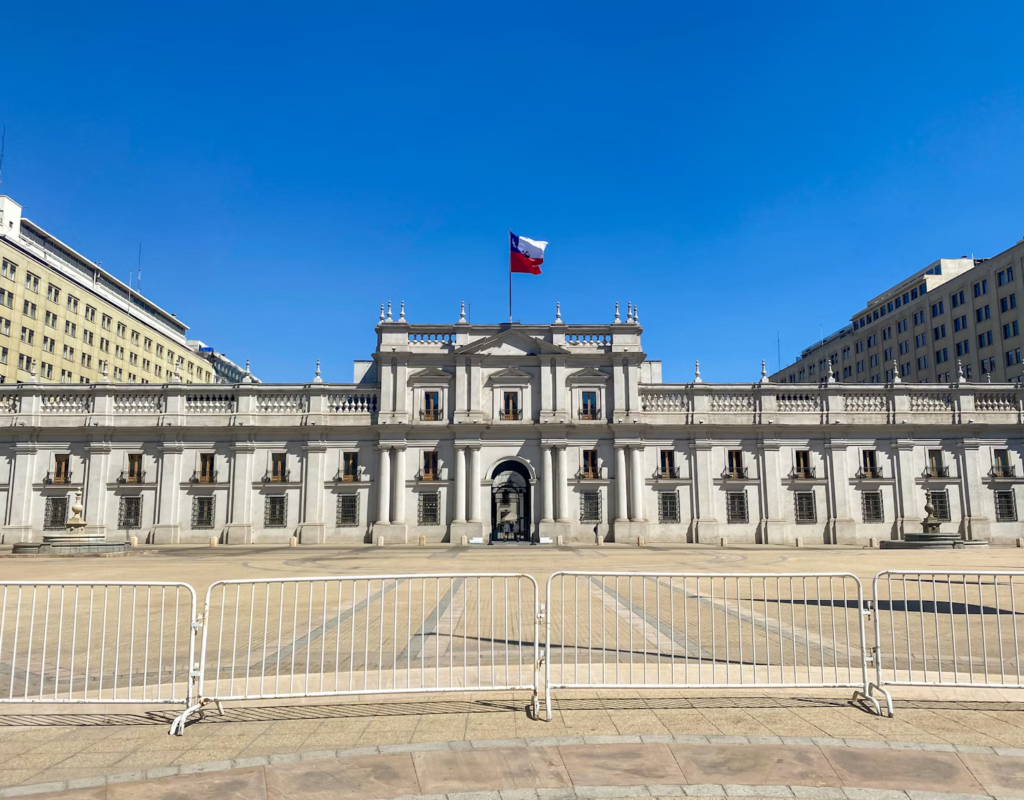

The La Moneda Palace is an important symbol of Chile’s political history. Located in Plaza de la Constitución, this neoclassical building has been the seat of the president since the country’s independence. While you can admire the architecture from the outside, there are also guided tours available to learn more about Chile’s political history, particularly the events of the 1973 coup. The plaza itself is surrounded by government buildings, offering a glimpse into Santiago’s political culture.
Barrio Bellavista: The Cultural Hub
Bellavista is one of Santiago’s most vibrant neighborhoods, known for its bohemian atmosphere, colorful street art, and lively bars and restaurants. A walk through Paseo Bellavista will take you past unique shops, cafés, and art galleries. For an extra cultural experience, visit the La Chascona, one of the former homes of poet Pablo Neruda, where you can explore his life and works. Bellavista is the heart of Santiago’s nightlife, with plenty of spots to enjoy local drinks and dance to Chilean music.
Museo Nacional de Bellas Artes: A Dive into Chilean Art
For art lovers, the Museo Nacional de Bellas Artes offers a fantastic opportunity to explore Chilean and Latin American art. The museum’s collection includes colonial, modern, and contemporary works, giving visitors a broad perspective on Chile’s cultural evolution. The museum is located in Parque Forestal, a lovely park perfect for a stroll after your visit.
Exploring Santiago’s Culinary Scene
Santiago has a burgeoning food scene, with a range of dining options that reflect the country’s cultural influences. From traditional Chilean dishes to contemporary international cuisine, the city offers something for every palate.
Mercado Central: A Taste of Traditional Chilean Cuisine
One of the best places to experience Chile’s culinary culture is Mercado Central, a bustling market where locals shop for fresh seafood, meats, and produce. The market is also home to several restaurants serving Chilean specialties like ceviche, sopaipillas, and pastel de choclo (corn pie). The market is a great place to try paila marina, a traditional Chilean seafood stew, made with a variety of fresh shellfish and fish.

Barrio Lastarria: Trendy Dining and Wine Bars
For a more contemporary dining experience, head to Barrio Lastarria, a charming neighborhood known for its chic cafés, modern eateries, and wine bars. This area offers a variety of options, from upscale restaurants offering gourmet Chilean cuisine to casual spots serving delicious street food. Don’t miss the opportunity to try pisco sour, Chile’s national cocktail, made with pisco (a local brandy), lemon, and egg white.

Practical Travel Tips for First-Time Visitors to Santiago
Getting Around Santiago

Santiago’s public transport system is efficient and affordable. The Santiago Metro is the fastest way to navigate the city, connecting key neighborhoods and attractions. The metro is safe, clean, and easy to use, with signs in English for non-Spanish speakers. Taxis and Uber are also widely available, though traffic can be heavy during rush hours, so plan accordingly.
Safety Considerations
While Santiago is generally safe, it’s important to stay vigilant, especially in crowded areas like La Vega Central or during late-night outings in the city’s nightlife districts. Pickpocketing can be a concern, so keep an eye on your belongings, particularly in busy markets or on public transport. If you’re unsure about a neighborhood, ask locals or hotel staff for advice on the safest routes.
Best Time to Visit Santiago
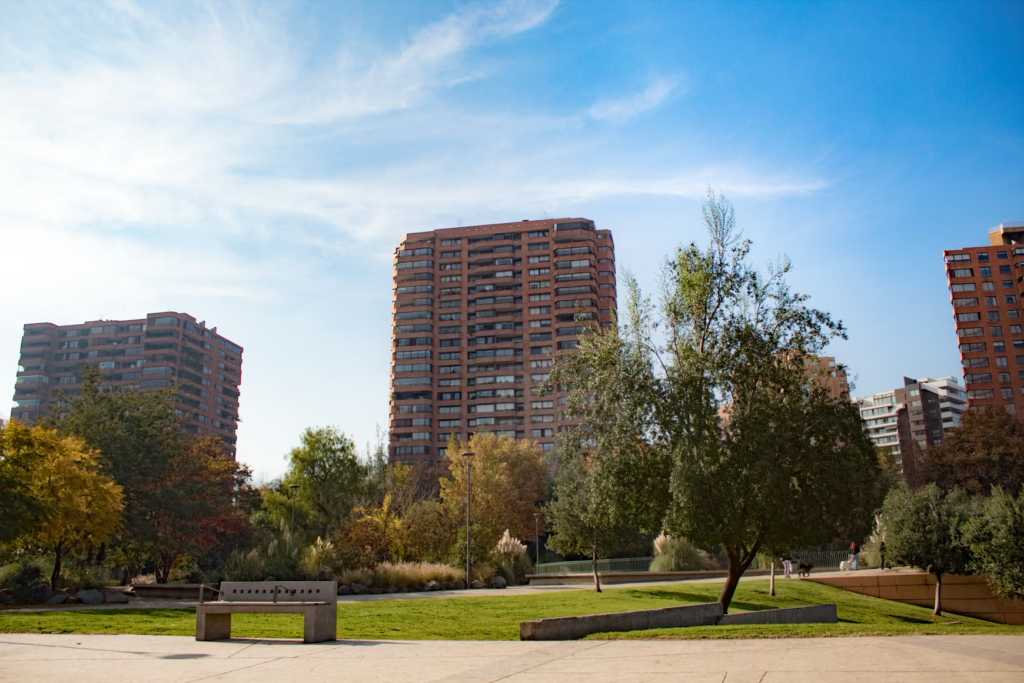
Santiago enjoys a Mediterranean climate, with hot, dry summers and mild, rainy winters. The best time to visit is during the spring (September to November) and fall (March to May), when the weather is pleasant, and the city isn’t as crowded as in peak summer months. The summer months (December to February) are also a good option if you want to experience the city at its liveliest, but be prepared for higher temperatures and larger crowds.
Local Customs and Etiquette
Chileans are known for their warmth and hospitality. When greeting someone, a firm handshake is common, and close friends may greet each other with a kiss on the cheek. Chileans also take their time when dining, so be prepared for longer meals, especially during lunch. If you’re invited to a meal, it’s customary to bring a small gift or bottle of wine as a gesture of appreciation.
Conclusion: Is Santiago the Right Destination for You?
Santiago is a dynamic city that offers a diverse range of experiences, from cultural explorations to culinary adventures and outdoor escapades. Whether you’re looking to explore historical landmarks, taste local delicacies, or simply enjoy the stunning views from the Andes, Santiago has something for everyone. By considering your travel preferences, time, and the type of experience you’re seeking, you can tailor your visit to make the most of this vibrant city. Santiago is a gateway to Chile’s diverse landscapes and rich culture, making it a destination that should not be missed.
