
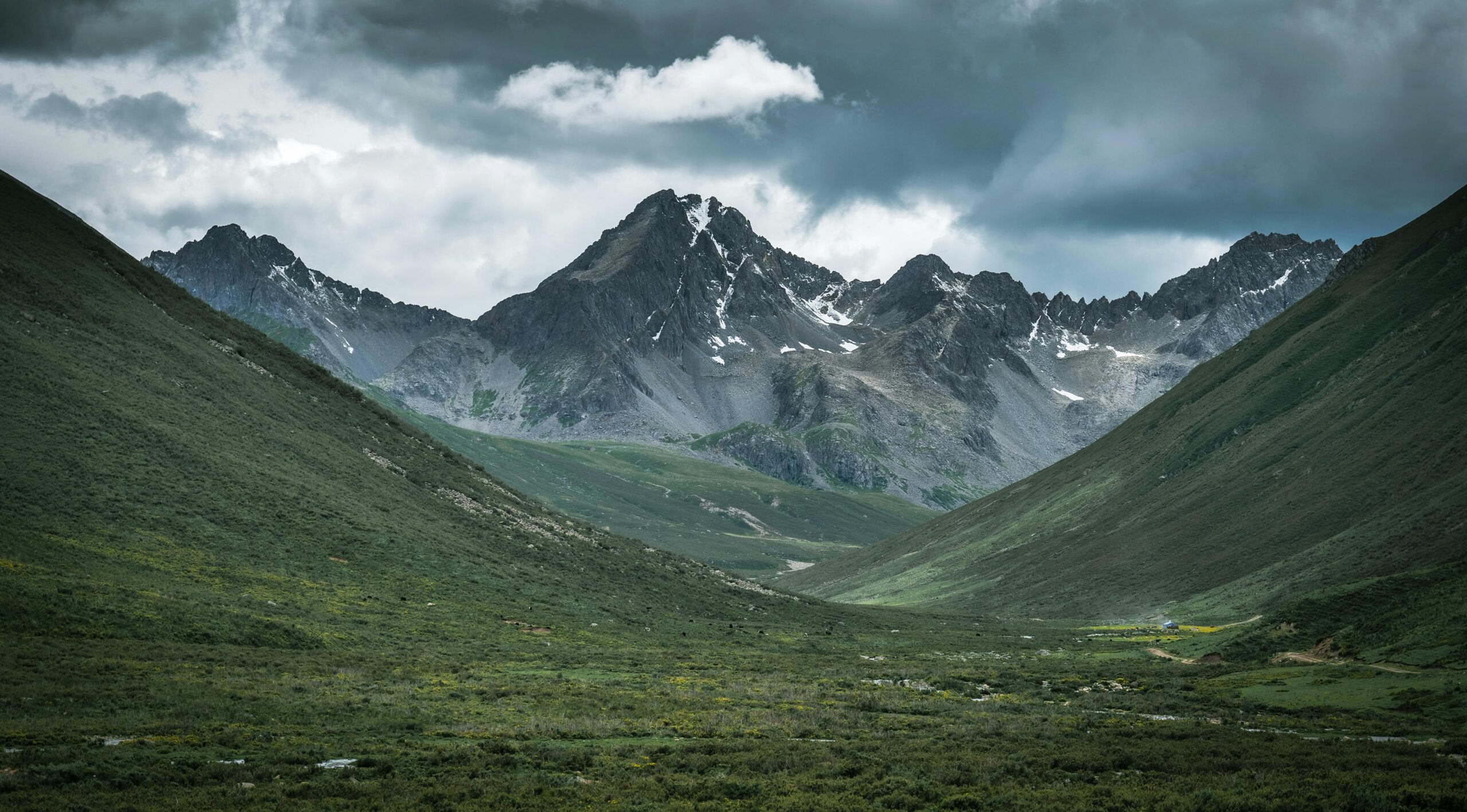
China is often imagined as dense and fast-moving. Trains arrive with regularity, cities build upward and outward, and well-known landmarks operate at scale. That image captures part of how the country functions.
Beyond the places designed to absorb millions, there are long stretches of the country where time loosens, paths narrow underfoot, and distance begins to matter again as movement slows into something more deliberate. This is where China feels different.
Leaving the Iconic Routes Behind
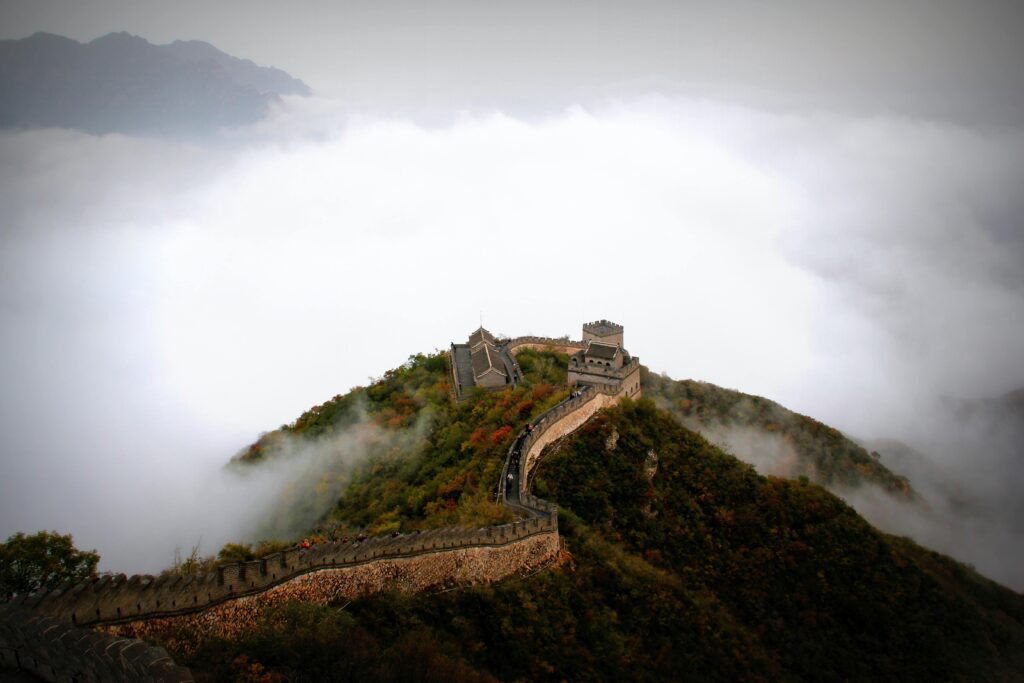
Crowds concentrate where access is easy. Cable cars, shuttle buses, and high-speed rail compress distance and draw people toward the same viewpoints at the same hours. Step just outside that system and the atmosphere changes quickly.
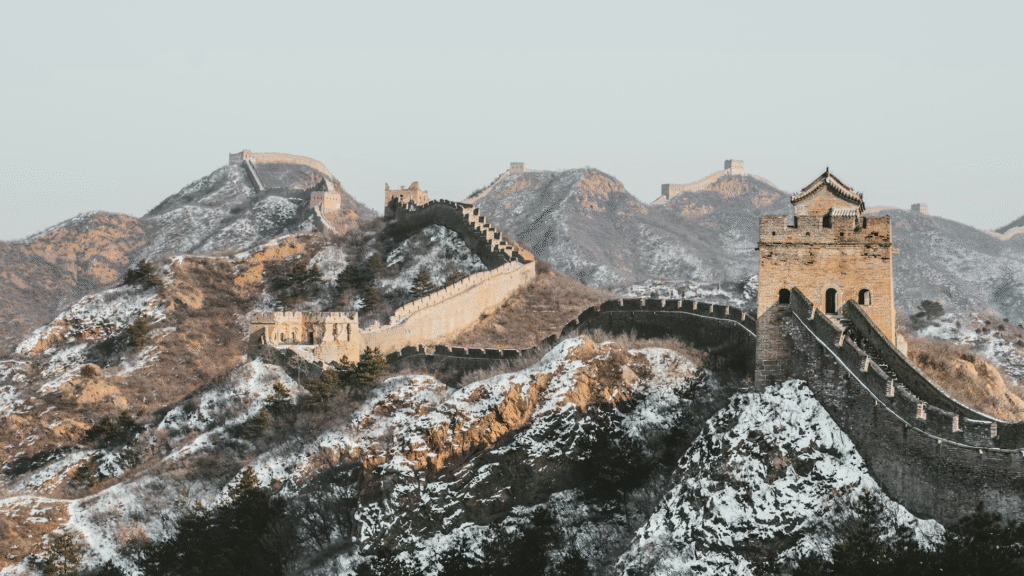
On lesser-visited sections of the Great Wall, the stone sits uneven underfoot while wind moves freely along exposed ridges. The structure feels closer to terrain. It reads as something shaped by movement, not display. With fewer encounters, sound carries farther, and scale settles into something personal.
Similar shifts happen elsewhere. In mountain regions where trails connect villages instead of ticket gates, walking becomes the primary mode again. Paths follow water lines, contour around slopes, and disappear briefly into forest. Progress becomes something you feel through breath and attention. Distance fades from focus.
Mountains That Slow Everything Down
Some landscapes refuse to be rushed, even when infrastructure tries to make them accessible.
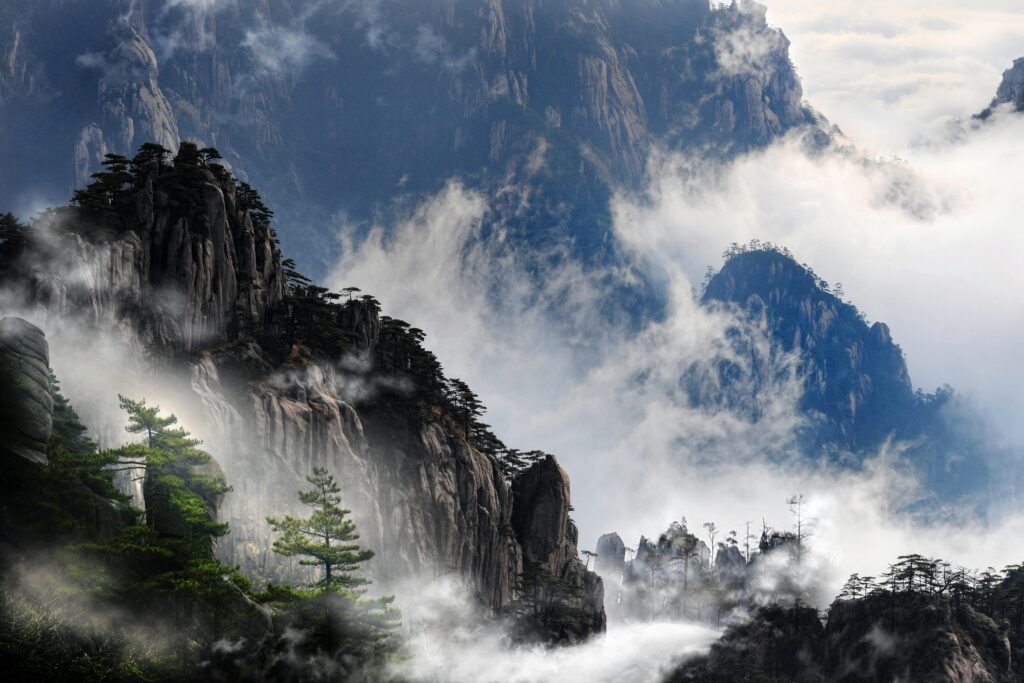
In places like Huangshan, crowds gather at sunrise points and cable car stations. Move laterally instead of vertically and the density thins. Side trails stretch between granite peaks and pine stands, quieter and less performative. The famous sea of clouds still drifts through, but without the urgency to photograph it immediately.
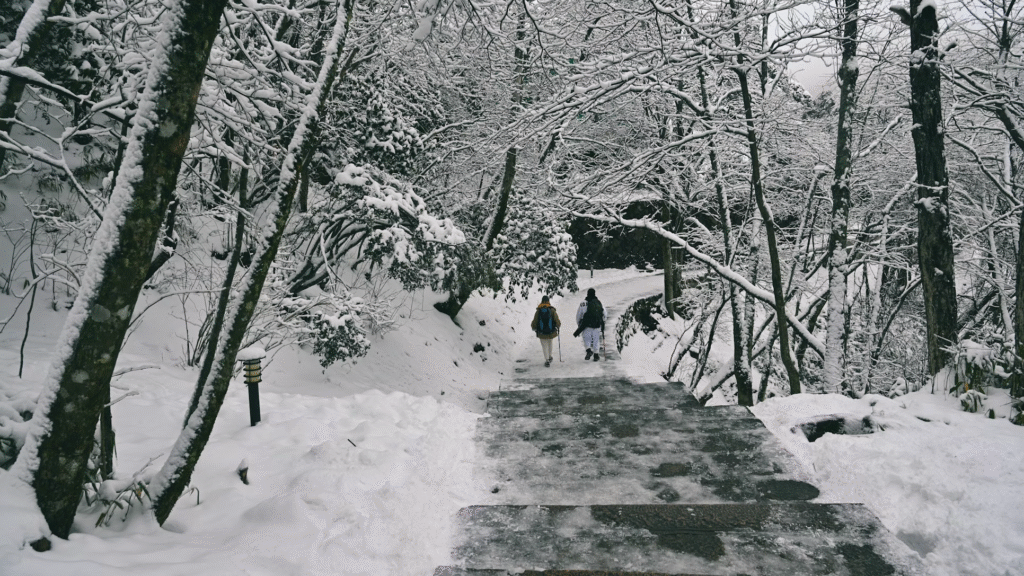
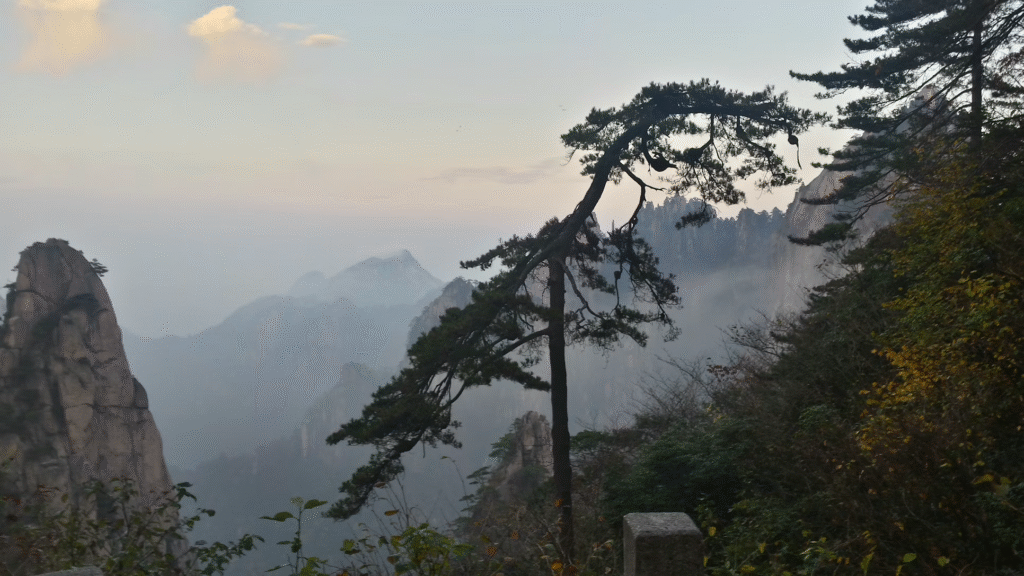
Further south and west, mountain ranges become less iconic and more continuous. Terraced hillsides in Guangxi or Yunnan don’t announce themselves all at once. They unfold gradually as paths rise and fall between fields, forests, and stone houses. The experience takes shape through repetition, with the landscape revealing itself gradually across the route.
Rivers, Valleys, and the Long View
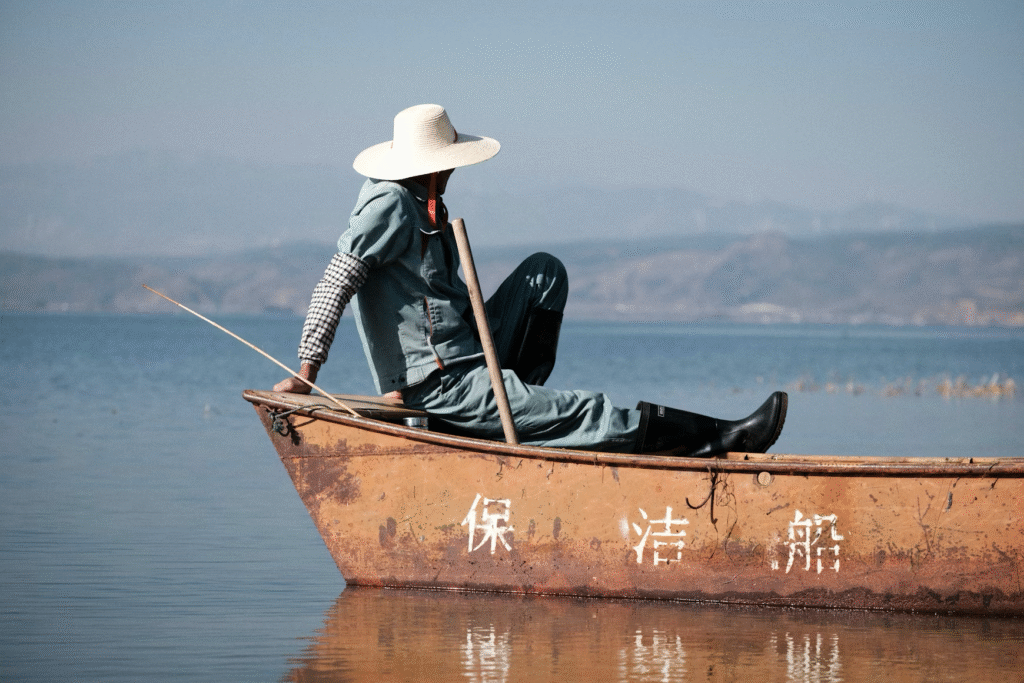
Waterways create a different kind of distance from crowds. Along the Li River or in the valleys around Guilin, the most congested moments belong to mid-day cruises. Outside those windows, the river resumes its slower rhythm. Early mornings carry mist and muted sound. Late afternoons stretch light across limestone hills and quiet banks.
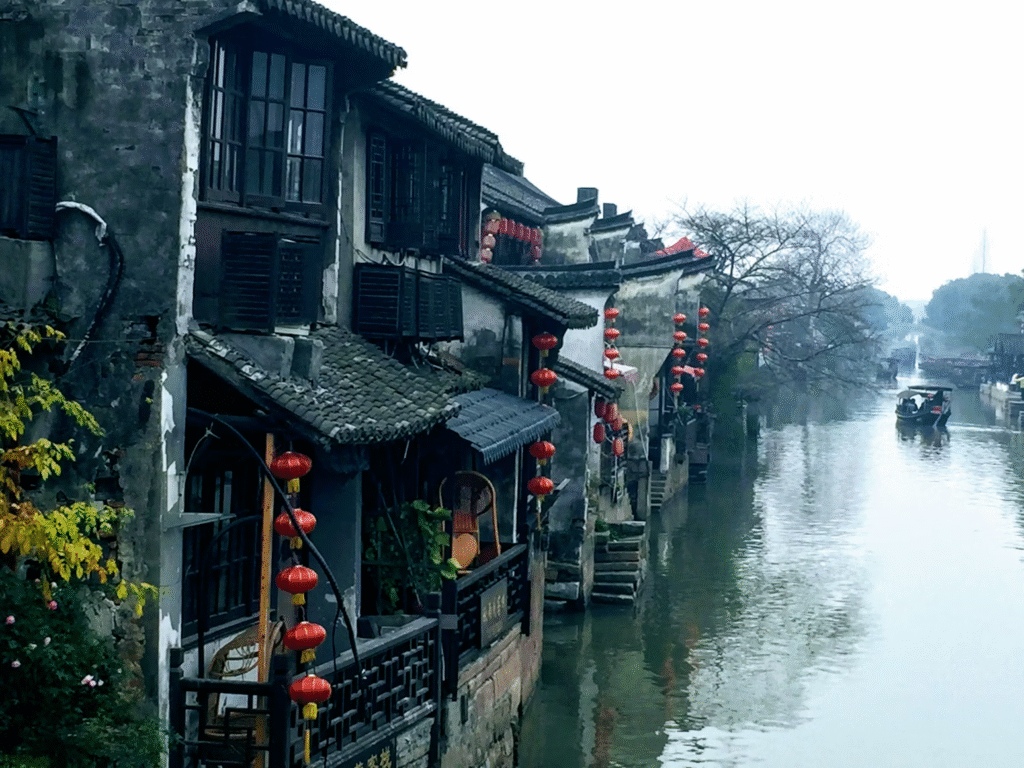
In more remote valleys, rivers remain constant companions. They guide routes, irrigate fields, and shape settlement patterns over time. Movement here follows environments that were never arranged for visitors.
Plateaus and High Ground
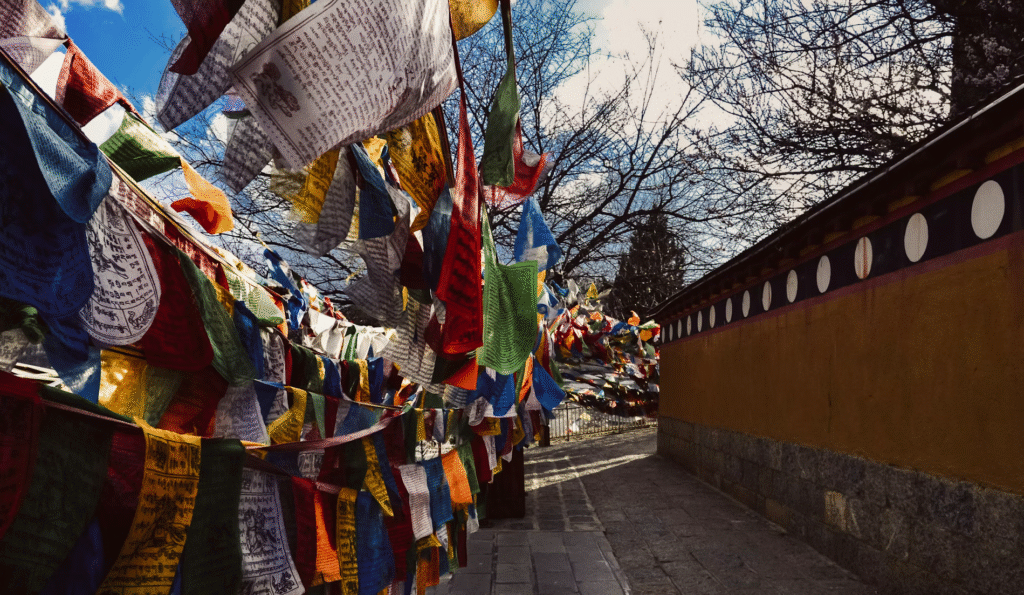
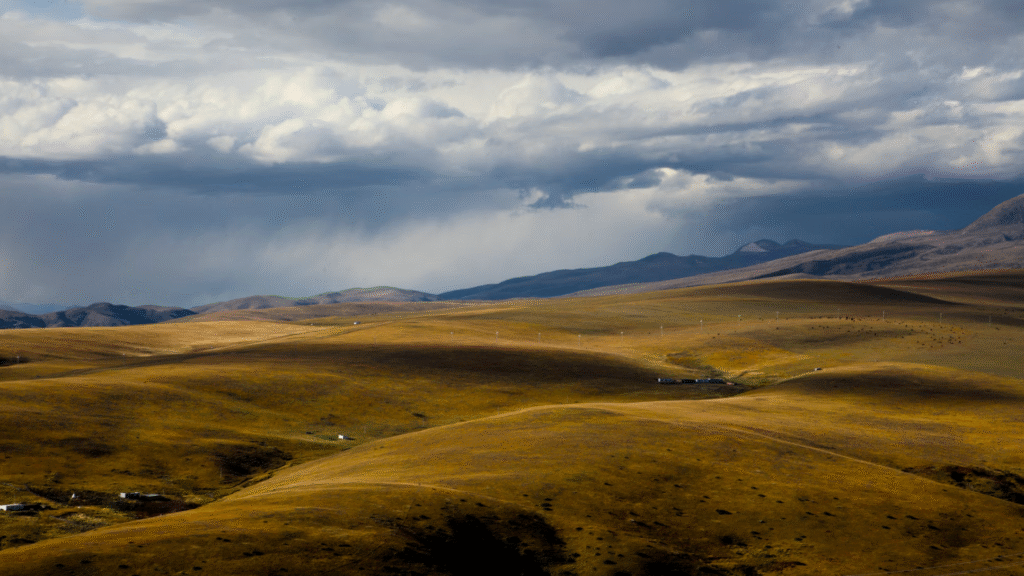
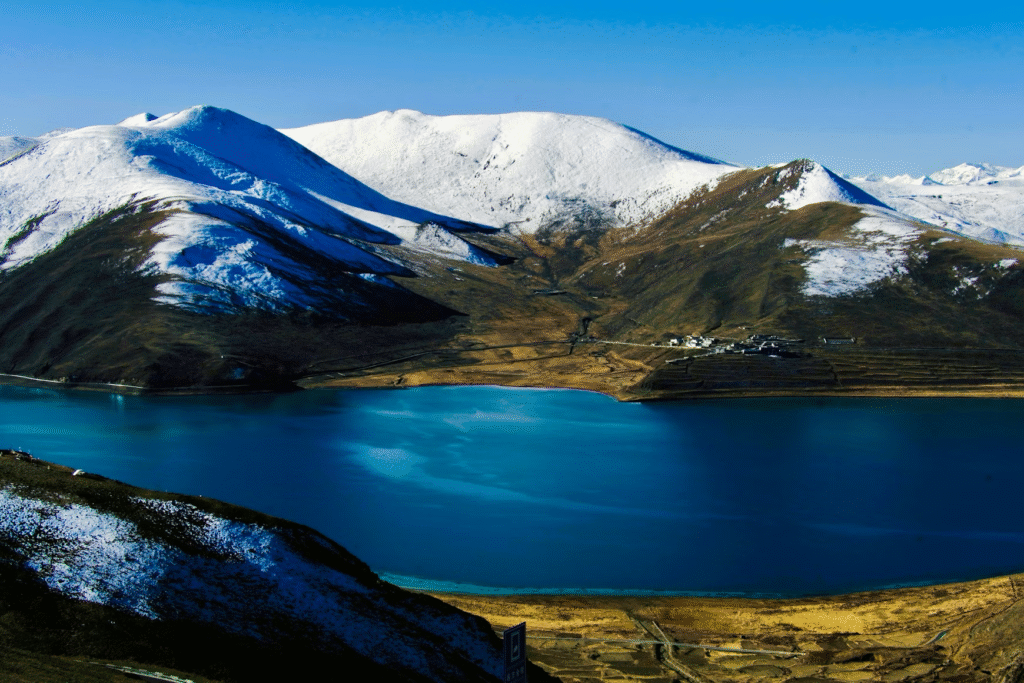
Western China introduces a different kind of spaciousness. Altitude reshapes perception across Tibet and Qinghai. Space opens up, distances lengthen, and movement slows as air thins and weather turns quickly. Monasteries, grazing land, and pilgrimage routes surface within the same terrain, without clear boundaries between them.
Walking circuits around places like Ganden Monastery follow live routes rather than designed ones. Pilgrims move at their own pace, and visitors either fall into that flow or step aside from it. The landscape remains constant as movement adapts around it.
Where Crowds Thin Over Time
Some destinations remain quiet through the pace they require. Reaching rice terrace villages, forested plateaus, or remote hiking routes often involves multiple transitions, such as trains to buses, buses to roads, roads to footpaths. With each transition, volume thins. Those who continue tend to stay longer, move more slowly, and navigate a degree of uncertainty. Attention begins to shape the experience. Efficiency matters less.
Choosing Space Over Coverage
Traveling through China’s landscapes without crowds often begins with expectation. When pace slows and priorities shift, space opens up in places that were never secret to begin with.
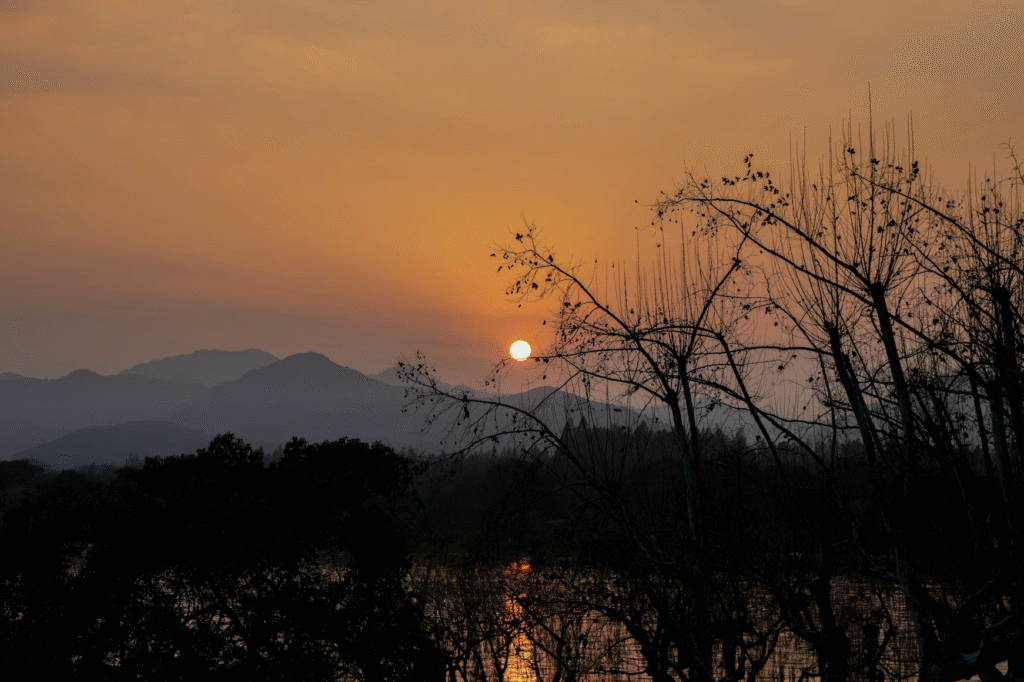
Spaciousness often takes shape through lingering. Walking farther than planned, returning to the same viewpoint at different hours, or staying overnight where day visitors pass through all shift how the place is felt.
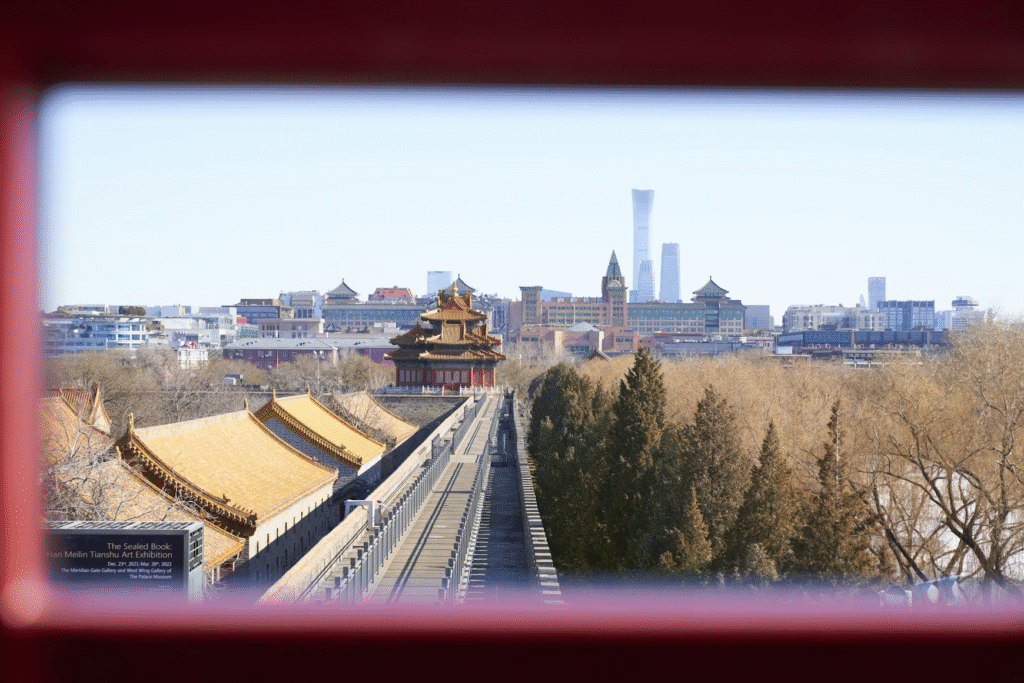
As pace softens, depth returns to the landscape. Sound, weather, and movement become part of the experience. The country feels less compressed, less performative, and more quietly expansive. In those moments, the landscape expands. Scale becomes the dominant sensation.