


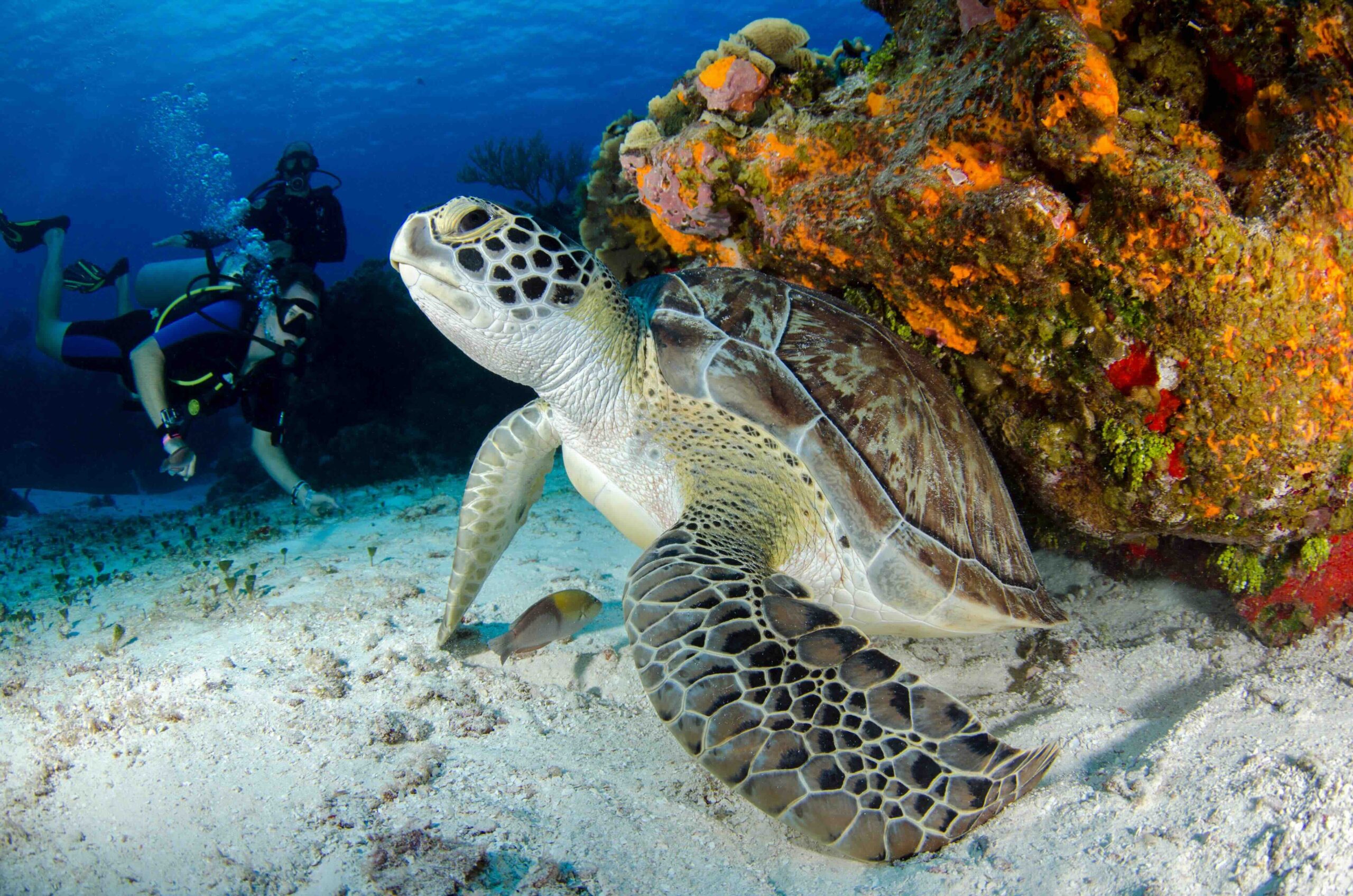
If you’re looking for the best places to scuba dive without leaving the country, the United States quietly holds one of the most varied dive portfolios on the planet. This 2026 ultimate guide covers everything from warm-water wrecks in the Florida Keys to cold-water kelp forests off California, freshwater springs in central Florida, and remote Alaskan inlets where giant Pacific octopuses are the headline draw. No passport renewal, no long-haul flight, no international DAN coverage upgrade. The 12 destinations below split into two groups: warm-water sites that suit Open Water divers and any reasonable wetsuit, and cold-water sites that genuinely reward the gear and training they require.
The 2026 Quick-Decision Matrix
The matrix below covers all 12 destinations in the same order as the longer write-ups that follow. Use it to filter by water type, certification level, and budget before reading further.
| Destination | Water type | Min. cert | Best 2026 season | Estimated cost (2-tank/charter) |
| Kona, Hawaii | Warm | Open Water | Apr-Nov | $130-$180 (manta night dive) |
| Niihau, Hawaii | Warm | Advanced | May-Sep (best in June) | $180-$250+ |
| Florida Keys, FL | Warm | Open Water | Year-round | $100-$150 |
| Florida Springs, FL | Freshwater | Open Water | Year-round | $80-$120 |
| North Carolina Wrecks, NC | Warm / Mixed | Advanced | May-Oct | $150-$200 |
| Flower Garden Banks, TX | Warm | Advanced | Aug-Oct | $600-$800 (liveaboard) |
| Bonne Terre Mine, MO | Freshwater | Open Water | Year-round | $85-$100 |
| Catalina Island, CA | Cold | Open Water | Jul-Nov | $150-$200 |
| Channel Islands, CA | Cold | Advanced | Jul-Nov | $180-$250 |
| Monterey Bay, CA | Cold | Open Water | Aug-Nov | $100-$150 |
| Puget Sound, WA | Cold | Advanced / Drysuit | Aug-Oct | $120-$160 |
| Sitka, AK | Cold | Advanced / Drysuit | Jun-Aug | $200-$300 |
Warm Water Wonders: The Best US Dive Sites (No Passport Required)
The first half of this list covers warm-water destinations where Open Water certification is sufficient and a standard 3mm wetsuit handles most diving. These are the sites worth knowing about if a long-haul flight isn’t in the cards but international-quality reefs and wrecks are.
1. Kona, Hawaii (Best for Manta Rays)
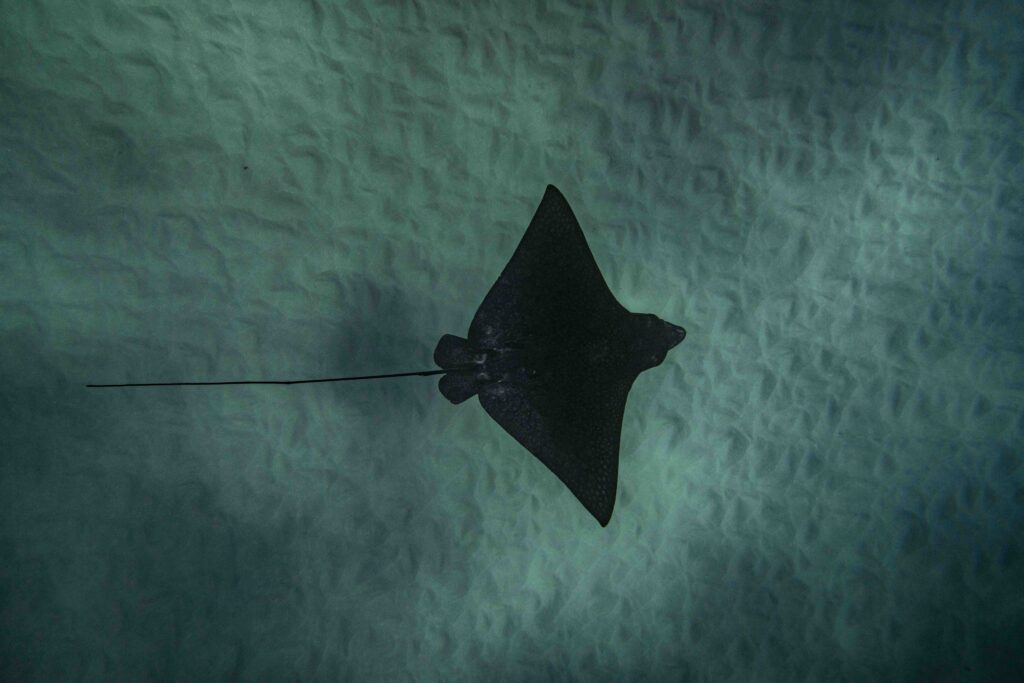
The Kona manta night dive draws more divers than any other manta night dive on Earth, and the reason is the predictability. Pacific manta rays feed on plankton attracted by powerful dive lights at two sites just south of the airport, and sightings of multiple animals per dive are the norm rather than the exception. The animals can reach 16-foot wingspans and pass within arm’s length of stationary divers.
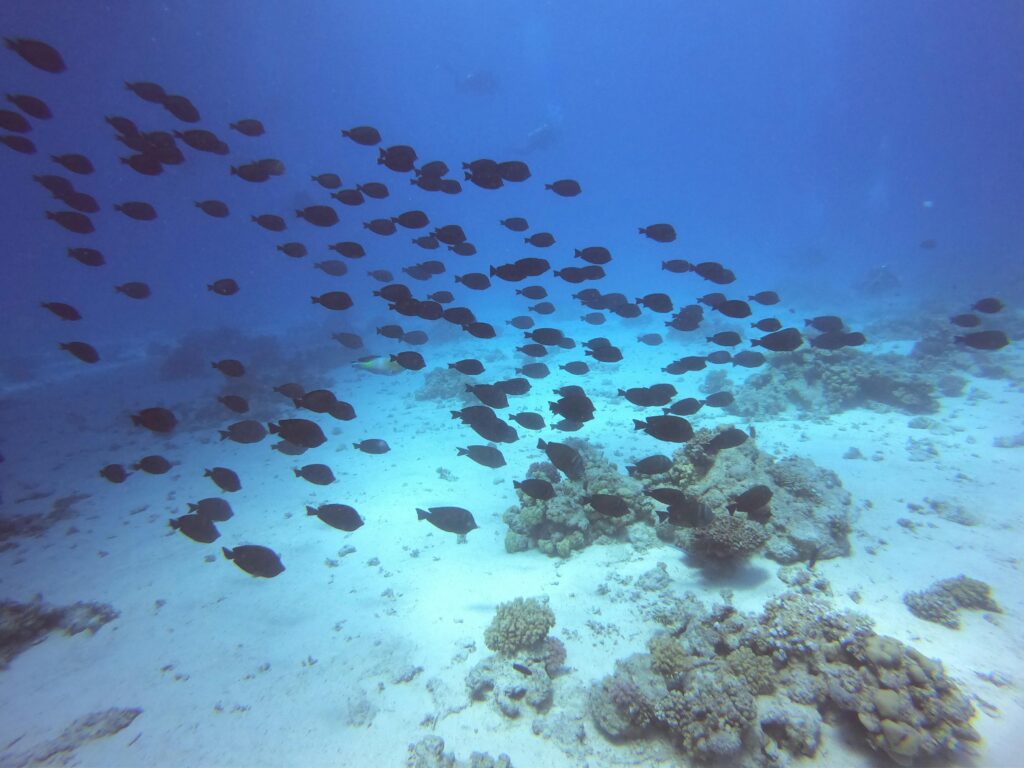
The season runs April through November, with a 3mm wetsuit comfortable year-round. Open Water certification is sufficient, and the night dive itself runs $130–$180. The nearest hyperbaric chamber is in Honolulu, which is a meaningful evacuation distance from the Big Island, so dive insurance matters here even more than usual.
2. Niihau, Hawaii (Best for Advanced Summer Dives)
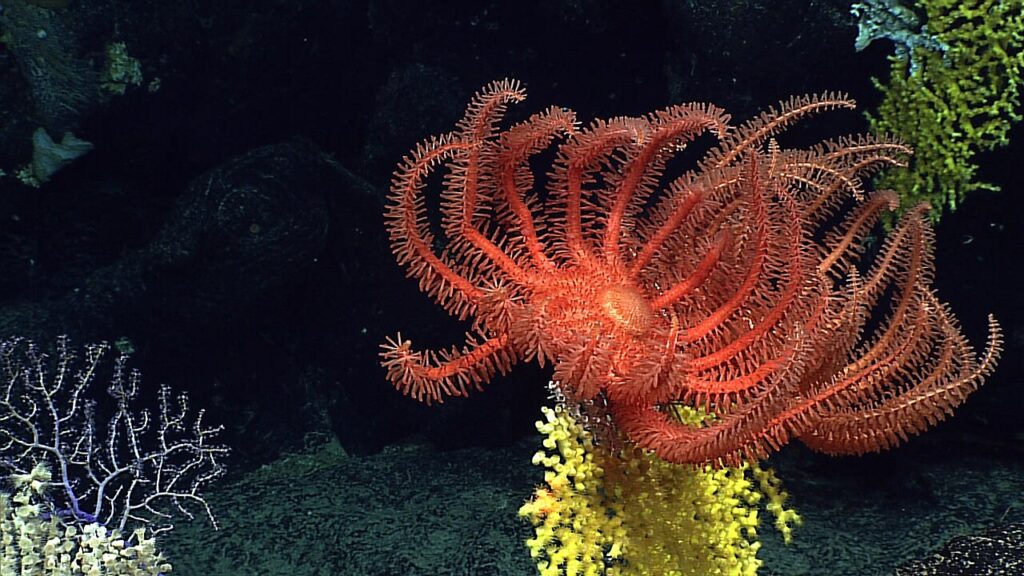
Niihau is the privately owned “Forbidden Island” off Kauai, and the only legal way to dive its surrounding waters is by charter boat from Kauai during the calmest summer months. The reward is pristine reef walls, regular monk seal encounters, and visibility that routinely exceeds 100 feet.
The window is narrow: May through September, with June typically the calmest. Advanced Open Water is required because of currents and depth, and trips run $180–$250-plus depending on charter length. The crossing from Kauai is open ocean and can cancel on weather, so build flexibility into the trip. The nearest hyperbaric chamber remains in Honolulu, with all the evacuation logistics that implies.
3. Florida Keys, Florida (Best for Warm-Water Wrecks)
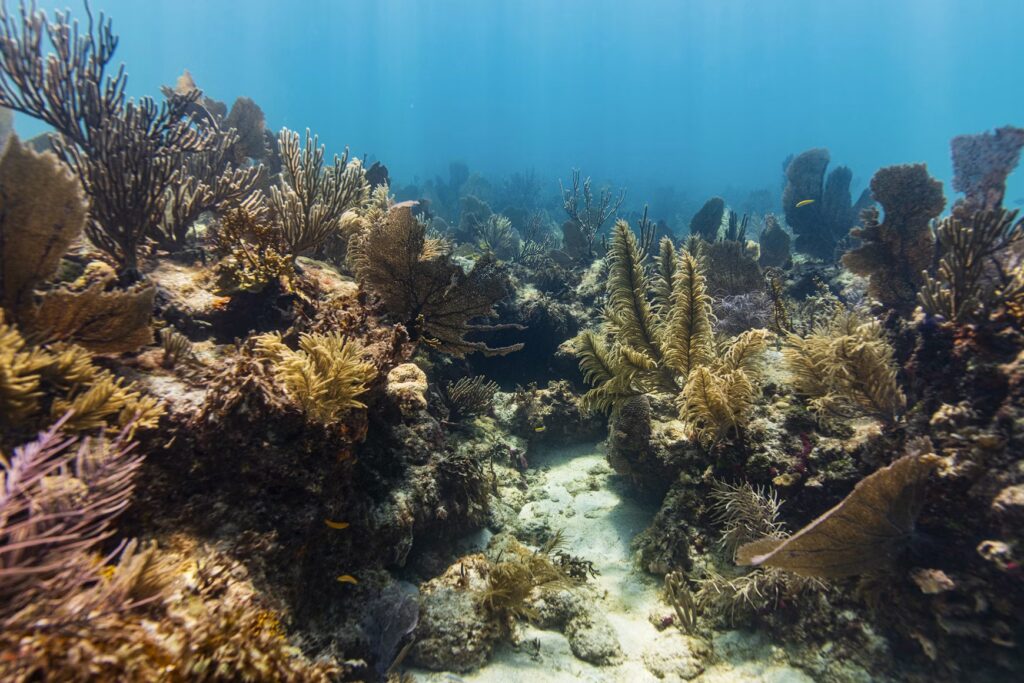
The Florida Keys are the most accessible serious dive destination in the country, with shallow reefs and a string of intentionally sunk wrecks (the USS Vandenberg, the USS Spiegel Grove, and the Adolphus Busch among them) that work for Open Water divers without specialty training.
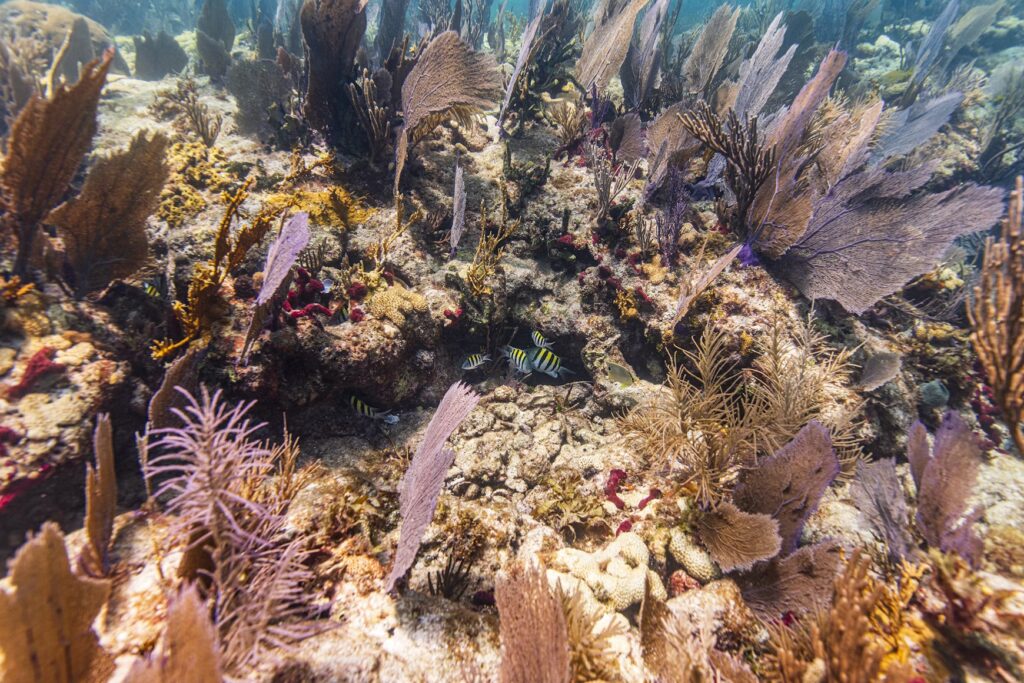
The best windows are April through July and October through November, which avoid the August-September hurricane peak. Boat charters run $100–$150 for a two-tank trip, and several hyperbaric chambers operate along the Keys chain. Open Water certification is sufficient for the shallower reef sites, with Advanced or Wreck certification needed for the deeper wreck penetrations.
4. Crystal River & Florida Springs (Best for Freshwater & Manatees)
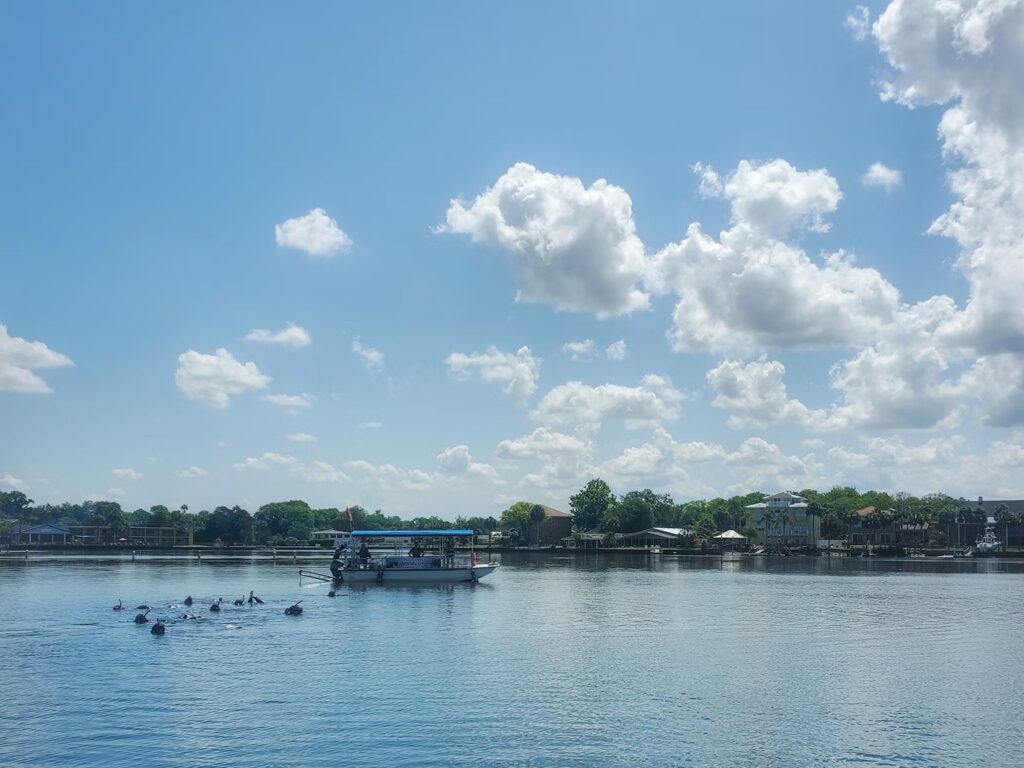
Florida’s spring system is widely considered the best freshwater diving on the planet, with constant 72°F water year-round, gin-clear visibility, and a connected cave network that runs for hundreds of miles underground. Crystal River, on the Gulf coast, is the only legal manatee-encounter location in the country, with hundreds of animals wintering in the spring-fed warm water.
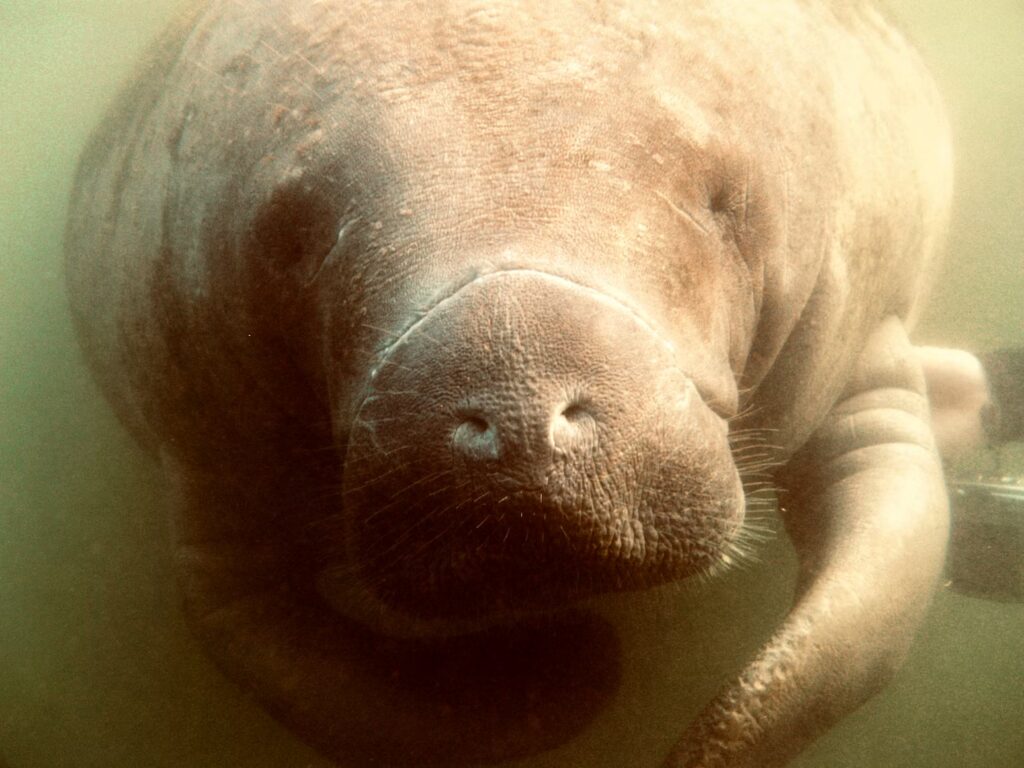
The manatee season runs November through March, when the animals concentrate most densely. Manatee tours (technically snorkel rather than scuba) run $60–$100 and are open to all swim levels. Full cave certification, required to dive the deeper systems at Devil’s Den, Ginnie Springs, and Peacock Springs, runs $700–$1,500 for the course alone. Hyperbaric chambers are located in Orlando and Tampa.
5. Outer Banks, North Carolina (Best for WWII Wrecks)
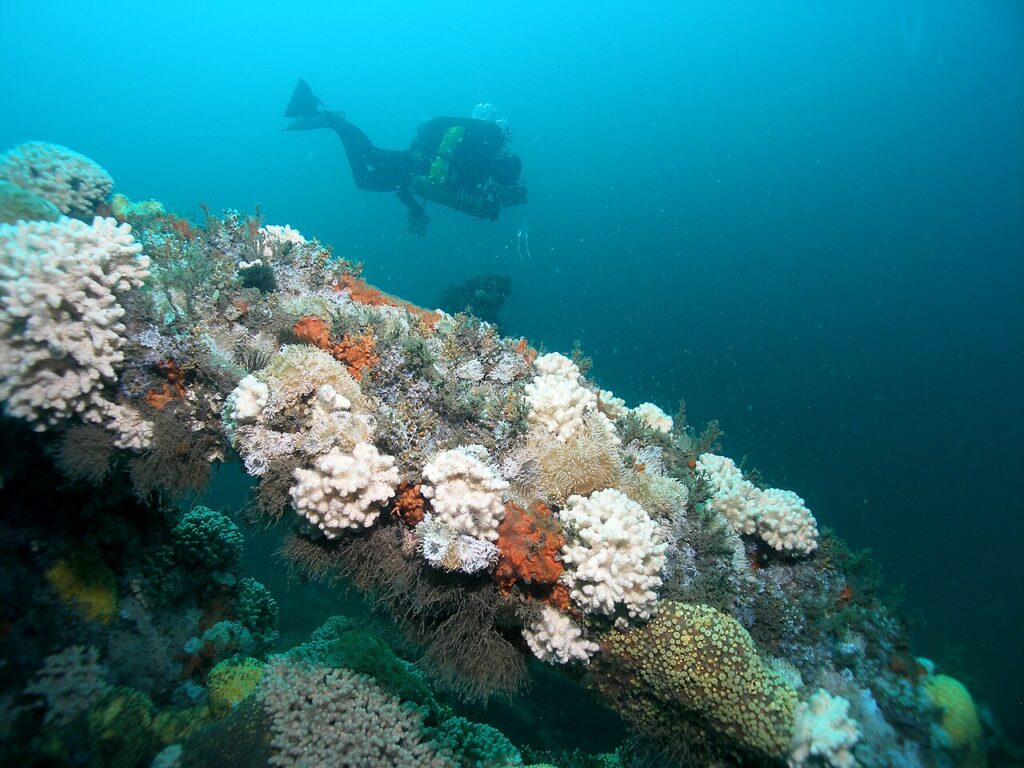
The Outer Banks hold one of the densest collections of accessible WWII shipwrecks in the world, the result of German U-boat activity along the coast in 1942. The U-352 submarine and the USS Tarpon are the headline wrecks, sitting at depths of 100–130 feet and well within recreational range for properly certified divers.
The Gulf Stream brings warm water and good visibility from May through October. Charter trips run $150–$220 for a two-tank wreck day. Advanced Open Water certification is the practical floor because of currents and depth, and the nearest hyperbaric chamber is Duke University Medical Center in Durham, which is a real consideration given the offshore distance to most of these wrecks.
6. Flower Garden Banks, Texas (Best for Gulf Liveaboards)
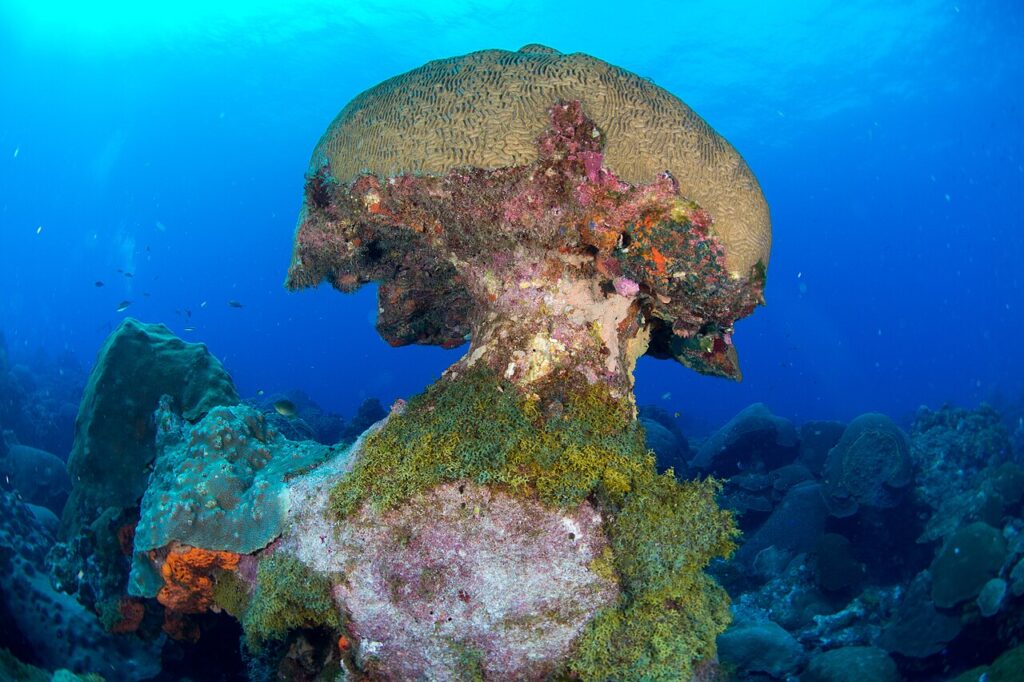
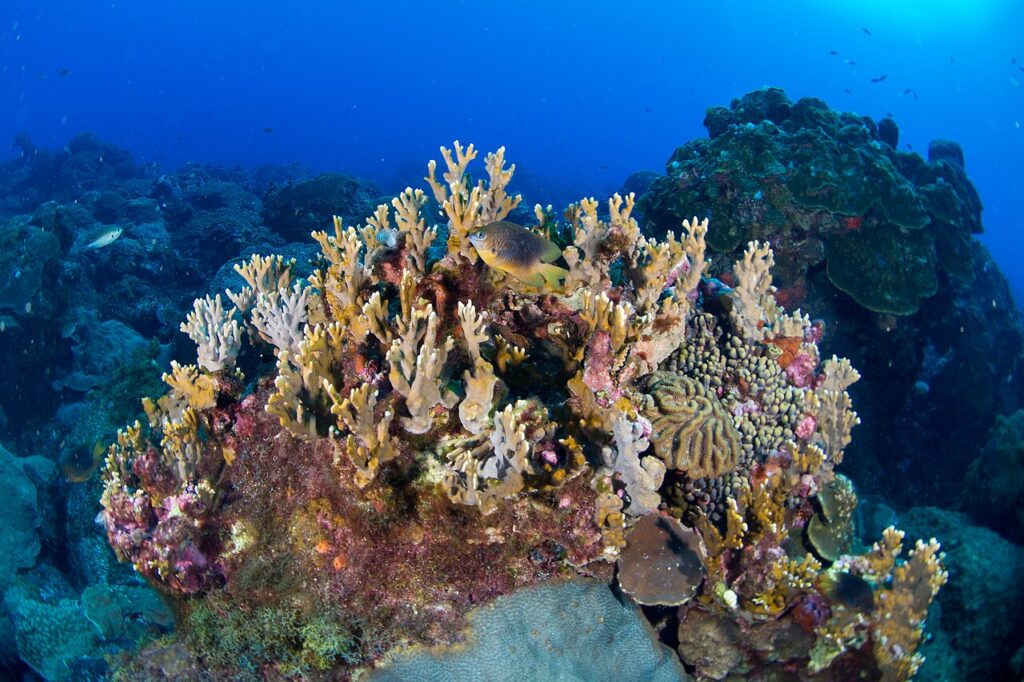
About 100 miles off the Texas coast, Flower Garden Banks National Marine Sanctuary protects three coral cap formations that are the northernmost true coral reefs in the continental US. Coral cover here remains exceptional by 2026 standards, and the site produces consistent encounters with hammerhead schools, manta rays, and whale sharks in summer.
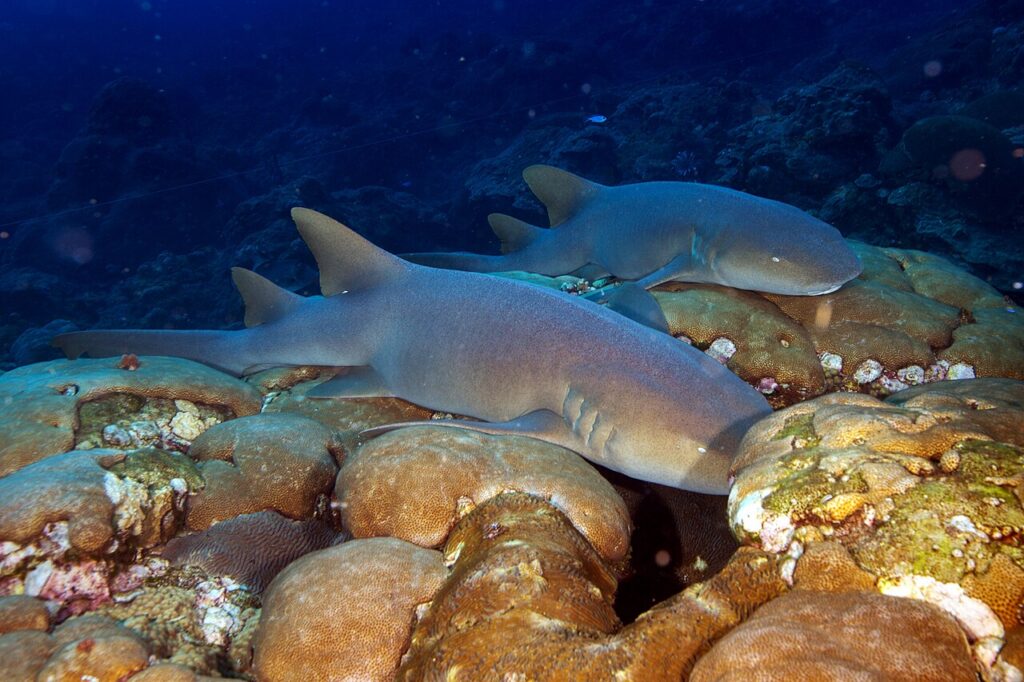
The calm-sea window runs May through October. Access is liveaboard-only, with weekend trips running $1,500–$2,500 all-inclusive. Advanced certification is required, partly for the depths and partly for the open-ocean conditions. The nearest hyperbaric chamber is in Galveston, which still represents a multi-hour return for a serious incident.
7. Puerto Rico & US Virgin Islands (Best Caribbean No-Passport Dives)
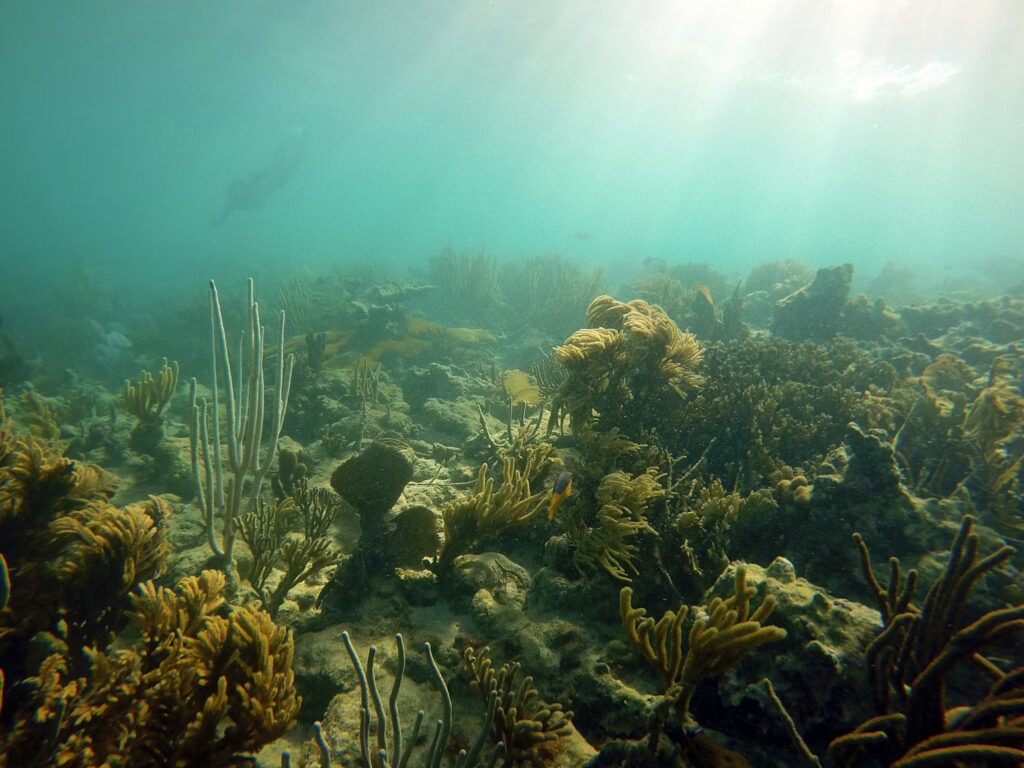
For US citizens, Puerto Rico and the USVI deliver legitimate Caribbean diving without ever showing a passport. The walls at La Parguera in Puerto Rico drop to 1,500 feet, and the wreck of the RMS Rhone off the British Virgin Islands, while technically requiring a passport, is reachable on day trips from St. Thomas with proper paperwork.
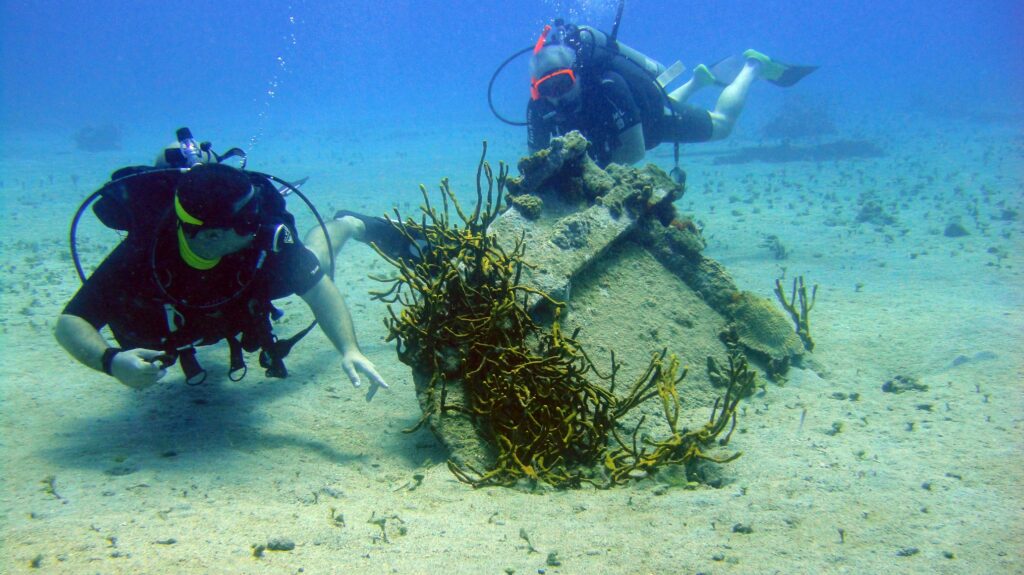
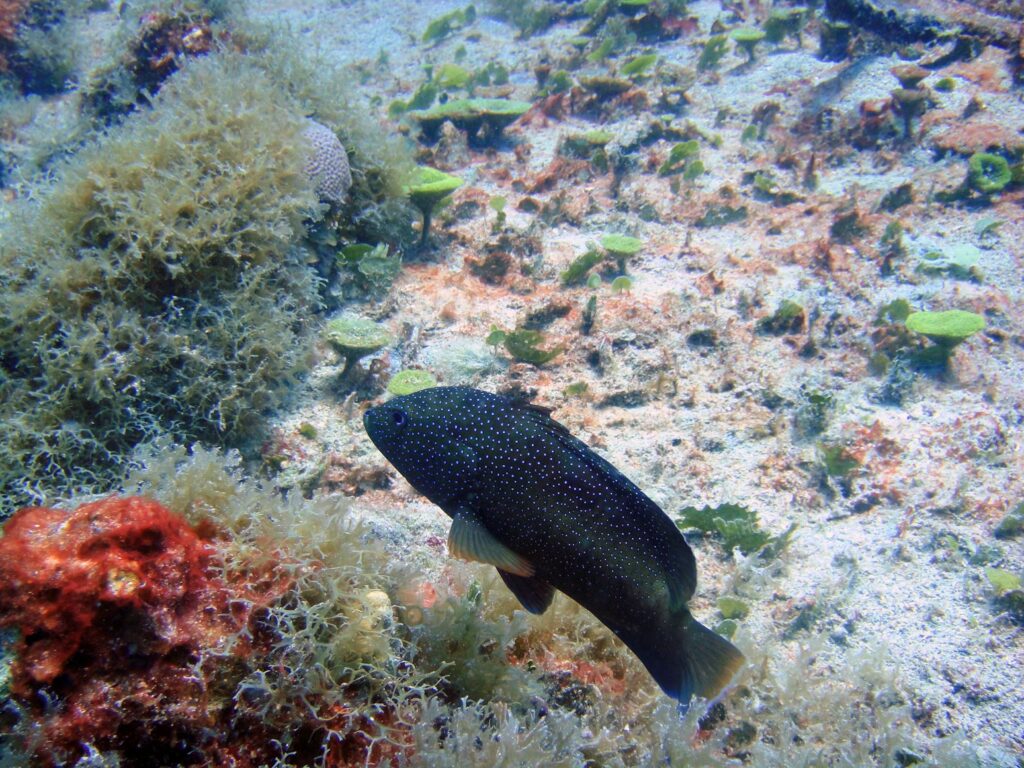
The dry season runs December through April. Boat dives across both territories run $110–$150 for a two-tank day. Open Water certification is sufficient for most sites. Hyperbaric chambers are located in San Juan and on St. Thomas, which is one of the better safety profiles for Caribbean diving anywhere.
Cold Water and Kelp Forests: Where the Real Action Lives
The second half of this list moves into colder water, where the diving demands more gear, more training, and more comfort with conditions that test newer divers. The trade-off is access to ecosystems most American divers never see: kelp forests, six-gill sharks, giant Pacific octopuses, and the kind of cold-water visibility that rivals tropical reefs in winter.
8. Catalina Island, California (Best for Kelp & Sea Bass)
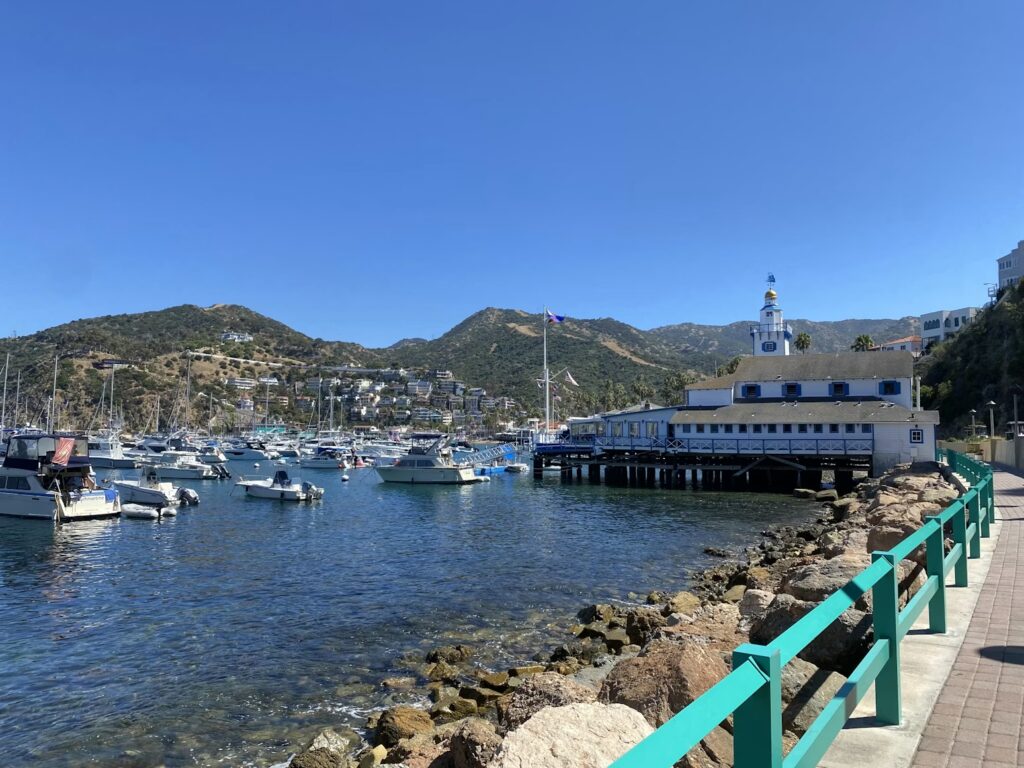
Catalina Island, an hour by boat from the Los Angeles coast, sits inside the largest kelp forest in the contiguous US. The site’s signature encounter is with giant black sea bass, an endangered species that can weigh 200–300 lbs and is known for approaching divers with what looks like curiosity. Garibaldi (California’s state fish), bat rays, and the occasional leopard shark round out the wildlife.
The best window is June through September, when visibility holds at 50–80 feet. A 7mm wetsuit handles most diving, though a drysuit is worth considering in spring and fall. Day-trip charters run $130–$180. Open Water certification is sufficient. Catalina has its own hyperbaric chamber on Avalon, which is one of the better safety profiles for any US cold-water destination.
9. Monterey Bay, California (Best for Cold Kelp)
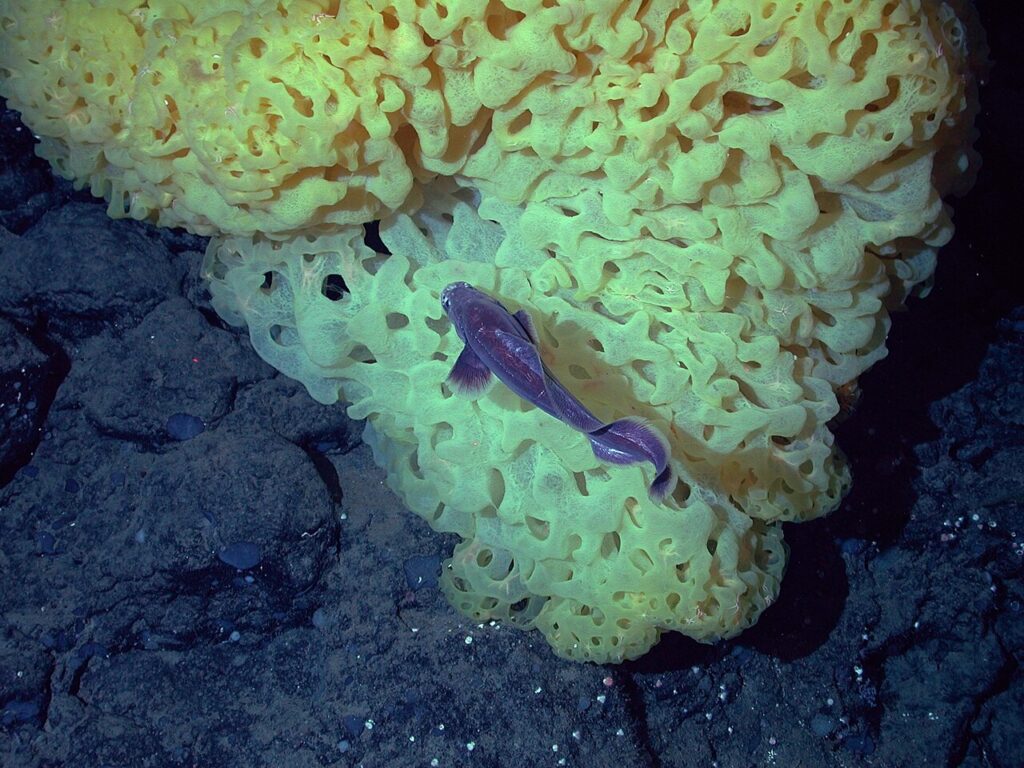
Monterey Bay is the cold-water dive destination that California cave divers and underwater photographers consistently rank at the top of the state. Point Lobos State Marine Reserve and the shore-dive sites along the Monterey peninsula offer some of the most accessible serious cold-water diving in the country, with kelp forests, sea lions, and the occasional sea otter encounter.
September through November delivers the best visibility, after the plankton bloom that clouds the water in summer. Open Water is the floor, but Advanced and a drysuit are the practical recommendations. Shore dives with rental gear run $60–$90, which makes Monterey one of the cheapest entry points to serious cold-water diving. The nearest hyperbaric chamber is in San Francisco.
10. Puget Sound, Washington (Best for Giant Pacific Octopus)
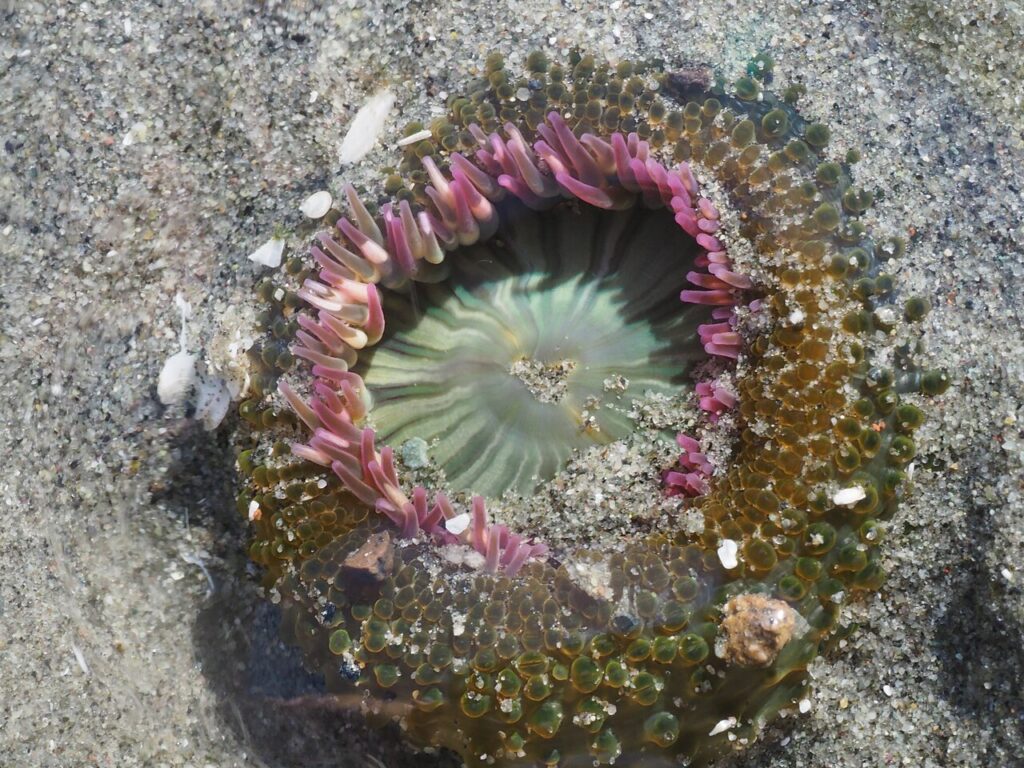
Puget Sound holds the largest concentration of six-gill sharks on the West Coast and the highest density of giant Pacific octopuses anywhere in the world, with mature animals reaching 110 lbs and 16-foot arm spans. The diving is unglamorous (poor visibility most of the year, cold water, and tide-dependent windows), but the wildlife is genuinely without equal in domestic waters.
The clearest visibility window is January through March, when winter water is coldest but plankton drops out. Drysuit certification is mandatory, not recommended. Boat charters run $120–$160. The nearest hyperbaric chamber is Virginia Mason Medical Center in Seattle, which is unusually close compared to most remote cold-water sites.
11. Bonne Terre Mine, Missouri (Best Inland Cold Dive)
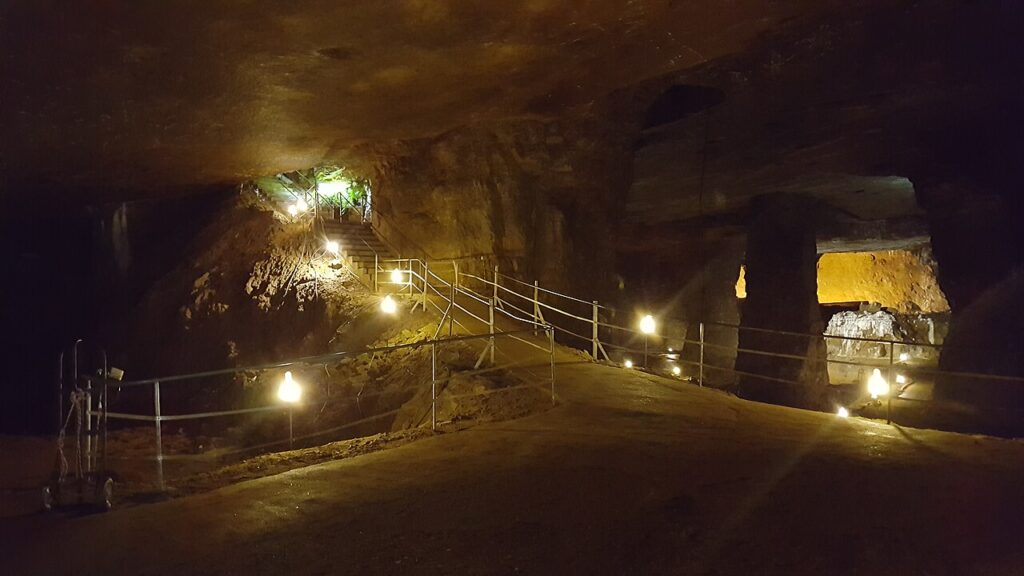
Bonne Terre Mine, an abandoned lead mine an hour south of St. Louis, is one of the most unusual dive sites in the country. The shafts and rooms flooded after pumps were shut off in 1962, leaving a billion-gallon underground lake with railroad tracks, ore carts, and original mining equipment still in place at depths of 40–80 feet. Visibility runs 100 feet or more in the constant 58°F water.
The mine dives year-round, since the underground environment is climate-stable. Open Water certification is sufficient with a guide, and trail dives run $95–$120. A thick wetsuit or drysuit handles the cold. The nearest hyperbaric chamber is in St. Louis, about an hour away.
12. Sitka, Alaska (Best for Extreme Cold Water)
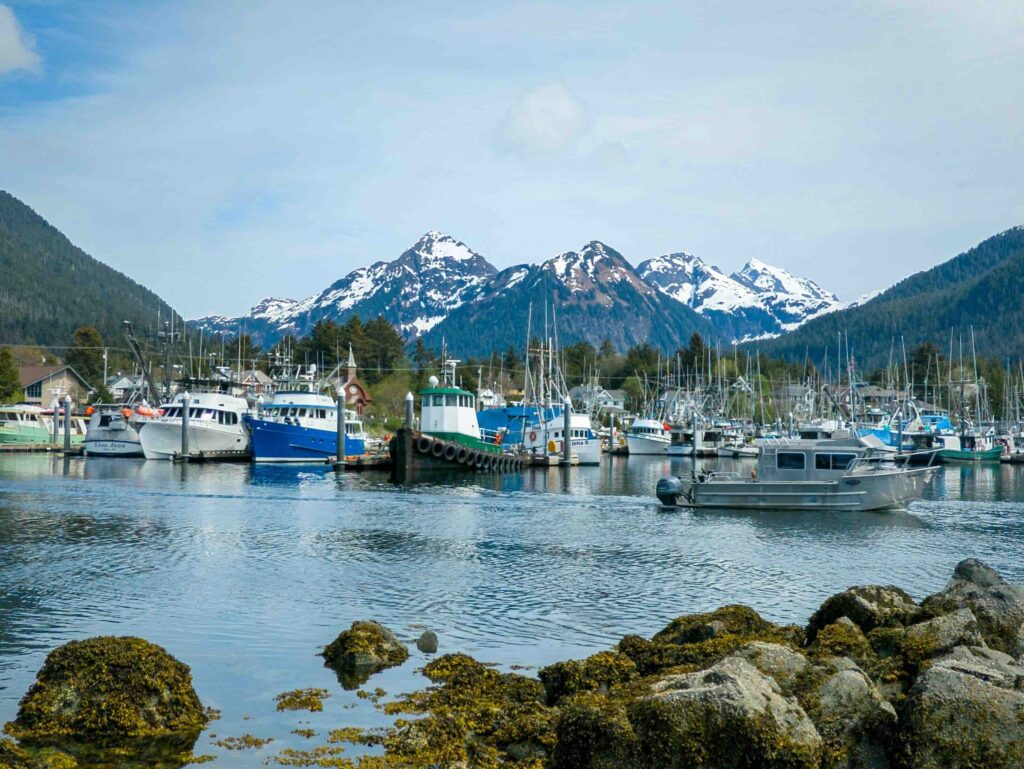
Sitka represents the far end of US cold-water diving, with kelp forests, wolf eels, giant Pacific octopuses, and the occasional sea lion encounter against a backdrop most divers never see in person. The diving is genuinely remote, and the few charter operations that work the area do so in short summer windows.
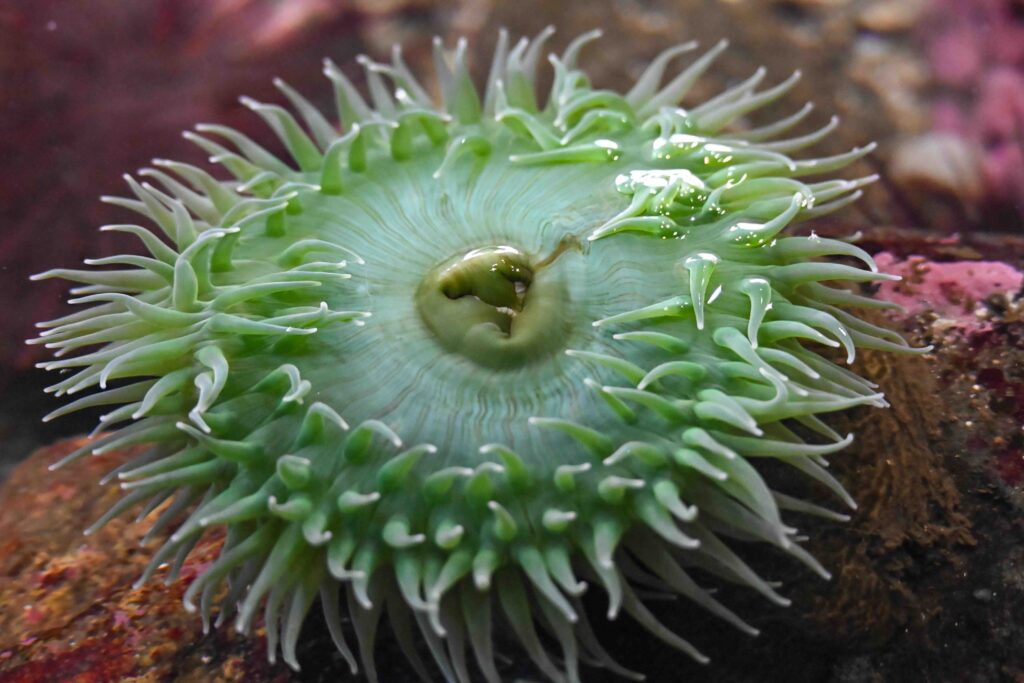
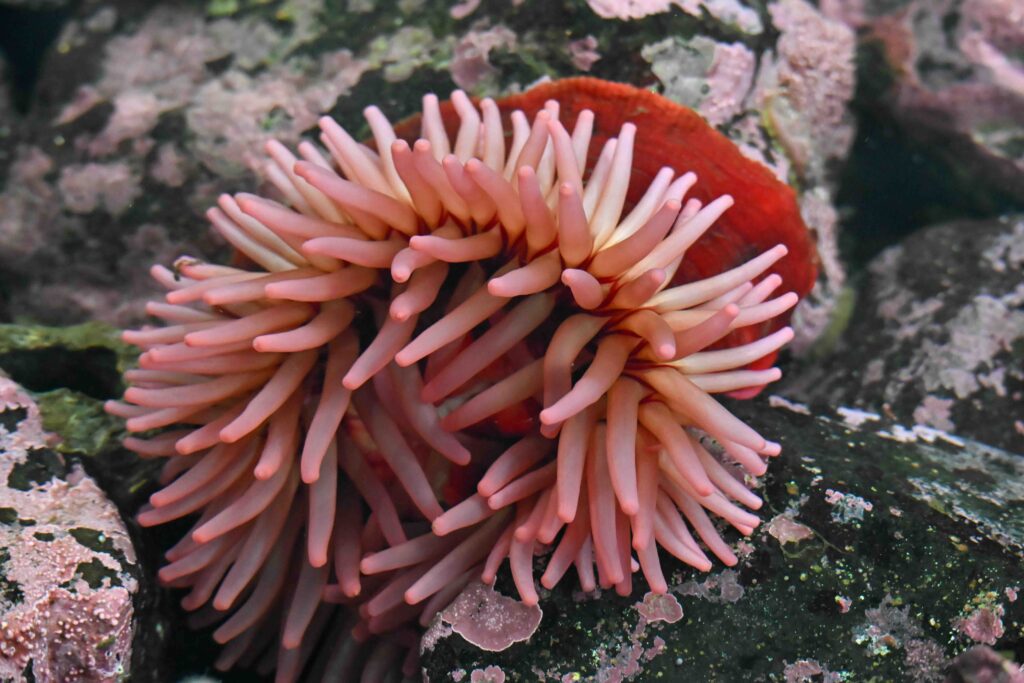
The season runs May through August. Drysuit certification is mandatory, and at least a dozen logged drysuit dives is the practical floor for any operator that will take you. Remote charters run $200–$280 per day. The nearest hyperbaric chamber is in Anchorage, which represents a multi-hour evacuation by air, so dive conservatively and carry insurance.
US Scuba Diving Safety and Logistics
Dive Insurance Isn’t Optional, Even Domestically
Standard travel insurance and most US health insurance plans do not cover hyperbaric chamber treatment or air evacuation, both of which can run into five-figure costs even within the country. Divers Alert Network (DAN) policies start under $100 annually and pay for chamber treatment and evacuation that ordinary coverage flatly excludes. The gap matters most at remote sites like Flower Garden Banks, Sitka, and the offshore Carolina wrecks, where evacuations can take hours.
Know Your Nearest Hyperbaric Chamber
Every dive day should start with a clear answer to one question: where’s the nearest chamber, and how long would I take to get there. Duke serves North Carolina’s wrecks. Galveston covers Flower Garden Banks. Virginia Mason in Seattle handles Puget Sound. Honolulu serves all of Hawaii, which is a meaningful distance from the outer islands. Catalina has its own chamber on Avalon. For remote Alaska and the Florida Keys’ deeper wrecks, the answer is “not close enough,” which changes how aggressive a dive plan should be.
Match Your Training to the Environment
Moving from warm Caribbean water to the cold kelp systems of the Pacific coast is a real step up, and not just in gear. Drysuit certification is its own skill set, requires its own practice, and is genuinely non-negotiable for Puget Sound and Alaska. Cave certification, similarly, isn’t a formality at the Florida springs: the difference between cavern diving (with natural light visible) and full cave diving (without an open ceiling) is the kind of distinction that gets divers killed when it’s not respected.
2026 Diver’s FAQ
What are the best US dive sites without a passport?
US citizens don’t need a passport for Puerto Rico, the US Virgin Islands (St. Thomas and St. Croix), or Hawaii (Kona and Niihau), all of which deliver reef quality comparable to international destinations. Florida Keys and Catalina add warm and cold-water variety within the continental US. Together these cover most of what divers fly internationally for.
Do I need a drysuit to scuba dive in the US?
It depends on the site. A drysuit is mandatory for Puget Sound, Alaska, and most Pacific Northwest diving, and strongly recommended for Northeast sites. Monterey Bay and Catalina are doable in a 7mm wetsuit, but a drysuit improves bottom time and comfort significantly. Hawaii, the Florida Keys, Puerto Rico, and the Texas Gulf are all comfortable in a 3mm or 5mm.
Where is the best freshwater diving in the US?
Florida’s spring system is widely considered the best freshwater diving on the planet, with constant 72°F water, exceptional visibility, and one of the world’s largest cave networks. Crystal River for manatees, Devil’s Den for snorkel-friendly cavern diving, and Ginnie Springs for the broader cave system anchor most freshwater itineraries.
What is the best US dive trip for Thanksgiving or Christmas?
Head south. The Florida Keys, Puerto Rico and USVI, and Hawaii are the strongest warm-water options during the December holidays. All three sit at the southern end of US territory, all three are accessible on direct flights from major hubs, and all three deliver reliable water temperatures in the mid-70s°F when the mainland is freezing.
When is the best time to dive with sharks in the US?
For lemon sharks specifically, Jupiter, Florida from September through April delivers some of the most reliable shark encounters in domestic waters. For six-gill sharks, Puget Sound in January through March. For hammerheads, Flower Garden Banks in late summer. Each window is narrow, so timing the trip around the species matters.
Where can I dive World War II wrecks in the US?
The Outer Banks of North Carolina hold the densest collection of accessible WWII wrecks in the country, including the German U-352 submarine and the USS Tarpon. Both sit within recreational depth range with Advanced certification and a competent charter operation. The Gulf Stream brings warm water from May through October, which is the practical window.
Is regular travel insurance enough for US dive trips?
No. Even within the country, standard travel insurance and most health plans exclude hyperbaric chamber treatment and dive-related evacuations, both of which can run into five figures. A DAN policy or equivalent dedicated dive coverage is the practical floor for any serious US dive trip and pays for itself the first time it’s needed.
Where is the closest hyperbaric chamber for remote US dives?
Always confirm before the trip. Virginia Mason serves Puget Sound from Seattle. Galveston handles Flower Garden Banks. Duke covers North Carolina’s offshore wrecks. Honolulu serves all Hawaiian sites. Catalina has its own chamber on Avalon. For Sitka, Anchorage is the nearest, which is far enough to change how a dive plan should be structured.
Planning Your 2026 US Dive Calendar
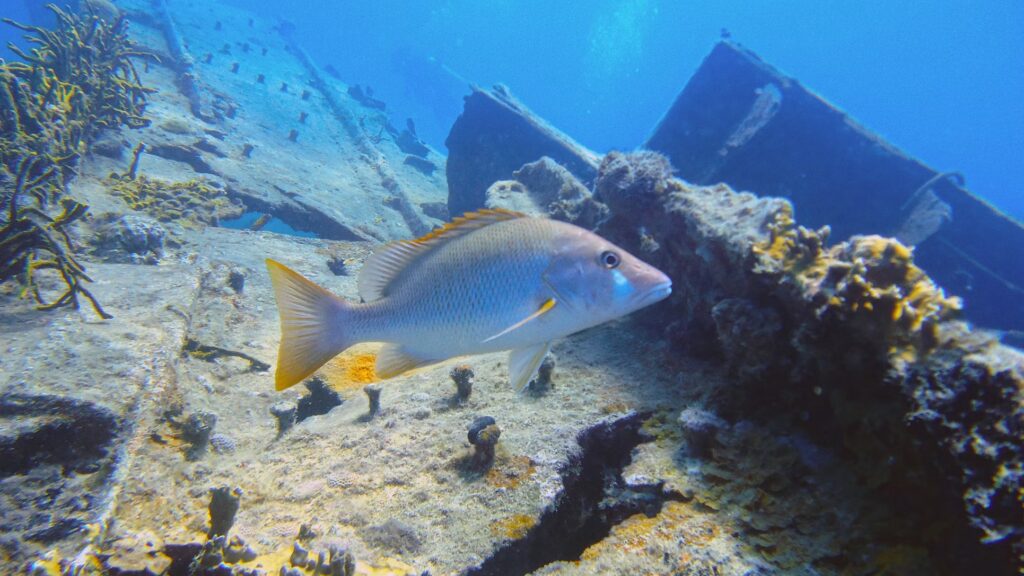
The United States holds enough marine and freshwater variety that a diver could spend a career here without ever booking an international flight. From the predictable manta nights of Kona to the underground rooms of Bonne Terre Mine, the domestic options span almost every category of recreational diving.
As you plan the 2026 calendar, match the certification you actually hold against the environment you’re heading into. Transitioning from warm Caribbean water to the kelp systems of the Pacific coast is a step up in both gear and safety awareness, and it’s worth taking the drysuit course before the trip rather than during it. Confirm the nearest hyperbaric chamber, carry DAN insurance even on domestic trips, and respect the conservation rules at fragile sites like the Florida springs and Flower Garden Banks.
For travelers ready to add a passport to the gear bag, the companion guide to the 15 best places to scuba dive in the world picks up where this one ends. For non-diving travel partners or family members who’d rather stay on the surface, a curated guide to the best places to snorkel in the US covers the most vibrant, beginner-friendly waters from coast to coast.

.jpg)
.jpg)
.jpg)
.jpg)
.jpg)
.jpg)

