



London, the beating heart of Britain’s royal history, offers visitors a rich tapestry of culture, architecture, and historical significance. The city’s royal landmarks, steeped in centuries of tradition, are a must-see for anyone interested in British history. However, while landmarks like Buckingham Palace and the Tower of London dominate the tourist radar, there are lesser-known spots that provide a more intimate look into the monarchy’s legacy.
This article is designed to help you make informed decisions about how to explore London’s royal history, whether you want to follow the well-worn path or venture off the beaten track to discover hidden gems. By offering detailed insights into the major royal attractions and suggesting some quieter, lesser-known sites, this guide will help you navigate the royal side of London thoughtfully and efficiently.
Iconic Royal Landmarks: A Foundation for Your Visit
For first-time visitors or those looking to get a comprehensive view of London’s royal heritage, a few landmarks stand out as essential stops. These iconic sites offer historical depth and a glimpse into the heart of British royal life.
Buckingham Palace: The Heart of the Monarchy

Arguably the most famous royal site in London, Buckingham Palace serves as the official residence of the British monarch. While much of the palace is closed to the public, the State Rooms are open during the summer months, offering a peek into the grand ceremonial spaces used by the royal family. Even if you don’t enter, the Changing of the Guard ceremony is a quintessential experience that many visitors seek.
However, it’s important to remember that during peak season, Buckingham Palace can become crowded. For a more relaxed experience, consider visiting early in the morning or during the off-peak months when crowds are smaller. If you’re looking to explore beyond the typical tourist visit, check out the Queen’s Gallery, which offers a quieter space to appreciate the royal art collection, often overlooked by those headed to the State Rooms.
Tower of London: A Fortress with Rich History

Another must-see is the Tower of London, a fortress steeped in stories of power, intrigue, and royal history. Originally built by William the Conqueror in 1066, the tower has served as a royal palace, prison, treasury, and home to the Crown Jewels. It’s famous for its interactive exhibits, including the Crown Jewels display, and the Beefeaters (Yeoman Warders) who guide visitors through the tower’s storied past.
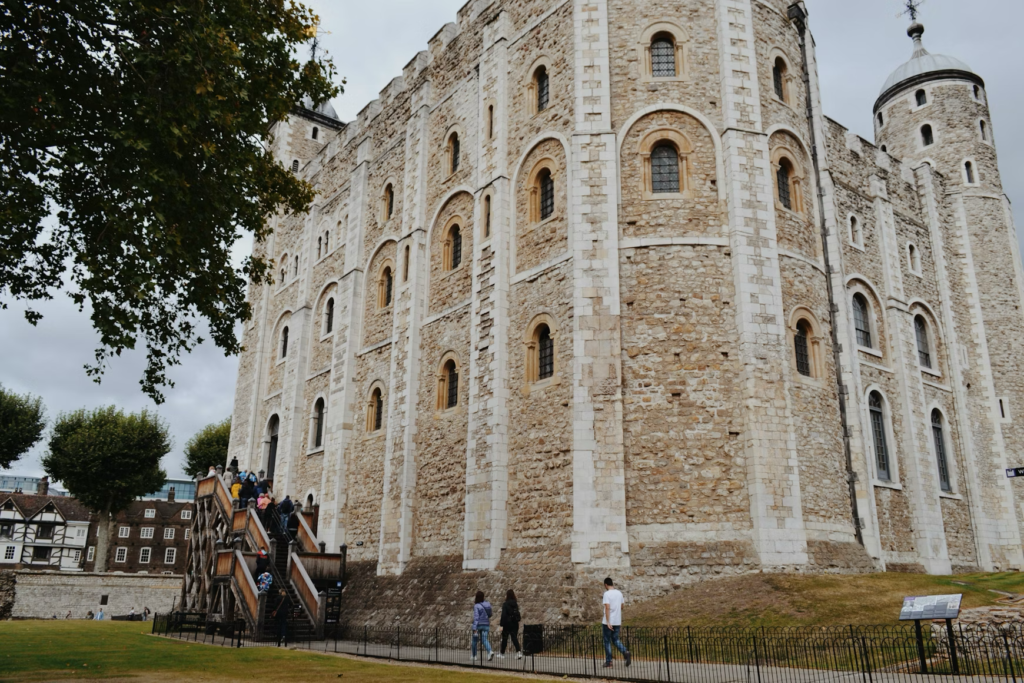
While the Tower of London is a top attraction, it’s also one of the busiest royal sites in the city. If you’re hoping for a quieter visit, consider booking tickets in advance to avoid the long queues, and aim to visit early in the morning or later in the afternoon, especially during high season. If you have a particular interest in the darker aspects of British history, the Medieval Palace section offers a more intimate look at royal life during the Middle Ages.
Lesser-Known Royal Sights: For Those Who Want More
While the main royal landmarks are unmissable, there are hidden treasures in London that offer a quieter, less crowded experience. These lesser-known sites provide insight into the everyday lives of royalty and the grandeur of the British monarchy without the crowds.
Kew Palace: The Royal Retreat in the Gardens
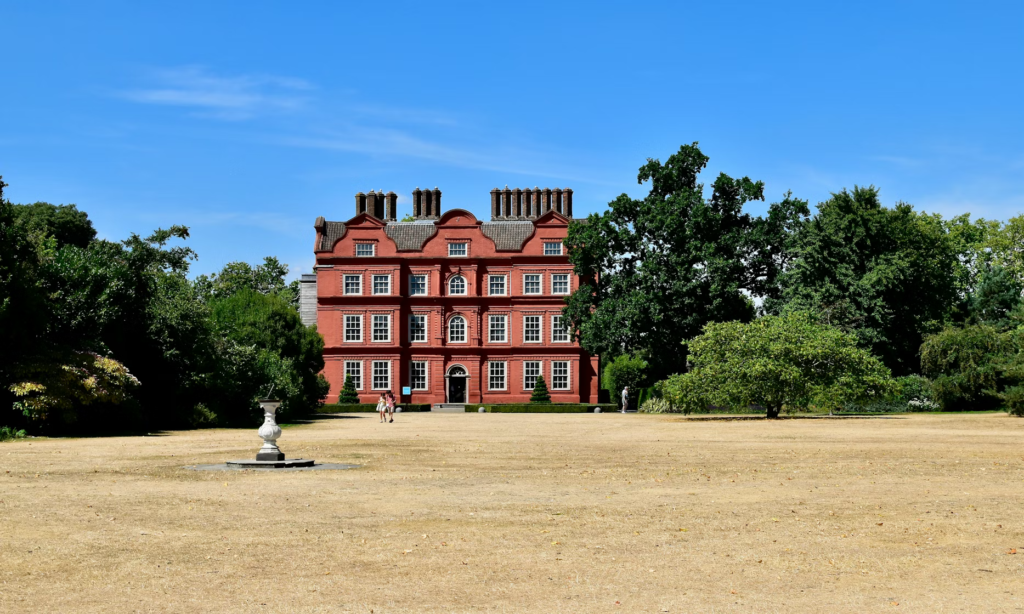
Tucked away in the Royal Botanic Gardens at Kew, Kew Palace is one of the lesser-visited royal sites, but it’s rich with history. This small, charming palace was once a royal retreat, especially for King George III, and offers a glimpse into the royal family’s private life. With its tranquil gardens and historic rooms, Kew Palace provides a peaceful escape from the bustling crowds around Buckingham Palace.
A visit to Kew Gardens is an added bonus. You can explore the botanical gardens before or after touring the palace, which is often less crowded compared to more famous sites. This makes Kew Palace an excellent choice for those seeking a more relaxed royal experience.
The Queen’s Walk and South Bank: A Riverside View of Royalty

The Queen’s Walk along the South Bank offers a unique perspective on London’s royal history. Starting from Westminster Bridge, this scenic stroll runs along the River Thames, passing key sites such as Houses of Parliament and London Eye, and providing views of Buckingham Palace. What makes it particularly royal is its connection to the monarch’s official duties: the route often features royal events and public celebrations, such as the annual Trooping the Colour.
For those looking for a more historical walk, South Bank’s historical landmarks, like Somerset House and St. Paul’s Cathedral, echo the grandeur of the monarchy’s influence throughout British history. The Queen’s Walk also offers quieter corners where you can relax while still being immersed in London’s royal heritage.
Hampton Court Palace: Tudor History Beyond the Crowds

While Hampton Court Palace is well-known to some, it remains more peaceful compared to the iconic Buckingham Palace or the Tower of London. Located on the outskirts of London, it was the residence of King Henry VIII and is one of the best-preserved Tudor palaces in the country. Visitors can explore the Tudor kitchens, great halls, and the sprawling formal gardens, making it a perfect place to dive into Britain’s royal history during the Tudor period.

Unlike the bustling royal sites in the city, Hampton Court Palace offers a much more relaxed experience. The palace is easily accessible via train from central London, and it’s often less crowded, making it ideal for those wanting to escape the more tourist-heavy attractions while still enjoying an enriching experience.
Planning Your Royal Tour: How to Make the Most of Your Visit

When planning a visit to London’s royal sights, it’s essential to consider the time and energy required for each location. The major royal sites are close together, but visiting them in a single day might feel overwhelming, especially with the crowds during peak season.
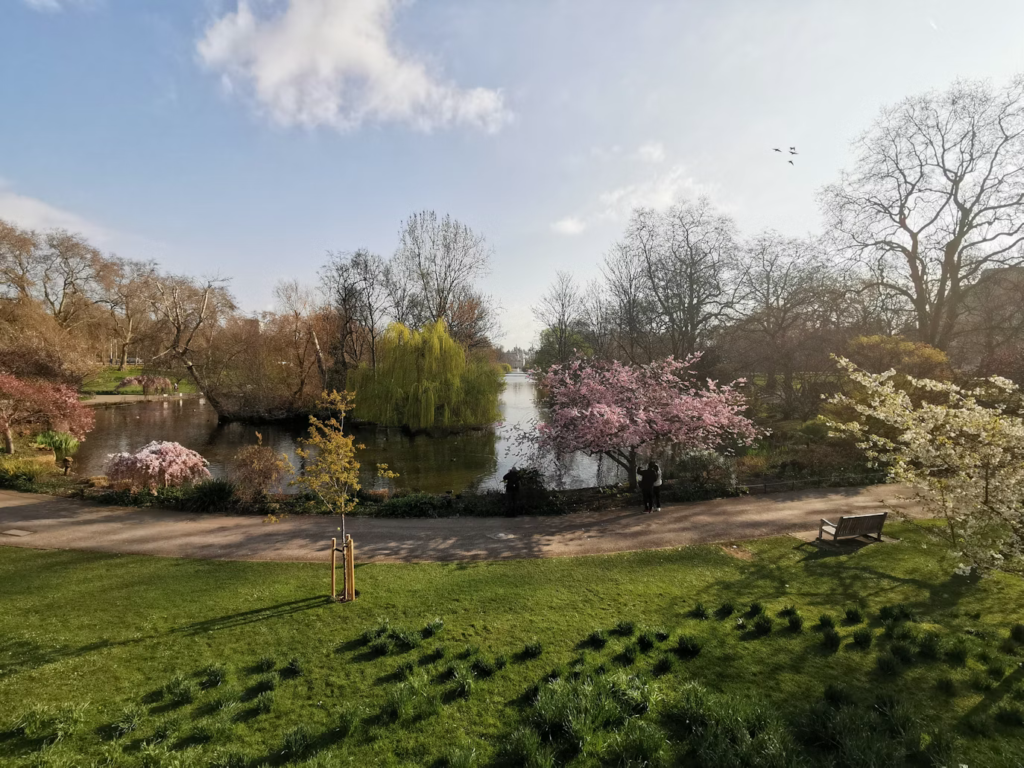
For those wanting to see multiple sites in one day, consider grouping them by location. A convenient itinerary might include starting with Buckingham Palace, followed by a visit to St. James’s Park, and then heading over to Westminster Abbey and the Houses of Parliament. For a more relaxed pace, focus on just one or two locations per day, allowing more time to soak in the history without rushing.
If you’re visiting during peak season, be sure to book tickets in advance for all major attractions, especially the Changing of the Guard at Buckingham Palace, which draws large crowds. For a more in-depth experience, consider booking a guided tour to learn more about the historical significance of each location, bypassing some of the long queues.
Conclusion: Making the Most of Your Royal Experience

London’s royal landmarks offer an incredible opportunity to connect with the country’s rich history and the legacy of the monarchy. Whether you’re exploring the iconic Buckingham Palace, discovering the Tudor splendor of Hampton Court Palace, or venturing to lesser-known gems like Kew Palace, London’s royal heritage is accessible to all.
Careful planning and smart choices about when and where to visit will ensure that your experience is both enjoyable and meaningful. Whether you prefer to explore the busy, well-known royal sites or prefer the quieter corners of royal history, London has something to offer everyone interested in the grandeur of Britain’s past.
