

The Australian Outback offers a rugged and adventurous landscape that entices those looking for a once-in-a-lifetime journey. From vast deserts and remote wildlife to ancient rock art and isolated beauty, the Outback presents a unique opportunity to experience Australia in its rawest form. But it also comes with its own set of challenges that require careful planning and preparation.
This guide will help you decide how best to approach your Outback road trip, whether you’re looking for iconic destinations, hidden gems, or practical travel tips to ensure a safe and memorable journey. With the right knowledge, your trip to Australia’s wild heart can be both exhilarating and manageable.
Why Choose an Outback Road Trip?

The Outback is one of the most strikingly beautiful and diverse places on earth, offering an unforgettable road trip experience. It’s a chance to connect with nature, learn about Aboriginal culture, and witness some of the world’s most iconic landmarks, all while exploring a land rich in both history and adventure. However, the remoteness, extreme weather, and long distances are aspects that need to be considered carefully before embarking on your adventure.
The key to having a successful Outback road trip is balancing the adventure with the practicalities. For example, while the scenic drives and remote destinations like Uluru or Kings Canyon are incredible, the reality of the Outback’s isolation requires preparation, whether it’s in vehicle choice, safety, or understanding road conditions.
Planning Your Outback Road Trip: What to Expect
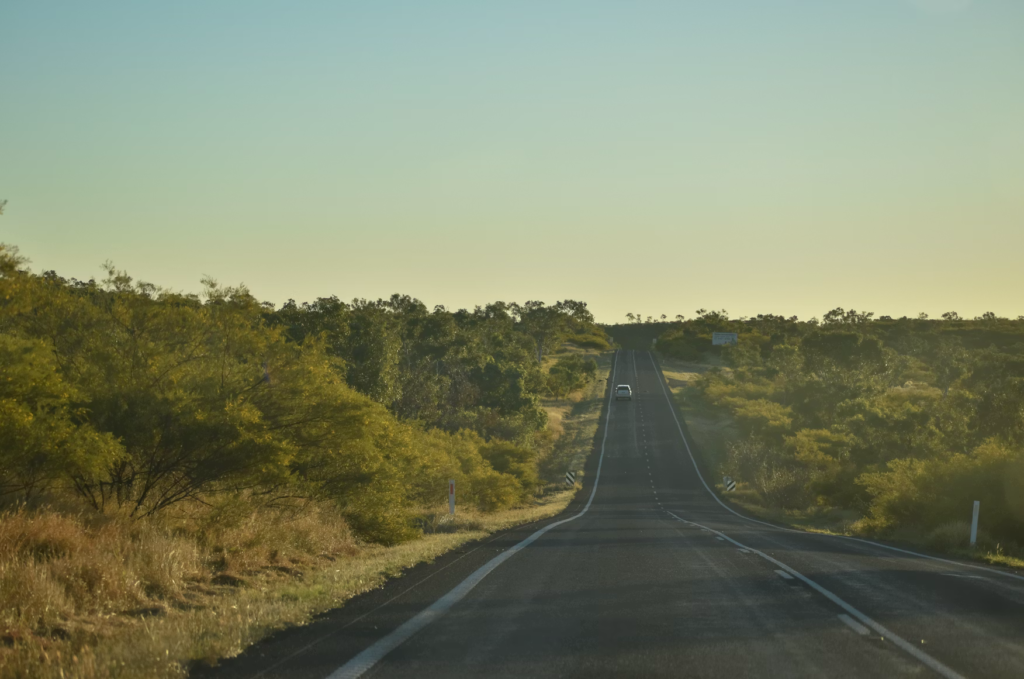
Embarking on an Outback road trip isn’t for the faint of heart, but it doesn’t have to be intimidating. Proper planning will ensure you have an incredible experience and minimize any risks. One of the most important considerations is the weather. The Outback is known for extreme temperatures, with scorching hot days and surprisingly cold nights. The summer months (December through February) can be especially harsh, so the best time to travel is during autumn (March-May) or spring (September-November), when temperatures are milder.
Additionally, the vast distances between destinations are something to plan for. A four-wheel drive (4WD) is often recommended for many of the more remote areas, as some roads are unsealed or difficult to navigate without it. If you aren’t accustomed to driving in such conditions, consider joining a guided tour to gain more insight into the region’s terrain and culture.
Deciding on Routes and Destinations
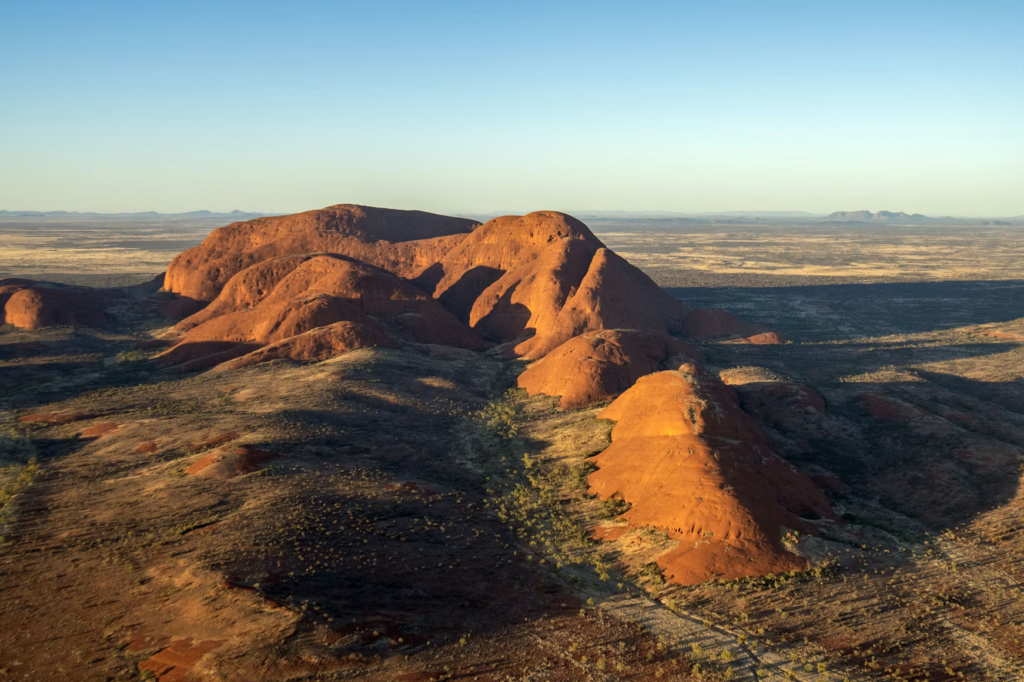
The Outback offers a range of options depending on your time, interests, and travel style. You can explore well-known sites like Uluru, Kakadu National Park, and Alice Springs, or venture off the beaten path to discover hidden gems.
The Red Centre is often the starting point for most Outback road trips, as it includes iconic sites like Uluru, Kata Tjuta, and Kings Canyon. For those with limited time, a 3-5 day itinerary that explores these sites via the Lasseter Highway is a good option. On the other hand, travelers with more time can delve deeper into Western Australia or the Kimberley region, where you can enjoy secluded beaches, rugged gorges, and remote communities.
The choice of where to go depends on your time constraints, level of adventure, and the type of experience you’re seeking.
Hidden Gems of the Outback: Lesser-Known Destinations
While the famous landmarks are must-see, the Outback also offers many lesser-known treasures. These spots often provide a quieter, more intimate experience of the Australian wilderness. Exploring these hidden gems can make your trip feel more personal and unique.
The Painted Desert: An Artist’s Palette in the Middle of Nowhere

The Painted Desert, located in South Australia near the Flinders Ranges, is an extraordinary destination that’s often overlooked by travelers. The name itself is a perfect description, as the landscape is marked by vibrant, multicolored hills that seem to glow in the light. This area offers fantastic photographic opportunities and a sense of isolation that many find appealing. It’s a remote, peaceful spot, perfect for those who want to experience the natural beauty of the Outback without the crowds.
Coober Pedy: Underground Living in the Opal Capital
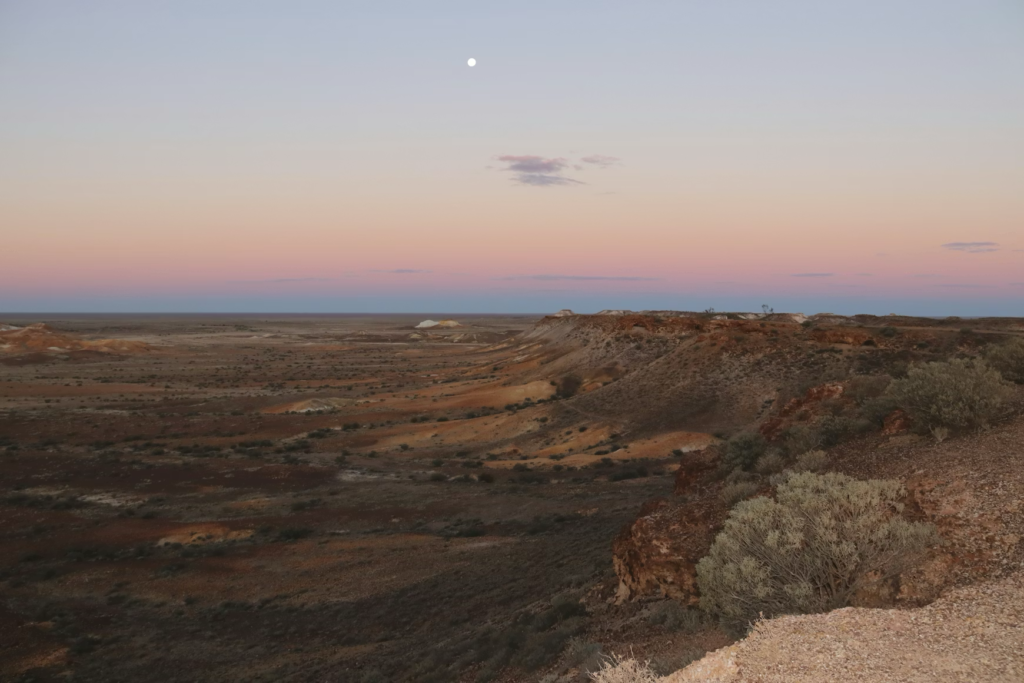
Famous for being the opals capital of the world, Coober Pedy is a quirky town in South Australia where most residents live underground to escape the intense heat. Here, you can explore underground homes, the Opal Mining Museum, and unique churches built below the earth’s surface. For an adventurous twist, stay in one of the town’s underground hotels and explore the desert landscapes that stretch out around you.
The Bungles Bungles: A Natural Wonder in the Kimberley
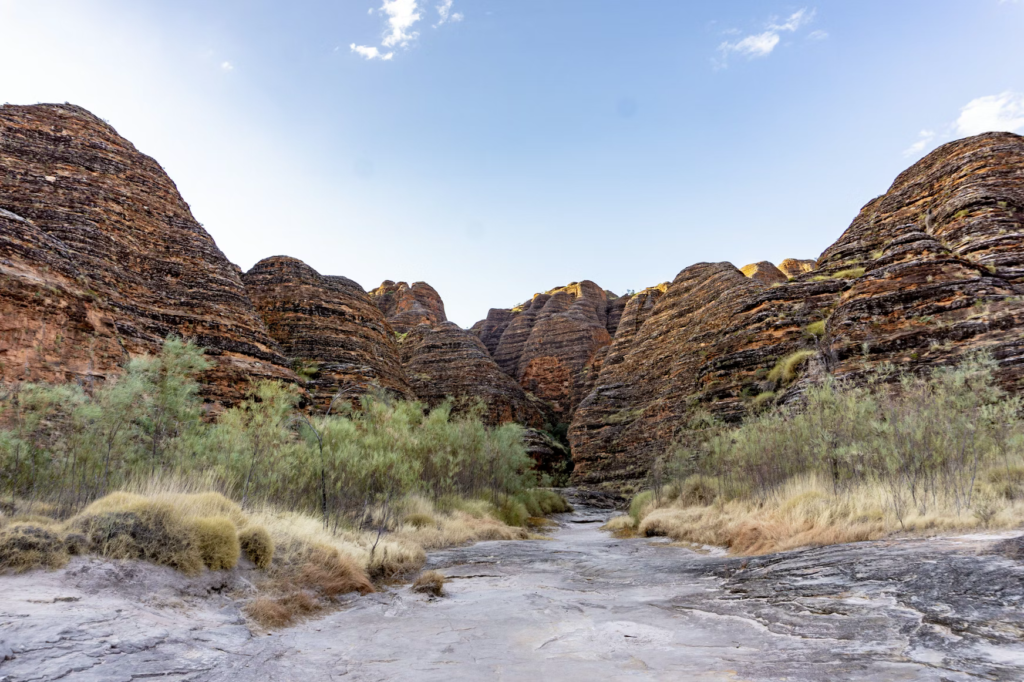
Bungle Bungles in Purnululu National Park (Western Australia) is a spectacular yet remote landscape that can only be fully appreciated by those willing to make the effort. Known for its distinctive beehive-shaped domes and dramatic gorges, this UNESCO World Heritage site is an off-the-beaten-path gem. The area can only be reached by 4WD, so it’s important to plan ahead for the journey, but for those with the time and energy, the reward is a stunning, largely untouched part of the Outback.
Practical Tips for Road Tripping in the Outback
1. Vehicle and Fuel Preparation

The Outback’s isolation means you should always carry extra fuel, especially if you’re venturing off well-worn roads. 4WD vehicles are essential for most remote areas, and ensure your vehicle is equipped with a spare tire, water, and basic repair tools. Always check the road conditions before setting out and take note of service stations’ opening hours, as some towns are miles apart and fuel may not be available after hours.
2. Pack for Extremes
In the Outback, temperatures can vary drastically, with daytime highs soaring over 40°C (104°F) in summer, and nighttime temperatures dropping near freezing. Be sure to pack sun protection, plenty of water, and light clothing for the day, along with warm clothing for the evenings. Don’t forget a first aid kit, a map, and an emergency communication device if you’re traveling in particularly remote areas.
3. Staying Safe and Managing Risks
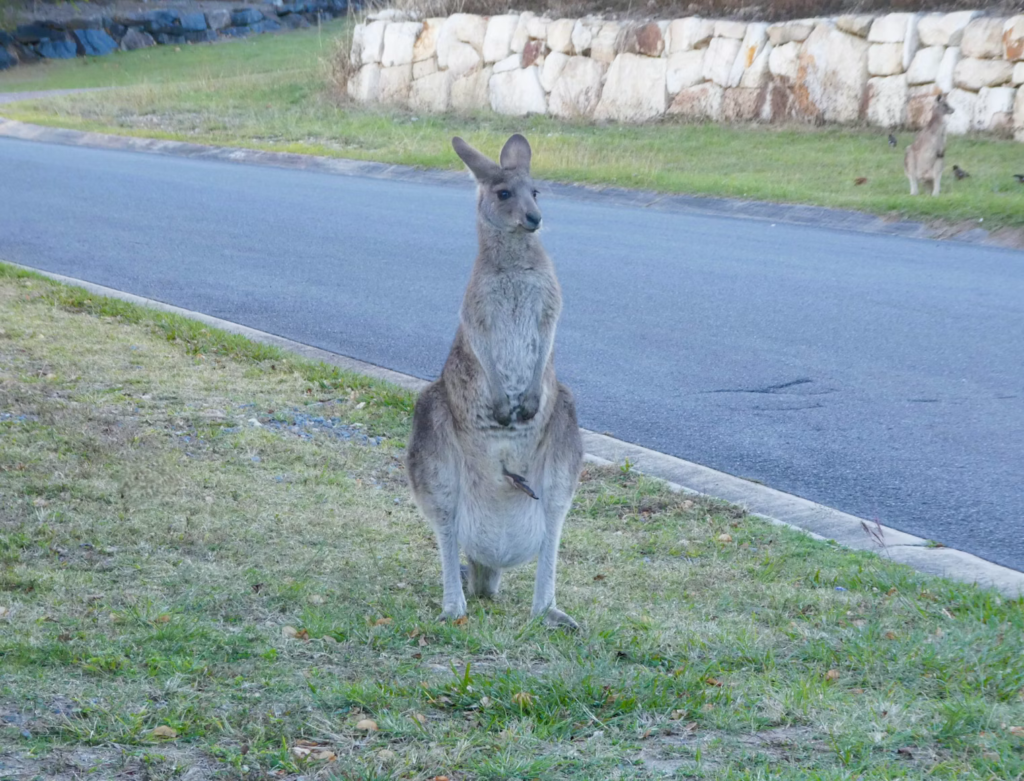
It’s essential to respect the harsh environment of the Outback. Make sure you inform someone about your travel plans, especially if traveling solo or to very remote locations. Wildlife in the Outback, including snakes and kangaroos, can pose risks, so remain cautious when hiking or driving. Also, take regular breaks to avoid fatigue during long drives and stay hydrated at all times.
4. Cultural Respect and Awareness
The Outback is also a region of cultural significance for Indigenous Australians. When visiting sacred sites like Uluru, be mindful of the cultural sensitivities surrounding these locations. Many places offer Aboriginal-guided tours that provide valuable insights into the history and spiritual significance of these regions. If you’re considering a visit to Indigenous sites, it’s essential to be respectful of local customs and traditions.
Conclusion: Is an Outback Road Trip Right for You?
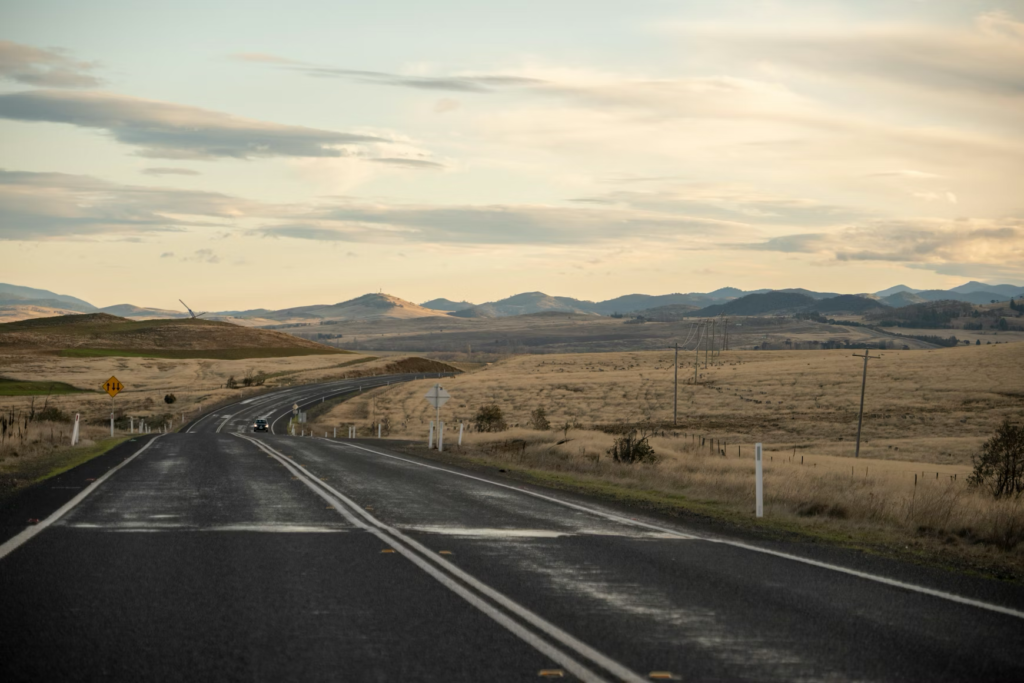
A road trip through Australia’s Outback is an unforgettable adventure that promises breathtaking scenery, rich cultural experiences, and a unique sense of isolation. However, the Outback’s rugged beauty comes with challenges. Proper preparation is essential, whether that means choosing the right route, ensuring your safety, or making sure you’re well-equipped for the journey.
While there are some logistical challenges involved in traveling through remote regions, for those who enjoy adventure and authentic cultural experiences, a road trip through the Outback offers a journey unlike any other. From iconic landmarks like Uluru to the hidden treasures of the Painted Desert or Bungle Bungles, the Outback is a place where the journey itself becomes just as important as the destination.
With the right planning and mindset, an Outback road trip can be a safe, rewarding, and profoundly transformative adventure.