
Living cheaply often feels like a skill at first. It shows up through adaptability, flexibility, and the ability to make a place work with very little. Early on, this can feel empowering. Expenses stay low, movement stays light, and the sense of freedom seems to follow naturally from how little is required to keep going.
As travel continues, the meaning of “cheap” begins to sit differently inside the day. What once felt efficient starts to blend into routine, remaining present even as everything continues to function.
When saving money stays active in the background
In the beginning, living cheaply sharpens awareness. Prices, timing, and small choices stay visible, and that visibility feels intentional. The day moves forward with a sense of control, shaped by attention that stays engaged and responsive.
Over time, that attention remains lightly active. Choices around housing, transport, food, and workspace return as part of the day’s flow, surfacing quietly even when no immediate decision is required. Balance is maintained through ongoing awareness rather than any single decision.
How low-cost spaces shape daily rhythm
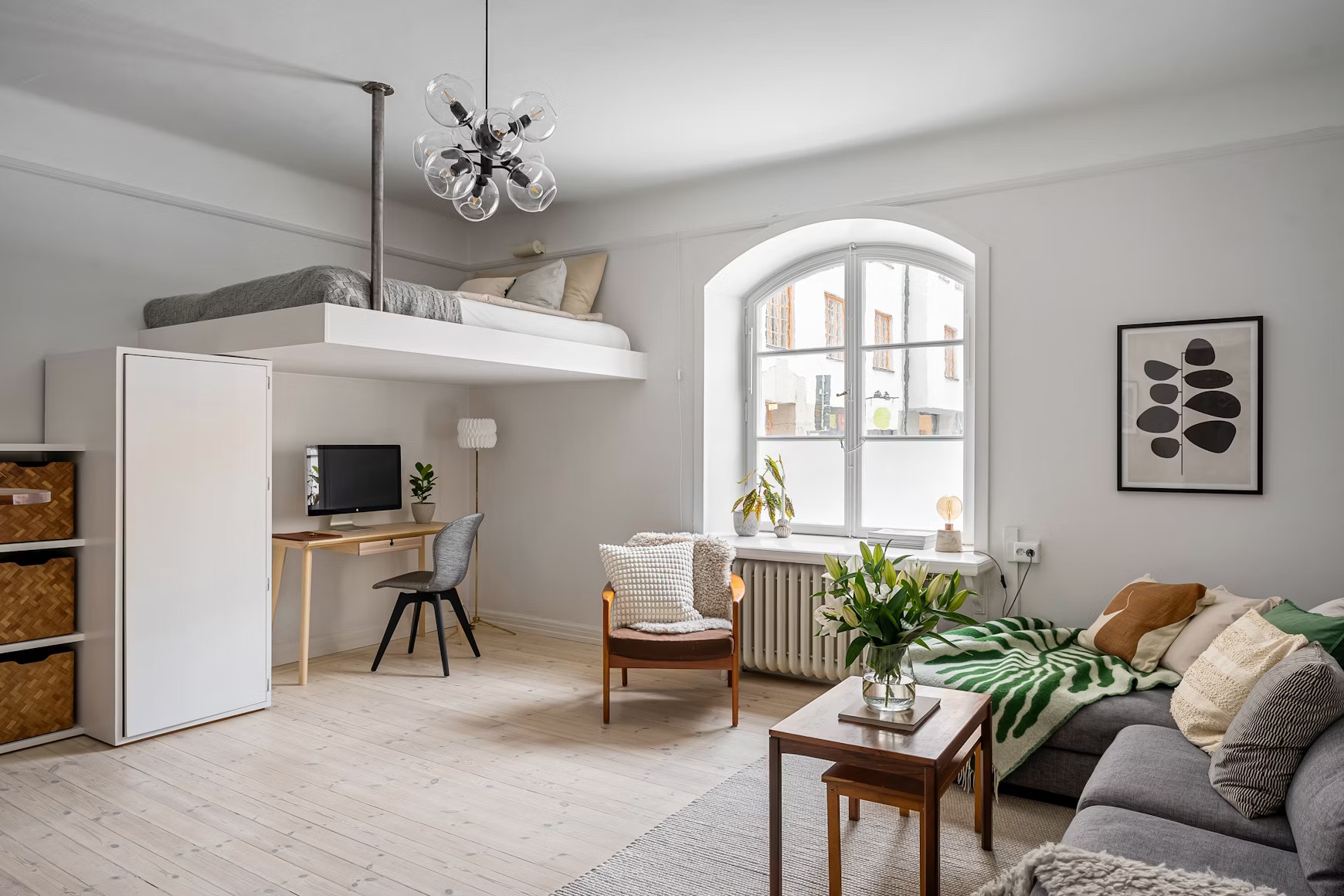
Affordable accommodation often becomes routine quickly. The space works well enough to support daily life, while staying present in subtle ways. Sound, light, layout, and reliability register gently, influencing how the day moves without drawing focus outright. Work adjusts around the space as the environment continues to be noticed. Rest arrives within the same patterns, moving alongside the day. The space continues to function, even as its limitations stay quietly present.
The social texture that repeats
Living cheaply often places you inside a flow of passing presence. Connection comes easily at first, carried by novelty that fills the space between encounters and makes company feel readily available. As days repeat, familiarity settles in. People continue to arrive and leave, and presence returns in similar forms, cycling through the social field while depth depends on repetition that doesn’t always arrive.
Where the cost begins to register
Eventually, the real expense of living cheaply shows up through energy. The energy required to adapt, to stay flexible, to move with spaces that never fully settle. Small inefficiencies accumulate quietly, shaping the day without interrupting it. Living cheaply continues to work. As time stretches, the effort required to keep things aligned becomes easier to notice.

How longer stays change the frame
With longer stays, perspective shifts. Attention moves away from cost alone and toward what can be carried comfortably over time. The question becomes quieter, shaped less by numbers and more by how the day feels when nothing unusual is happening.
What “cheap” becomes over time

Different choices begin to change how the day feels. The environment recedes slightly, routine takes on more weight, and daily life starts to move forward with less effort spent holding its pieces together.
Over time, many remote travelers realize that cost is only one part of sustainability. As days repeat and familiarity sets in, energy, continuity, and ease take on equal weight. Living cheaply can open the door to remote travel. What allows the journey to continue is how lightly the day can be carried once familiarity replaces novelty.