
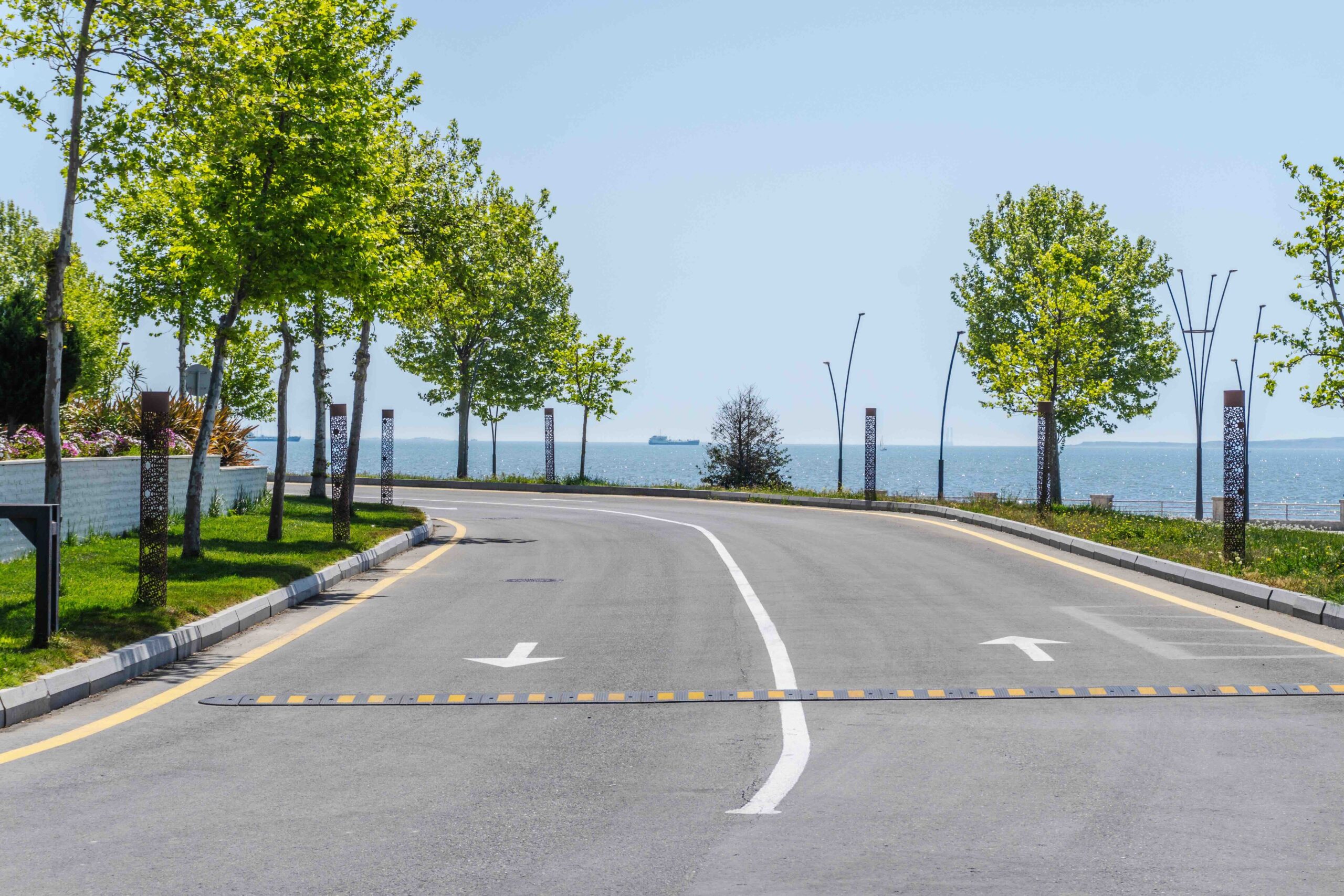
When the two coexist without friction
Remote work and travel often sit together easily at first. Work slips into the day and travel fills the surrounding space, allowing the hours to hold without asking for much reflection. Balance isn’t something you think about during this period. Attention moves with novelty, and work continues inside that motion before any separate structure begins to form.
Where the day begins to ask for more care
As repetition settles in, the relationship between work and travel starts to register differently. Travel becomes familiar enough to stop organizing the day on its own, while work continues to expect the same consistency. The overlap between the two grows more visible through small shifts in focus and energy that are easy to overlook at first.
Attention begins to gather more slowly, transitions take longer to move through, and the day continues to function even as it stops carrying itself effortlessly. Balance remains present, though it now needs attention rather than momentum alone.
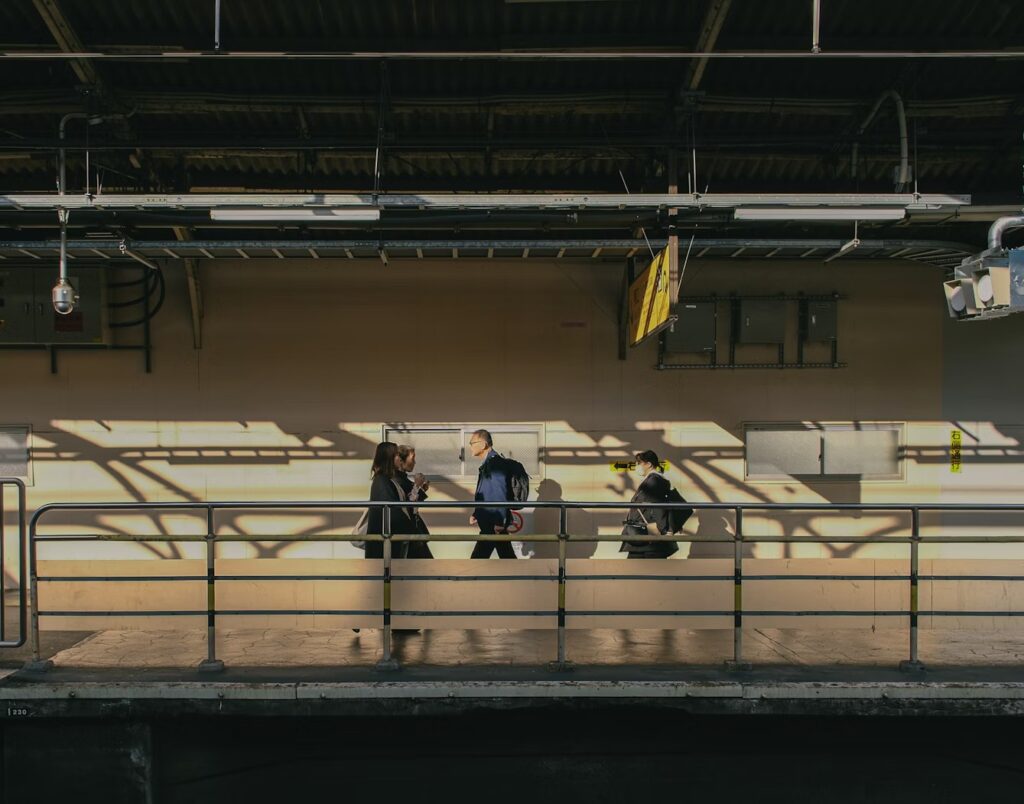
How work starts to feel carried
Working while traveling introduces motion into tasks that usually depend on stability, as spaces change, routines reset, and time stretches and compresses unevenly across the day. For a while, this variability remains manageable, especially when work is light enough to move with it.
Gradually, work begins to lose the quiet support of its surroundings. Tasks continue to be completed, but the sense of closure that allows rest to arrive fully.
There is often a point where the day continues with very little strain, carrying on without ever fully settling. Work ends, the space quiets, and the evening opens lightly, still holding faint traces of what came before. Rest arrives, sleep helps, morning begins smoothly, and the movement continues, already underway.

When travel draws from the same reserves
Travel continues to demand attention even when it appears gentle. Orientation, navigation, and constant adjustment remain present in the background of the day, and when they coincide with work, their effect builds in the background.
Recovery still takes place, arriving in a different form. Rest grows lighter, energy begins to draw attention to itself, and balance becomes noticeable through a background tiredness that never resolves into a single explanation.

Where balance stops feeling abstract
As days continue, balance begins to register differently. Work and travel draw from the same reserves, and their overlap becomes easier to feel as repetition sets in. Balance stops feeling like something to manage, and begins to show up in the day itself, carried by pace, duration, and how much repetition the hours can hold before they start to feel heavy.

When balance is carried rather than managed
For many remote travelers, balance doesn’t settle into a stable arrangement. Instead, it gradually moves into something quieter, as movement slows, stays lengthened, and the day reorganizes itself around what can be sustained.
Work continues, and travel continues alongside it. Balance takes shape as attention, energy, and recovery begin to line up over time. When that alignment holds, the day asks for fewer adjustments, and balance becomes something you stop noticing.
Related Articles
When Traveling While Working Remotely Stops Feeling Like Travel