

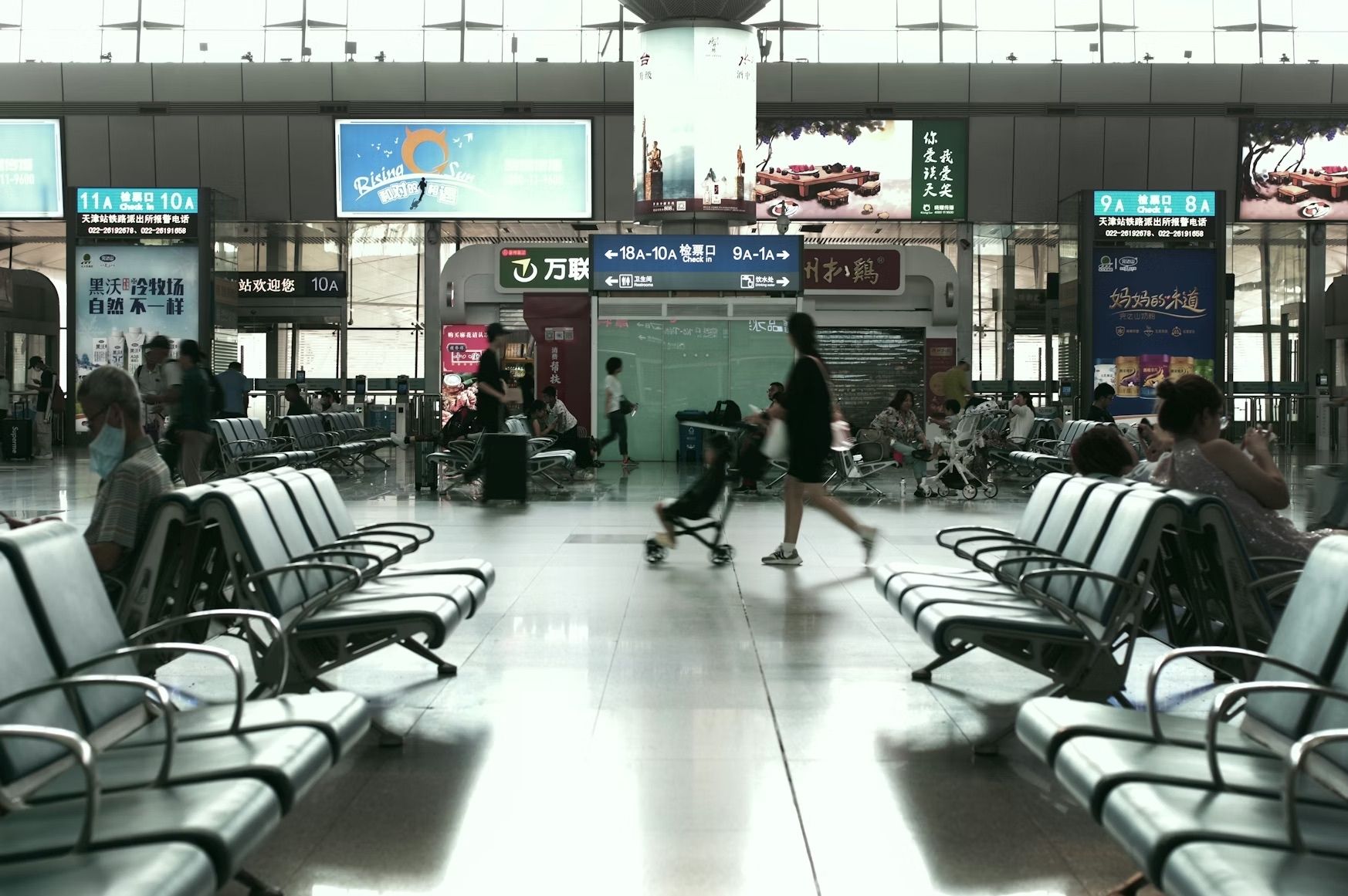
Hong Kong to Osaka looks like a simple route, and for most people, it mostly is. The flight is short, the traffic is heavy, and most travelers approach it with a practical mindset. The experience forms around timing, baggage, and airport flow. Those small rules tend to shape how the day unfolds.
If you’re traveling in early December, this becomes more noticeable. Kansai starts to feel busier. Carry-on only strategies become more common, and small frictions show up faster when people are trying to save time and money.
What this flight usually feels like
Physically, the flight is easy to tolerate. It’s short enough that most people don’t think about food, entertainment, or seat comfort for long. The cabin atmosphere tends to feel functional, with little emphasis on relaxation. People board with full carry-ons, settle quickly, and use the flight as a bridge into Japan. For many travelers, the trip doesn’t really begin until after landing. That’s why protecting the arrival experience matters more than optimizing the time in the air.
The real decision on this route
The main question from Hong Kong to Osaka isn’t safety or reliability. All the commonly used carriers on this route are generally reliable. What changes the experience is predictability.
Most frustrations come from misunderstandings around what the ticket actually includes. Fare types that look similar can behave very differently at the airport, especially around carry-on allowance, counter check-in, and boarding flow. Travelers who assume a default often discover the difference when they’re already standing in line.
This route rewards people who read baggage rules carefully and choose schedules that don’t compress the day.
Carry-on pressure and why it matters
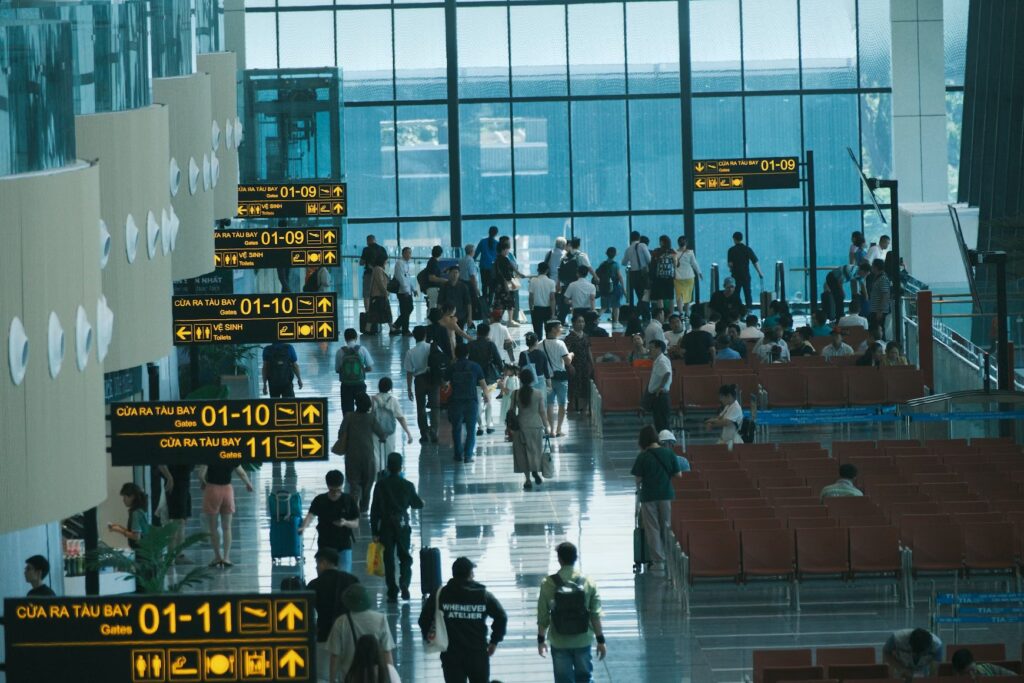
On budget flights, many travelers board with carry-ons to avoid baggage fees. The cabin feels tighter early on, with overhead bins filling fast and boarding growing crowded. Even travelers with small bags can feel the pressure when others bring more than they should.
A recurring pattern shows up around enforcement. Departures from Hong Kong tend to feel looser, while the return from Kansai often brings closer attention to rules. Duty-free purchases start to matter, and space feels tighter. For anyone planning to shop in Osaka, the return leg often asks for a bit more restraint.
How the budget options tend to land
Peach is often experienced as straightforward and orderly, with an operational style that stays calm and predictable. Most of what travelers encounter fits within the expected limits of a low-cost flight.
HK Express is seen as workable, with the main risk being fare structure. Some tickets quietly change carry-on or check-in rules, which can lead to counter queues and extra stress if you didn’t notice the difference when booking.
Greater Bay Airlines divides opinion. Some travelers describe a relaxed approach to carry-on and small comfort touches. Others raise concerns about cleanliness and cabin feel. This tends to come down more to personal tolerance than to any single, consistent issue.
Across all three, most people end up choosing based on schedule and price once they feel confident about the baggage rules.
Why full-service keeps coming up
Cathay Pacific often appears as the calmer alternative, then gets dismissed because the price jump feels hard to justify on a short flight. For those who want the day to feel held together, the premium can make sense. In other cases, the value shows itself once you’re on the ground in Osaka. The route accommodates both, quietly revealing how much small frictions matter to you once the trip is underway.
A practical way to choose in early December
Timing tends to shape the experience early. A flight that protects your arrival in the evening, or keeps departure day from shrinking into a countdown, usually carries through the rest of the journey. Baggage terms tend to matter more than they first appear, especially for carry-on. It helps to know exactly what the fare allows before the day arrives. The return leg often asks for the most attention. Bags come back heavier, and Kansai enforces limits with less flexibility.
Closing thought
Hong Kong to Osaka works best when the setup is clear. When you understand what your ticket includes and choose a schedule that fits your energy, the flight fades quickly into the background. You land, move into the city, and Osaka takes over, without the travel day lingering longer than it should.