

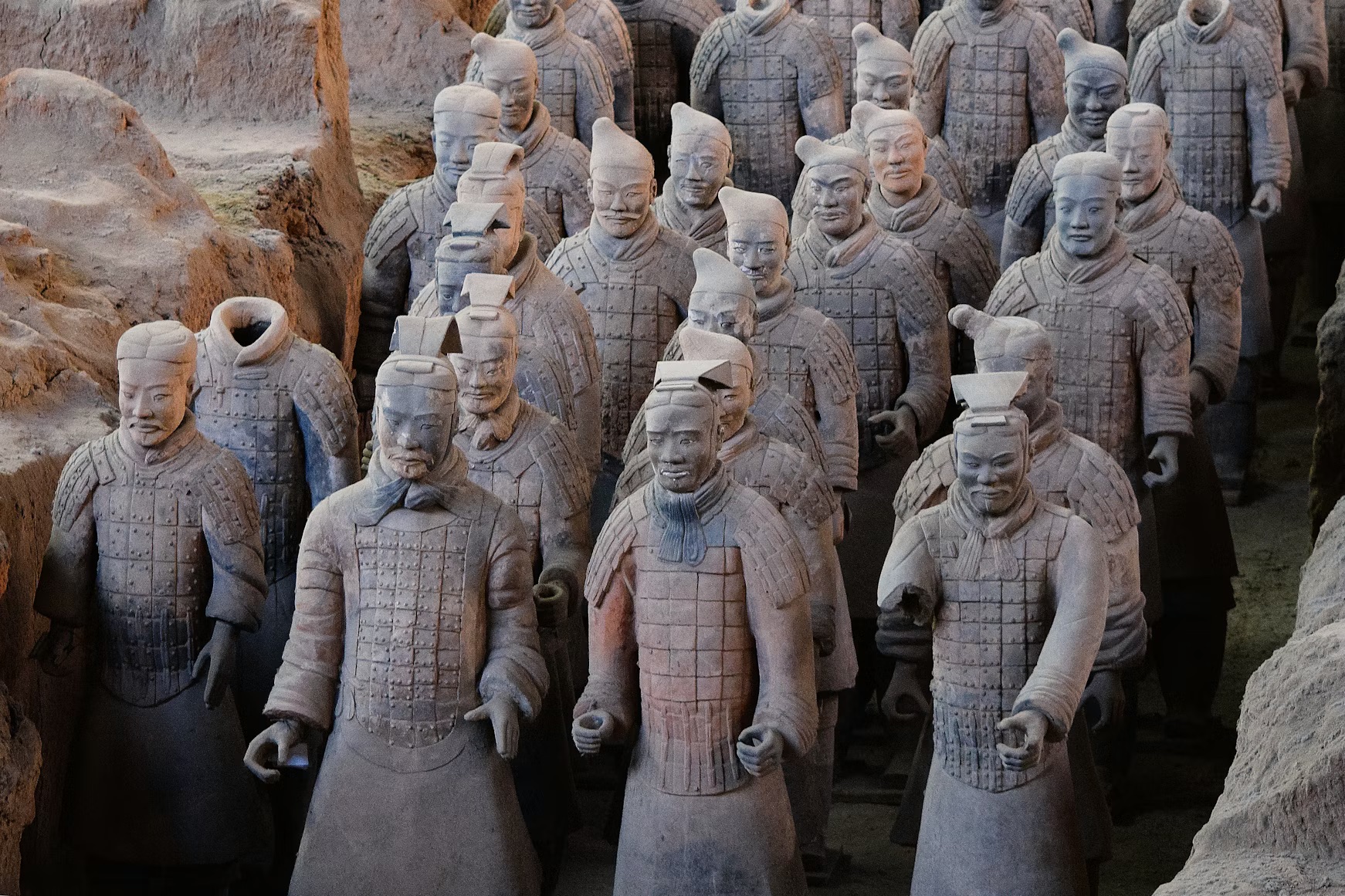
People usually talk about China in terms of scale.
History stretches long, cities spread wide, distances look abstract on a map. Those ideas are familiar before you arrive. What tends to feel unfamiliar is the texture of daily life once you’re actually moving through it.
For many first-time travelers, the uncertainty isn’t really about landmarks or language. It comes from the quiet effort of daily logistics, and from stepping into systems that are already moving at full speed. You don’t solve that ahead of time. You learn it as you move.
The First Few Days Inside China
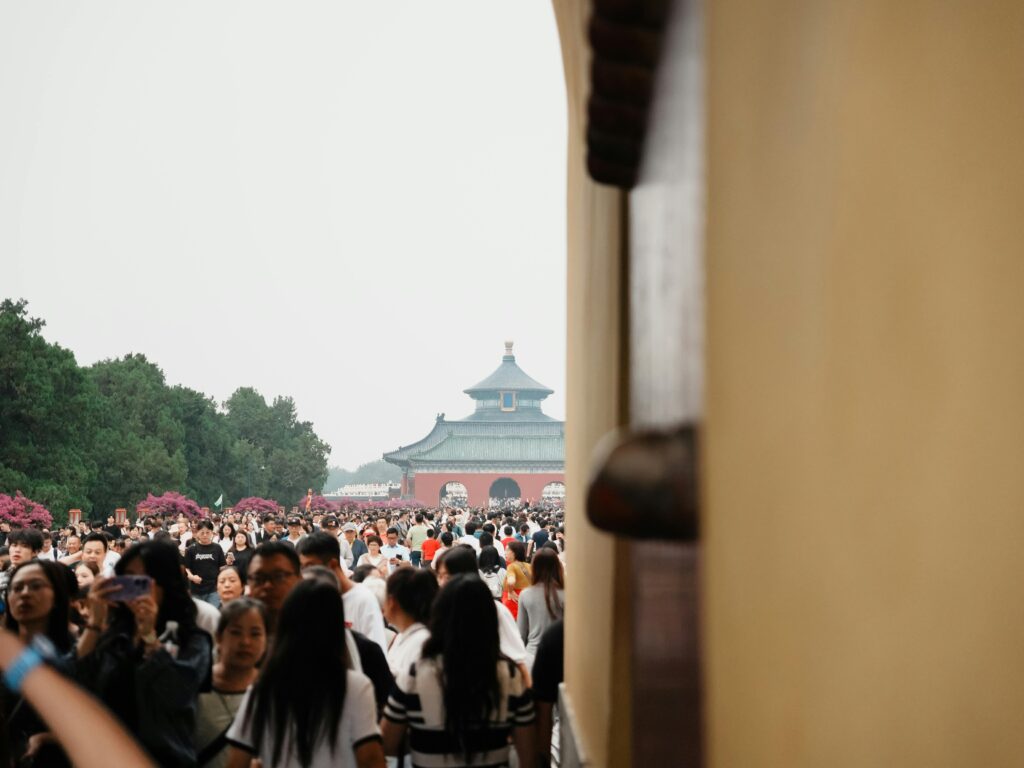
The first days in China often feel dense, with information arriving from several directions at once. Stations are expansive, streets stay in constant motion, and whatever instructions exist are easy to miss once everything starts moving at the same time. Even simple tasks tend to ask for more attention than expected.
Most travellers don’t find their footing immediately. A few days usually pass before patterns begin to settle in and routines start to feel familiar. Routes repeat, payments become automatic, and the surrounding pace shifts from something personal to something predictable.
After a few days, that density eases slightly. Moving around takes less effort, decisions happen more quickly, and the parts that felt demanding early on begin to fall into place. China becomes easier to read through repetition.

Learning the Cities by Moving Through Them

Cities like Beijing, Shanghai, and Chengdu operate on a scale that’s easy to underestimate from a distance. Public transport is extensive and efficient, and long distances shrink once you begin moving through them by train.
Stations can feel overwhelming at first. There are multiple levels, large waiting halls, and constant announcements. Instead of absorbing everything at once, most travellers learn by watching how others move. Paying attention to how people move ends up being more useful than instructions. After repeated trips, the system becomes easier to follow. You stop trying to understand every detail and move instead by recognition and habit.

Daily Life Runs Through Your Phone
Much of daily life in China runs through a small set of digital tools. Payments, messaging, tickets, restaurant menus, and reservations are handled through just a few familiar apps. WeChat becomes part of the background quickly because it connects so many basic functions. Alipay plays a similar role in everyday transactions.

For first-time visitors, this shift is noticeable early on. Preparing the basics before arrival helps reduce friction, but adaptation continues after you land. Each successful transaction or interaction builds confidence, and reliance on the system starts to feel natural rather than forced. Over time, attention shifts away from what’s unavailable and toward what works reliably.
Where Things Start to Feel Easier: Food

Meals are often where the pace finally slows. Ordering becomes more visual than verbal, shared dishes are the norm, and digital menus or photos quietly bridge the language gap. Eating shifts from interpretation to participation. You notice regional differences early on, often through food. Dishes shift from place to place, and meals feel easier when you take them as they are. Before long, eating becomes one of the more comfortable parts of the day.
Energy, Pace, and When It Adds Up

China is widely regarded as a safe destination for travellers. Cities remain active into the evening, public transport runs late, and daily life carries on with visible structure. Most visitors notice stimulation before they worry about safety. Density, noise, and constant movement accumulate over the course of several days. Some find that energy invigorating, while others feel the need to slow themselves down more intentionally. As the days add up, the need to slow certain parts of the day becomes clearer. Shifting between intensity and calmer moments makes the pace easier to live with.

What Becomes Clear After a Few Days
The longer you stay, the more patience starts to matter. It asks you to notice how systems operate and to adjust without immediate feedback. For many first-time visitors, the experience becomes clearer a few days in, once habits form and expectations reset.
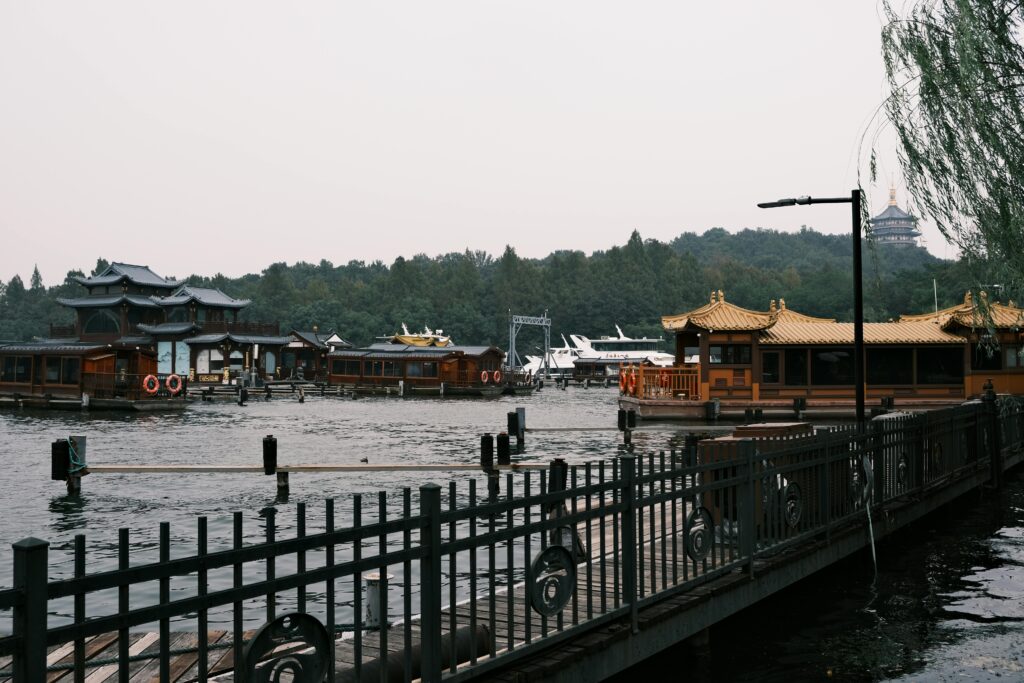
Travellers who learn by watching and repeating what works tend to settle in faster. Others may find the early days heavier, especially when they expect systems to explain themselves. With time in the country, that difference becomes clearer. Familiarity builds quietly, without much announcement.