

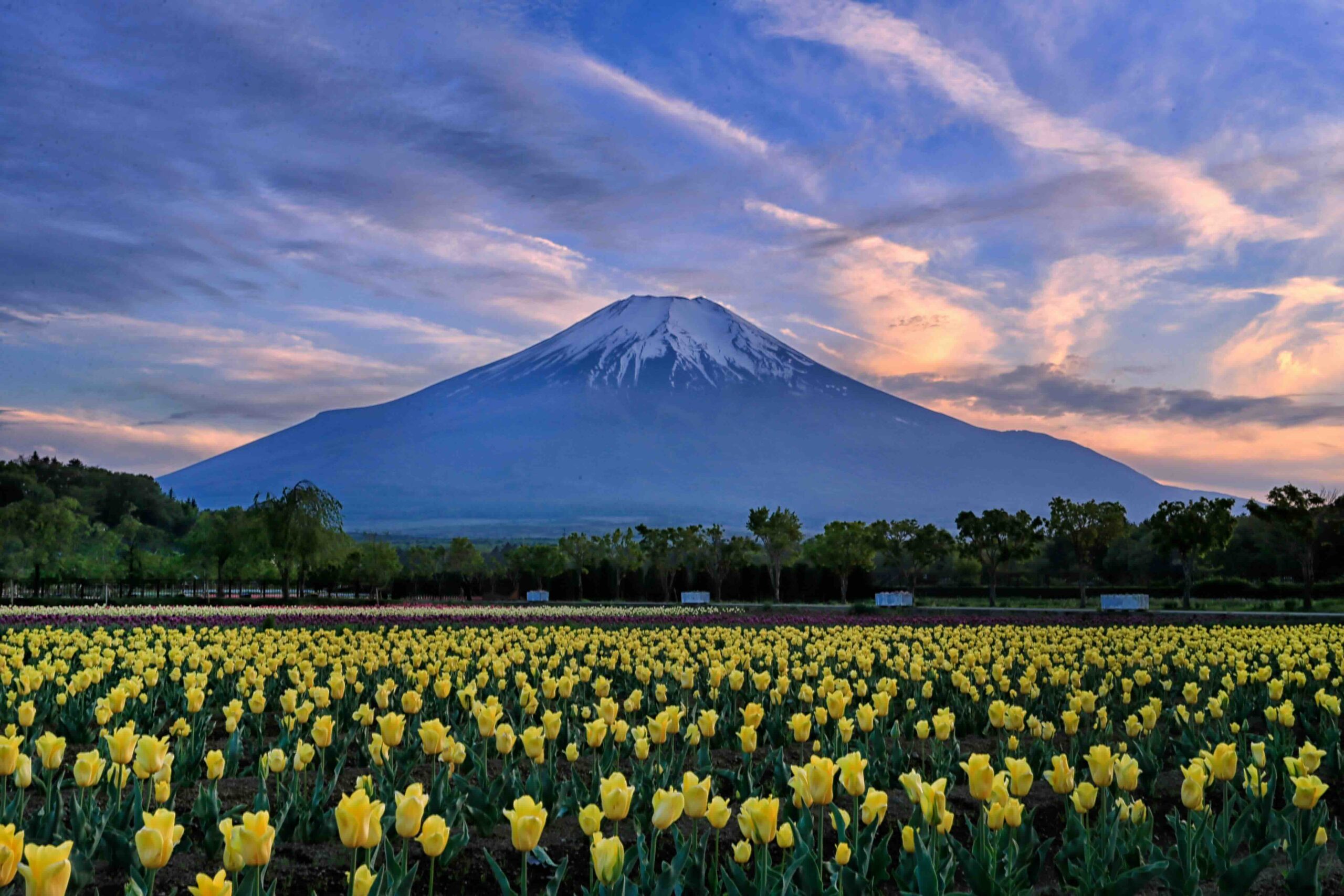
Japan can be one of the most rewarding first big international trips you’ll ever take. It can also be the trip that quietly drains you, because the flight is long, the days are packed, the rules are subtle, and “easy” isn’t the same thing as “safe.”
This guide is built around a more honest question: whether Japan fits the way you actually move through a trip. How your energy holds. How you respond to crowds and how much uncertainty you’re comfortable carrying day after day. If you read to the end and feel a steady yes, you’re probably going to love it. If you feel hesitant maybe, that’s still useful. Japan rewards people who plan with reality in mind.
Why Japan’s Safety Doesn’t Mean an Easy Trip

Japan tends to feel safe in a way that’s immediately noticeable to many visitors, especially in big cities, late at night, on public transit, and in the general predictability of daily life. But “safe” doesn’t mean “low-effort.” Japan asks for a particular kind of effort: attention. You spend much of the day reading the room. Systems work beautifully once they make sense, but getting there takes attention. The friction is small, constant, and easy to underestimate. For some travelers, that attention feels energizing, like living inside a well-designed puzzle. On the contrary, Japan can still be a good trip, but it will need a different shape.
Why Structure Matters More in Japan Than Most Destinations
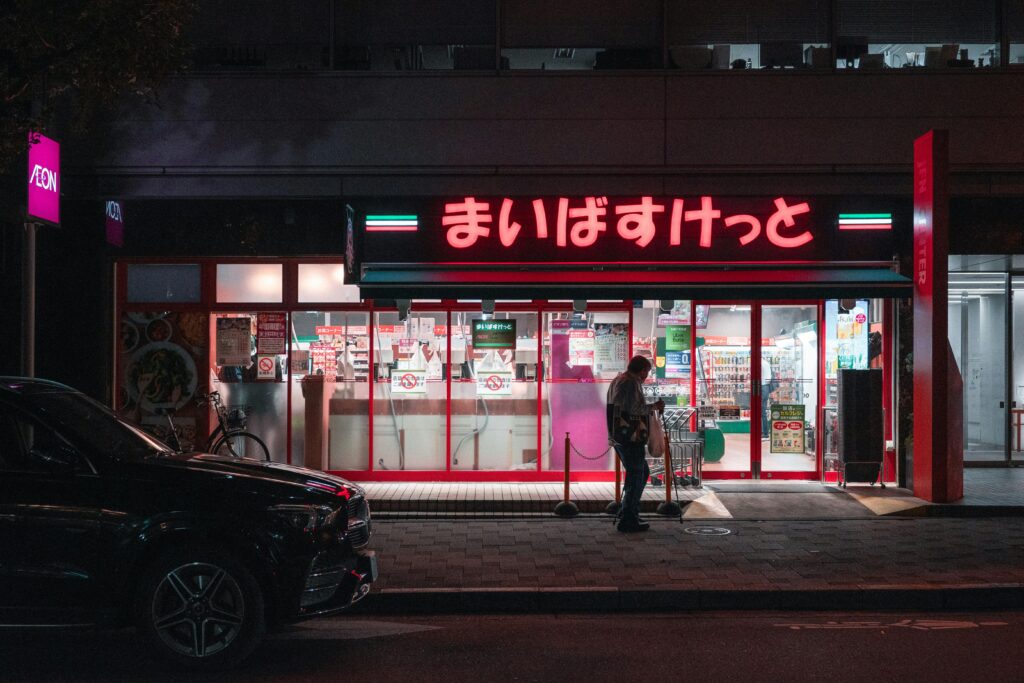
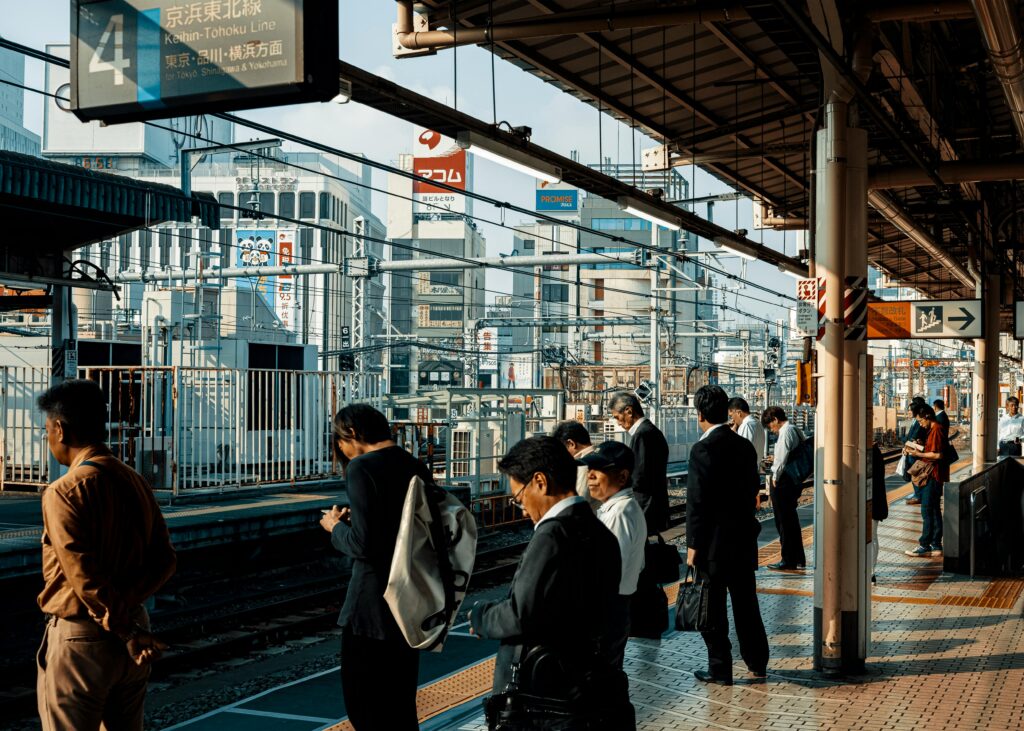
Some people think “first-time travelers” need simple destinations. In practice, Japan works well for first-timers who like structure, even if they haven’t traveled much internationally. Japan is built on systems that are remarkably consistent. Trains arrive when they’re supposed to. Signs are clear. Cities feel organized. Convenience stores are dependable. Help is available, often quietly, without drawing attention to itself. Japan tends to suit travelers who like to arrive prepared. A bit of planning often translates into smoother days, where small decisions fall into place instead of piling up.
Who Japan Often Fits Best on a First Visit
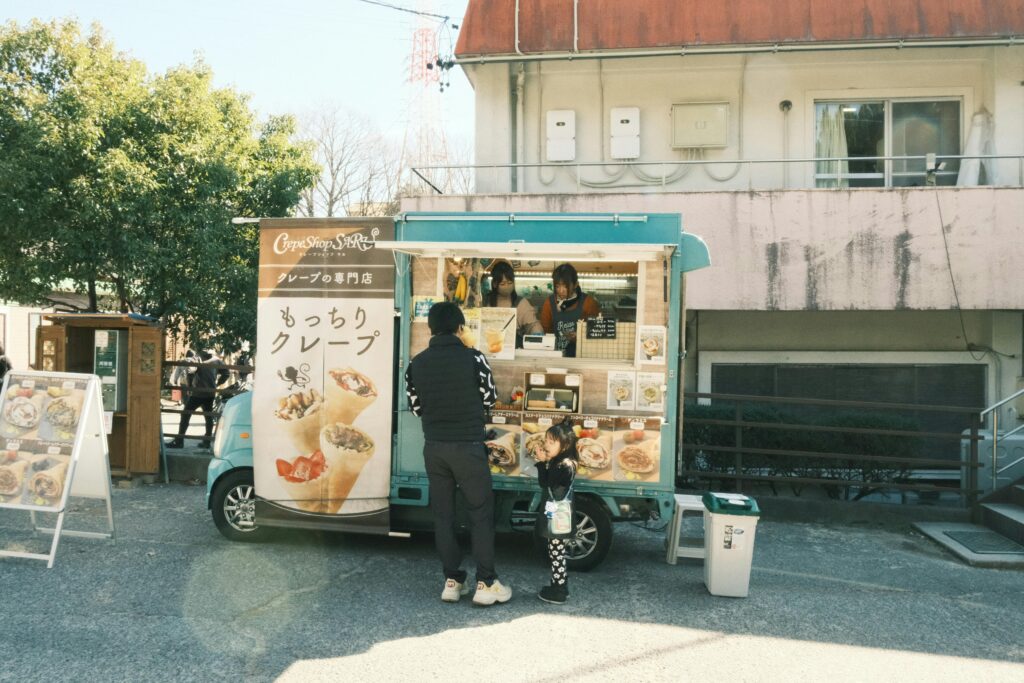
Japan often lands best for people who recognize themselves in one or more of these patterns.
You’re curious in a way that doesn’t need constant novelty
Japan has novelty everywhere, in food, design, everyday rituals, and small cultural details. What stays is the noticing. The texture in everyday life. If you love walking without a strict agenda, letting a neighborhood reveal itself, Japan gives you that, even in the middle of the world’s largest metro area.
You like cities, but you also like order inside the chaos
Tokyo can feel like sensory overload until you realize how much of it is organized. You can do huge-city days without constantly feeling unsafe or harassed. And you can get lost and still feel like you can recover. If you’ve wanted a big city that feels intense but not threatening, Japan can feel like a rare version of that.
You value quiet competence
Japan doesn’t always express warmth through conversation. Instead, it offers a kind of reassurance through how consistently things work and how closely people move within shared norms.
You’re open to doing things “the local way,” even if you’re imperfect
You can get by without speaking Japanese. The adjustment comes in being willing to try, to gesture, to translate, and to stay patient when things don’t fully click. People who can move through mild uncertainty without spiraling tend to have a much better first trip.
Who Japan Can Feel More Demanding For
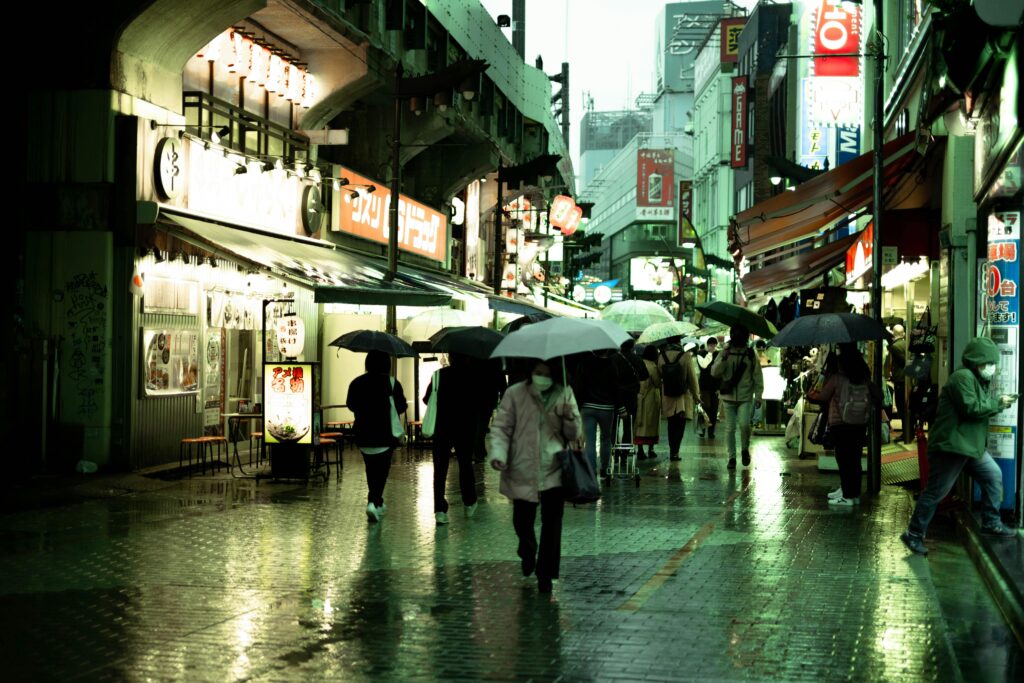
Fit plays a quiet but important role in how a trip unfolds. The way a destination matches your pace, preferences, and tolerance for effort often shapes the experience more than any single highlight.
You want a vacation that is primarily rest
Travel styles that rely on slow mornings, long stretches of downtime, and minimal planning often feel out of sync with Japan’s pace. Even when you plan for calm, there’s often more walking, more transit, more small decisions. A restful trip in Japan comes from intention. Without it, days tend to fill themselves quickly, often leaving less energy for the moments that matter most.
Crowds make you anxious or irritable
Some famous areas in Tokyo and Kyoto can feel like human traffic. Crowds don’t make Japan unworkable, but they do shape the experience. Early mornings, weekdays, and quieter neighborhoods matter more here than in many destinations. If you go expecting solitude in the most famous places at the most popular times, you may feel disappointed fast.
You get overwhelmed when you can’t read the “invisible rules”
Japan’s etiquette is subtle and often unspoken. When you don’t know the rules, you can feel like you’re doing something wrong even when nobody is upset with you. That low-level self-consciousness can be tiring. For travelers who are highly sensitive to social feedback, the emotional load can show up early in Japan.
Long-haul travel hits you hard
For many U.S. travelers, the distance to Japan matters. The length of the flight shapes how the trip begins and how energy is spent once it starts. Jet lag can flatten your first few days, and the return can leave you wrecked for longer than you’d like to admit. If you’re working with limited PTO, the travel time can feel like it steals a meaningful portion of your vacation.
The Real Cost of Japan Isn’t Money
Japan can be expensive, especially compared to many other destinations people consider “bucket list.” But the real question is “Does Japan feel worth the cost for the way you travel?” Costs in Japan tend to reflect choices around comfort and style rather than quality. Travelers who equate a “good trip” with upscale hotels and high-end dining often feel expenses accumulate quickly, while those comfortable with well-run, simpler accommodations and everyday food usually find the trip easier to manage.
Japan also has a particular cost that doesn’t show up in daily budgets: the cost of distance. For U.S. travelers, you’re usually not popping over for a quick week the way you might for parts of Mexico or the Caribbean. Japan tends to ask for a longer trip to feel satisfied. If you can’t comfortably give it the time it needs, you might want to save it for a season of life when you can. Once expectations shift, the question becomes practical: how to design days that don’t quietly exhaust you.
Why Japan Feels Better When You Stop Moving Every Night

One of the easiest ways to make Japan feel better is to avoid moving hotels constantly. Japan’s rail system makes it tempting to hop from city to city like you’re collecting stamps. But there’s a quiet tax to that style: packing, checking out, hauling luggage through stations, finding your next hotel, learning a new neighborhood from scratch. If you’re visiting for the first time, Japan often feels best when you choose a few bases and stay long enough to breathe. The trip holds together less through coverage and more through what genuinely registers.
Tokyo Is Hard Because of Its Scale

Tokyo can be thrilling on day one and strangely tiring on day three. Scale works through accumulation. Small decisions repeat themselves throughout the day, like where to enter, where to exit, which direction to follow, which signs to trust, most of them barely noticed until attention begins to wear. Tokyo is an intensely capable city. It offers stimulation, efficiency, and density at a scale that energizes some travelers and quietly strains others, especially when arriving already tired or mentally spent. The best Tokyo trips for first-timers usually include intentional quiet: a neighborhood day without major sightseeing, a park, a museum that slows you down, a cafe where you sit longer than you planned. Whether Tokyo energizes or exhausts you often depends less on the city itself and more on how much margin you leave in your days.
Kyoto’s Beauty Comes With Emotional Density

Kyoto can feel calm in moments. Those moments sit alongside heavy crowds, tight spaces, and constant movement. Beauty and density exist at the same time, and neither cancels the other out. Expectations of calm don’t always survive first contact with crowds. The gap can feel disorienting, even when the destination is doing exactly what it was designed to do.
Kyoto tends to go better when you accept that the iconic spots are iconic for a reason, and then you intentionally widen your definition of “Kyoto” beyond the obvious. The trip becomes less about proving you were there, and more about building moments that actually feel like something. Kyoto tends to reward travelers who release the idea of serenity and stay present with what’s actually happening.
Language in Japan Is Less About Fluency Than Effort
Most first-time visitors underestimate how much mental energy language gaps can consume. Even if people are helpful, you can still feel like you’re constantly translating your needs into simpler versions of yourself. Translation apps help. The rest comes down to effort, tone, and a willingness to meet people halfway. Japan tends to meet respectful effort with patience.
Food in Japan Rewards Planning More Than Spontaneity

For adventurous eaters, Japan often feels like living inside a food documentary. If you’re picky, have dietary restrictions, or get anxious ordering in unfamiliar contexts, food can quietly become a daily stressor. Japan often requires more planning than people expect, especially outside major tourist zones. If food is central to your travel joy, Japan is a strong fit. In contrast, plan your comfort meals the same way you plan your temples.
Weather Shapes Energy More Than Expectations

Seasonal imagery plays a powerful role in how Japan is imagined. Beyond appearance, weather influences stamina, movement, and how the trip actually feels over time. Summer heat and humidity can be punishing, especially if you’re walking all day. Typhoon season can create disruptions. Winter can be magical, but it can also mean cancellations, delays, and a very different daily rhythm. Travel dates shape the experience more through heat, crowds, and pace than through how the photos look.
The Travelers Who Feel Most at Ease in Japan

The travelers who seem most at ease in Japan are often the ones who notice what’s happening around them, accept minor friction without resistance, and design their days around their real limits rather than imagined ones. Confidence matters less here than self-awareness.
A Reality Check Before You Commit
Japan tends to work best for travelers who are comfortable carrying a bit of effort in exchange for depth. Long days tend to hold up when there’s something meaningful at the end of them. Discomfort stays mild. Crowds become easier to absorb when they’re balanced by stretches of quiet. Planning stops feeling optional. Differences in food, social cues, and pace register as curiosity instead of distance.
Saying “no” to several of these questions doesn’t close the door on Japan. It suggests a different shape of trip. One with fewer cities, more rest built into the days, a calmer season, and a level of comfort that protects your energy rather than stretching it thin. When the pace softens, the experience often does too.

So, Does Japan Actually Fit You?
Japan offers an unusual density of beauty and vivid detail. How the experience settles depends on pace, attention, and how much space you leave to notice what stays. Meeting Japan with honesty often changes how the place lands. It shifts from being a destination to a reference point, something other trips quietly get measured against. Precision gives it that staying power. When the fit is right, the recognition comes early and doesn’t fade.