

There is no single “best” time to visit Japan. That statement is both comforting and deeply unhelpful. Japan changes by season in ways that go beyond scenery. Weather, crowds, and holiday patterns shape pace, fatigue, and the sense of space you experience day to day.
Japan is almost always beautiful. What changes from season to season is how the experience feels once you’re inside it, how much effort it asks for, how quickly days fill up, and how long wonder lasts before fatigue shows up. This guide looks at those differences, including the times of year that tend to disappoint first-time visitors, even though they’re often described as “perfect.”
Spring: When Japan Is Most Beautiful and Most Demanding

When the cherry blossoms arrive, the city seems gentler. Parks invite lingering, temples feel almost staged in their beauty, and the atmosphere settles into something quietly striking. Cherry blossom season changes the texture of daily movement. In Kyoto and Tokyo, crowds become a steady presence rather than an occasional inconvenience. Getting from place to place takes longer. Meals require more planning. Small delays accumulate across the day. The trip still works, but it asks for more effort, and that effort quietly reshapes how much you have left to absorb what you came to see.
Spring is worth it if you enjoy shared moments, don’t mind density, and can accept that some days will feel inefficient. If that trade-off quietly irritates you by day three, spring often becomes the moment the trip starts asking more than it gives. It’s far less rewarding if you crave quiet mornings, flexibility, or space to wander without planning every step.

Golden Week, which usually falls from late April into early May, is the one period even seasoned travelers should approach cautiously. Domestic travel spikes dramatically, accommodation availability drops, and transportation becomes noticeably more stressful. There is nothing uniquely special about Golden Week itself, only the pressure it puts on the system. If your dates are flexible, this is often the first time worth skipping.
Summer: When Japan Becomes an Energy Test

Summer in Japan announces itself clearly. Heat and humidity settle in early, often by June, and intensify through July and August. Even short walks can feel effortful. Sightseeing naturally slows. Air-conditioned spaces stop feeling like conveniences and start functioning as recovery points. At the same time, this is when daily life feels most active. Streets stay busy late into the evening. Festivals fill neighborhoods. Seasonal routines take over in ways that are easy to miss at other times of year.
Summer brings festivals into the streets and turns weekends toward fireworks. Outside the major cities, coastal towns, mountain regions, and northern areas like Hokkaido move at a noticeably different pace than Tokyo or Kyoto. Summer works best for travelers who are heat-tolerant, willing to build rest into their days, and open to shaping their itinerary around early mornings, slower afternoons, and fewer cities. Travel styles that depend on constant movement tend to feel different in summer. Heat settles into the trip gradually, shaping energy and pace more than most visitors expect. Summer has a way of revealing how tightly you hold onto seeing everything.
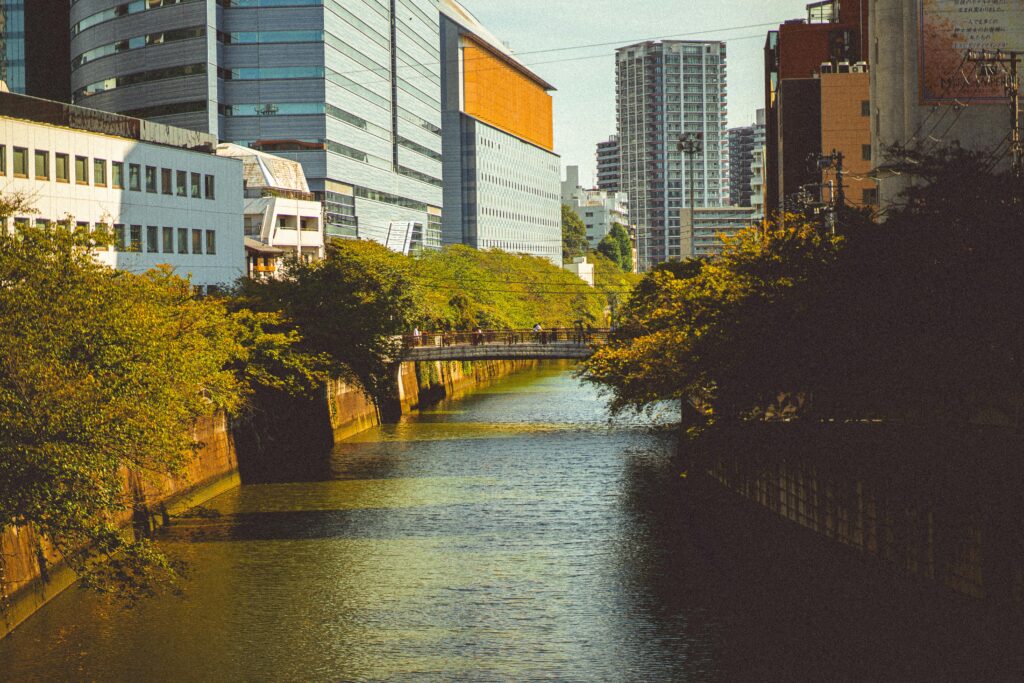
In summer, where you go matters as much as when. Elevation and latitude shape how manageable the days feel. Trips that work tend to cover less ground, with fewer stops and more space built into the schedule.
Autumn: When Japan Feels Most Balanced and Most Popular

Autumn, particularly October and November, often delivers the most comfortable experience overall. Cooler air and clearer skies make walking easier, while fall foliage brings depth without the urgency of cherry blossom season. It’s also the season when many travelers assume they’ve found a quieter alternative. In practice, that gap closes quickly.
Autumn crowds now rival spring in many areas, especially in Kyoto during peak foliage weeks. The difference is psychological rather than logistical. Autumn crowds tend to feel slower, less urgent, and less performative. People linger longer, move with fewer deadlines, and chase fewer “now-or-never” moments. Even at peak times, the season leaves more space for the day to unfold.
Autumn suits travelers who want beauty without extremes and who are willing to plan accommodations ahead but still move at a humane pace. It’s less forgiving if you expect popular places to feel empty. Early December can be a quiet extension of autumn, with lingering color in some regions and noticeably fewer tourists, though colder evenings become part of the trade-off.

Winter: When Japan Gives You Space Back
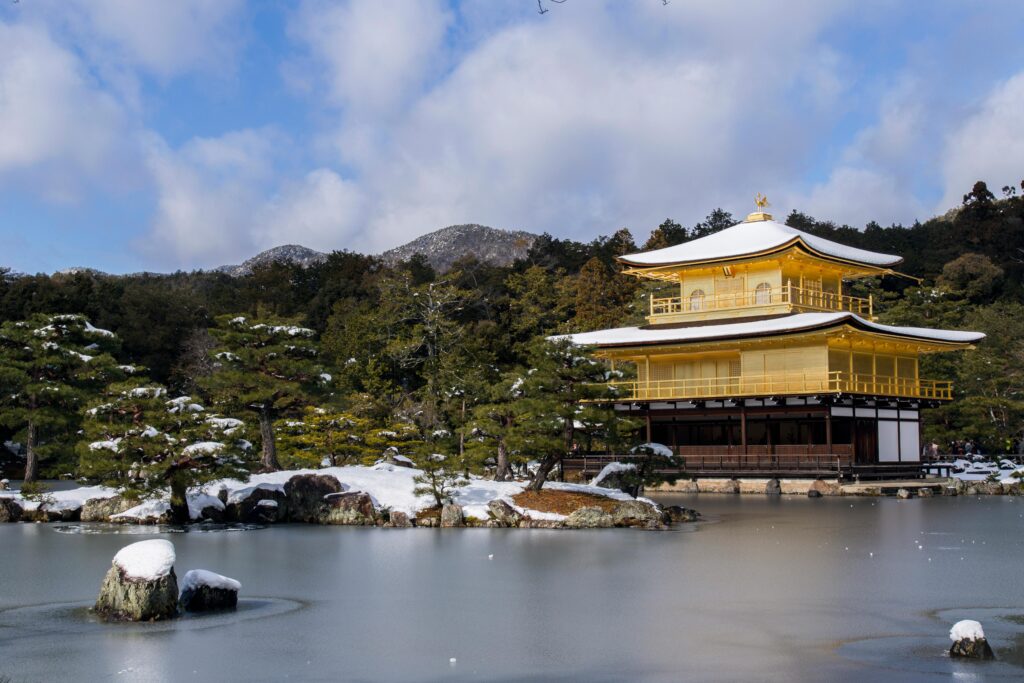
Winter is the most underestimated season in Japan. After the New Year holidays, Japan settles into a quieter rhythm. Streets and trains feel less crowded, accommodations open up, and the energy of the trip shifts. Cold air sharpens the landscape, onsen culture comes forward, coastal seafood peaks, and snow gives rural regions and temples a distinctly different character.
Winter rewards travelers who don’t mind bundling up and who value atmosphere over spectacle. It’s especially kind to those sensitive to crowds or who want to experience cities without constant friction. The New Year period can be beautiful in tone, but uneven in how smoothly things function. Many businesses close for several days, and domestic travel increases. Once that window passes, winter becomes one of the most quietly satisfying times to visit.

When Japan Is Actually Not Worth It for Some Travelers
Japan rarely disappoints all at once. It wears people down gradually, when crowds compress the day, plans harden, and movement takes more energy than expected.

Peak spring and autumn tend to amplify this, especially when expectations are built on images rather than logistics. The same pattern shows up in summer, especially for travelers who underestimate heat and humidity or try to keep the same pace they would in milder climates. This points toward a different way of shaping the trip, which tends to move through fewer cities, stay longer in each place, and lean toward quieter neighborhoods. The season plays a quiet role in how the trip feels physically, especially once days start stacking up.
The Real Best Time to Visit Japan
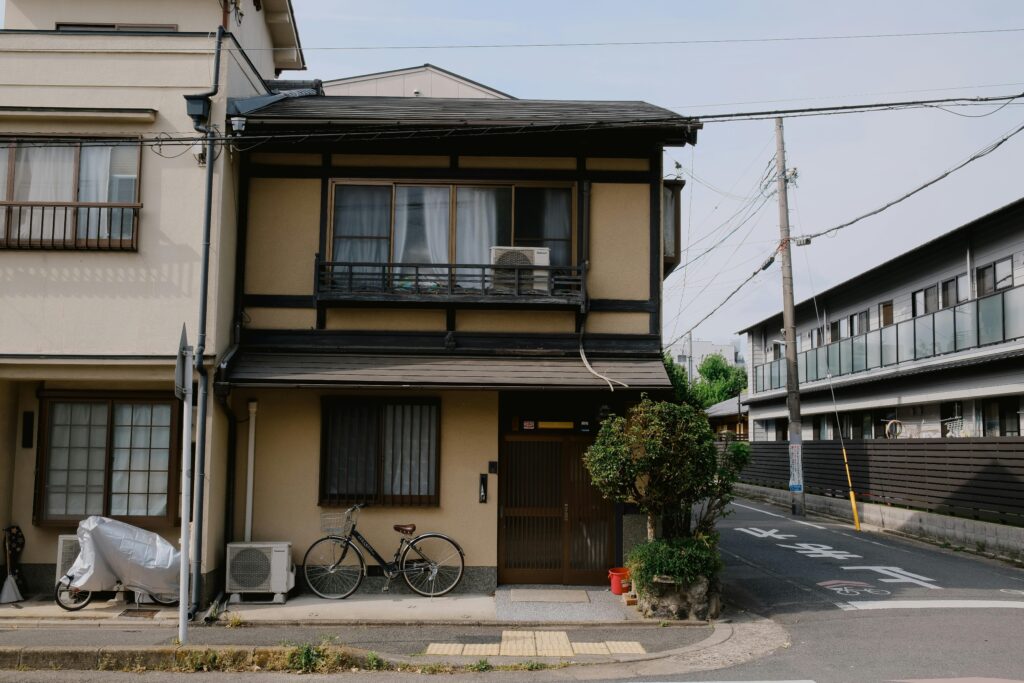
The best time to visit Japan is the season that matches how you move through the day. If you thrive on energy and shared excitement, spring festivals and summer matsuri may feel exhilarating rather than exhausting. In case you prefer clarity, space, and rhythm, winter and shoulder seasons often offer more than the postcard months ever could. Japan tends to open up when you’re paying attention. When the season supports that pace, the country stops feeling like something you’re trying to get right and starts to feel like a place you can actually live inside. That’s when it becomes worth the distance.