

Japan offers a perfect blend of modern cities and hidden gems. From the dynamic energy of Tokyo, Japan’s bustling capital, to historic port cities like Yokohama, Kobe, and Nagasaki, this guide will explore the 12 best cities in Japan to visit in 2026, highlighting unique experiences that showcase the country’s tradition, culture, and modern innovations.
Navigating Between Cities in Japan
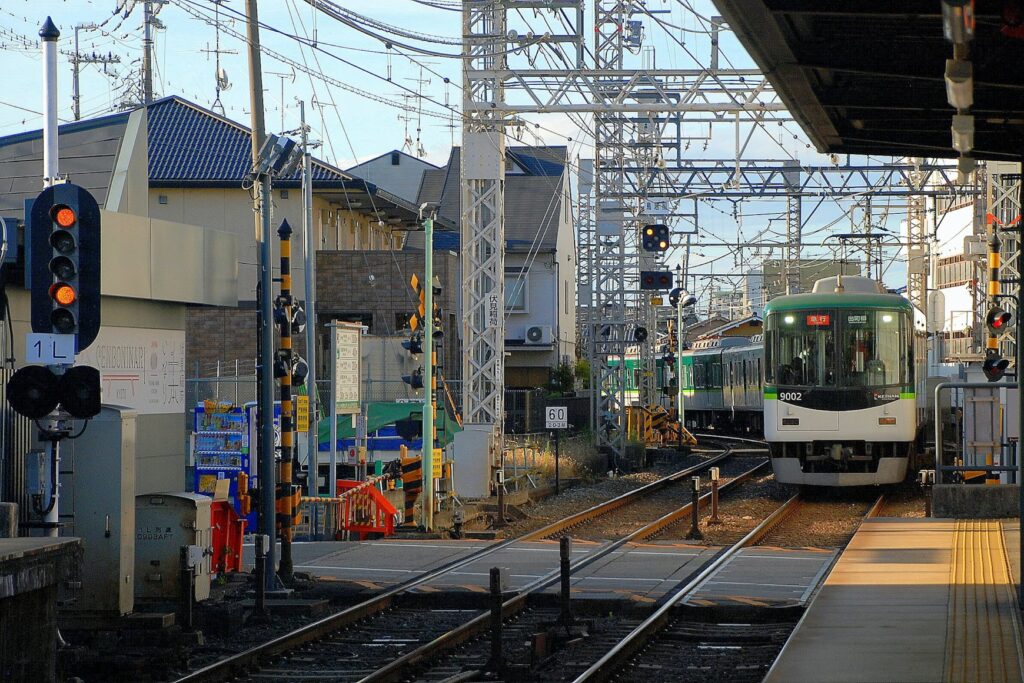
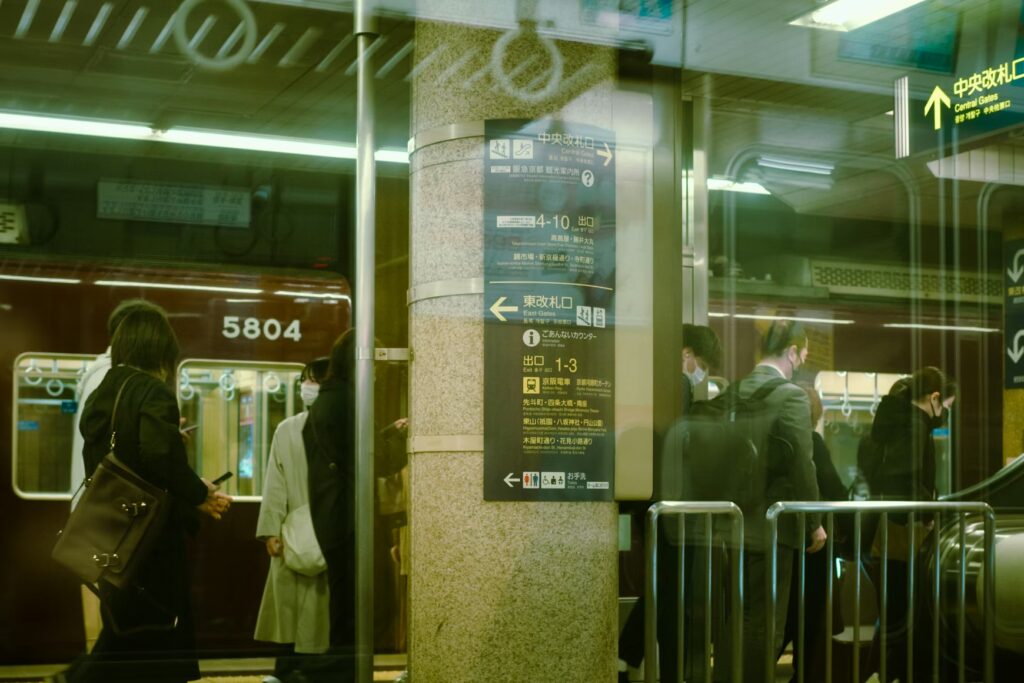
Traveling between Japan’s cities is easy, thanks to its efficient transportation network. Whether you’re taking the Shinkansen to visit iconic cities like Kyoto and Osaka, or heading to port cities like Yokohama and Kobe, Japan’s public transport system ensures a seamless journey across the country. Domestic flights are available for longer trips to regions like Hokkaido and Okinawa, making Japan an accessible destination for travelers seeking both urban excitement and quieter, scenic escapes.
The Capital: Exploring Tokyo
Tokyo – The Ultimate Metropolis & Gateway to Japan’s Modernity
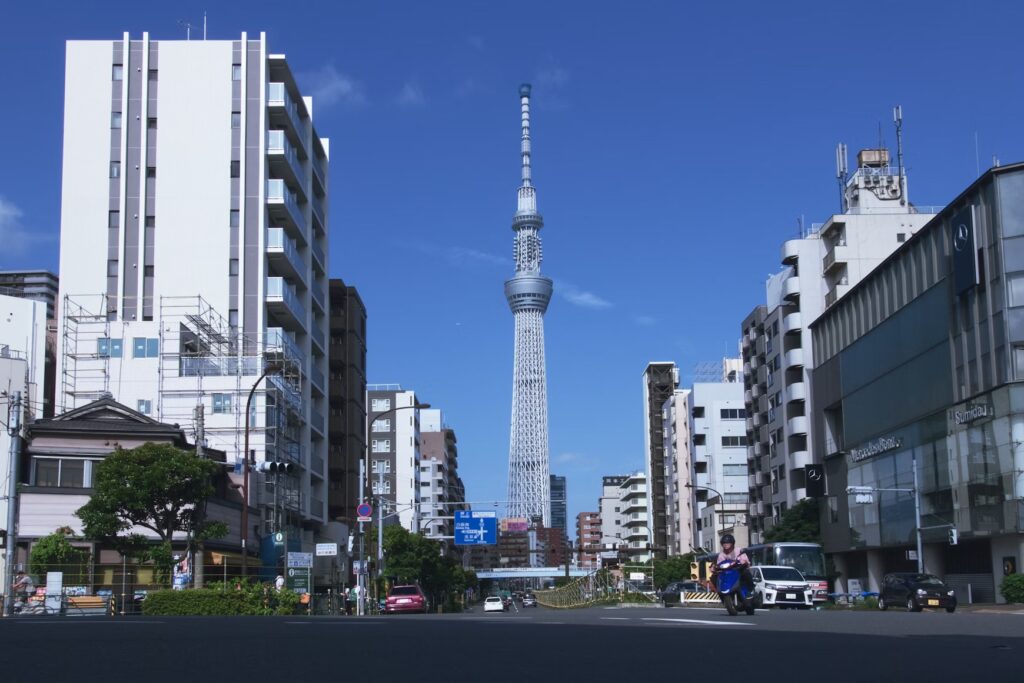
As Japan’s capital city, Tokyo is a thriving metropolis where modern innovation and traditional culture coexist. It offers world-famous landmarks like the Meiji Shrine, Tokyo Skytree, and Shibuya Crossing, while also serving as a gateway to Japan’s modern culture and technological advancements. Tokyo’s districts, from the historical temples of Asakusa to the neon-lit streets of Akihabara, embody the energy that defines Japan’s fast-paced lifestyle, making it a must-see destination for first-time visitors to Japan.
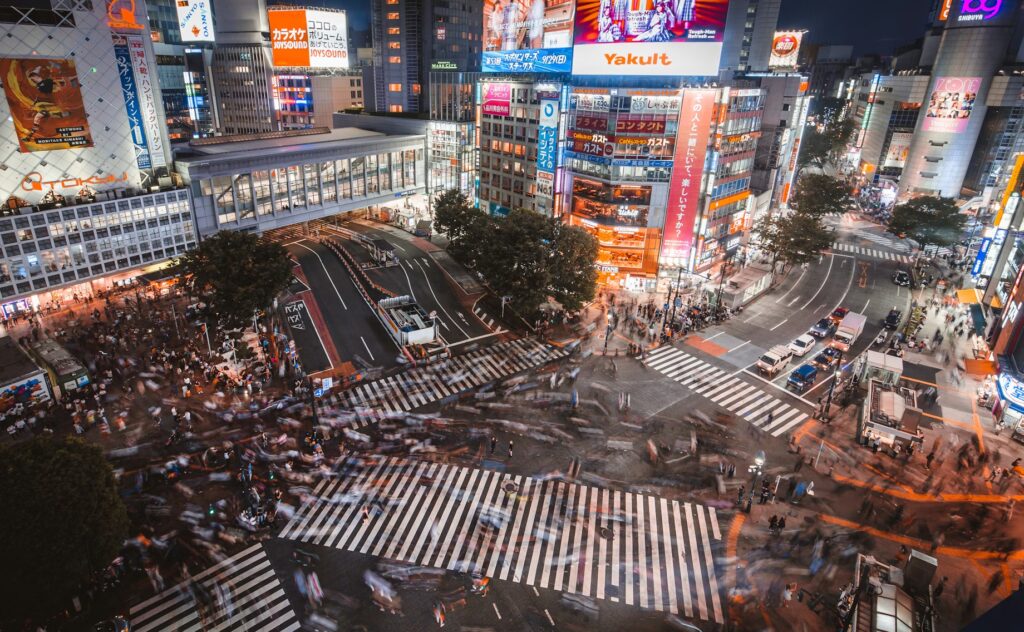
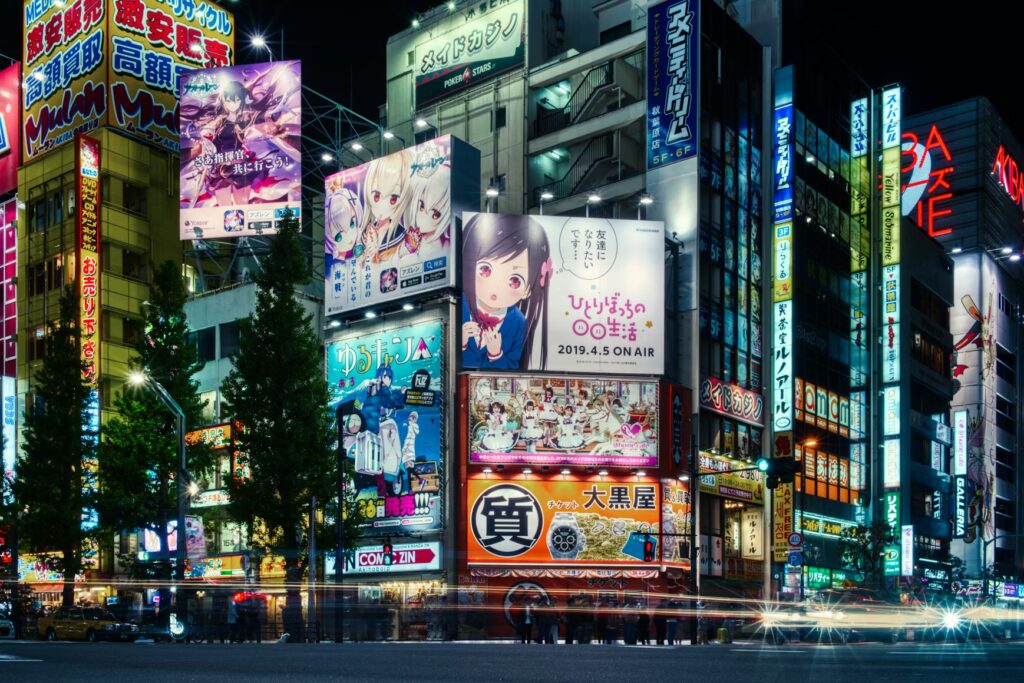
While Tokyo may seem overwhelming with its size and pace, it’s a city that offers both fast-paced experiences and tranquil retreats. Senso-ji Temple, one of Tokyo’s oldest and most revered temples, provides a peaceful contrast to the city’s high-tech districts. For those interested in technology and anime, Akihabara offers an immersive experience into Japan’s pop culture and cutting-edge innovations.
>>> Best Hotels in Hawaii: 24 Picks for Every Budget
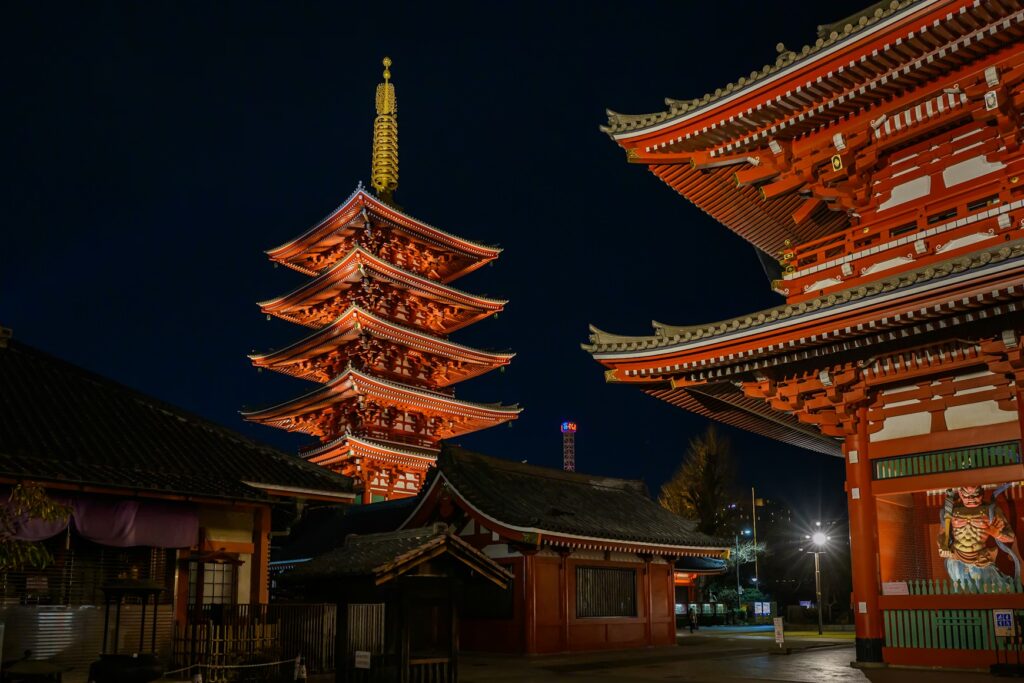
Getting around Tokyo is easy due to its excellent public transportation system. The Tokyo Metro and JR Yamanote Line make it simple to explore the city. Visitors can access most attractions through these lines, and the majority of popular destinations are either free to enter, like Senso-ji, or charge a modest fee. Despite its size, Tokyo is well-organized, and visitors can easily navigate its districts. The reward is an unparalleled experience of a city that blends centuries-old tradition with the latest technological innovations.
The Cultural Giants: Must-Visit Historical Cities
Kyoto – The Soul of Traditional Japan & Hidden Cultural Treasures
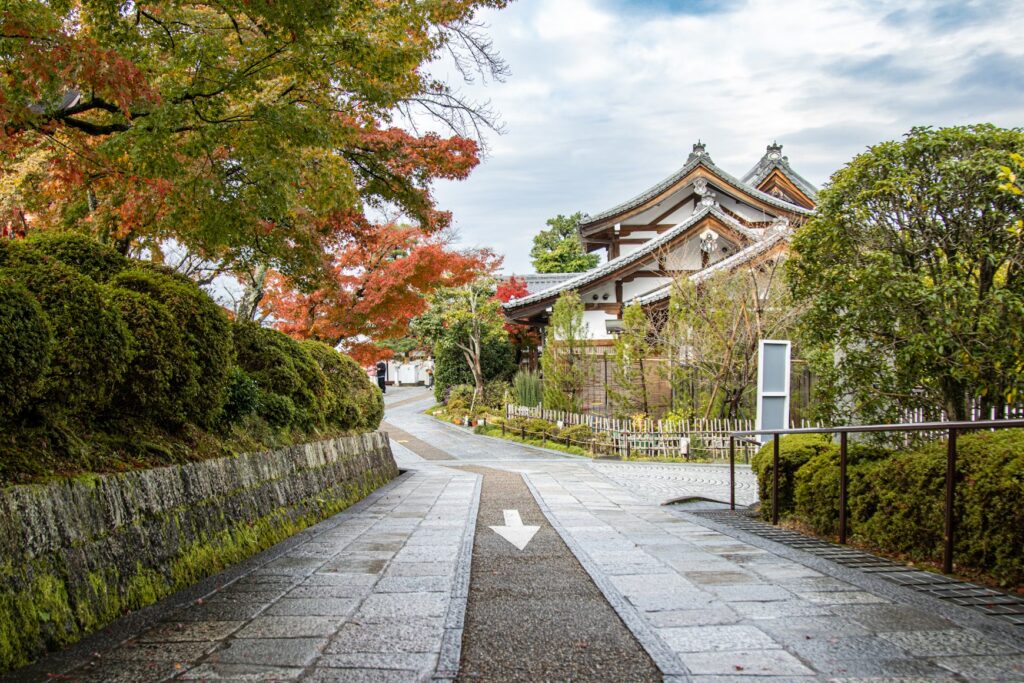
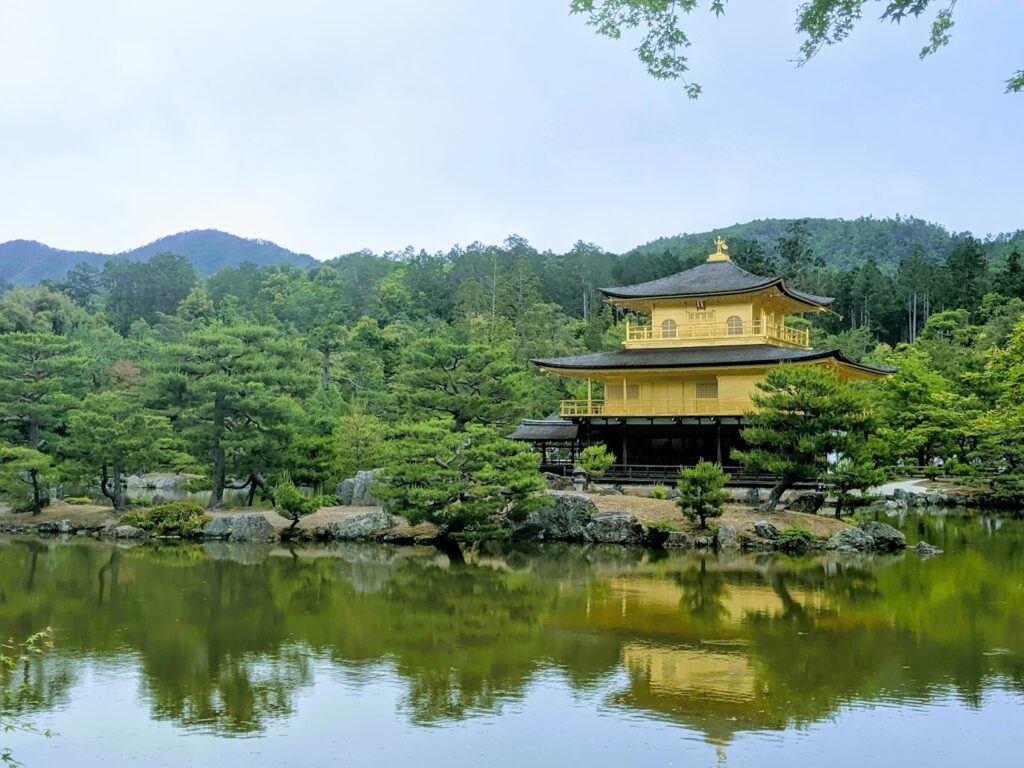
Kyoto is the heart of Japan’s traditional culture, offering an immersive experience in the country’s rich heritage. From the iconic Kinkaku-ji (Golden Pavilion) to the thousands of red torii gates of Fushimi Inari Taisha, Kyoto is home to landmarks that have shaped Japan’s cultural identity. The city is also home to the Gion District, Kyoto’s historic geisha quarter, offering a glimpse into Japan’s timeless elegance. Just note that some of Gion’s private lanes are now closed to tourists, so stick to the public streets.
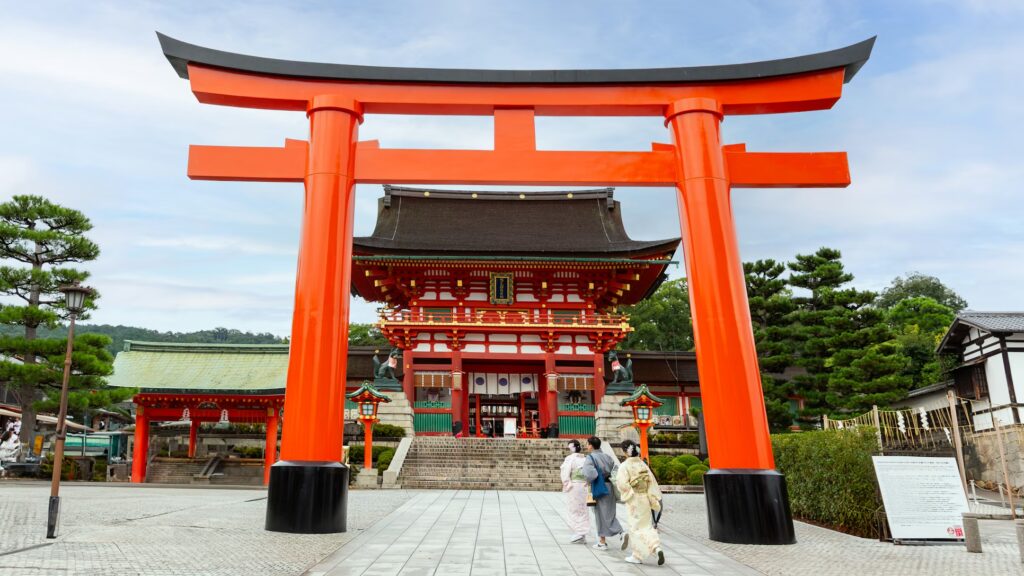
Walking through Kyoto feels like stepping into another era. The tranquility of Kiyomizu-dera and the vibrant beauty of Arashiyama Bamboo Grove offer quiet reflections of Japan’s timeless beauty. Kyoto is one of the best cities to visit in Japan for anyone wanting to experience traditional Japanese art, gardens, and spiritual sites.
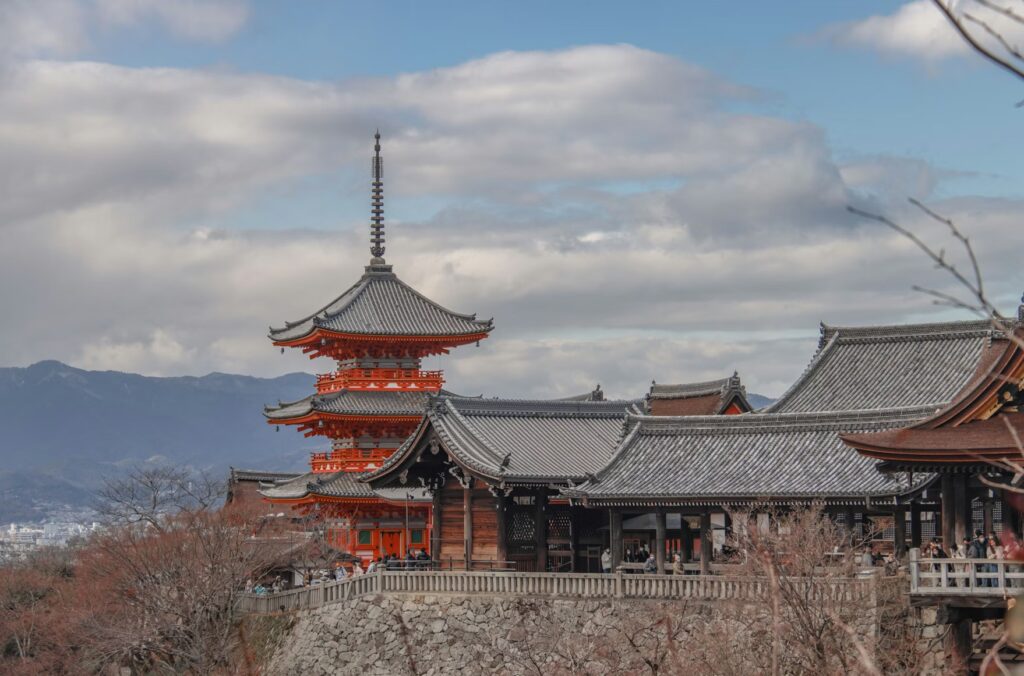
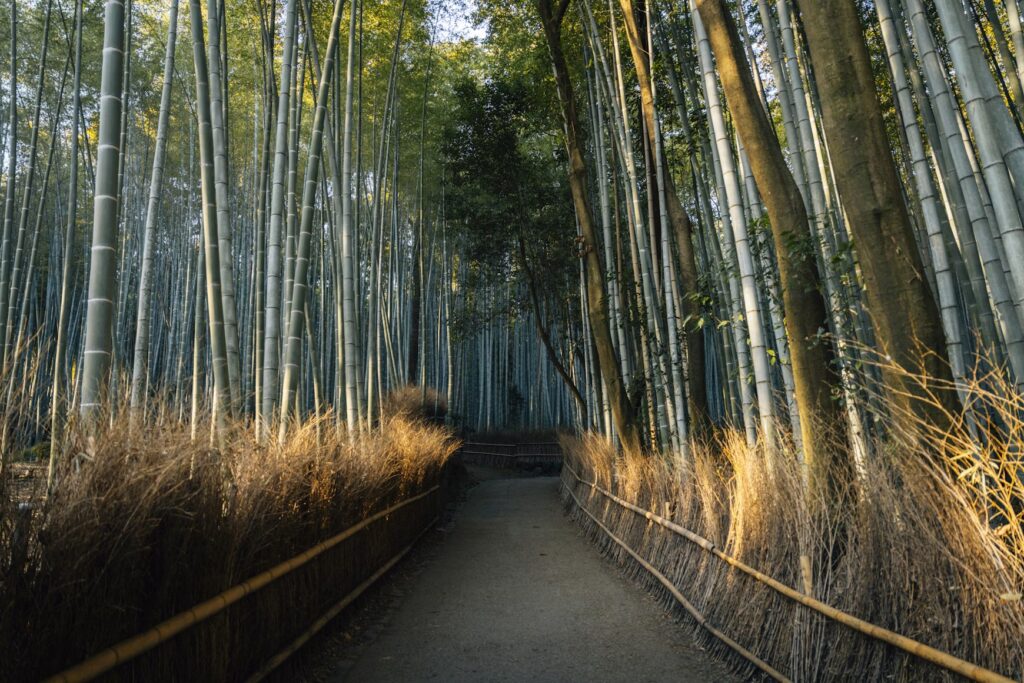
Visiting Kyoto is straightforward and affordable. Most of the city’s temples charge a small entry fee (around 300–1,000 yen), and walking around the city’s historical districts is free. Kyoto is easily accessible from Osaka (30 minutes by train) and Tokyo (2.5 hours via Shinkansen). Kyoto offers a more relaxed pace compared to Tokyo, making it an ideal destination to appreciate Japan’s deep cultural roots. The reward is a peaceful exploration of the soul of Japan, with the chance to immerse yourself in its cultural heritage and natural beauty.
Osaka – Japan’s Culinary Capital & Entertainment Hub
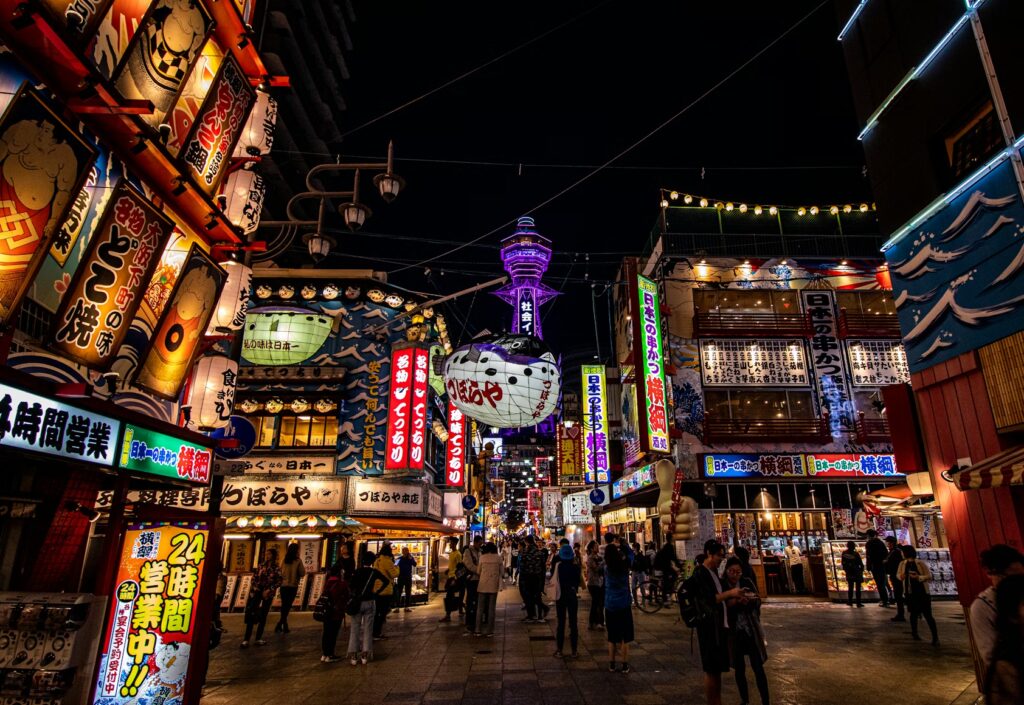
Osaka is Japan’s culinary capital, famous for its vibrant street food scene, from takoyaki to okonomiyaki. The city offers a unique blend of modern entertainment with traditional culture, making it a lively destination for travelers. Iconic landmarks like Osaka Castle and the Dotonbori district provide the perfect mix of history and excitement, ensuring Osaka remains a top choice for those seeking both cultural experiences and gastronomic delights.
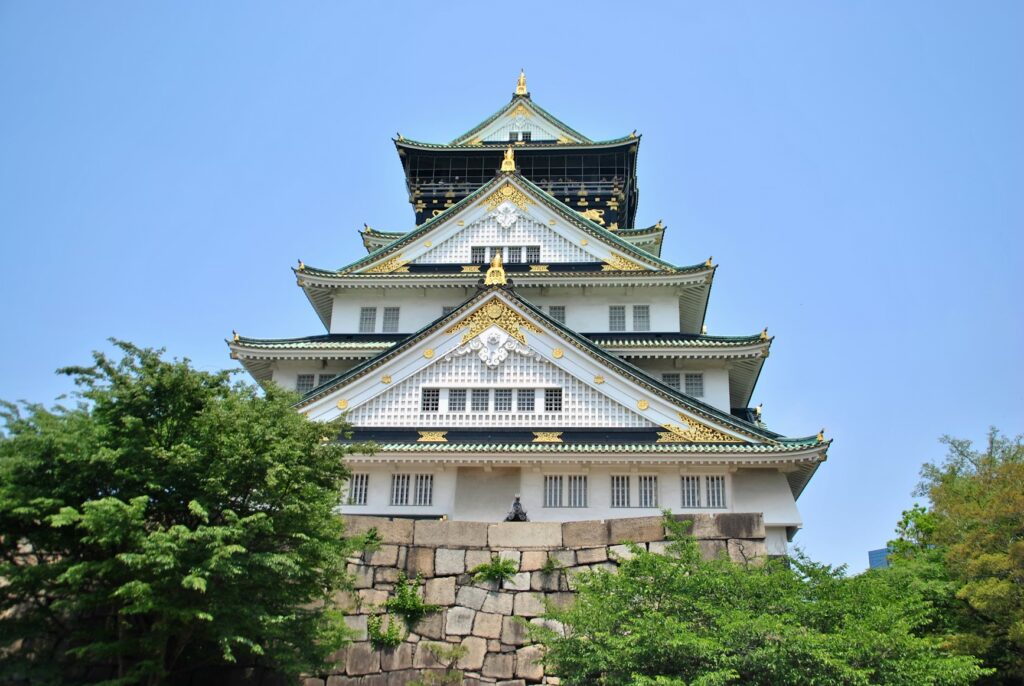
Osaka is just 30 minutes by train from Kyoto and easily accessible from Tokyo via the Shinkansen (around 2.5 hours). Street food and general exploration in Osaka are relatively affordable, with meals ranging from 500 yen to 2,000 yen. Many of the city’s historical landmarks, like Osaka Castle, charge a modest entry fee (1,200 yen for adults).
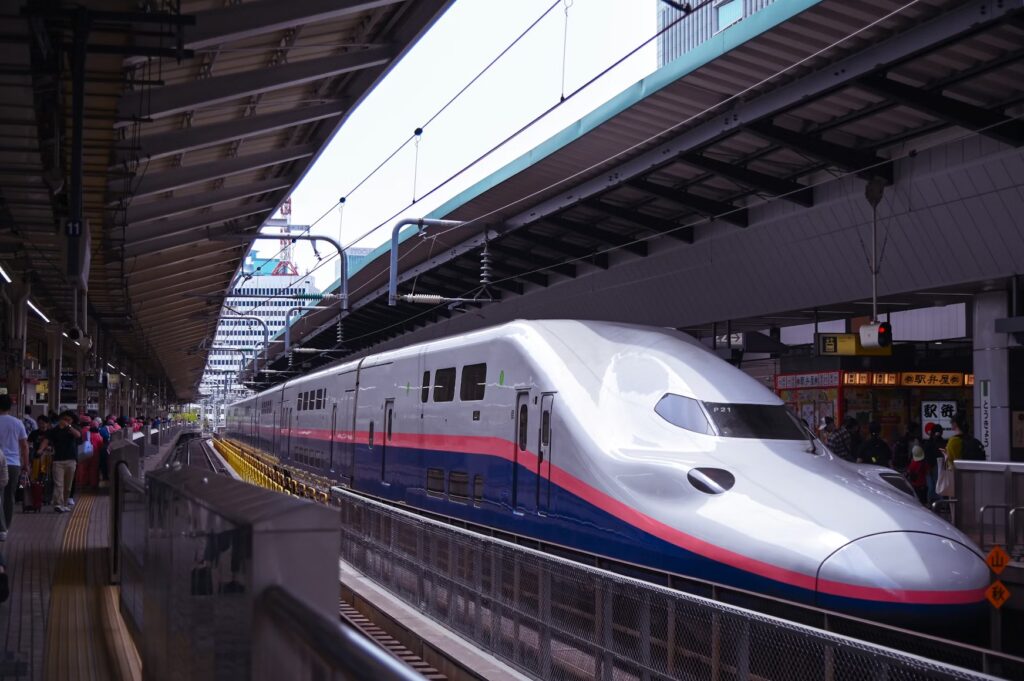
Exploring Osaka involves minimal walking if you stick to the main tourist districts like Namba and Shinsaibashi, but you’ll want to put in a bit of effort to climb to the top of Osaka Castle for panoramic views of the city. The reward is enjoying some of the best food in Japan and experiencing the energetic, fun atmosphere that makes Osaka one of the most welcoming cities in Japan.
Japan’s Port Cities: Harbors, History & Seafood
Japan’s port cities have long been the country’s windows to the world, and each one still carries that history in its architecture, food, and waterfronts. Some, like Yokohama and Kobe, are big cities that make easy day trips from Tokyo and Osaka; others, like Nagasaki and Hakodate, reward travelers willing to venture farther with a slower pace and fewer crowds.
Yokohama – The Futuristic Harbor
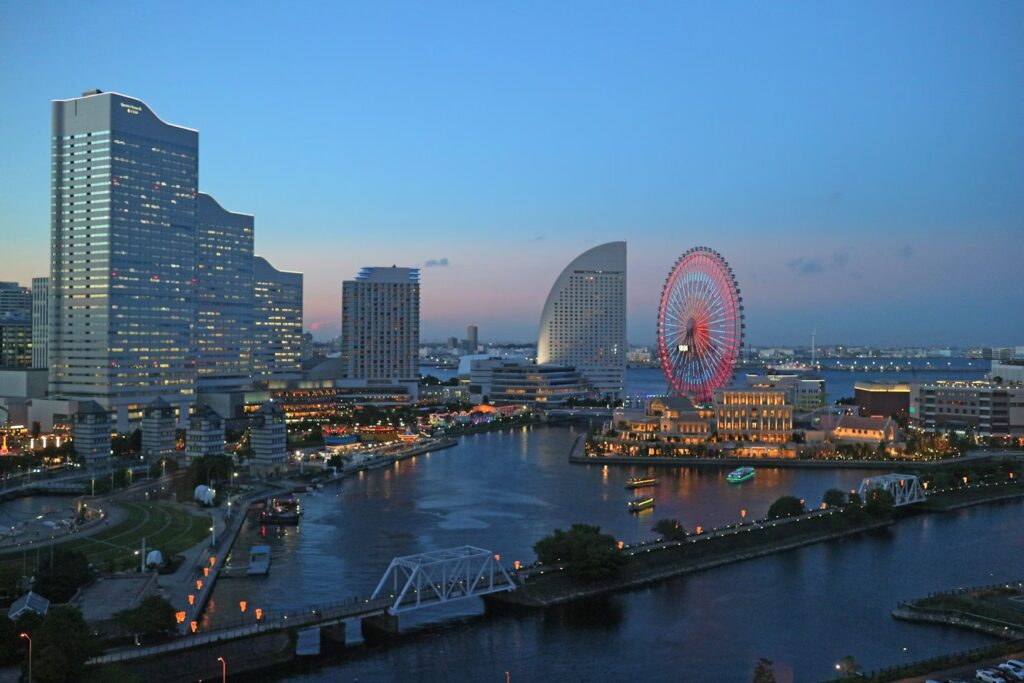
Located just 30 minutes south of Tokyo, Yokohama is a modern Japanese port city that offers an exciting mix of futuristic architecture and historical charm. The city’s waterfront is home to impressive structures like the Yokohama Landmark Tower and the Cosmo Clock 21, a giant Ferris wheel that was the tallest in the world when it opened in 1989. Yokohama also boasts a vibrant Chinatown, the largest in Japan, where visitors can experience both Japanese and Chinese cultural influences.
Yokohama is easily accessible from Tokyo via the JR Tokaido Line, and the city’s Minato Mirai district is free to explore, with many attractions charging a small fee. The minimal effort required to visit makes it a fantastic day trip for those staying in Tokyo. The reward is a perfect blend of modernity and history, with stunning views of the harbor and a laid-back vibe compared to the capital city.
Kobe – Cosmopolitan Vibes & World-Class Beef
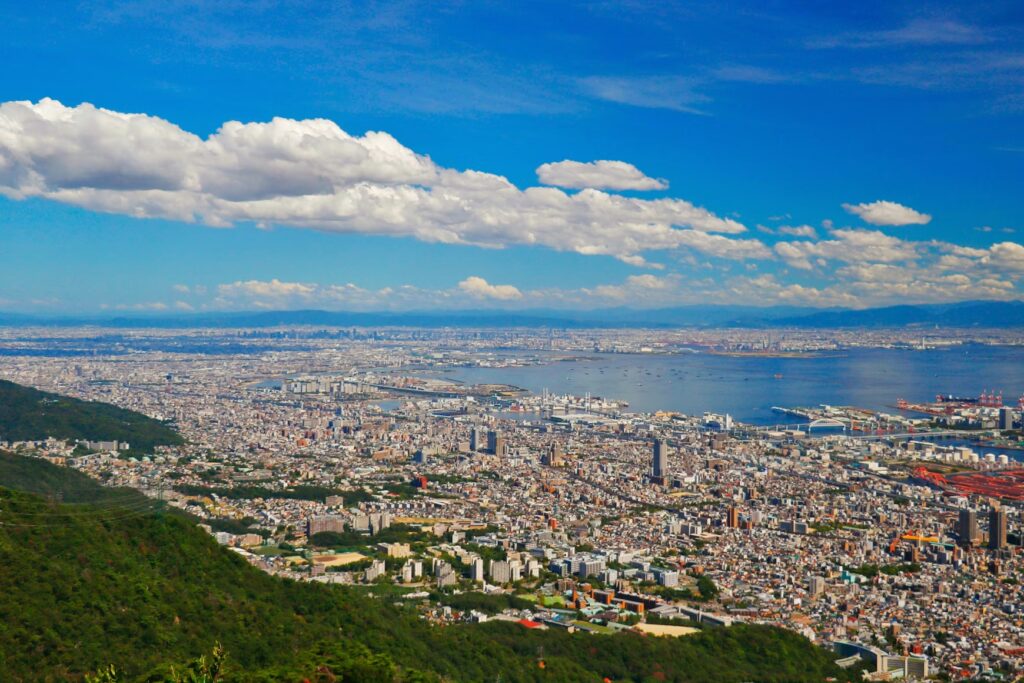
Kobe is another beautiful Japanese port city that offers cosmopolitan vibes with a rich history. Known worldwide for its Kobe beef, the city is a culinary destination, offering some of the finest beef in the world. The city’s European-influenced architecture, especially in the Kitano-cho district with its historic Ijinkan foreign residences, provides a romantic atmosphere, ideal for a relaxing afternoon stroll.
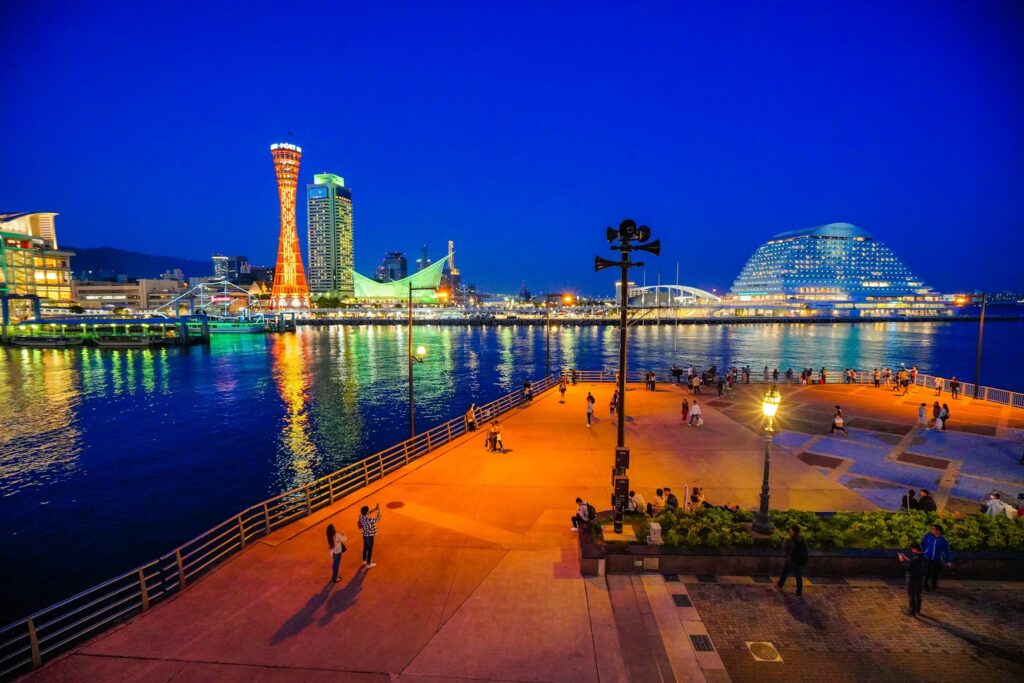
Kobe is located near Osaka and is easily reachable by train in about 30 minutes. Whether you’re indulging in a gourmet meal featuring the world-famous Kobe beef or simply enjoying the scenic views of the harbor, this city offers a serene escape from the larger, more crowded cities of Japan.
Nagasaki – A Blend of East and West
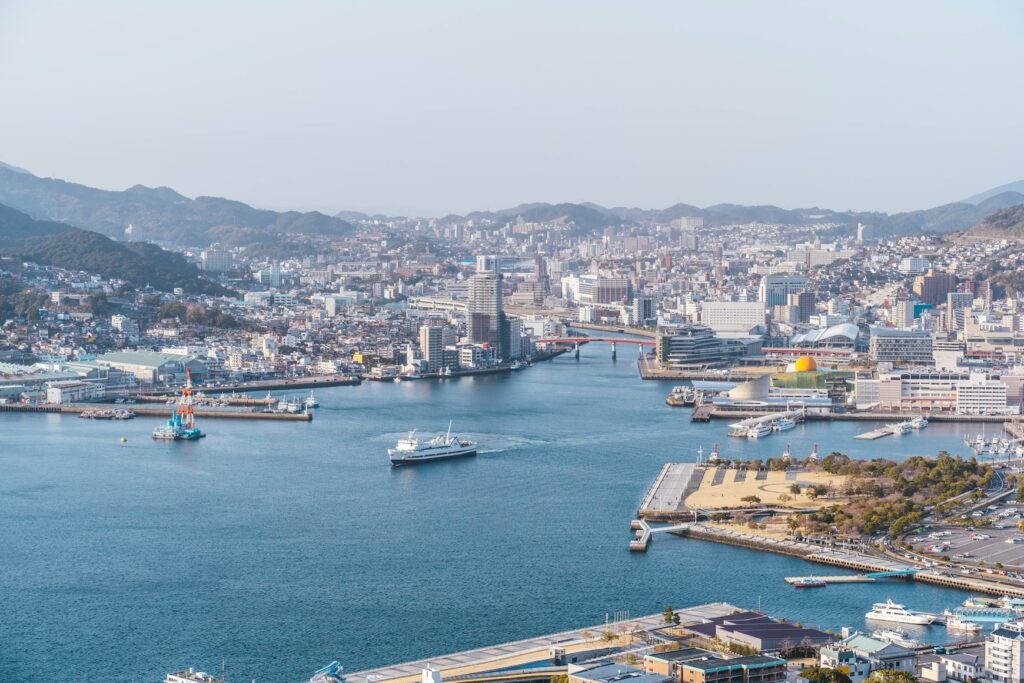
Nagasaki is unique for its historical significance as a trading port that welcomed European influence. The city offers a unique cultural experience, where Japanese and Western traditions blend seamlessly. The Oura Church and Dejima Island are just two examples of the city’s fascinating cultural mix, while the Nagasaki Peace Park offers a poignant reflection on Japan’s history.
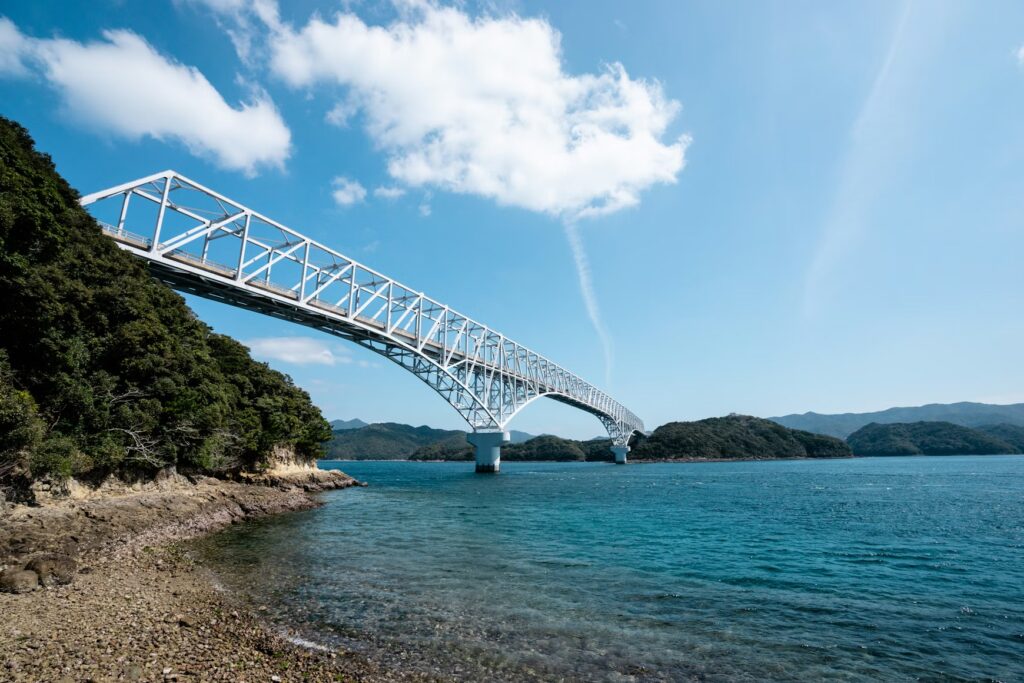
Nagasaki is located in the northwestern part of Japan’s Kyushu region, about 1.5 hours from Fukuoka’s Hakata Station by limited express and the Nishi-Kyushu Shinkansen (with a change at Takeo-Onsen), or a short domestic flight from Tokyo or Osaka. The city provides a quieter alternative to the bustling districts of Tokyo, and the reward is the opportunity to experience Japan’s deep history of cross-cultural exchange.
Hakodate – The Northern Star
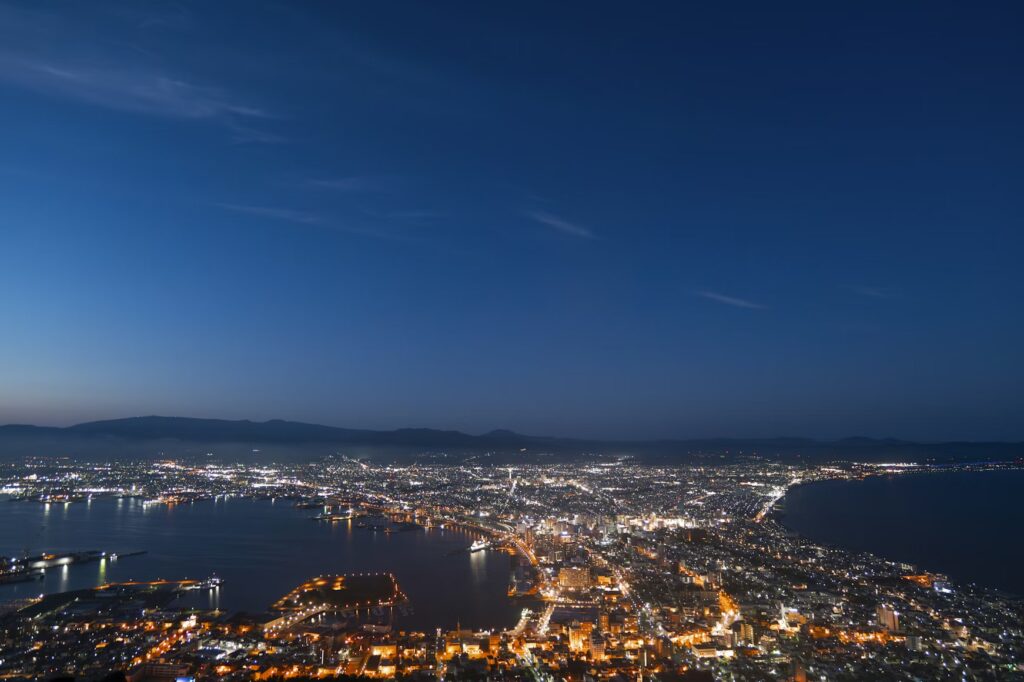
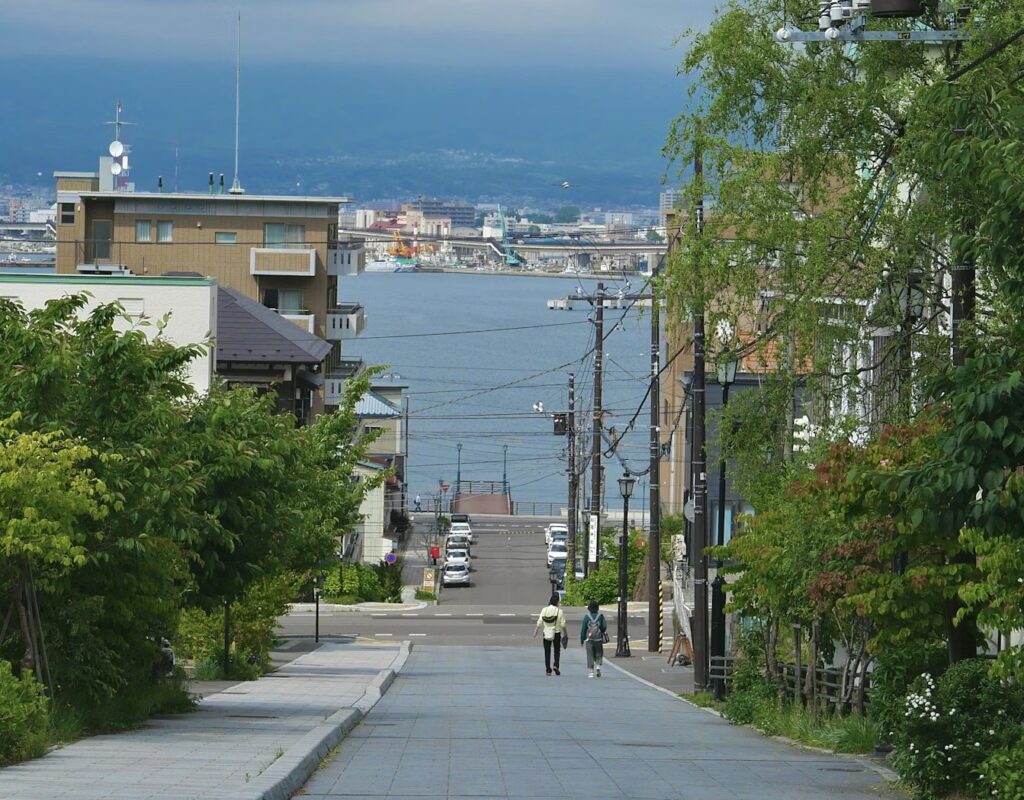
Hakodate, in Hokkaido, is a Japanese port city known for its stunning night views and fresh seafood. The view from Mount Hakodate is widely regarded as one of Japan’s best, offering a breathtaking panorama of the city and its bay. The Hakodate Morning Market is a must-visit for food lovers, offering fresh seafood like crab and squid. Hakodate is perfect for a summer visit, and getting there from Sapporo takes just a few hours by train. The reward for minimal effort is the opportunity to enjoy fresh seafood, stunning views, and the calm, inviting atmosphere of one of Hokkaido’s most charming cities.
Conclusion: How to Build Your Perfect Itinerary
From the modern vibrancy of Japan’s capital city, Tokyo, to the tranquil beauty of Japanese port cities like Yokohama, Kobe, and Nagasaki, Japan offers an array of destinations to visit in Japan that appeal to all types of travelers. Whether you’re seeking traditional culture, stunning views, or culinary experiences, there’s a city that fits your preferences. Plan your itinerary carefully to balance the excitement of the big cities with the peaceful charm of the lesser-known ports, creating the perfect Japanese getaway.