


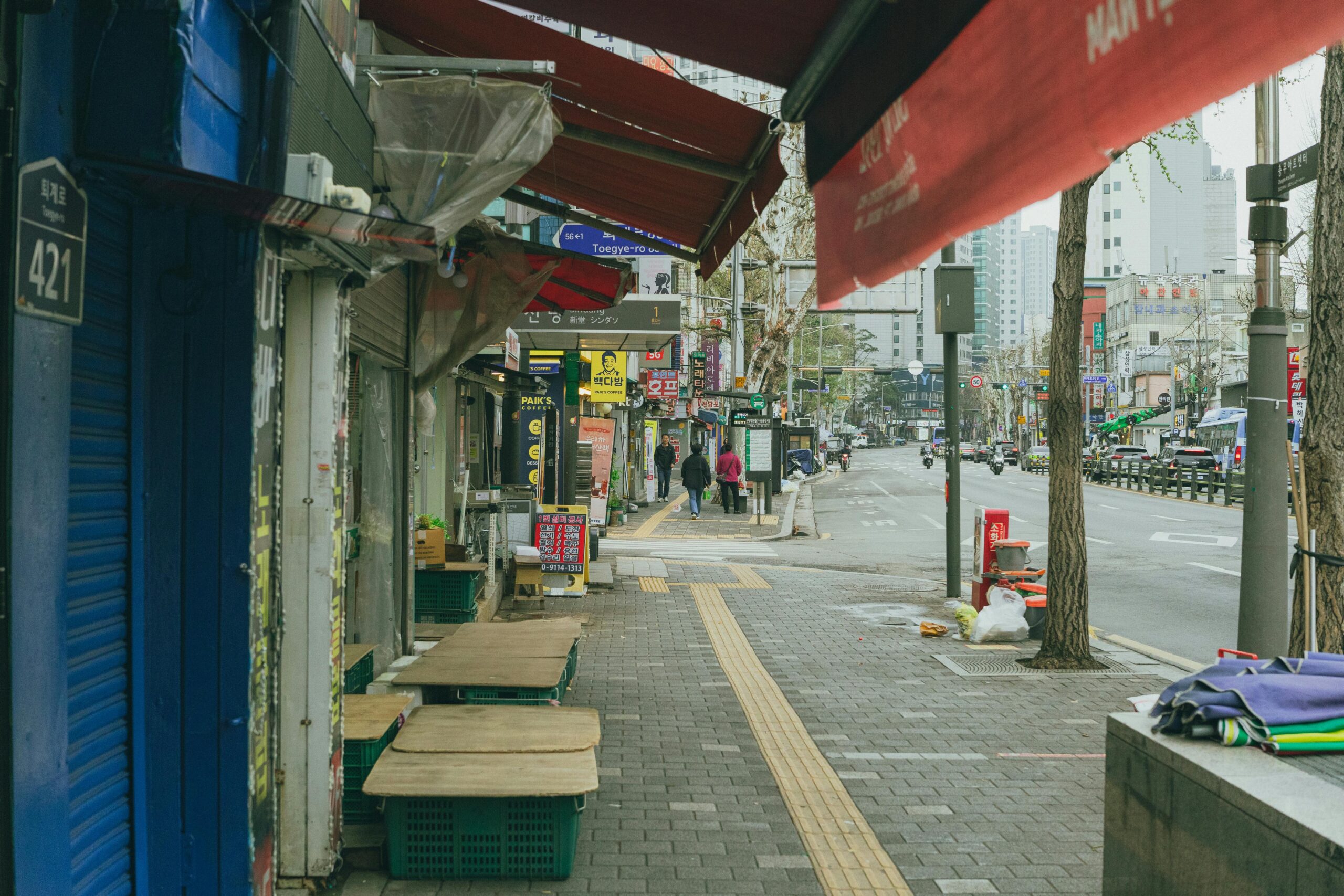
Packing for Korea rarely feels difficult at first, especially for first-time visitors. The instinct is to prepare for weather, for style, for being out all day, and most travelers arrive feeling ready. What often comes later is the realization that packing for Korea is less about what you bring, and more about how what you carry moves with you through the day.
Korea has a way of compressing distance. Neighborhoods blend into one another, transit is constant, and walking becomes the default state rather than a deliberate activity. At the same time, the weather shifts quietly, sometimes within the same afternoon, shaping how the body experiences the day. Packing sits quietly at the intersection of those two forces.
Understanding what to bring begins there, in how days are walked through, and how the air changes around you as time passes.
When the Day Stays on Your Feet
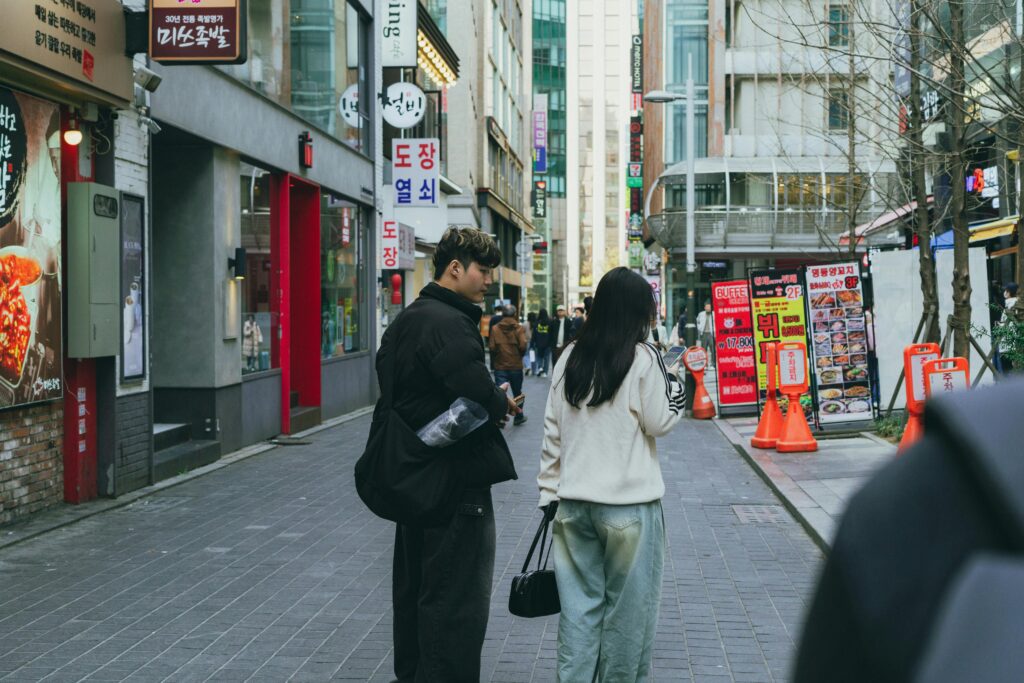
Most days in Korea involve more walking than expected, even when trains and buses do most of the distance. Stations are large, transfers stretch longer than they appear on maps, and streets invite wandering once you emerge. You move without thinking about it at first, letting momentum carry you forward for hours at a time.

Clothing and footwear that feel fine in the morning continue to matter hours later, once the day has folded in on itself. Comfort becomes cumulative as the hours pass. What rests lightly on the body early on either continues to disappear into the background, or begins to ask for attention. This is where packing choices quietly reveal themselves, becoming noticeable as the days fill with more movement than pause.
Weather That Shifts Without Announcement

Korea’s weather rarely settles into a single state for the entire day. Mornings carry one temperature, afternoons another, evenings something else entirely. Indoor spaces add their own layer, often warmer or cooler than expected, creating small adjustments each time you step inside and back out again.


Outer layers become part of the rhythm, moving with you through the day, sometimes worn, sometimes carried, always within reach. Fabrics that breathe, items that fold easily, and pieces that adapt quietly tend to stay present without becoming burdens. The goal is to move easily between them without breaking stride.
Style, Routine, and Blending In
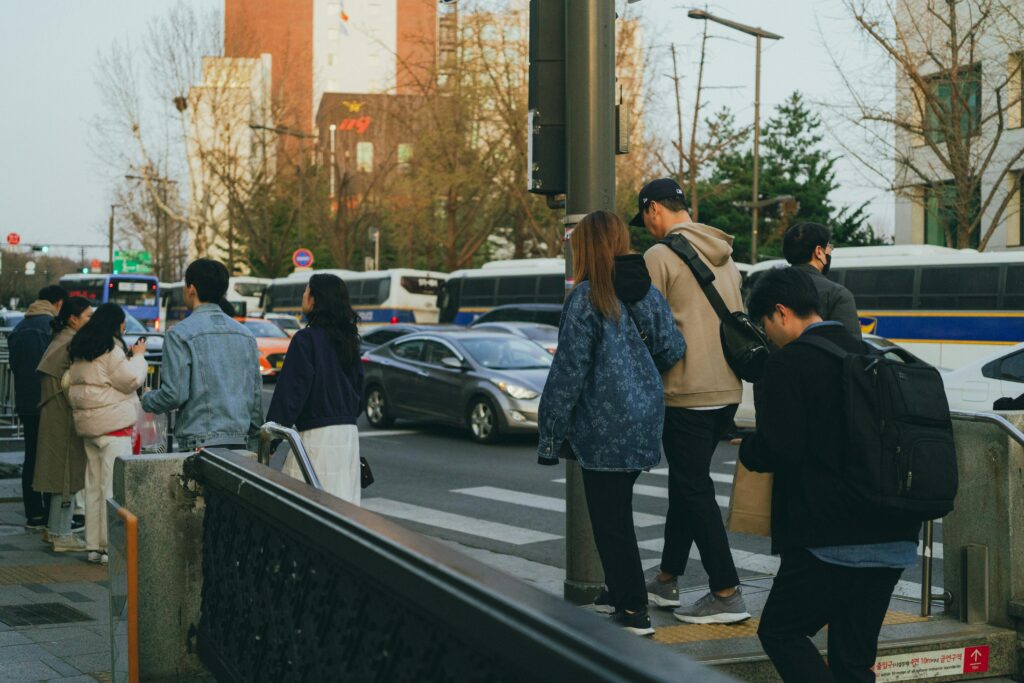
Korea is visually attentive. People notice how others move through space, though not in a way that feels judgmental. Clothing tends to look intentional, even when casual, and routines around dress reflect that awareness.
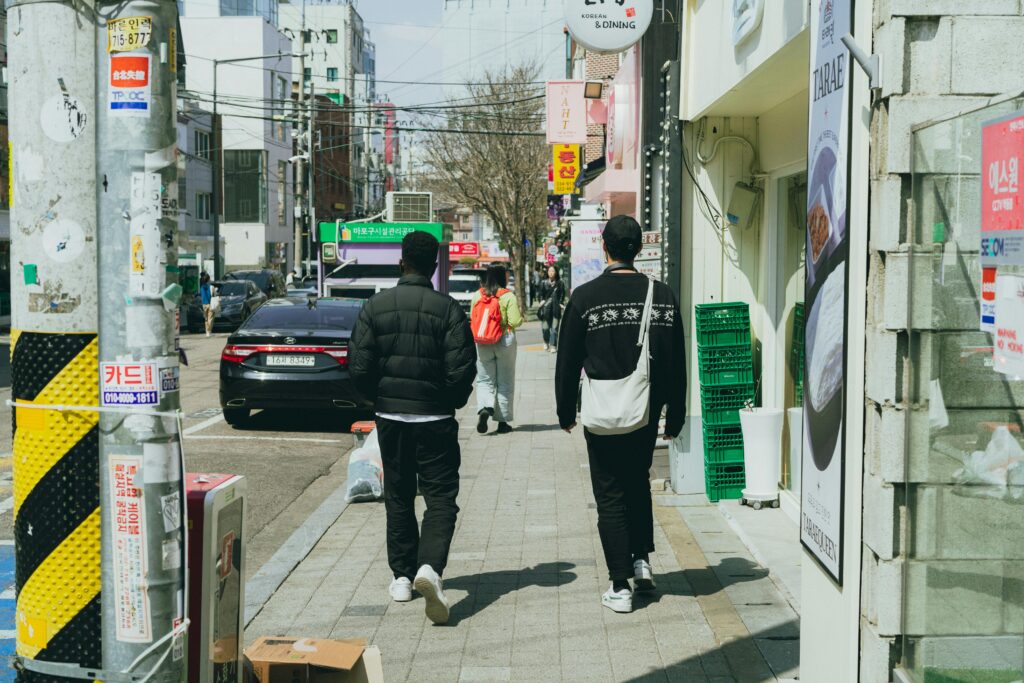
For travelers, this often means choosing pieces that allow you to feel settled in public space without standing out. When what you wear fits the setting, attention settles outward and the day opens more easily. Packing with this in mind often leads to a small set of pieces that carry the day with less effort.
What Begins to Feel Heavy
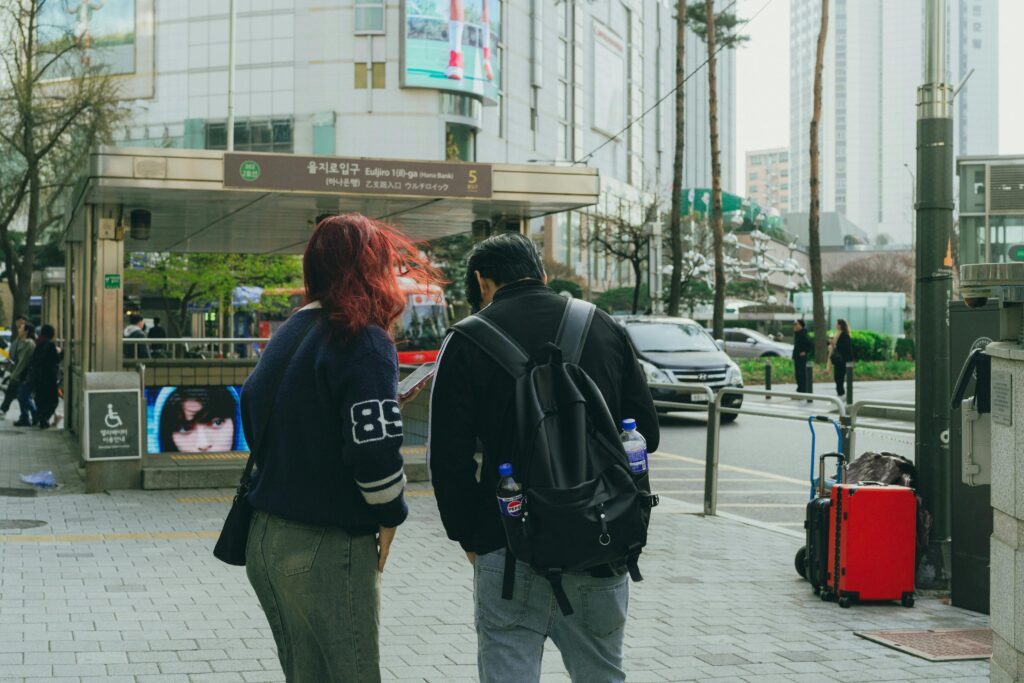
As days accumulate, weight becomes noticeable. Not only in luggage, but in what you carry on your body. Bags that felt manageable start to pull. Extra layers begin to feel unnecessary. Items brought “just in case” remain unused, while a few essentials repeat themselves daily.
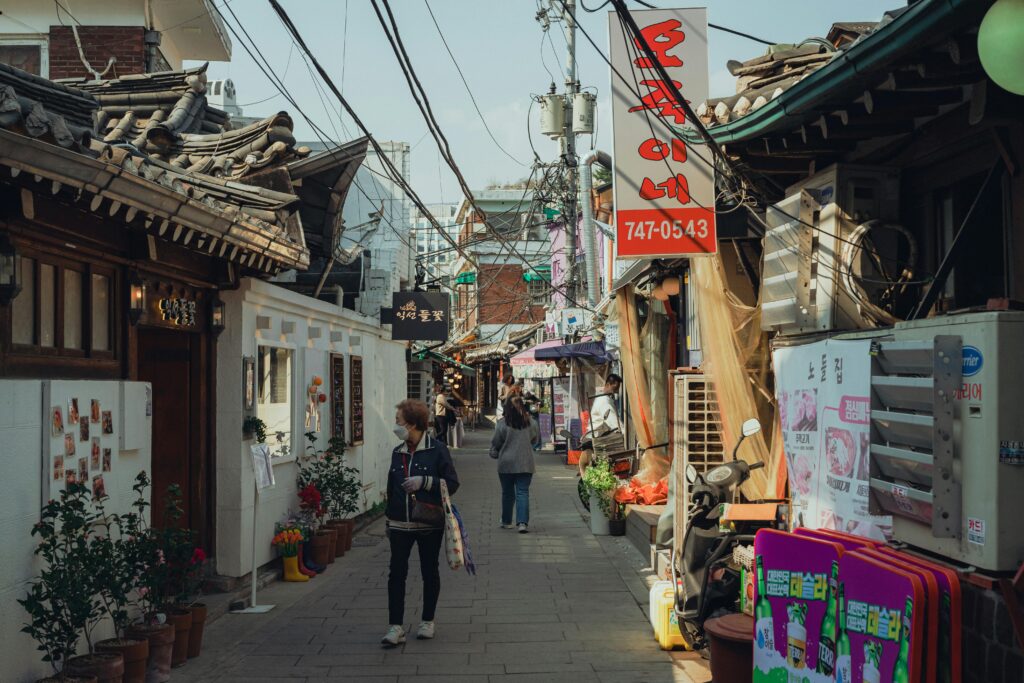
This is usually when travelers realize that Korea makes it easy to adapt on the ground. Everyday needs are accessible, replacements are simple to find, and routines adjust naturally. Packing lightly often brings a steadier sense of preparedness as the trip unfolds. The less you carry, the more fluid the day becomes.
Letting the Day Lead the Packing

Packing for Korea works best when it stays close to the shape of the day. Weather shifts, long stretches of walking, and frequent indoor–outdoor transitions quietly shape how the experience unfolds.
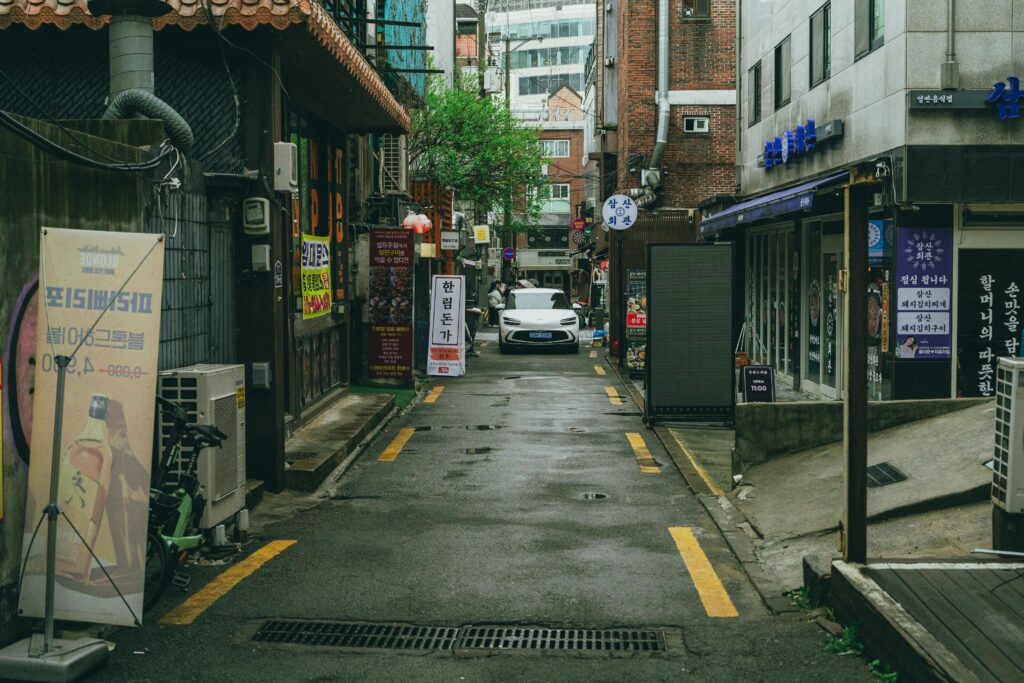
The most useful items tend to be the ones that disappear while you move, allowing attention to stay with the street, the conversation, the meal, the moment unfolding in front of you. What you leave behind often matters as much as what you bring. Space, flexibility, and ease often prove more valuable than readiness for every possibility.
Packing, in the end, is about staying comfortable long enough for the rhythm of Korea to carry you forward without interruption.
