


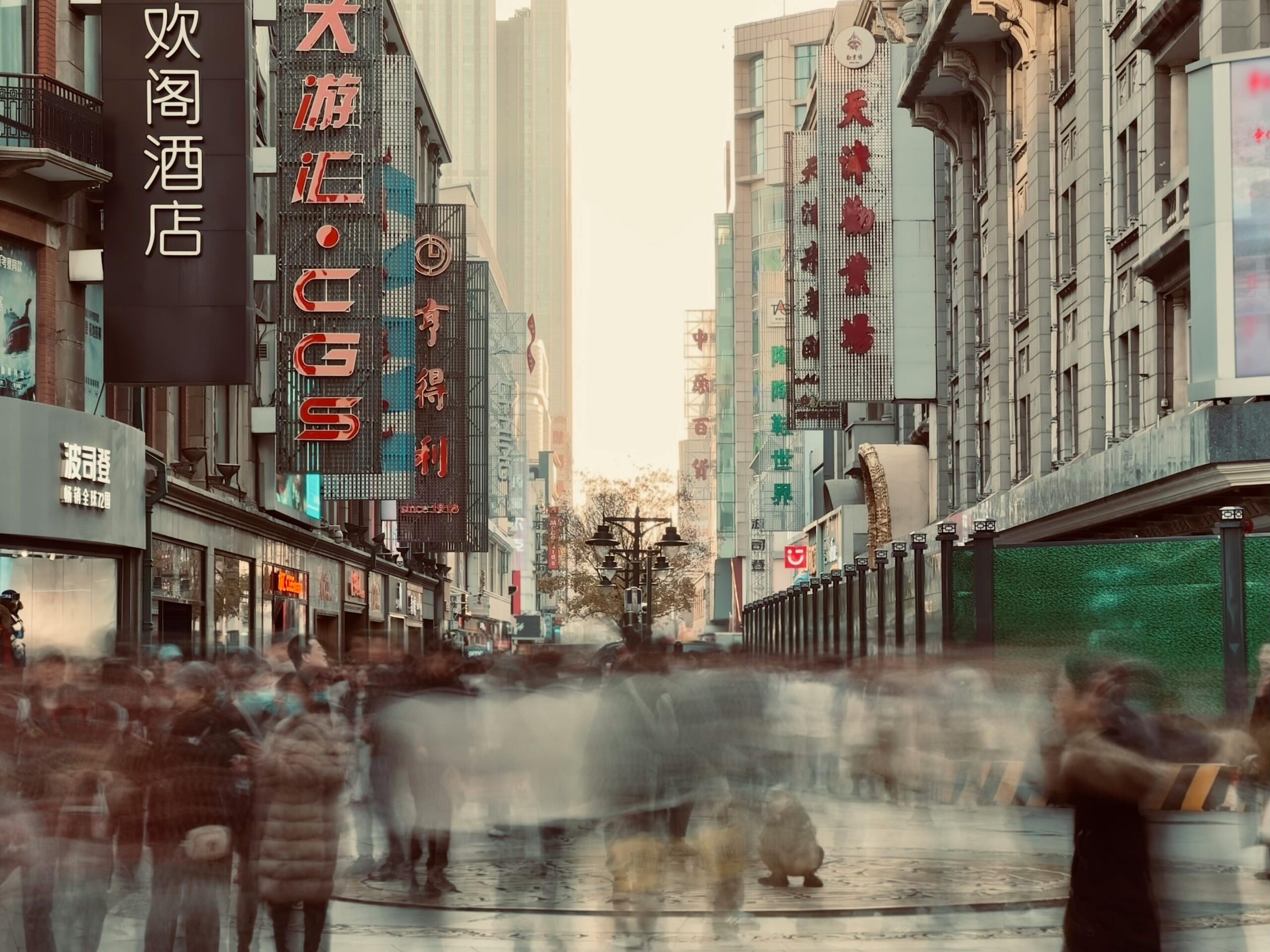
China is often planned through seasons, with weather charts and temperature ranges guiding early decisions about the best time to visit China. Spring and autumn appear comfortable. Summer looks expansive. Winter feels distant. Once travel begins, those distinctions start to blur, and another factor gradually moves into focus, shaping the experience more consistently than weather ever does.
Crowds in China don’t simply add density to places. They change how the day behaves, how movement feels, and how much effort is required to remain present as locations shift. Timing becomes less about climate and more about how many people are moving at the same time, often in the same direction.
When Space Starts to Disappear
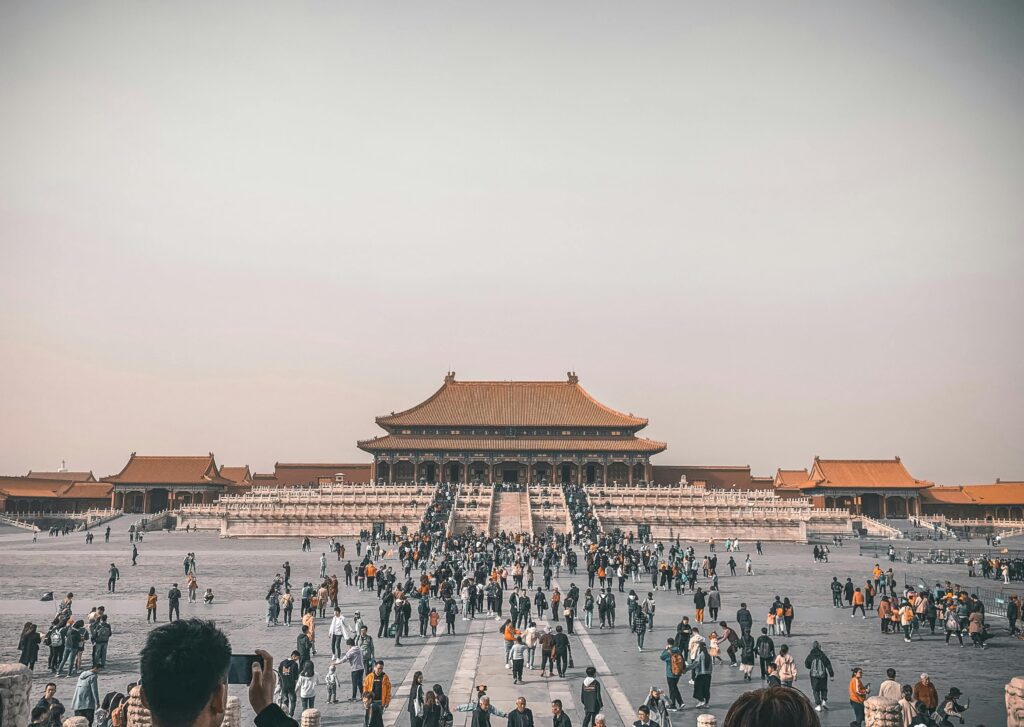
During certain periods, popular routes compress quickly as major cities absorb large volumes of domestic travel. Landmarks fill early, and transit systems continue to function under added weight, with queues lengthening and waiting settling into the day as part of its movement.
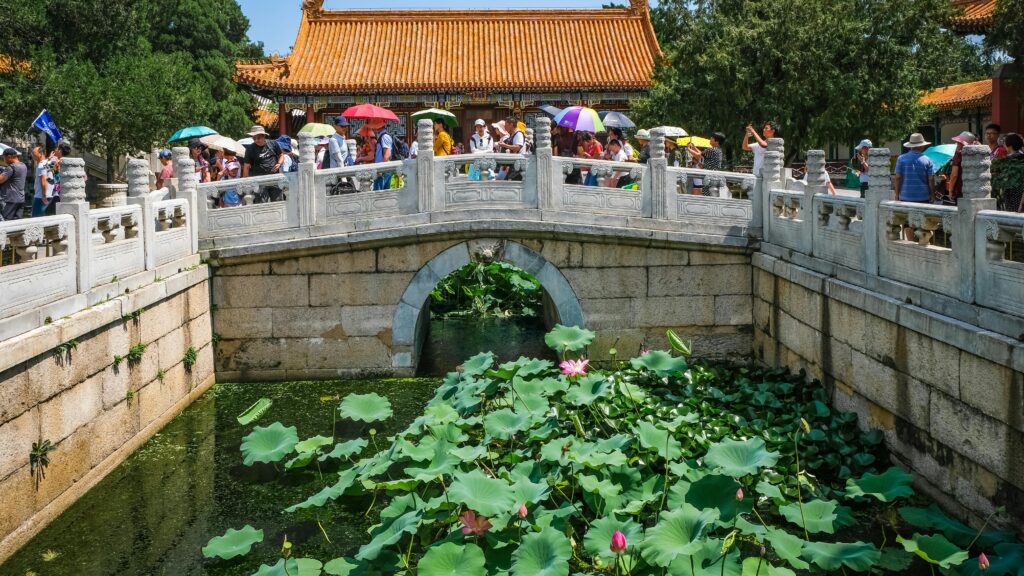
These conditions begin to shape the day through pace and logistics. Movement slows, transitions stretch, and the space between activities tightens as navigation begins to take up more attention. Weather remains workable, while energy shifts toward moving within shared flows.
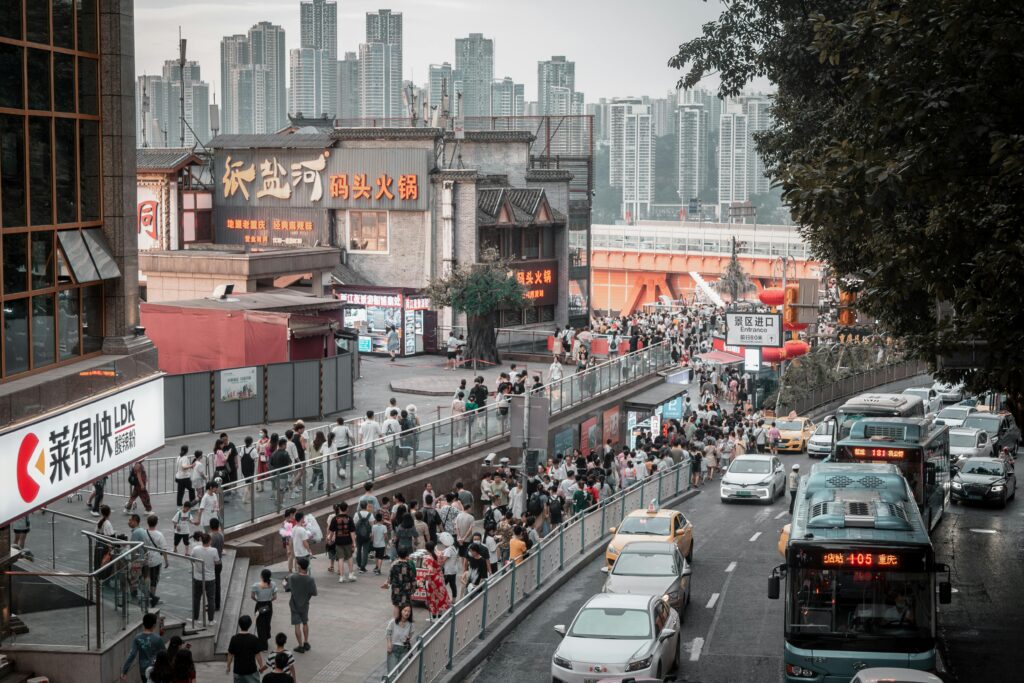
How National Travel Periods Reshape the Day
China’s major holidays introduce a distinct travel dynamic. Large segments of the population move at once, and the scale of that movement reshapes the entire country for a short period of time. Trains sell out quickly, flights concentrate demand, and accommodation availability tightens across regions.
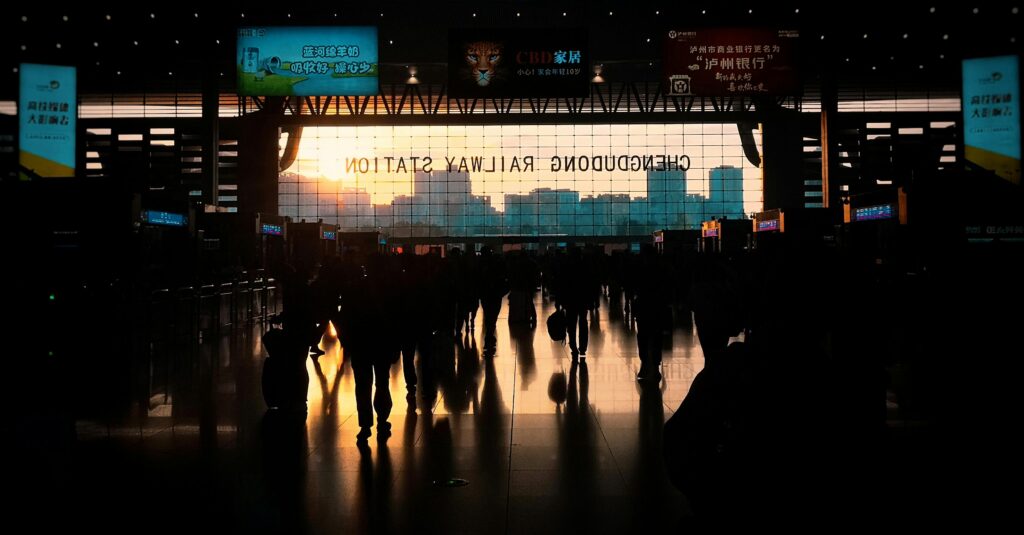
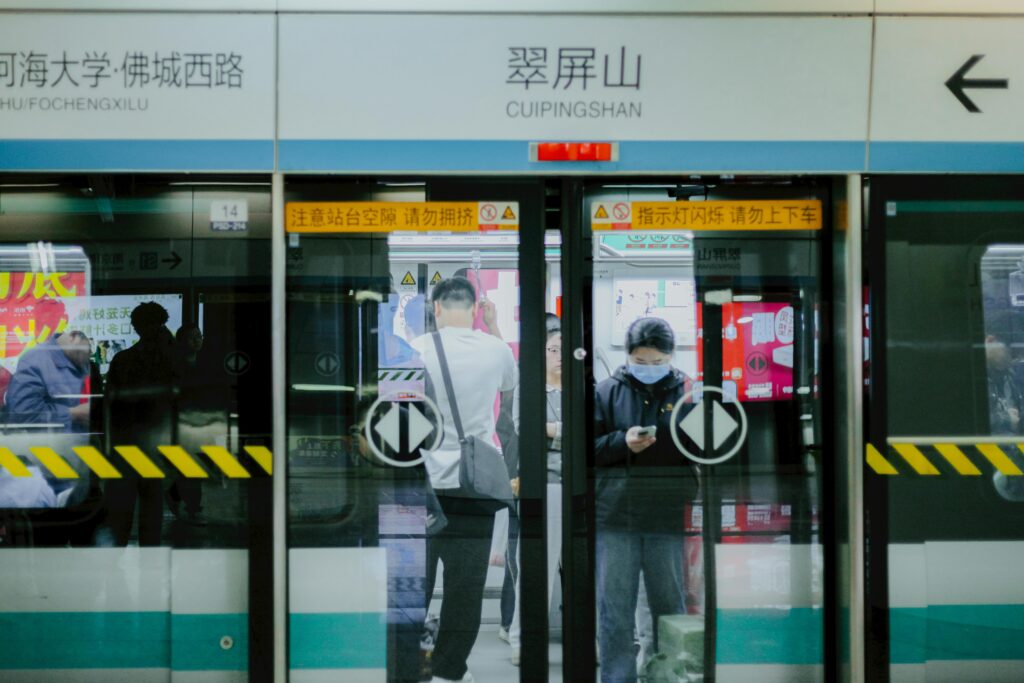
During these windows, the experience takes on a more tightly structured form. Days start earlier, routes ask for advance planning, and spontaneity gradually thins as volume shapes how systems operate. The effect settles across several days as a sustained sense of compression.
When Timing Feels Lighter

Outside peak travel periods, places begin to loosen. Cities regain breathing room, attractions hold space longer, and transport stays predictable without demanding constant attention. The day opens gradually, with movement carrying forward in a more continuous way.
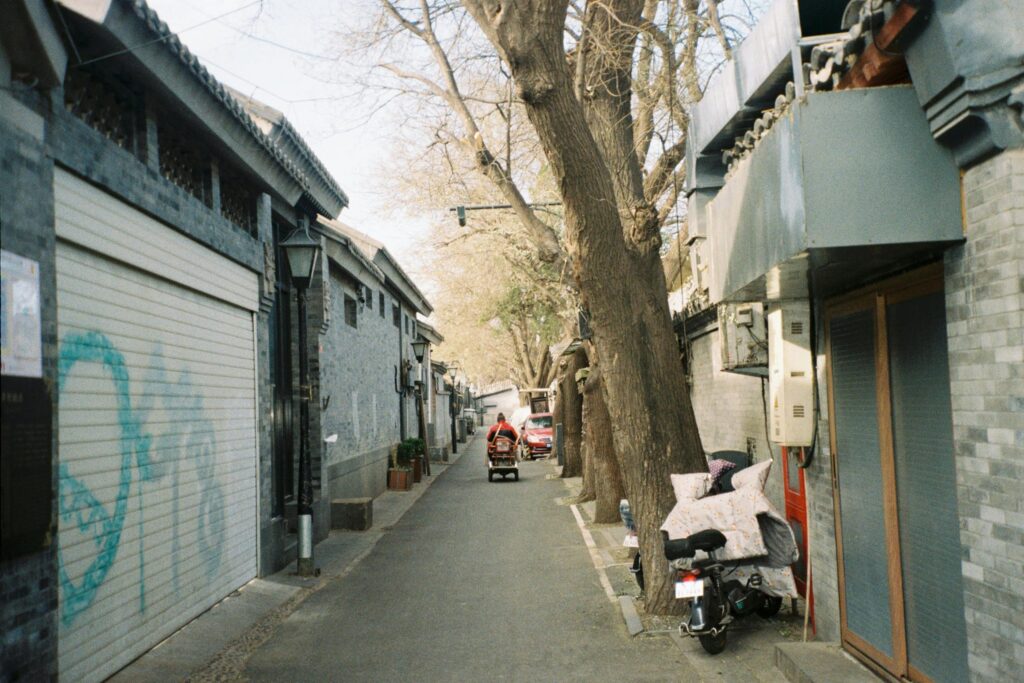
These periods often coincide with shoulder seasons, though the benefit comes less from weather comfort and more from reduced density. Even familiar destinations begin to feel easier to inhabit once crowd pressure eases and rhythm stabilizes.
Regional Differences in Crowd Pressure
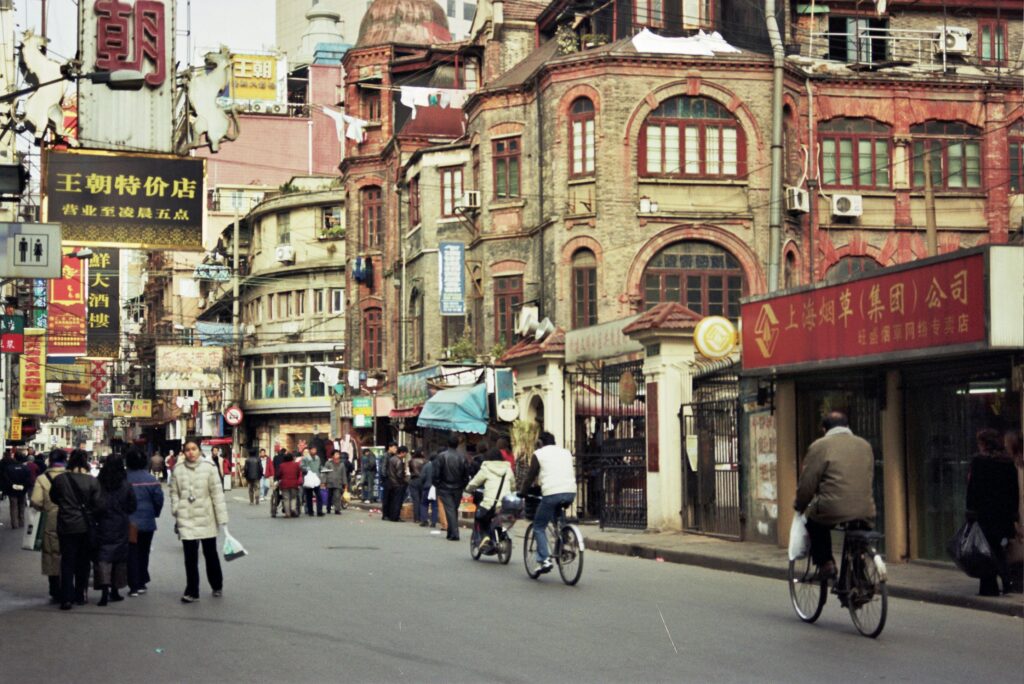

Crowd intensity in China concentrates unevenly across the country. Major urban centers and iconic landmarks carry the greatest volume, with secondary cities and more dispersed regions moving at a different pace. Traveling between regions can ease that concentration, though movement itself brings additional demands.


Routes that balance cities with quieter areas tend to hold rhythm more consistently. Staying longer in fewer places allows familiarity to form before density becomes tiring. Crowds feel heavier when movement remains constant and lighter when days are allowed to settle into repetition.
Weather as a Secondary Influence
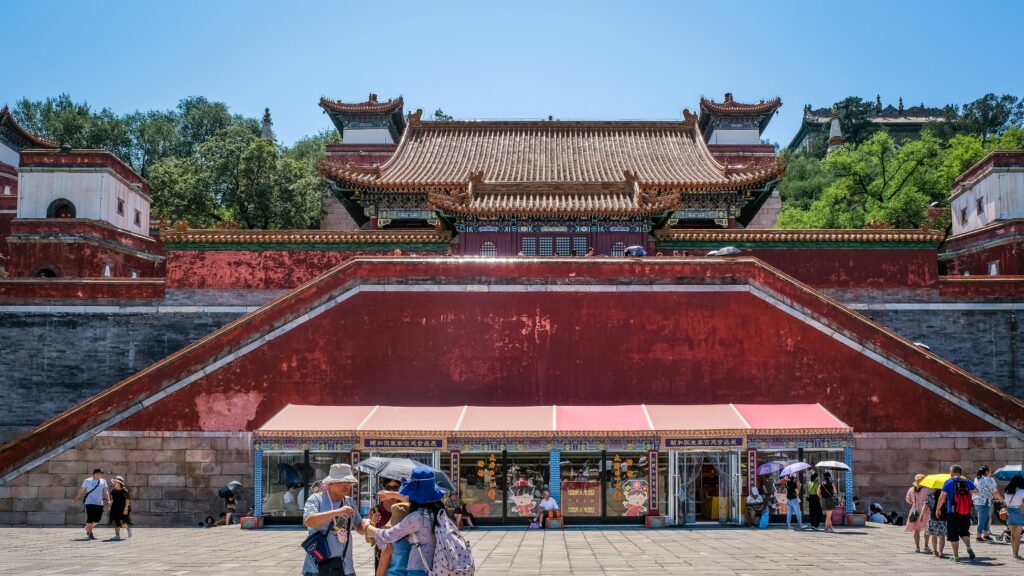

Weather continues to shape the experience as crowd dynamics take hold. Heat works its way into stamina, cold slows pacing, and rain shifts timing, each becoming more noticeable as space tightens and movement grows denser. A warm day with room to move often feels easier than a mild day spent waiting in shared space. Comfort shifts as the balance between conditions and crowd pressure changes.
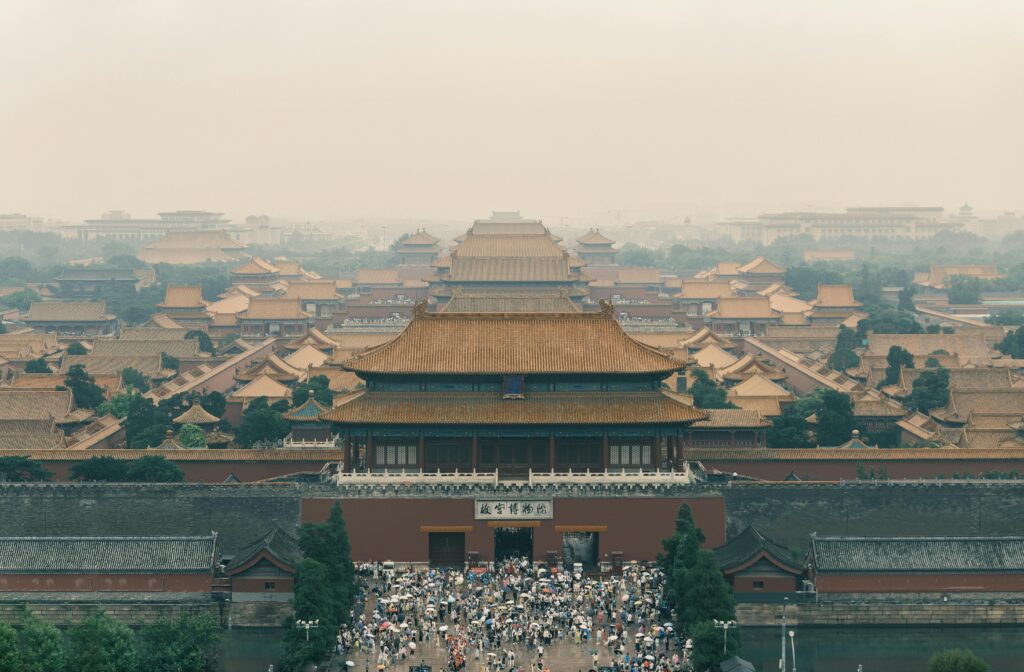
Choosing Timing Through Movement
Deciding when to visit China becomes clearer when timing is considered through movement patterns. Comfort with shared space, the frequency of location changes, and the energy required to manage logistics all begin to shape how the experience feels day to day.
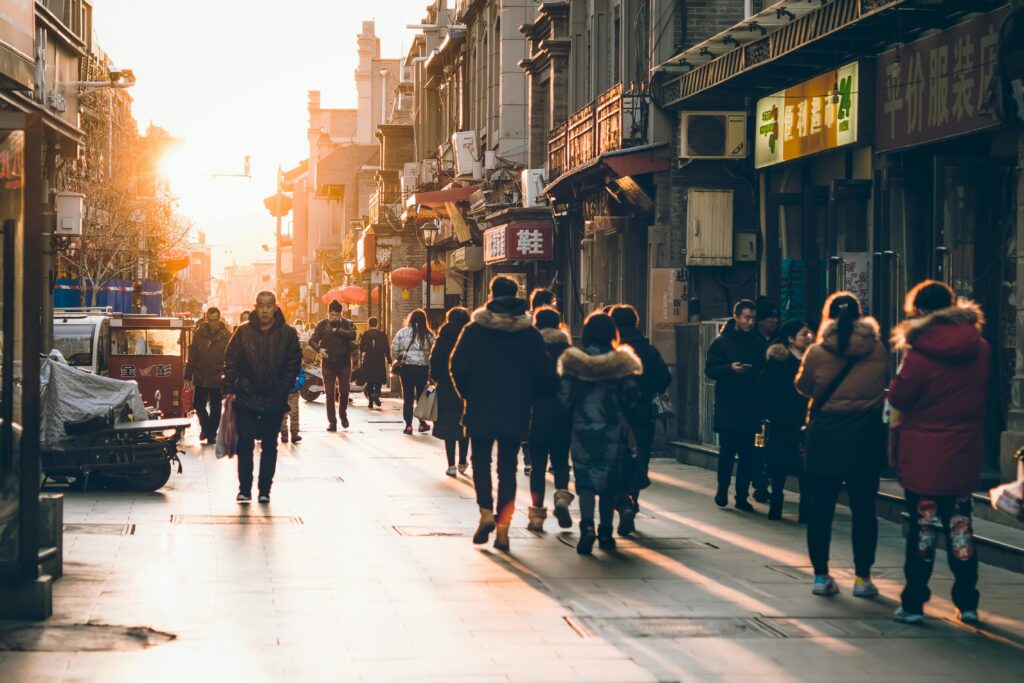
Crowds in China reshape the experience quietly and thoroughly. As density rises and falls, the day contracts and opens in response, with space shaping how the country is felt over time. Recognizing that movement often becomes central to how the trip settles helps clarify when the experience will feel manageable rather than demanding.
