


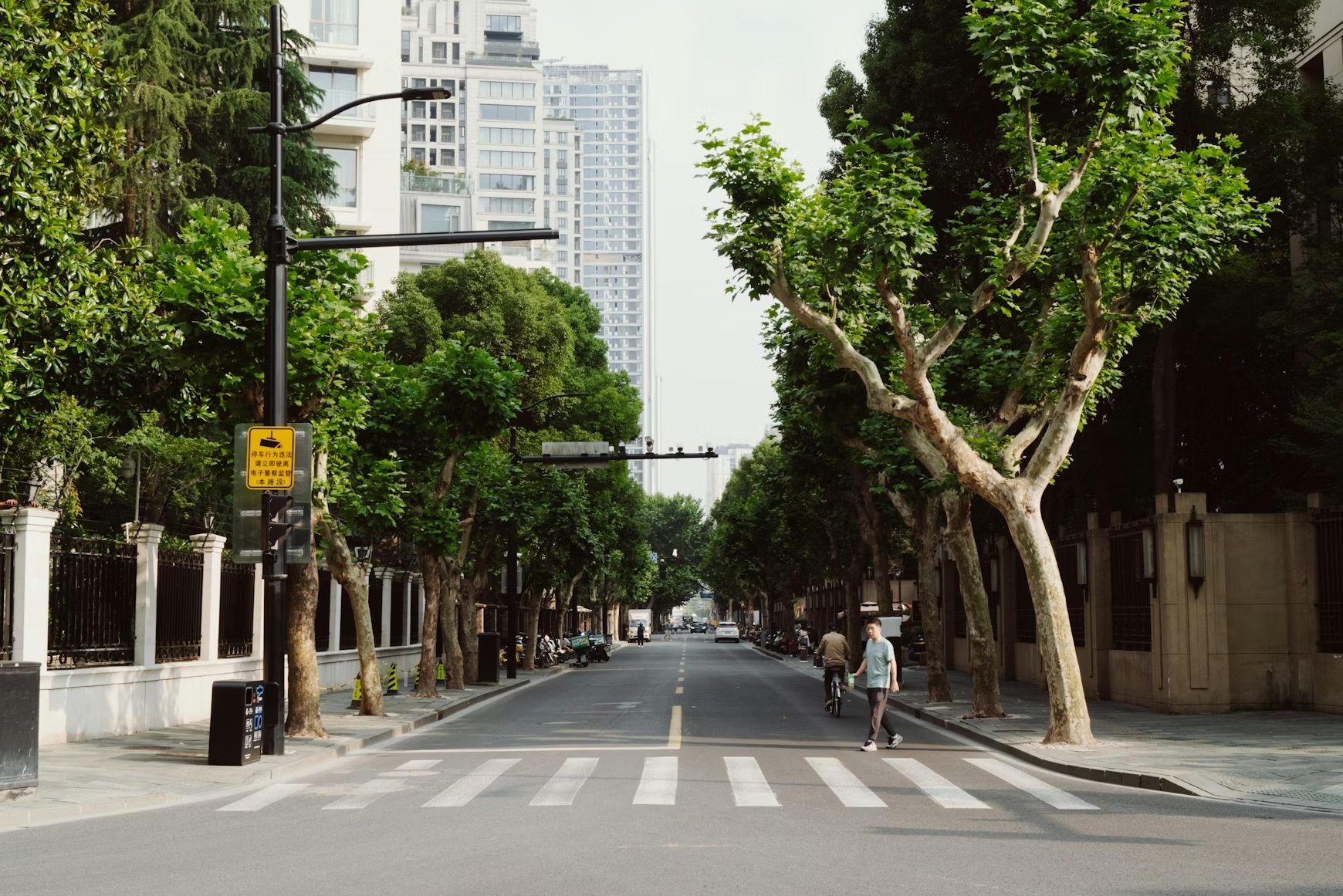
When movement stops feeling like freedom
Remote travel often begins with the sense that stability is something willingly set aside. You move, adapt, reset, and repeat, carrying work with you while everything else remains flexible. Early on, this arrangement feels intentional, shaped by openness. The absence of fixed structure feels light enough to move with.
As time passes, that framing loosens. Movement continues, though it no longer absorbs attention in the same way. The days continue to function, while the effort of holding them together becomes easier to feel. It spreads quietly across attention and energy, taking up more of the day than simply being inside it.
Where stability quietly reappears
Remote travel reveals that stability continues to take shape as location changes, settling into quieter forms that carry more weight over time. The day begins to anchor itself through repetition, without needing to be marked or explained.
These forms of stability arrive quietly. Repetition settles in, decisions require less checking, and a sense of how the day will unfold begins to feel familiar even while the surroundings remain new. Continuity gradually takes hold, carrying the experience forward without needing to be tied to a specific place.
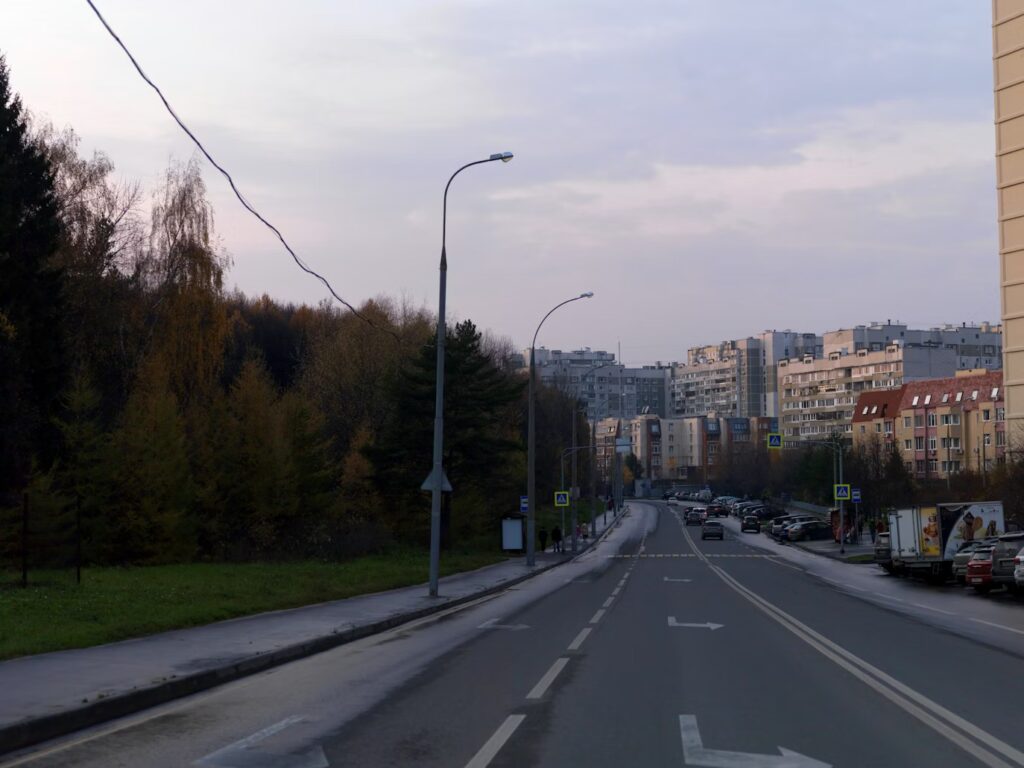
How instability accumulates without warning
At the same time, remote travel makes it easier to feel how instability builds when continuity is interrupted too often. Each move resets more than logistics, drawing attention back into alertness and returning weight to decisions that had begun to feel automatic. The accumulation stays quiet, carrying a faint sense of incompletion from place to place. Stability becomes noticeable precisely because its absence begins to register in the body.
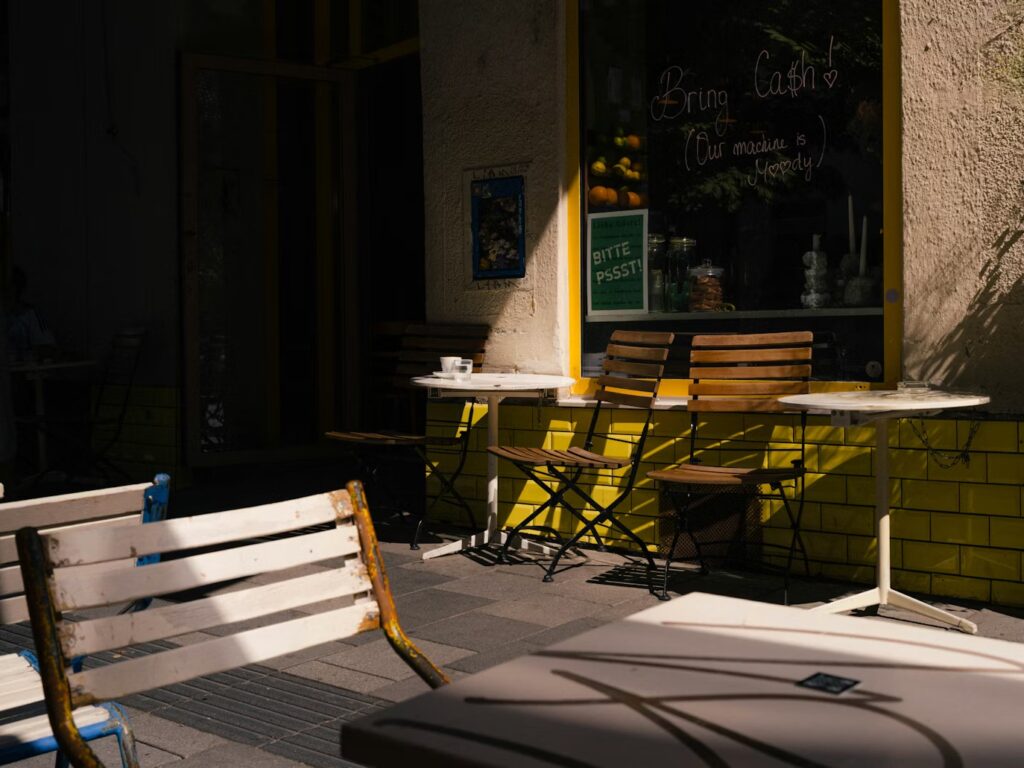
When structure carries more than intention
Many remote travelers assume stability can be maintained internally, carried through intention alone. Travel challenges that idea quietly, revealing how steadiness grows out of structure as days repeat. What holds begins to matter on its own, without needing to be named or reinforced by intention.
Remote travel reveals that stability depends on how much the environment supports repetition. When structure is thin, even flexibility begins to tire. When it is present, stability returns without needing to be pursued directly.
Why slowing down changes the experience
As movement slows, stability registers differently. Longer stays let routines settle in, and the city eases out of focus as something that needs to be learned. Work finds its rhythm, and daily life begins to hold without needing to be put together again each morning. The days carry themselves with less friction, attention spreads more evenly, and steadiness begins to hold.

What stability means after time on the road
Eventually, remote travel reframes stability as something dynamic. It’s shaped by patterns that survive movement and routines that can repeat without wearing you down. It’s felt when the day no longer asks to be managed, when work fits without friction, and when rest arrives without negotiation. Remote travel shows how stability forms through continuity, carrying life forward as movement continues.
Related Articles
Is Remote Travel Right for You? A Reality Check for People Working Remotely
