



Flights from Kuala Lumpur to Bangkok are often booked with very little hesitation. The distance feels manageable, schedules run throughout the day, and prices usually sit close enough that the decision doesn’t ask for much thought. For many travelers, it’s a ticket that gets locked in quickly, with the assumption that everything else will fall into place once the journey starts.
That assumption mostly holds during the flight itself. Time moves in a familiar way, marked by meals, screens, and short stretches of rest that never fully settle into sleep. The hours pass without sharp edges. By the time the cabin begins to stir for arrival, most people feel present rather than drained, already shifting their attention toward what comes next.
This is where the route begins to matter more.
Arrival arrives as a continuation. You move through the terminal aware, able to read signs and follow the flow without feeling slowed down by the journey behind you. Immigration, baggage, and onward transport still take time, though they land differently when you step off the plane steady enough to handle them without friction building up.
The flight rarely defines the day through exhaustion and shapes it through pace.
Where the experience carries into the ground
On a route of this length, inflight details pass quickly. The lasting impression forms around how the transition holds once movement resumes. A calm cabin and predictable service allow the shift to continue naturally, particularly with late arrivals or plans that start right away.
The airport feels navigable as the transition holds. Lines move at their own pace without turning into irritation, and decisions stay simple, untouched by fatigue. Comfort often shows up as a sense of balance after the flight ends, carrying into the next stretch of the journey.
Budget airlines fit into this route easily when the day stays intact. The flight itself does what it needs to do, and when schedules hold, the experience remains straightforward. Differences tend to surface later, when a delay or a quiet change in plans tightens the arrival window and asks for more attention right when momentum matters.
How Bangkok’s airports shape the first hours
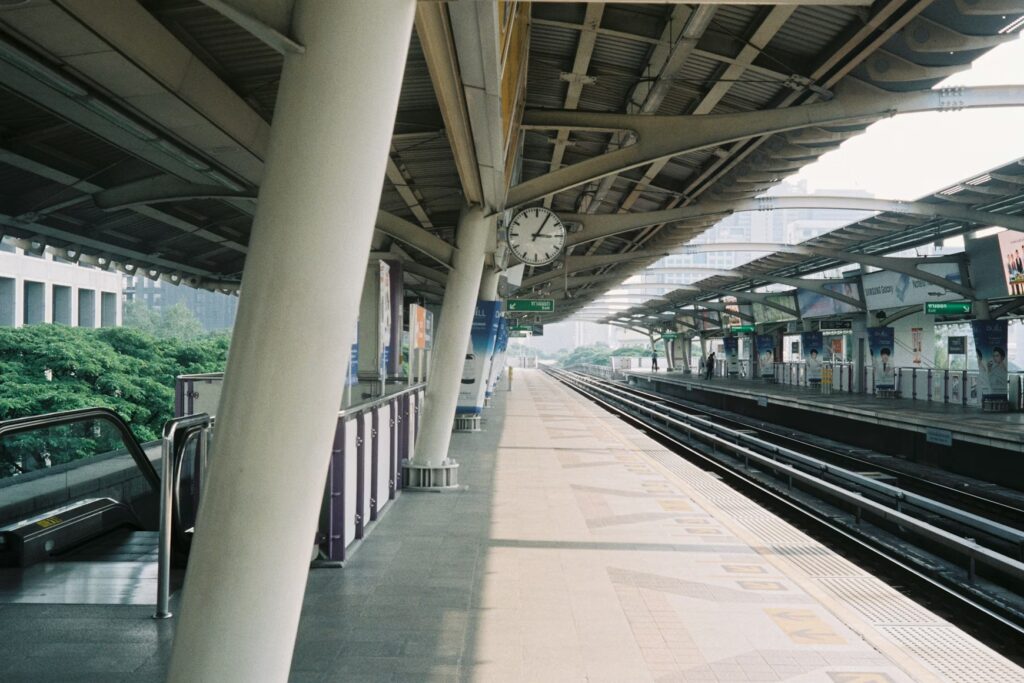
The airport you land in becomes part of that rhythm. Suvarnabhumi operates on a larger scale, with rail connections that link smoothly into central parts of the city. Once you understand the layout, movement becomes predictable, even as the volume of passengers stretches the process.
Don Mueang feels more contained. Arrivals often move faster, baggage appears sooner, and orientation comes quickly. For travelers staying closer to northern or central Bangkok, the distance into the city can feel shorter, even if ground transport behaves a little differently. Neither airport ends up defining the trip. The difference shows up in how gently the city opens after you land.
Familiar patterns with full-service carriers
For travelers leaning toward full-service airlines, Thai Airways often appeals through consistency. Wide-body aircraft are common, with steady service and a familiar cabin environment that compress a long-haul feeling into a shorter route, which can make late arrivals or onward plans feel easier to manage.
On some flights, aircraft may be narrower, while service remains reliable. For premium cabins, lounges ease the airport experience, and the overall flow holds a sense of balance. For a flight of this length, that balance is often enough. The experience forms around timing, aircraft assignment, and terminal flow, with the brand playing a quieter role.
Where budget carriers settle naturally

AirAsia and Batik Air appear often on this route because they match its underlying rhythm. Frequencies are high, fares stay competitive, and the journey remains uncomplicated when everything runs to plan.
Travelers who build some flexibility into their schedules usually move through without friction. Those arriving with tighter timing become more aware of how communication and rebooking unfold when something shifts. The destination stays the same, though the margin for adjustment narrows once you’re already on the ground.
For many people, the decision resolves itself through timing and tolerance rather than features. When price and schedule align cleanly, budget carriers fit the route well. When arrival flow and predictability carry more weight, paying slightly more often feels reasonable.
Seeing the route clearly before booking
Flights from Kuala Lumpur to Bangkok ask for clarity around how you want the first hours in Thailand to feel. The journey rarely drains energy, though it quietly sets the tone for how easily the city meets you. Arrivals that stay steady tend to let the trip breathe from the start. Arrivals shaped by compressed time shift that opening slightly, even when the destination remains unchanged. Once the route is seen this way, the choice usually settles on its own without much effort.
