


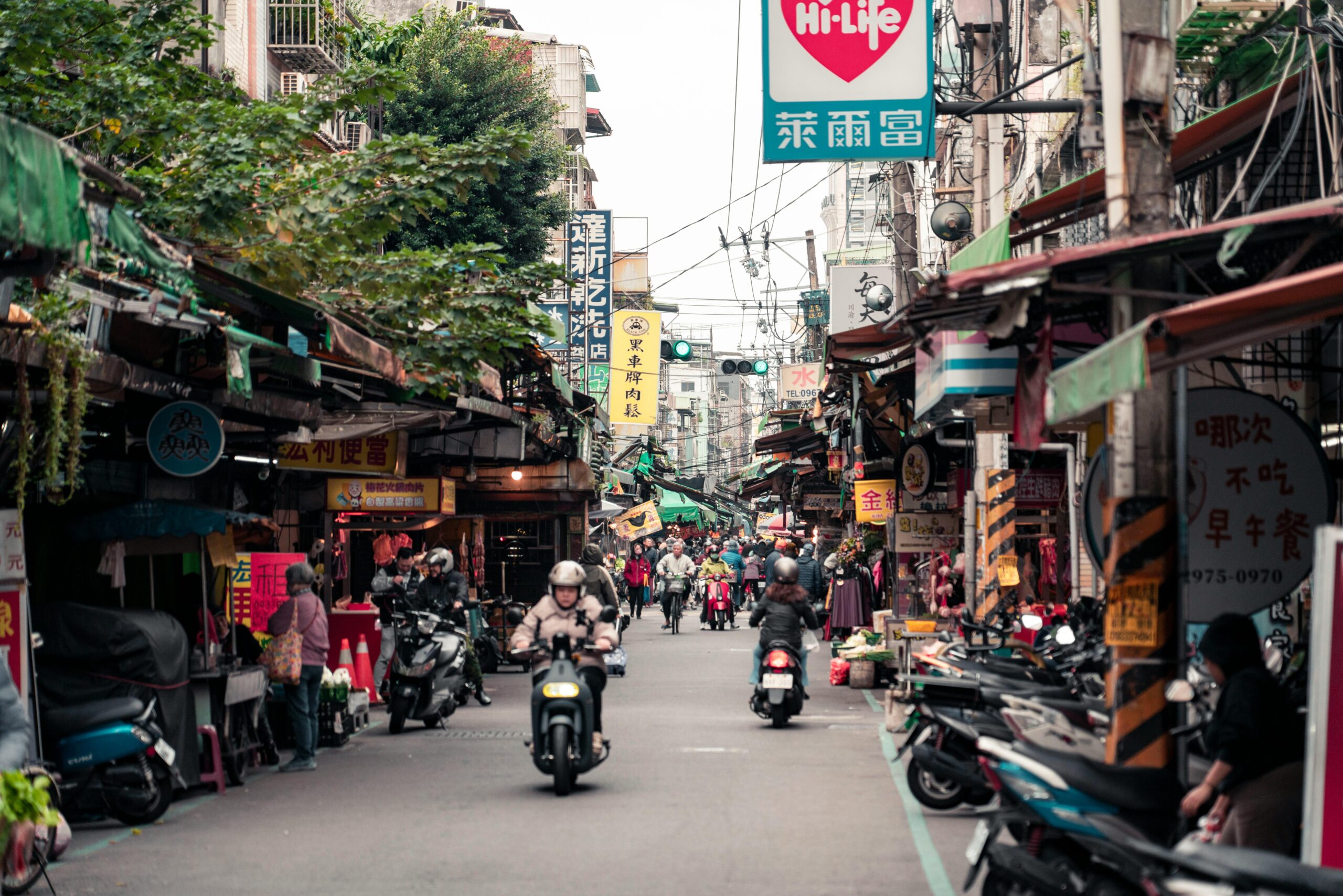
For many travelers, the idea of “traditional China” arrives long before the trip. It shows up through images of tea ceremonies, calligraphy brushes, kung fu courtyards, lantern-lit streets, and shared family meals. These references carry weight because they suggest continuity, depth, and a sense of cultural grounding that feels increasingly rare elsewhere.
Most first-time visitors expect these elements to exist; what catches them off guard is how they appear in practice. Traditional China doesn’t usually announce itself as an experience. It tends to surface in fragments, woven into daily routines, modern schedules, and spaces that were not designed for explanation.
Tradition Rarely Appears as a Single Moment

Most encounters with traditional culture happen indirectly. A market visited in the morning for groceries feels less like a cultural site and more like a working system. Elderly residents move with practiced efficiency, vendors recognize regulars, and the rhythm stays functional. Visitors who pause long enough begin to notice how food, conversation, and habit intersect without needing interpretation.
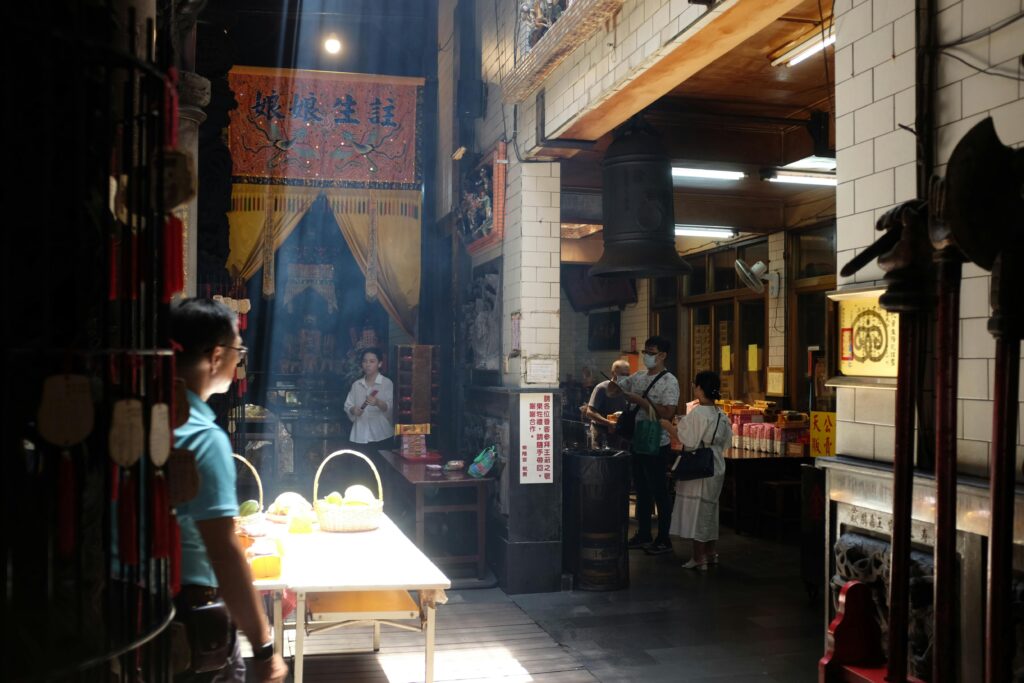
This pattern repeats elsewhere. Tea culture appears gradually, through repeated, ordinary encounters. Calligraphy shows up on shop signs before it appears in a classroom. Martial arts are more often practiced quietly in parks than taught as structured lessons. Tradition remains present, but it rarely slows down to frame itself for newcomers. Travelers who expect a clearly marked “cultural moment” sometimes feel they missed something. Often, the encounter had already been unfolding.
Markets, Meals, and the Pace of Daily Life
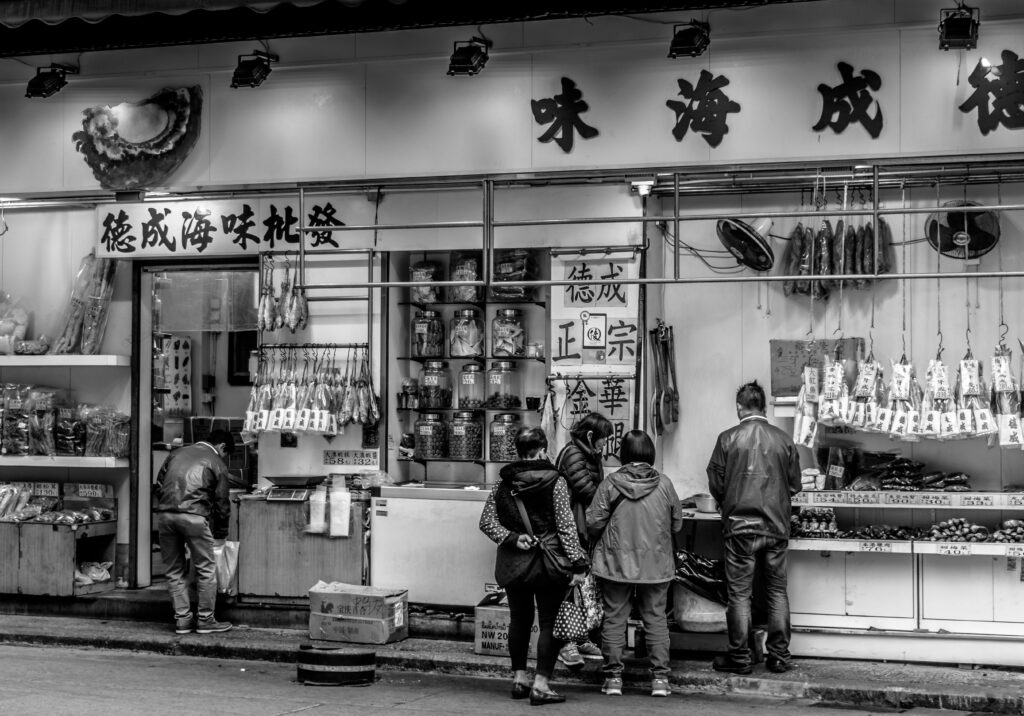
Tradition often feels most present in local markets and neighborhood eateries. They aren’t designed to showcase anything. They continue to serve everyday needs, with seasonal ingredients, regional menus, and cooking methods that persist simply because they work.
These spaces often feel overwhelming at first. Language gaps remain, choices aren’t always explained, and the pace doesn’t slow down to guide you.
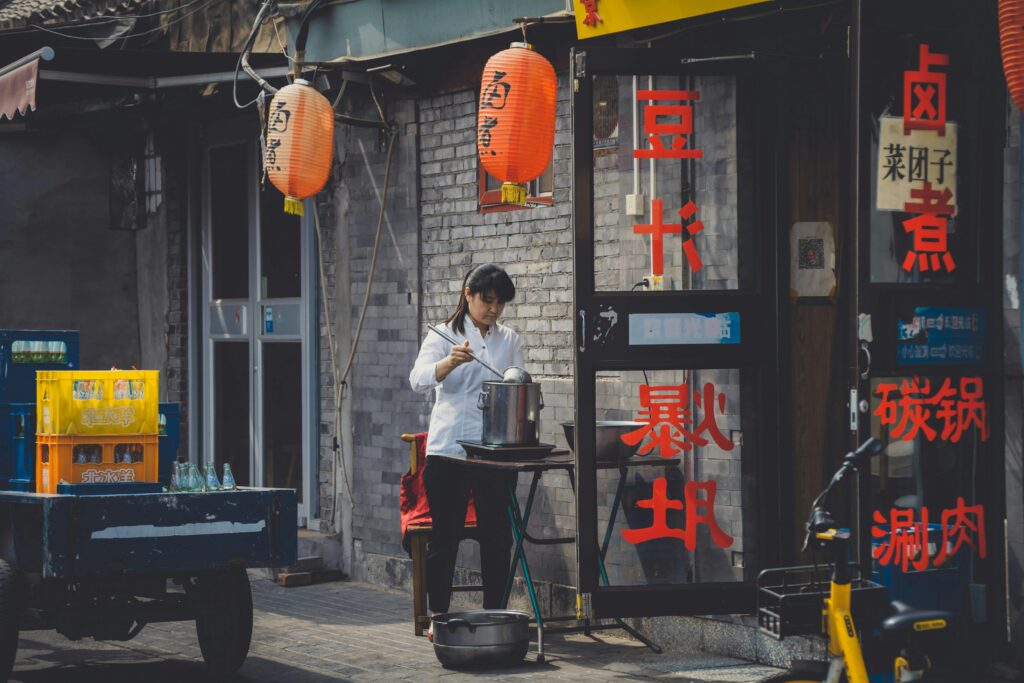
With time, familiarity develops quietly. You start returning to the same stall, ordering the same dish, until it no longer requires thought. Observation gradually turns into participation, without any clear point where the change is marked. For many visitors, this is where cultural understanding begins to settle in, shaped through repetition and familiarity.
Learning Traditions Through Structured Experiences
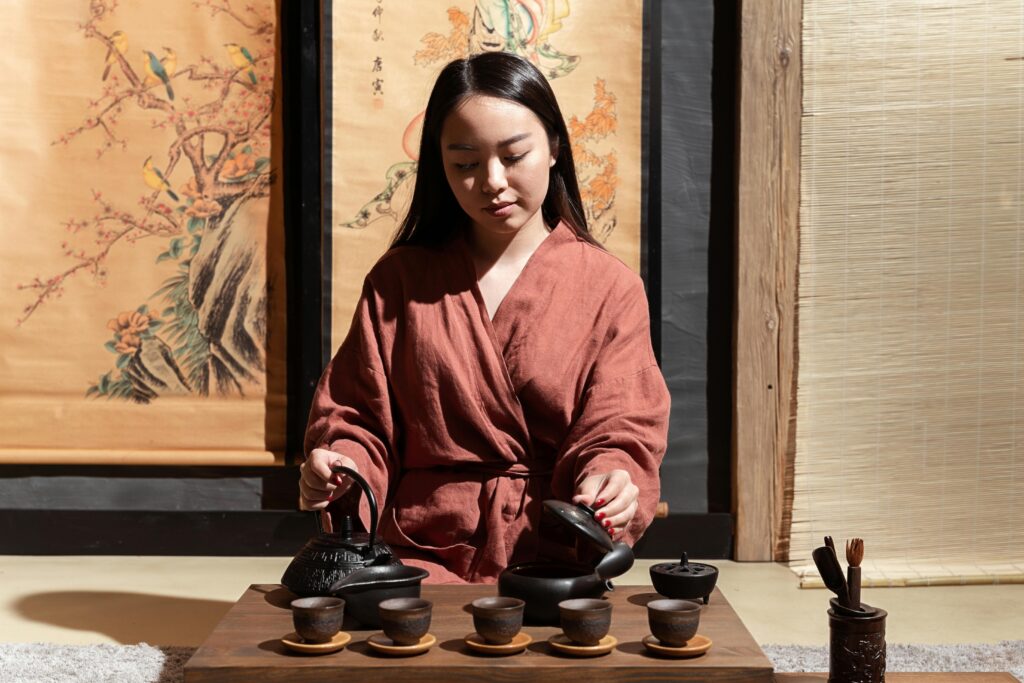
Some travelers look for clearer points of entry. Cooking classes, calligraphy workshops, tai chi sessions, or tea ceremonies offer that pause. They create a moment where things slow down, where explanations surface naturally, and questions have space to be asked. Within a short visit, these settings help tradition feel accessible, without needing to decode everyday life all at once.
The value of these experiences depends largely on expectations. They don’t usually reflect how tradition operates in everyday settings. Instead, they provide a framed perspective. For travelers who appreciate guided environments, this can feel grounding and clarifying. For others, it may feel staged or distant from daily life. The response often reflects how much structure a traveler feels comfortable with.
Performance, Ritual, and Cultural Distance

Cultural performances occupy a similar space. Opera, regional theater, and large-scale outdoor shows preserve artistic forms that are centuries old. They carry visual power and historical continuity, shaped for spectatorship rather than participation.
Some are drawn in by the music, movement, and symbolism. Others struggle to connect without narrative familiarity. The distance reflects how much of traditional culture assumes shared reference points that short-term visitors don’t yet have. Observation becomes more meaningful when it isn’t pushed toward explanation.
Visiting Families and Crossing Social Boundaries

Encounters with local families are often described as the most “authentic” experiences. They can also feel more delicate than expected. Hospitality in China follows its own internal logic. Generosity shows up through abundance, politeness moves indirectly, and conversation rarely unfolds on a visitor’s preferred timeline. Much of what matters is communicated without being stated outright.
For some travelers, these visits feel intimate and grounding. For others, they introduce a quiet uncertainty. Language barriers persist, social cues remain subtle, and the experience asks for attentiveness more than participation. What often lingers is the feeling of being received without needing to perform understanding.
Who These Experiences Tend to Work For

Traditional cultural encounters resonate most with travelers who are comfortable learning gradually. Those who enjoy watching first, repeating patterns, and allowing familiarity to build without explanation often find the experience deepening over time.
Travelers who prefer clarity, immediacy, and defined outcomes sometimes find these encounters less satisfying. The meaning is rarely delivered in a single moment. It accumulates slowly, often after the experience has already passed. That shift often shapes how the rest of the journey unfolds.
Tradition as Environment, Not Attraction

Traditional China exists inside modern China. High-speed trains move through ancient regions. Mobile payments sit alongside centuries-old food practices. Rituals continue amid rapid urban change. The experience feels layered, not preserved.

Visitors who move through tradition as part of the surrounding environment often leave with a steadier understanding. Recognition forms eventually, shaped by repetition, proximity, and time. That process lands differently depending on time, pace, and expectation.
Finding the Experience That Fits
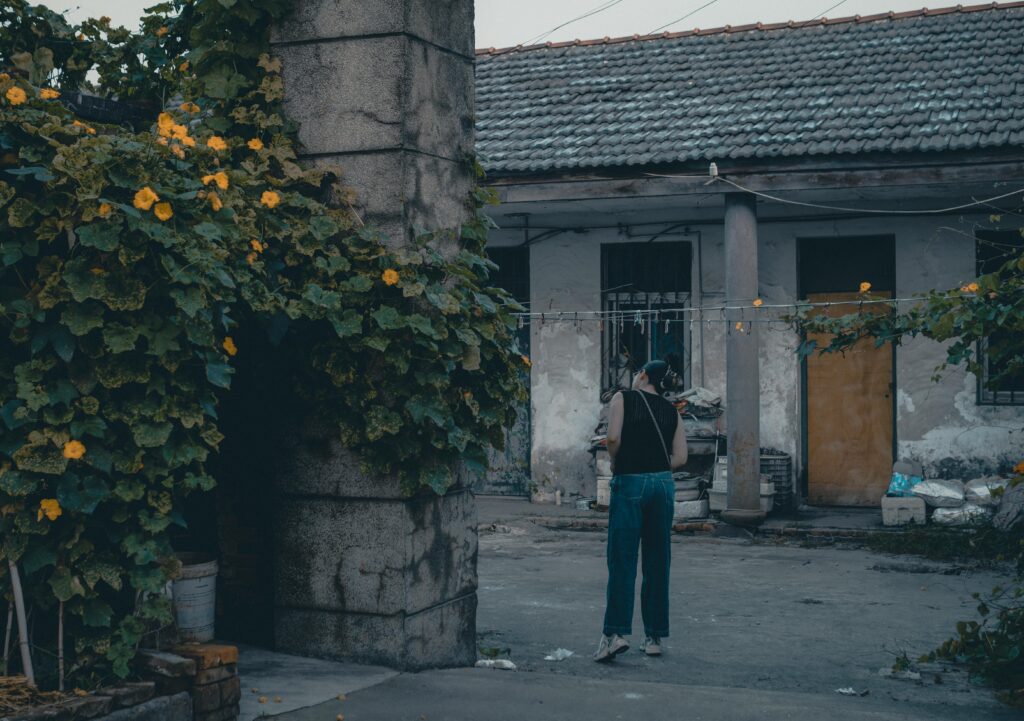
The experiences that linger tend to be those that fit how someone moves through a place. For some, structure helps create orientation. For others, familiarity grows quietly through routine. Over the years, a balance usually finds its own shape. Traditional China becomes clearer through use, presence, and familiarity, especially for travelers willing to move at its pace.
