
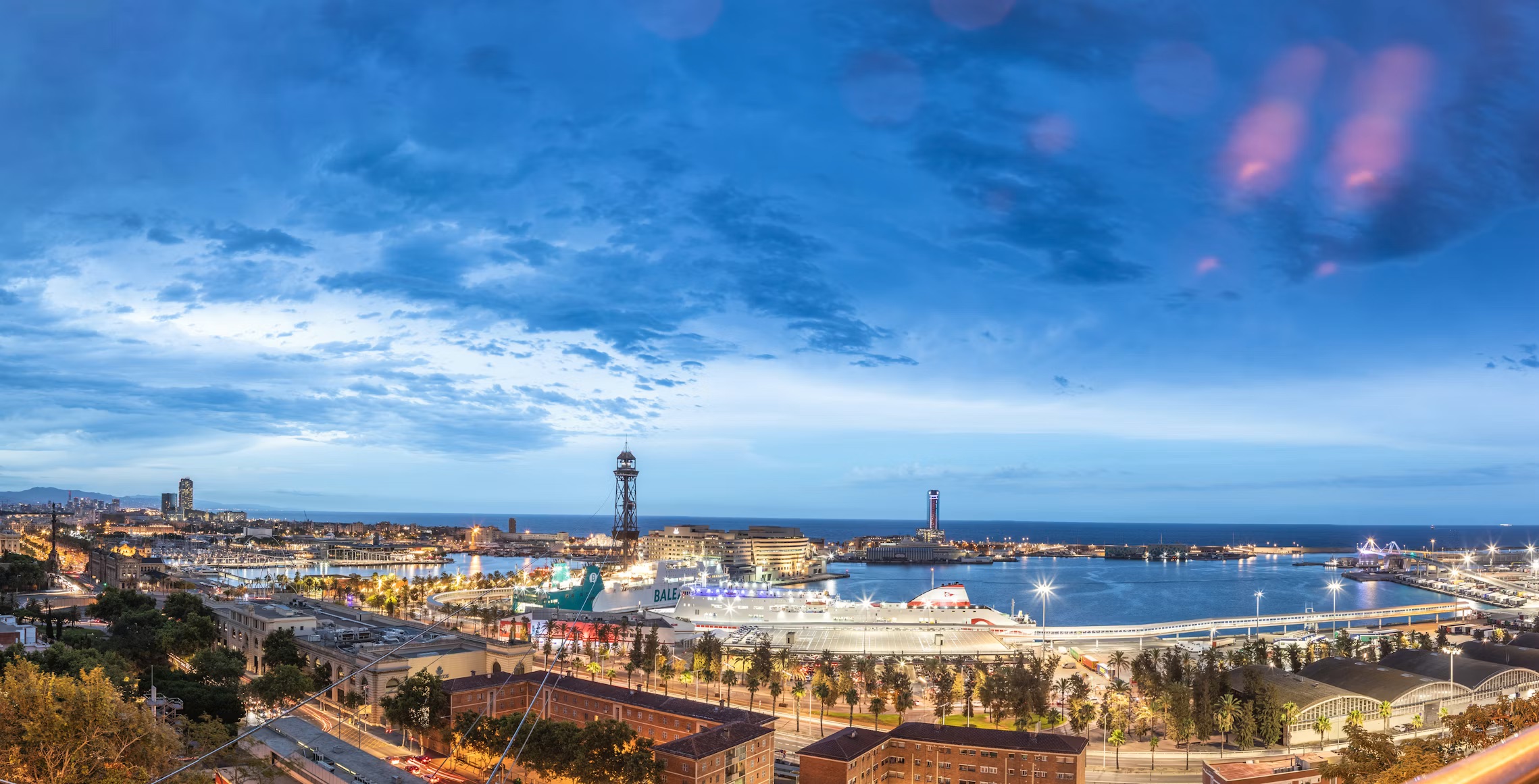
The best time to visit Barcelona in 2026 falls in May and September, with the first half of October a close runner-up. These are the shoulder weeks most people skip on the way to peak summer, and skipping them is the mistake: you still get warm days and a sea that’s warm enough to swim in, plus the biggest festivals on the city’s calendar, minus the shoulder-to-shoulder crowds of July and August.
Those crowds are the whole reason timing matters here. Few cities in Europe feel the strain of overtourism the way Barcelona does, and land in the wrong month and you are up against humid 86°F (30°C) afternoons and tens of thousands of day-trippers spilling off cruise ships all at once. So deciding when to visit Barcelona is really about dodging the days the city is stretched thinnest, not about chasing the hottest sun. And because the coast here runs warmer and stickier than Spain’s dry interior, it pays to read the broader Spain seasonal guide next to this one.
The “Sweet Spot”: Why May and September Reward the Patient
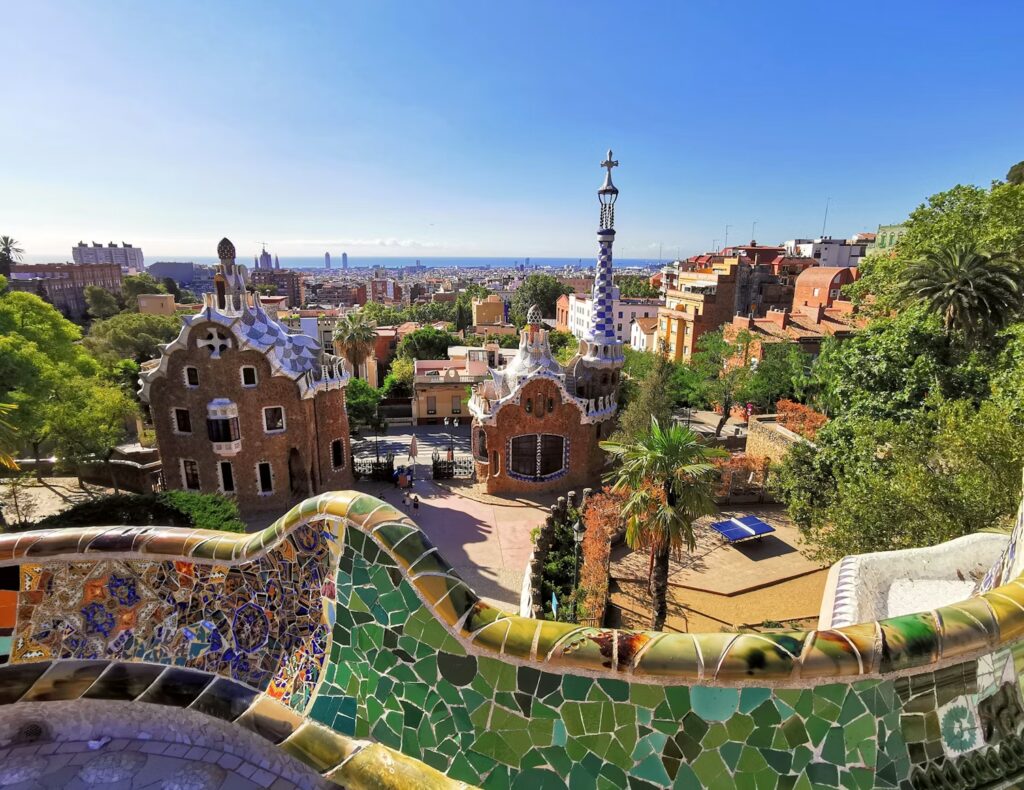
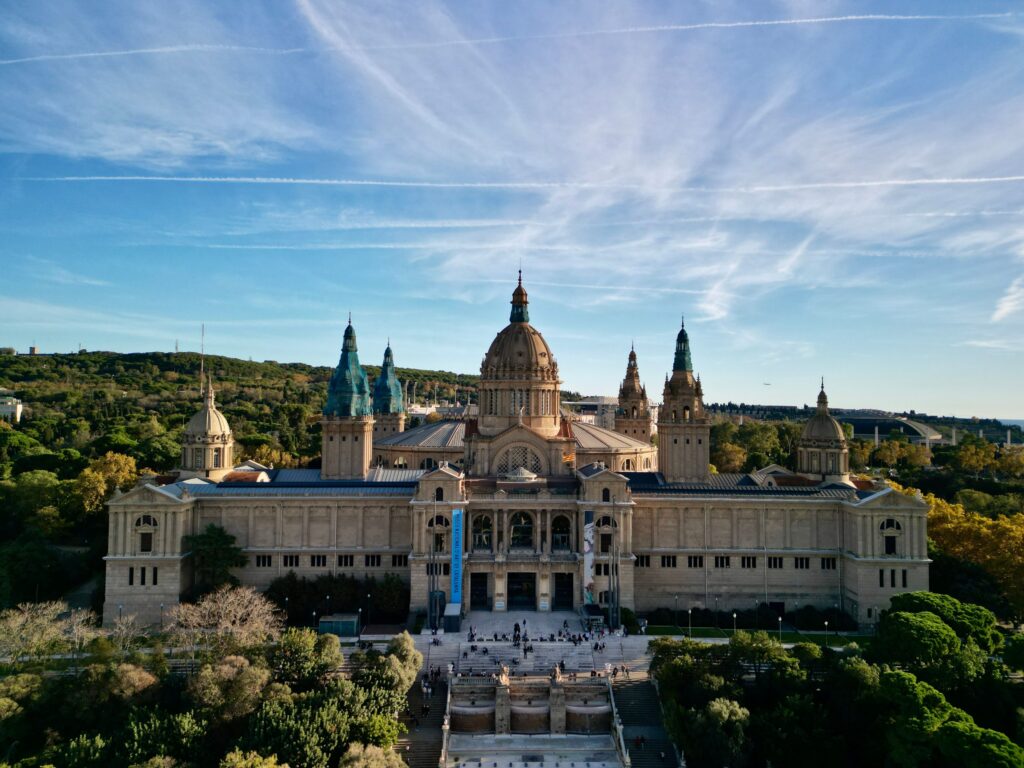
At 72°F to 79°F (22°C to 26°C), May and September sit in the narrow band where the weather is neither cold enough for a heavy coat nor hot enough to leave you soaked walking up to Park Güell or Montjuïc. That alone separates them from the summer months.
The cruise calendar matters just as much. From June through August, the port takes in dozens of large ships a day, funneling huge crowds toward Las Ramblas and the Gothic Quarter. May and September see noticeably fewer calls, and the difference in how the city breathes is immediate.
These months also carry the festivals worth planning a trip around: Primavera Sound, among the largest indie music festivals in the world, in late May, and La Mercè, the city’s grandest celebration, at the end of September, complete with human towers, fire-running devils, and fireworks over the water. September has one more advantage, which is that the Mediterranean has spent all summer warming to around 75°F (24°C), so you can still swim without fighting for a patch of sand.
The 2026 Barcelona Month-by-Month Decision Matrix
2026 estimates reflect publicly listed rates for centrally located 3- to 4-star hotels at the time of writing. Verify directly before booking, since prices swing sharply by event and demand. Temperatures are shown in Fahrenheit, and both weather and rainfall are typical averages rather than guarantees.
Month | Temp High/Low (°F) | Rainfall | Cruise crowds | Avg. hotel/night | Key 2026 event |
|---|---|---|---|---|---|
January | 59 / 43 | Low | Very low | $80–$120 | Three Kings Parade |
February | 59 / 45 | Low | Low | $90–$130 | Santa Eulàlia |
March | 63 / 48 | Moderate | Moderate | $110–$160 | Barcelona Marathon |
April | 66 / 52 | Moderate | Moderate to high | $150–$220 | Sant Jordi |
May | 72 / 57 | Moderate | Sweet spot | $180–$260 | Primavera Sound |
June | 79 / 64 | Low | Peak begins | $240–$350 | Sant Joan |
July | 84 / 70 | Very low | Very high | $280–$400+ | Pride, Cruïlla |
August | 86 / 72 | Low | Very high | $280–$400+ | Festa Major de Gràcia |
September | 79 / 64 | Moderate | Sweet spot | $200–$300 | La Mercè |
October | 72 / 57 | Highest | Moderate | $140–$200 | Open House Barcelona |
November | 64 / 48 | Moderate | Low | $100–$140 | Jazz Festival |
December | 59 / 43 | Low | Low to moderate | $120–$180 | Fira de Santa Llúcia |
The Other Extremes: High Season vs. Low Season
High Season (June to August): Hot, Humid, and Expensive
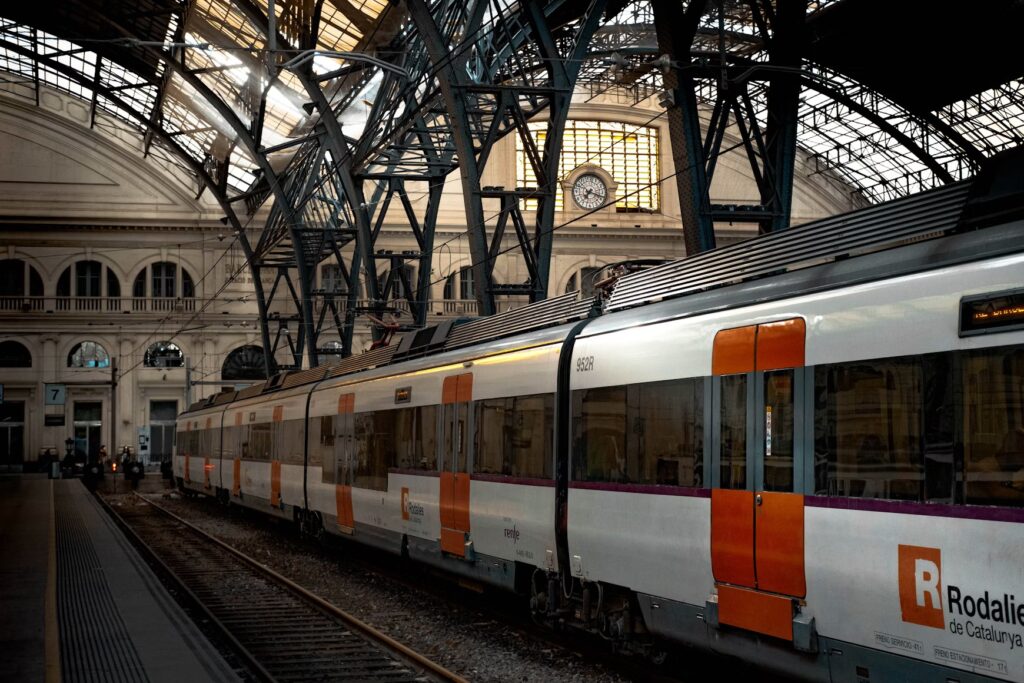
Summer is when Barcelona is least comfortable and most expensive. Temperatures push past 86°F (30°C), the humidity makes it feel worse, and hotel rates roughly double their shoulder-season level. It is also when pickpocketing peaks, particularly around the metro and the beaches. If summer is your only option and the water is the draw, resist the packed sand at Barceloneta and take a short train ride out of the city instead, which is covered in a guide to the best beaches near Barcelona and a companion piece on reaching them by train.
Low Season (November to March): Quiet and Affordable
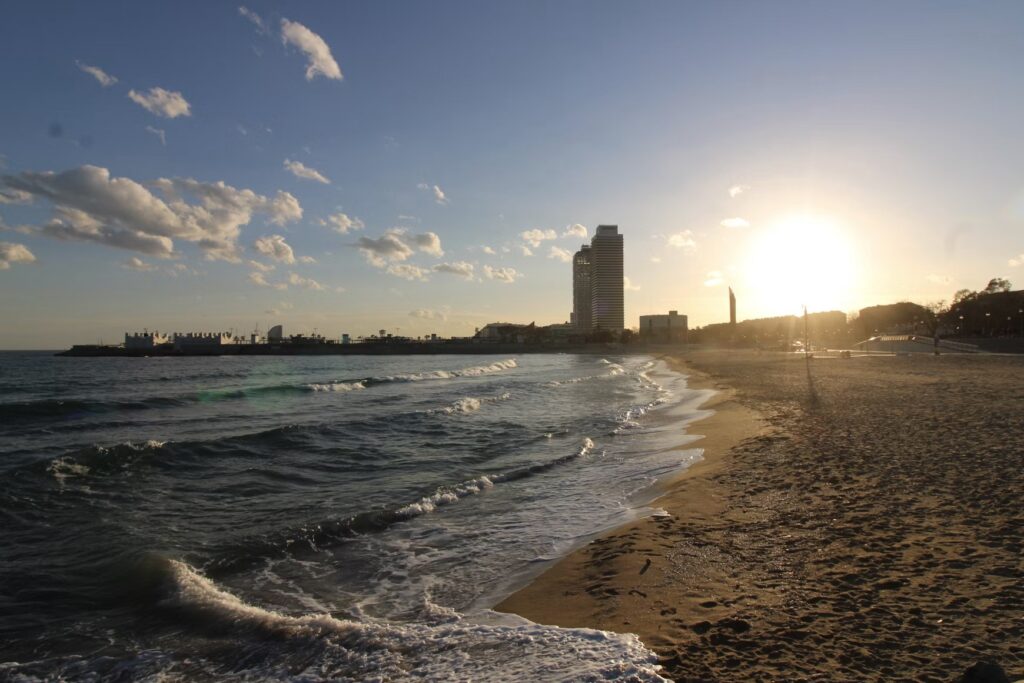
The cold months trade beach weather for space and value. Central hotels often fall below $100 a night, and while daytime highs sit around 45°F to 55°F (7°C to 13°C), the sun still shows up regularly. For travelers focused on museums, Gaudí’s architecture, and eating at local prices rather than tourist ones, winter is an underrated choice.
Barcelona Month-by-Month: The Complete 2026 Guide
For travelers who want to fine-tune exactly when to visit Barcelona, here is how the year unfolds month by month, with the weather, crowds, and events that should shape your dates.
Barcelona in January
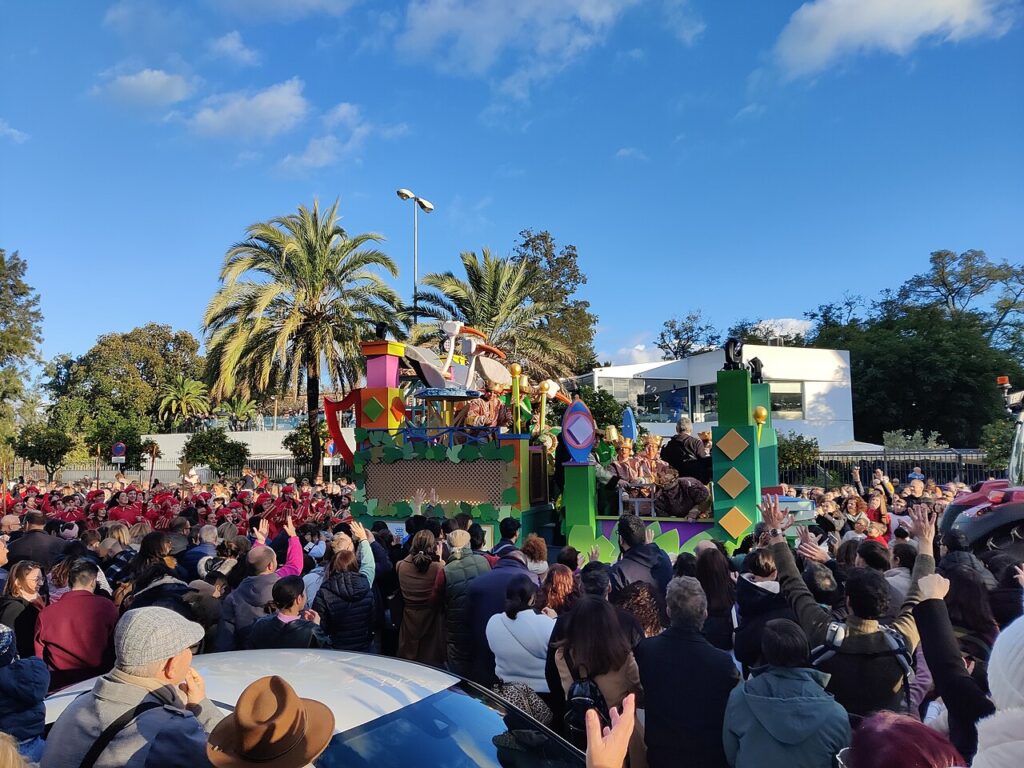
January is the quietest, coldest stretch of the year, with lows around 43°F (6°C) and short lines at attractions that spend the summer overwhelmed. It also reveals a very Spanish detail: children here traditionally receive their gifts not on December 25 but on the morning after the Three Kings Parade of January 5, when the Magi ride through the city tossing sweets to the crowds. The season brings calçotada too, the beloved winter ritual of grilling long calçot onions and eating them with romesco sauce, often on a day trip into the countryside. For anyone watching costs, this is the best-value window of the year, with central 4-star rooms occasionally slipping under $100 a night.
Barcelona in February
February stays cool, with daytime highs near 59°F (15°C), and the crowds are light enough that the city feels like it belongs to its residents again. The big date is Santa Eulàlia in mid-February, a warm, family-oriented festival for one of Barcelona’s patron saints, full of human towers, parading giants, and fire runs, followed soon after by a boisterous Carnival before Lent. A packable jacket handles the evenings, and hotel rates sit close to their winter floor.
Barcelona in March
By March the city is visibly waking up: highs climb toward 63°F (17°C), the daylight stretches later, and café terraces start filling again. The Barcelona Marathon in mid-month sends runners from around the world through the heart of the city, while the Gràcia neighborhood celebrates Sant Medir with riders on horseback flinging candy into the streets, one of the odder and more joyful traditions on the calendar.
Barcelona in April
April is warm and green, in the mid-60s°F (around 19°C), though Easter draws the first real surge of visitors. Its highlight is Sant Jordi on April 23, when La Rambla and half the city’s sidewalks turn into stalls of books and roses; by custom people exchange one of each, and the day proved romantic enough to help inspire what UNESCO later made World Book Day. Prices jump sharply around Semana Santa, so if your trip lands near Holy Week, reserve rooms 3 to 4 months out.
Barcelona in May
May is the year’s first genuine sweet spot, sitting at a comfortable 72°F (22°C) under mostly clear skies, with both the heat and the summer crowds still a few weeks off. It opens the festival season with Primavera Sound, one of Europe’s defining music weekends, and the nearby Circuit de Barcelona-Catalunya has long staged a Formula 1 race around this time, though its spot on the 2026 calendar is worth confirming before you plan around it. This is the month when eating and drinking move back outdoors for good.
Barcelona in June
Summer settles in at 79°F (26°C), and the shift shows as much in the crowds as the thermometer, with the first wave of mega cruises packing the narrow lanes of the Gothic Quarter. The centerpiece is the night of Sant Joan on June 23, effectively the city’s welcome to summer, when bonfires, firecrackers, cava, and slabs of sweet coca bread take over the beaches until sunrise. If the water is what you are after, it is worth trading crowded Barceloneta for a short train ride to a calmer stretch of coast.
Barcelona in July
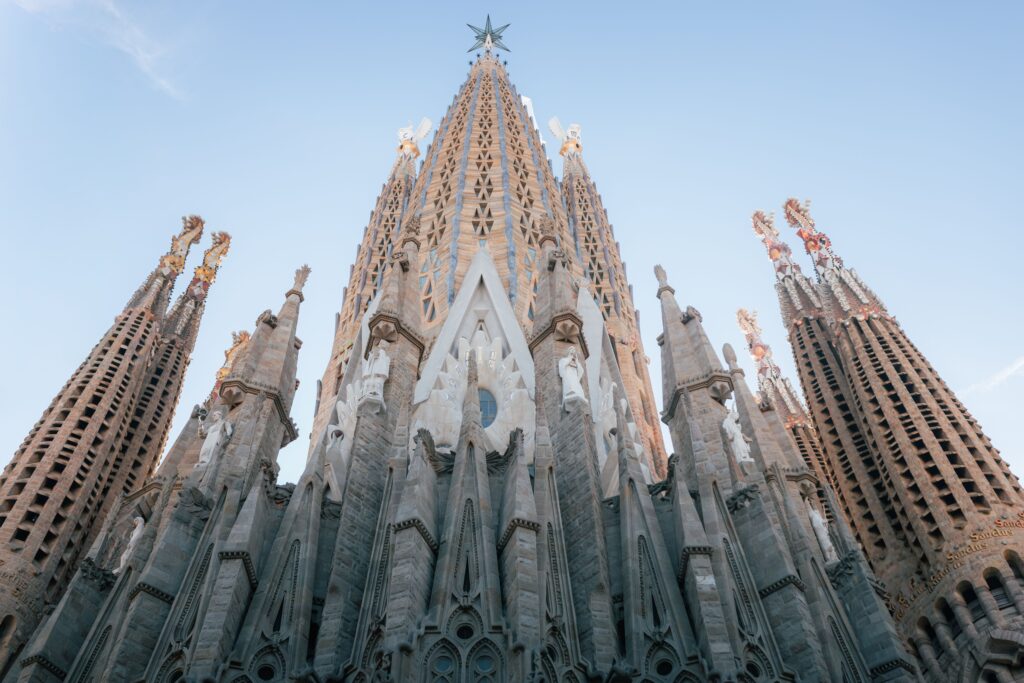
July runs hot, humid, and busy at full tilt, with highs past 84°F (29°C) and little relief in the old city’s stone streets. Alongside Barcelona Pride and the Cruïlla music festival, the Grec summer arts festival stages theater, dance, and concerts in an open-air amphitheater on Montjuïc, which is one of the more pleasant ways to spend a warm evening. Skip-the-line tickets for the Sagrada Família and Park Güell are close to mandatory now, both to save hours and to stay out of the midday sun, and 2026 adds a reason to look up: the basilica is expected to top out its central tower and become the tallest church in the world.
Barcelona in August
August is the peak of the heat at 86°F (30°C) and the peak of the pickpocketing that travels with the crowds. It still holds real charm in the Festa Major de Gràcia in mid-month, when residents spend weeks turning their streets into elaborate themed scenes and compete for the best one. The catch is that many family-run restaurants simply close for the month, hanging a “tancat per vacances” sign and heading for the coast, so expect some of the places on your list to be dark.
Barcelona in September
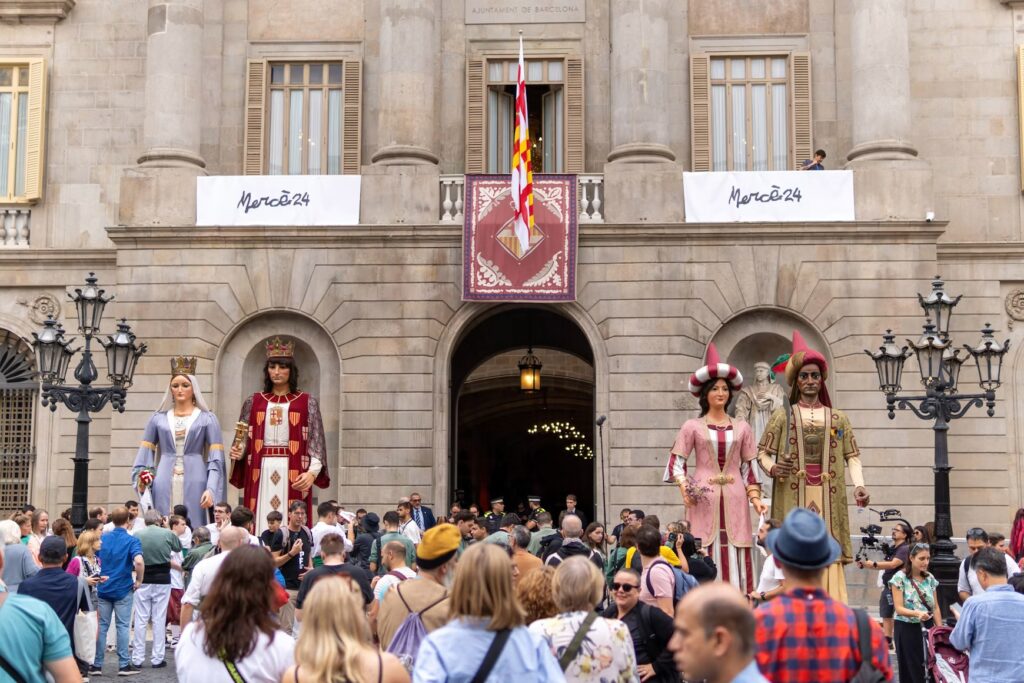
September is the second sweet spot, and for many the better of the pair: the weather holds at 79°F (26°C), cruise traffic begins to thin, and the sea is at its warmest after a full summer of sun. The month is crowned by La Mercè around September 24, the city’s largest celebration, with towering castells, fire-breathing correfocs, and a closing show that sets fireworks to music. One date to note is September 11, the Diada, Catalonia’s national day, which brings large, peaceful demonstrations and some closures worth planning around.
Barcelona in October
October cools to a pleasant 72°F (22°C) but is, on balance, the wettest month of the year. Its standout event is Open House Barcelona, a single weekend when dozens of architectural landmarks normally closed to the public open their doors for free, a rare chance to see the insides of buildings you would otherwise only admire from the street. Pack an umbrella and keep a couple of museums in reserve for the afternoons the rain settles in.
Barcelona in November
November brings the first real chill at 64°F (18°C), and with it a quieter city and softening prices. The Voll-Damm Jazz Festival runs all month in venues large and small, and around All Saints’ Day locals mark La Castanyada with roasted chestnuts and small marzipan sweets called panellets sold on street corners. It is an easy, low-key month in which to have restaurants and sights largely to yourself.
Barcelona in December
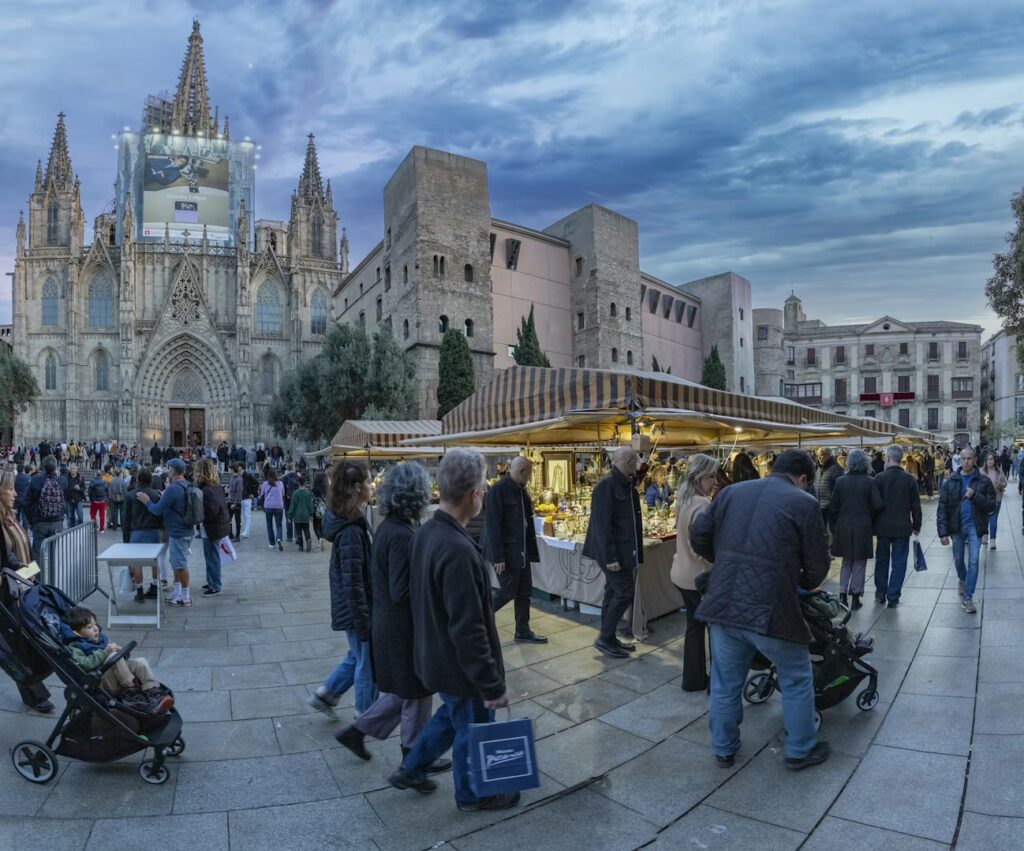
December is cold at 59°F (15°C) but frequently dry and bright, and the weeks before Christmas fill the center with markets and lights. The Fira de Santa Llúcia sets up beside the cathedral, best known for a pair of very Catalan figures: the caganer, a cheeky squatting figurine tucked into nativity scenes, and the Tió de Nadal, a smiling log that children “feed” for days and then coax into delivering gifts. It is a good month to time an evening stroll through the old town while the decorations are up.
Crucial Local Insights: Avoiding the Tourist Traps
Barcelona rewards a little local knowledge, and a few habits separate a smooth trip from a frustrating one:
- Plan around the cruise wave. As the busiest cruise port in Europe, Barcelona can host several mega ships on a single summer morning, and the port publishes its arrival schedule in advance. When 3 or 4 giants are docked, steer clear of the Gothic Quarter and Park Güell between 10 a.m. and 3 p.m. The city has begun reducing and relocating its terminals to ease this pressure, though the effect will take years to show.
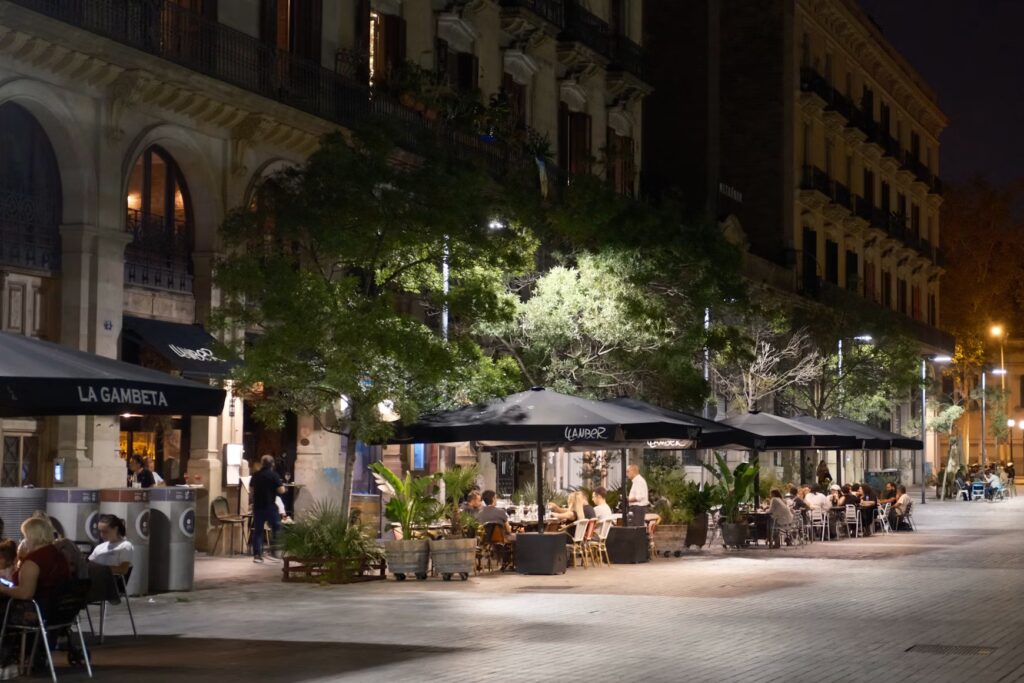
- Learn the local eating clock. Barcelonans rarely eat lunch before 2 p.m. or dinner before 9 p.m., so any restaurant pushing dinner at 6 or 7 p.m. is usually a tourist trap with high prices and low quality. At midday, look for a Menú del Día, a fixed lunch menu that often runs $15 to $20 and is how locals eat well without overspending.
- Take pickpocketing seriously, not fearfully. It is a persistent problem, worst in July and August around metro stations, Las Ramblas, and the beaches. Wear a backpack on your front, and never leave a phone sitting on an outdoor table.
- Check the accommodation rules before booking. Barcelona has moved to phase out its roughly 10,000 short-term tourist-apartment licenses by 2028, so the pool of legal short-term rentals is shrinking. Book verified accommodation, and expect hotels to carry more of the load as the change takes hold.
In the hotter months especially, a train trip to the coast is the simplest way to escape the heat, laid out in a dedicated guide to reaching the beaches near Barcelona by train.
Frequently Asked Questions
What is the cheapest month to go to Barcelona?
January, February, and November are the least expensive, when hotels cut rates across the board and central 4-star rooms can sometimes be found under $120 a night.
Is August a good time to visit Barcelona?
Not really. Despite some appealing neighborhood festivals, temperatures reach 86°F (30°C) with high humidity, crowds are at their densest, and many local restaurants close for the month, which makes getting around and eating well harder than usual.
What is the rainiest month in Barcelona?
October usually records the most rainfall of the year, with more wet days than the drier summer months. If you travel then, pack an umbrella and a light waterproof layer.
What are the best months to visit Barcelona?
May and September are the standouts. Both offer warm but not oppressive weather, a sea still warm enough to swim, and major festivals, all without the peak-summer cruise crowds.
Conclusion
Barcelona isn’t a city to wing. Check the calendar before you book, and if both the budget and the weather have to work, aim for the sweet spot of May or September. That is when warm days, a swimmable Mediterranean, and festivals like Primavera Sound and La Mercè all line up, and the cruise crowds that clog the streets in July and August have not shown up yet. Set against the heat and the prices of high summer, or the grey quiet of winter, that shoulder window is what makes the best time to visit Barcelona feel like a different city altogether. Leave an afternoon for the coast, and take the train out to the quieter Catalan shore the way locals do.