
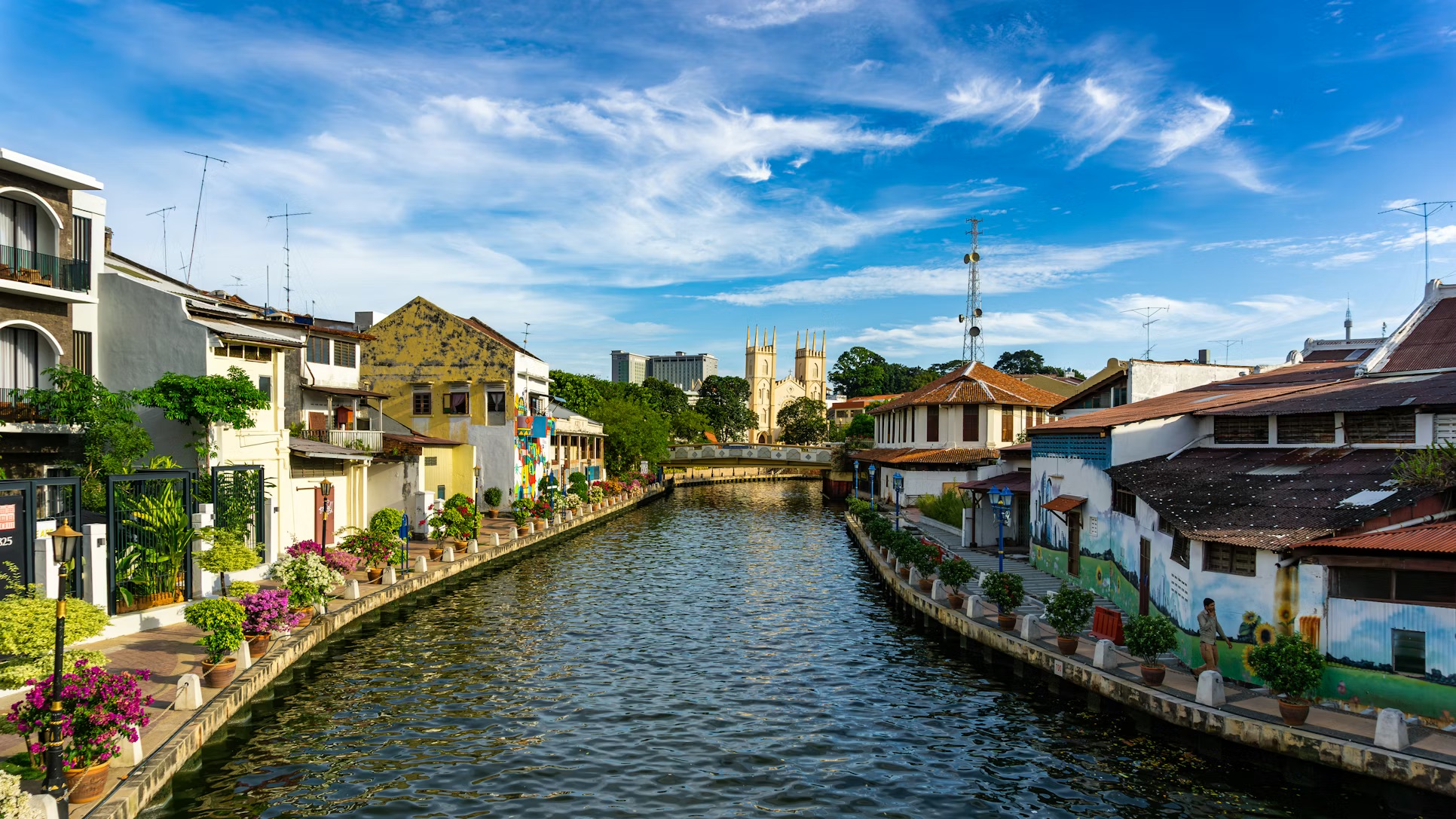
For many travelers visiting Malaysia for the first time, the country arrives without the sense of immediacy they were prepared for, especially after reading about Southeast Asia through stories of intensity, motion, and constant sensory input. Airports move smoothly, streets hold their volume low, and the first days pass without friction, creating a feeling that the trip hasn’t fully begun yet, even as movement continues without interruption.
This quiet often registers as absence before it registers as structure or intention. Without noise to respond to or chaos to manage, attention drifts, and the country can feel restrained rather than expressive, revealing very little at first glance while continuing to function steadily underneath.
When Nothing Demands a Reaction
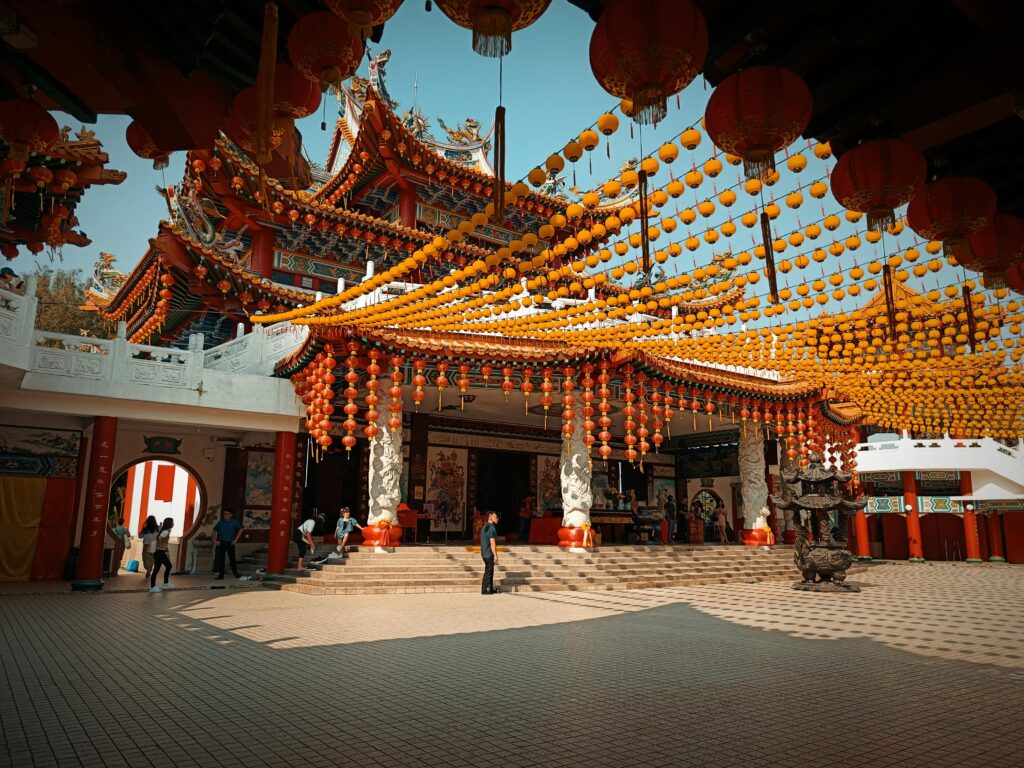
Early days in Malaysia move smoothly, with orientation and communication falling into place almost on their own. The day moves forward without resistance, and the lack of urgency can feel disorienting for travelers who expected sharper edges or more visible challenges.

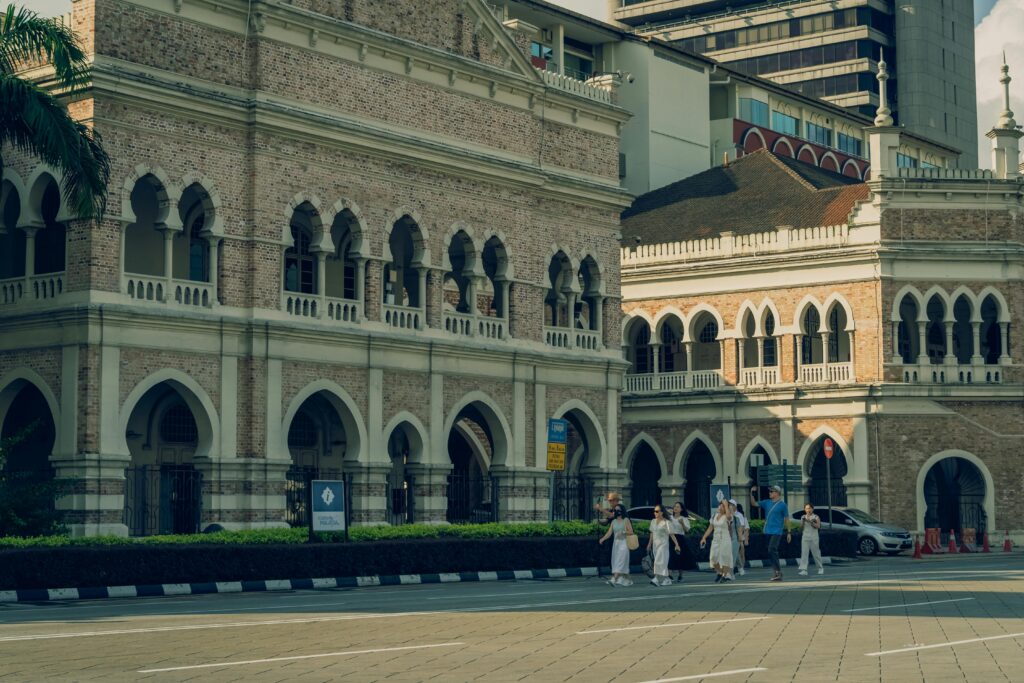
Without pressure to react, the experience stays flat at first. There is space to move, to observe, to settle, though that space can feel empty until repetition begins to give it form. What feels quiet in the beginning often reflects how smoothly things are already moving.
Cities That Absorb Energy Inward

In urban areas, activity continues constantly, though much of it stays contained. Movement flows through malls, transit systems, and indoor spaces, reducing the outward energy that defines many other Southeast Asian cities. Streets function efficiently, carrying movement forward as crowds spread naturally through spaces designed to absorb them. This inward orientation shapes the feel of the city, with life appearing gradually as routine settles and repetition begins to leave clearer marks.

Cultural Presence That Reveals Itself Gradually

Malaysia’s cultural complexity lives in daily movement, carried by communities moving alongside one another with ease. Religious rhythms influence timing, behavior, and atmosphere quietly, forming a backdrop that becomes clearer only through observation.
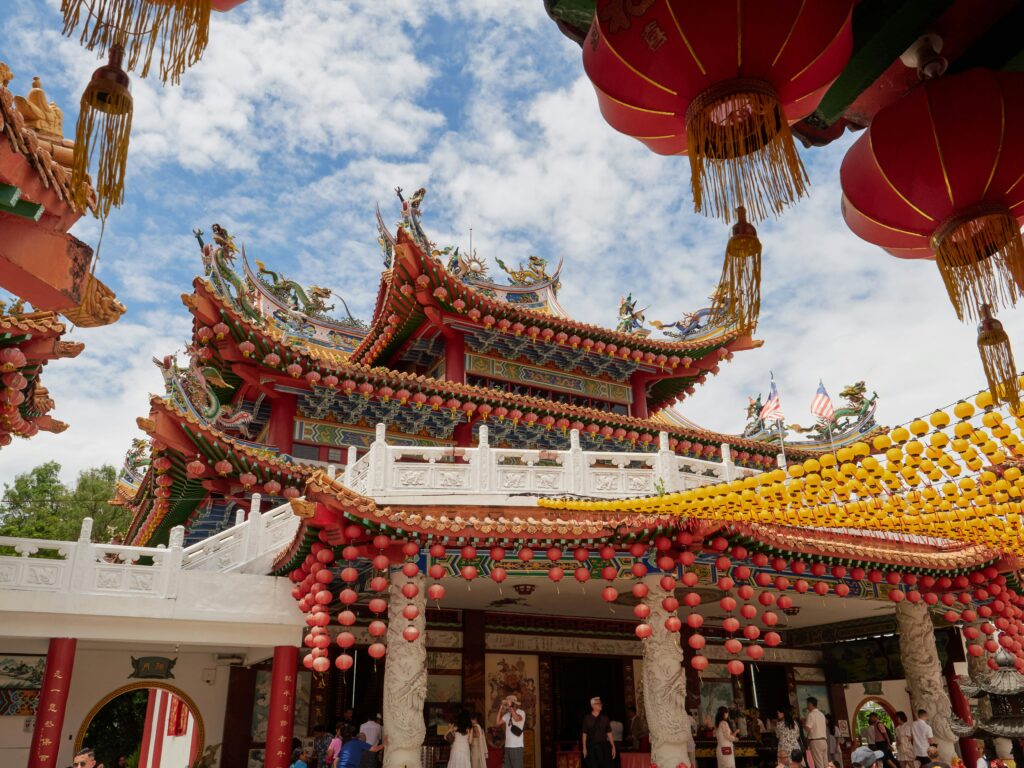
These layers surface gradually. Small shifts in food, dress, and public behavior begin to register over time, gathering meaning through repetition. Understanding forms through that accumulation, and the quiet settles into something that feels deliberate.

Landscapes That Ask for Time
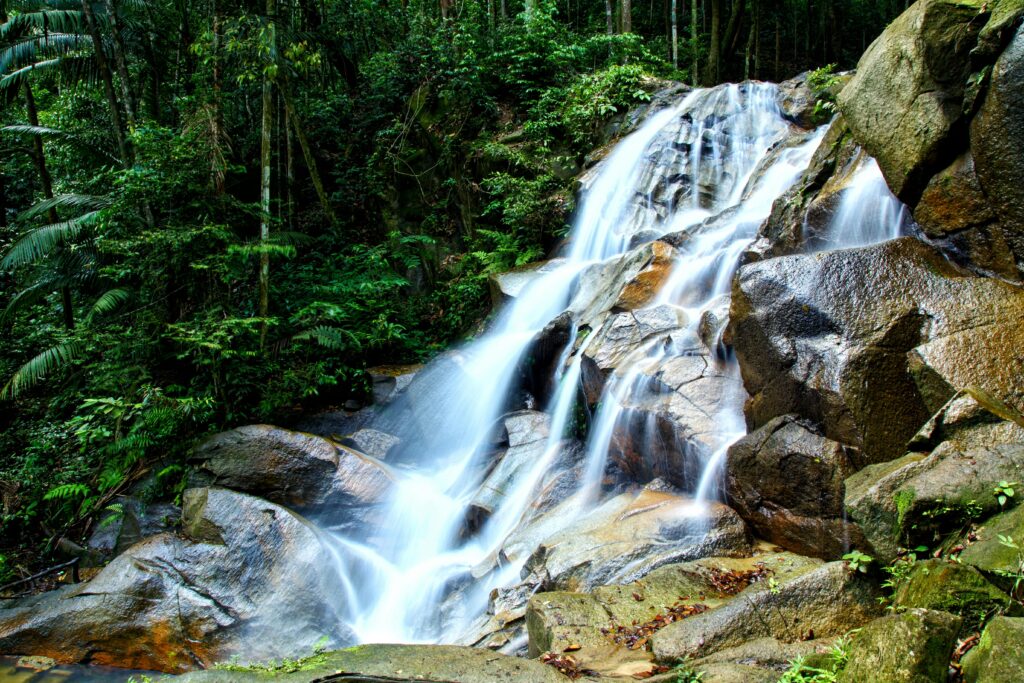

Outside the cities, the same pattern continues. Nature settles into the background, with rainforests carrying a sense of density and coastlines stretching calmly across the day. Islands settle into stillness, especially beyond peak travel periods, and the experience deepens as movement slows. The landscape becomes present as time stretches and movement slows, allowing the environment to take shape on its own.
Why the First Impression Often Lags

For many first-time visitors, Malaysia reveals itself through continuity. Days connect smoothly, transitions remain manageable, and the country holds its shape as time is allowed to pass. The country holds its shape without asking to be noticed right away, especially by first-time visitors.

What feels quiet at first often reflects a mismatch between expectation and rhythm. As familiarity grows, the quiet begins to feel stable, then grounding, and eventually deliberate, revealing a country that becomes clearer once attention adjusts.
Related Articles
- Discover Malaysia: Sustainable Tourism from Bustling Cities to Lush Nature
- Best Time to Visit Malaysia: How Timing Shapes the Way You Move
- Off the Beaten Path in Malaysia: Hidden Gems and Underrated Destinations for a Peaceful Getaway
- Where to Stay in Kuala Lumpur: Hotels That Master Vertical Living and Urban Containment