
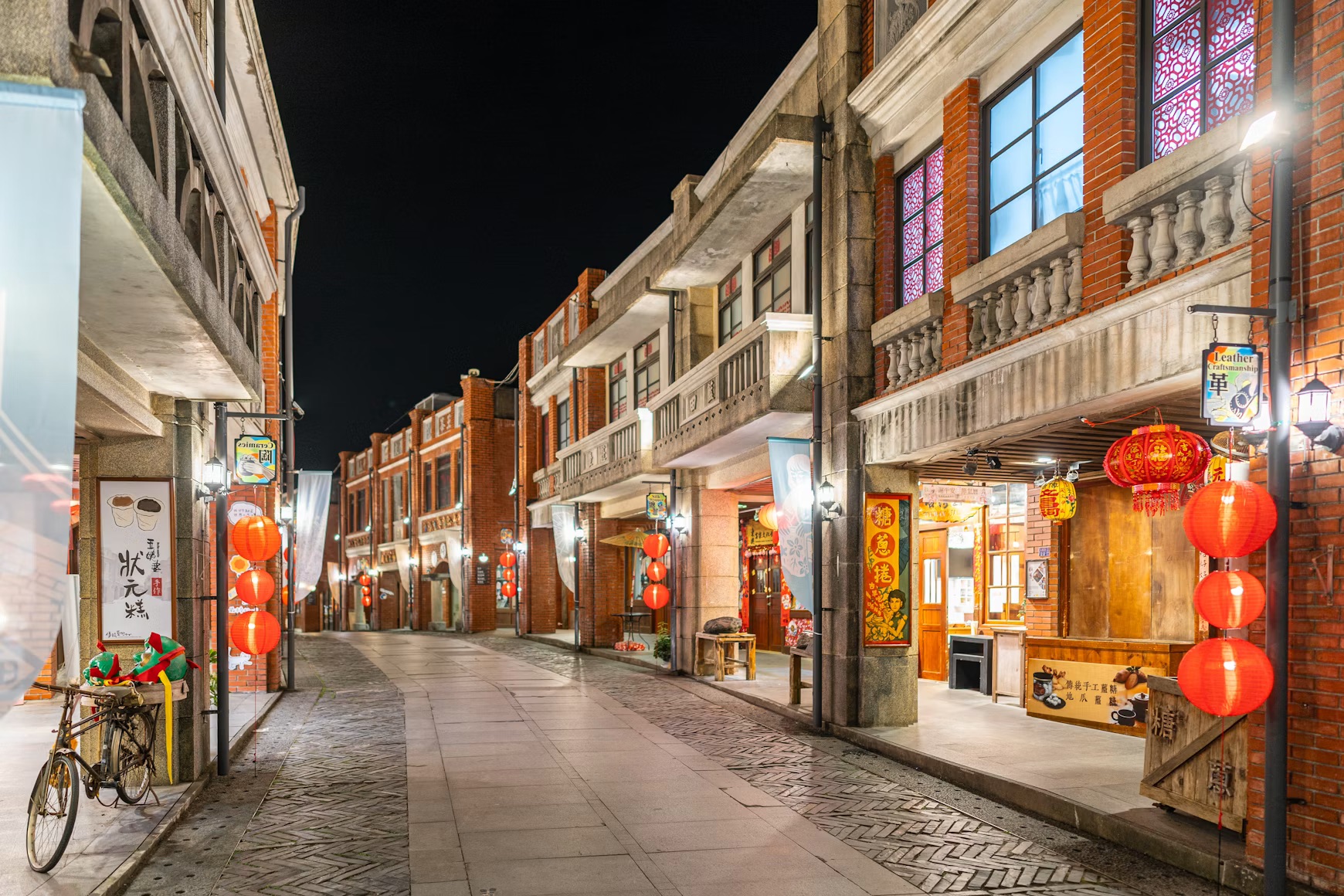
For many travelers visiting Taiwan for the first time, the country leaves a calm first impression, shaped by days that move smoothly and predictably, where transport works as expected and daily logistics settle quickly into place. Life feels orderly, streets feel readable, and the country presents itself without urgency, allowing the first days to pass quietly as everything functions without asking much from the visitor. The experience feels complete on the surface, even as it hasn’t fully gathered momentum yet. What changes with time is how the days begin to connect once familiarity starts to take hold.
How the First Days Begin to Link Together

At the beginning of a trip, Taiwan often feels easy to move through. Routes remain clear, distances stay manageable, and decisions arrive without friction, allowing attention to remain light as the day unfolds. Without pressure to react or adjust, the experience stays largely observational, carried forward by convenience rather than engagement.

As days repeat, small routines begin to form naturally. Familiar routes replace constant navigation. Meals return to known places. With fewer decisions pulling attention outward, awareness shifts quietly toward the rhythm of the day itself, and movement begins to feel more continuous.
When Cities Start to Feel Lived In
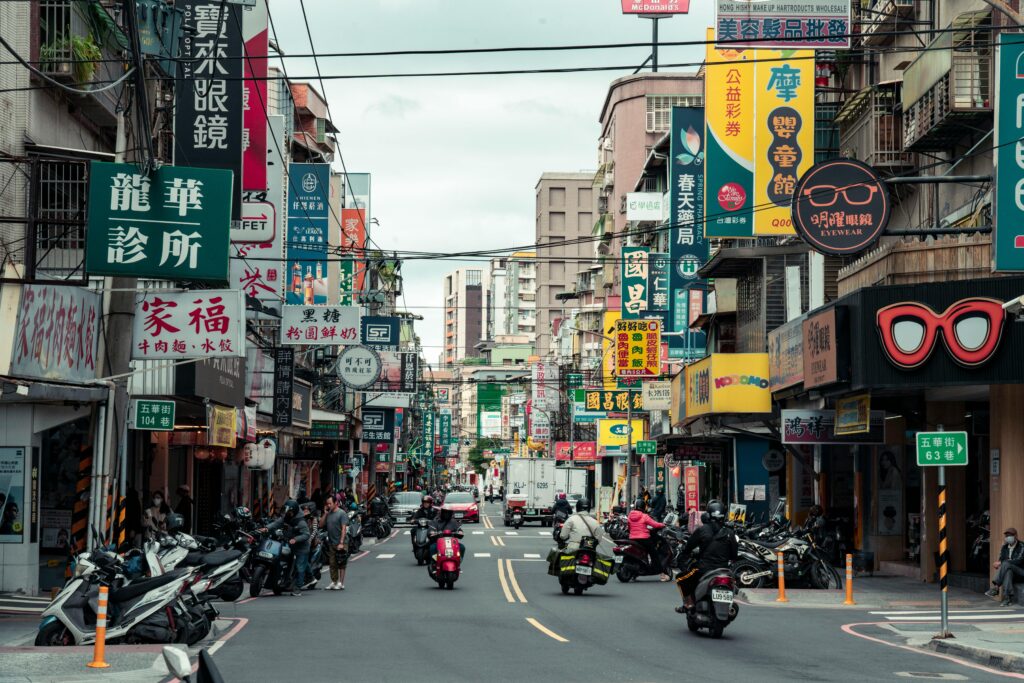
Urban spaces in Taiwan reveal themselves through repetition. In cities like Taipei, presence forms gradually as daily movement passes through the same places at different hours. Neighborhoods settle into recognizable patterns, streets shift subtly between weekdays and weekends, and familiarity grows without drawing attention to itself.
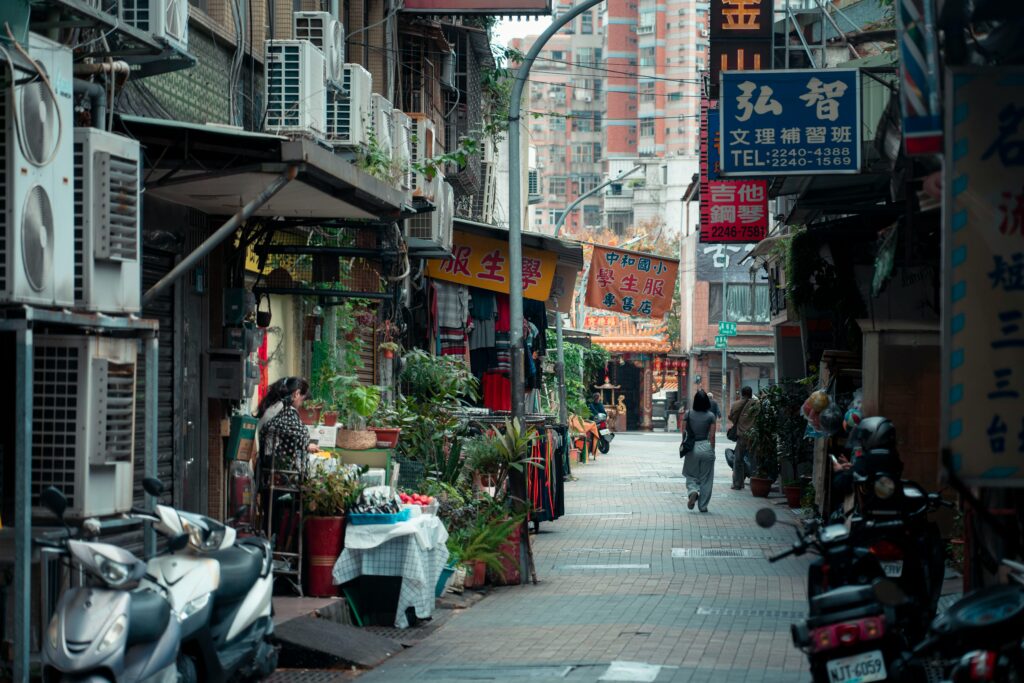
What initially appeared neutral begins to gain texture as these patterns accumulate. The city remains efficient and controlled, while the sense of distance between visitor and daily life gradually narrows through routine rather than discovery alone.
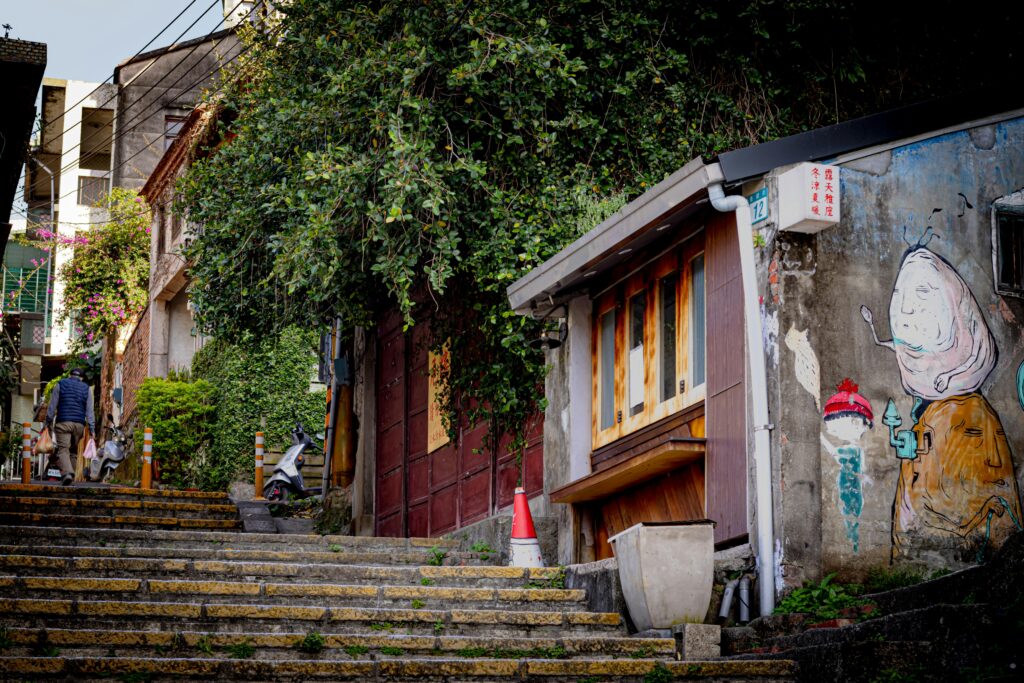
Comfort Settling Into the Background

In Taiwan, comfort stays largely in the background, shaped by dependable systems and measured social interactions that give the experience room to deepen. The absence of constant negotiation allows the trip to settle inward, with less energy spent managing logistics and more space opening for presence over time.

Over time, this ease reshapes attention. Focus drifts away from highlights and toward transitions. The experience becomes less about moving between points and more about inhabiting the space between them as the day carries itself forward.
How Nature Becomes Part of the Rhythm

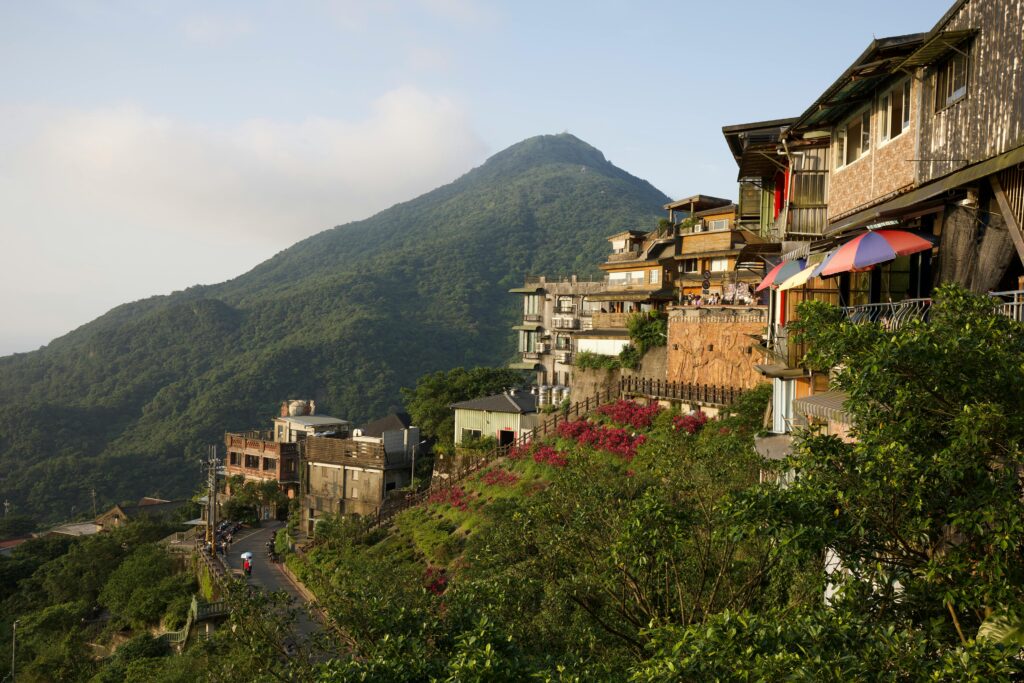
Beyond the cities, landscapes follow a similar pattern. Mountains, coastlines, and smaller towns often register softly at first, blending into the flow of travel without demanding focus. As movement slows and stays lengthen, these environments begin to influence the day through continuity. Spending more time in one place allows nature to integrate into daily movement, shaping mood and energy subtly as part of the surrounding rhythm.

Why the Experience Deepens Over Time
Many travelers arrive with loosely formed expectations that favor immediacy. When the country unfolds at a steadier pace, the first days can feel understated compared to initial expectations. As those expectations loosen, attention shifts from evaluation to presence, and the experience begins to settle into something more grounded.


Enjoyment emerges gradually, often becoming noticeable only after orientation fades and familiarity replaces effort. Taiwan unfolds gradually, with the relationship to it becoming clearer as the days begin to flow together.
Letting the Flow Hold

Taiwan tends to feel most rewarding once arrival mode gives way to routine and repetition. With time, days connect more easily, movement feels less deliberate, and the country becomes easier to inhabit without conscious effort. What improves is coherence, as the flow of the place carries the experience forward more easily over time.