

Flights from Kuala Lumpur to Bangkok are usually chosen with very little hesitation. The distance feels short, schedules run throughout the day, and fares tend to sit close enough that the airport code slips into the background. For many travelers, the decision settles quickly, with attention already drifting toward the trip rather than how Bangkok will first appear.
What tends to stay with people is the way arrival begins to take shape. You step into the terminal aware, able to move, read signs, and adjust your pace without hesitation. Some energy has been spent, though not enough to demand recovery. The transition starts quietly, carried forward through immigration halls, baggage belts, and transport corridors, before the city makes itself felt. This is where the choice between Suvarnabhumi and Don Mueang starts to register.
How the flight tends to register on arrival
The flight from Kuala Lumpur tends to sit lightly in the body. Rest comes in short stretches, time passes evenly, and the cabin rhythm stays familiar throughout. As the aircraft begins its descent, most travelers feel present and ready to move. That steadiness shifts attention outward. Airports, queues, and onward travel fold into the opening sequence, extending a journey that is already in motion as arrival continues.
Suvarnabhumi as an Arrival Experience
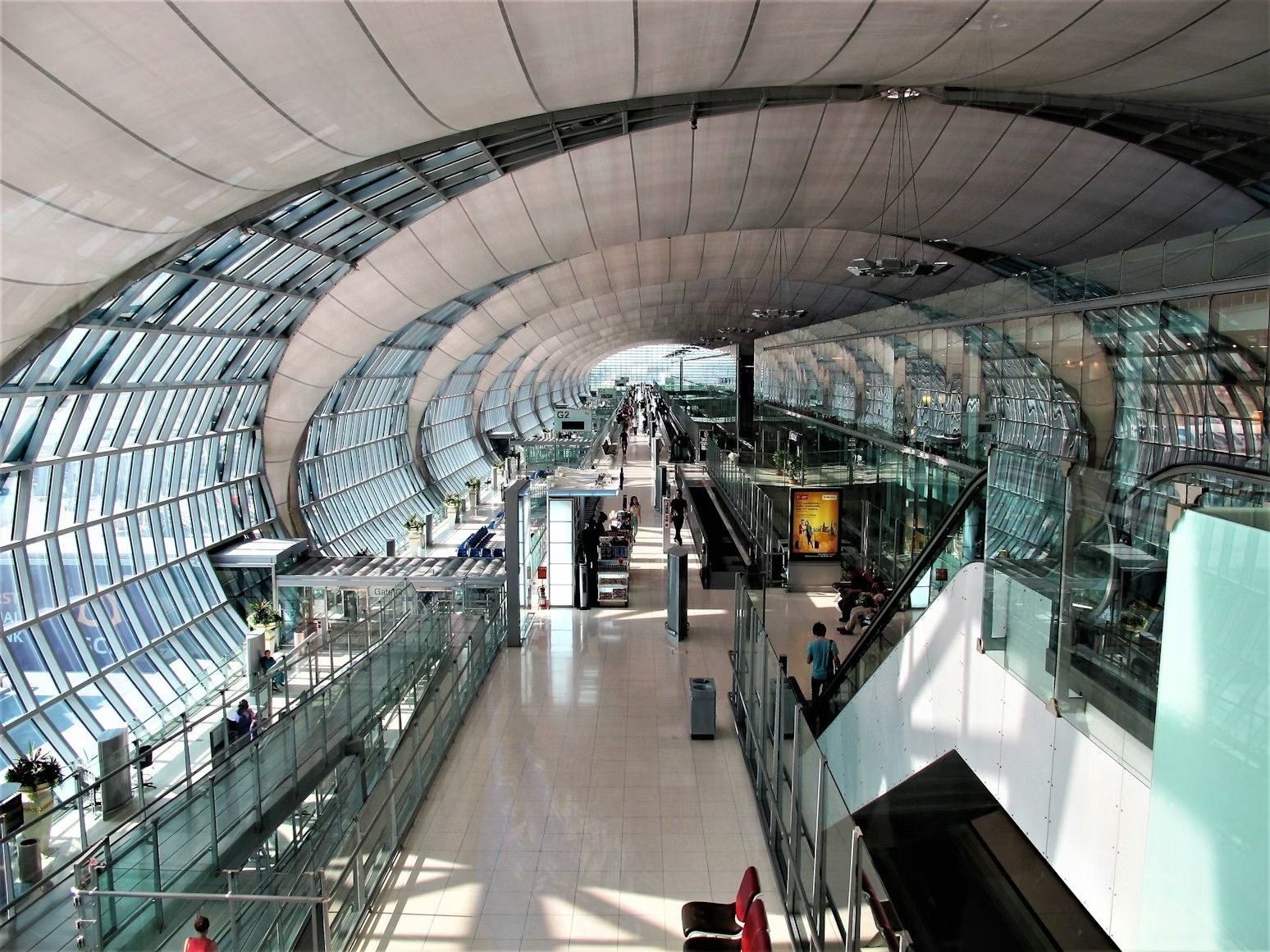
Suvarnabhumi opens up gradually. Movement through the terminal takes time, and the scale becomes apparent as you progress through immigration and into the baggage halls. The process rarely feels confusing, though it does ask for patience as the distance continues to reveal itself even after landing.
The Airport Rail Link gives shape to that distance. Once onboard, the city begins to draw closer in a predictable way, with each stop narrowing the gap. For travelers staying along major transit lines, arrival settles slowly and evenly, allowing Bangkok to appear piece by piece, rather than all at once.
Don Mueang as an Arrival Experience
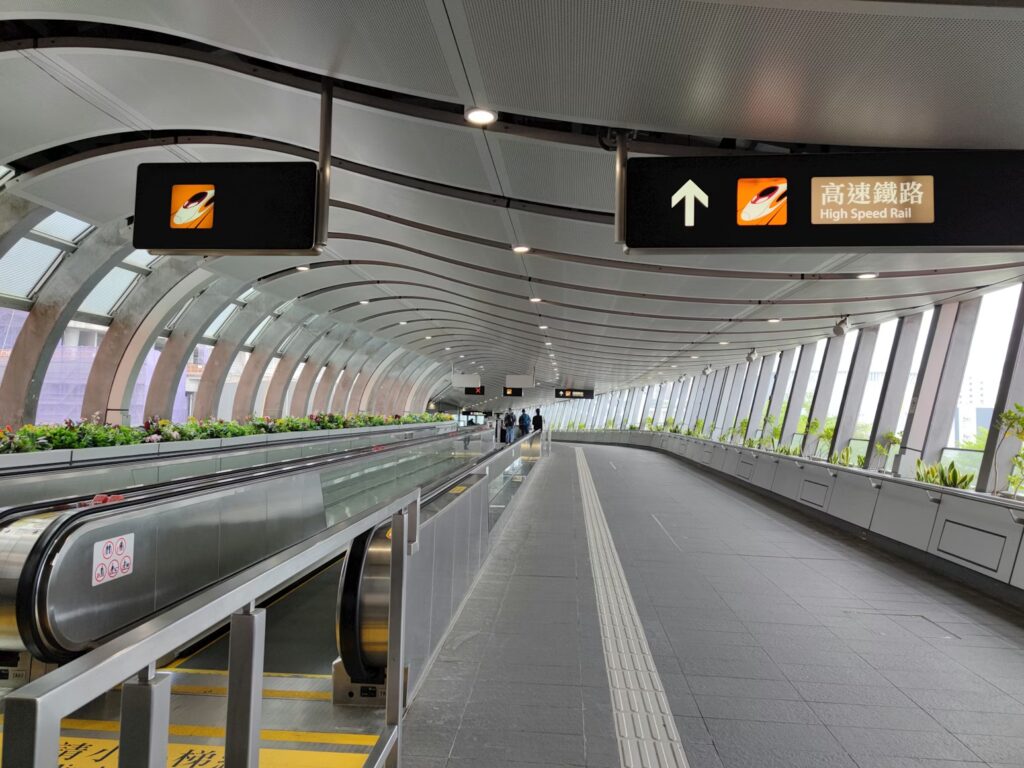
Don Mueang feels more compact from the start. The terminal compresses movement, and the steps from aircraft to exit tend to resolve more quickly. Baggage often arrives sooner, orientation comes faster, and the sense of being “through” the airport forms with less buildup.
Ground transport takes over earlier here. Taxis, buses, and rail connections pull you into the city with fewer layers in between. For travelers staying nearer to northern or central districts, that shift happens with little ceremony, especially when arrival comes late or plans begin soon after landing. The destination remains the same. What changes is how long it takes for arrival to begin feeling complete.
Queues, Timing, and Flow Through the Airport
Queues at both airports move according to time of day, airline clustering, and seasonal volume. Some arrivals pass through quickly, others stretch longer than expected. The variation tends to land softly when the body feels steady and attention remains intact.
The experience takes shape largely through how the waiting feels. When arrival energy holds, time passes without irritation. When timing tightens, small delays begin to carry more weight, as added density during the transition.
How Most Travelers End Up Choosing
Most travelers decide based on flight timing, airline preference, or where they plan to stay in the city. That choice usually carries through with little adjustment, allowing the journey to hold together and move forward without added stress. Suvarnabhumi stretches the arrival outward before drawing it inward. Don Mueang brings the city closer sooner. Each path opens Bangkok at its own pace once you’re on the ground.
A Quiet Truth About This Route
The Kuala Lumpur to Bangkok flight fades quickly. What shapes the trip is the way arrival settles. With an unpressured transition, the city meets you calmly, and the first hours ease naturally into whatever comes next.