

Singapore to Seoul is a route people often book in a particular mood.
The trip is close enough to feel doable on short notice, long enough to feel like a real break. It’s familiar enough that it can start to feel like the only question is what the ticket costs this week. Even first-timers fall into that rhythm quickly, scrolling through options and sensing that the right answer is simply the one that doesn’t feel like a mistake.
That’s usually when the numbers start to blur. Full-service carriers sit higher than expected. Budget fares look tempting until baggage and seats begin to stack on top. A “cheap” ticket becomes a different ticket once you add the parts you know you’ll end up needing. The route stays the same, but the way it carries you changes depending on how you buy your way onto it that day.
The flight passes quietly. What stays with people is the texture of the day around it, how long it feels, how much patience it asks for, and how calm you are when you land.
Why this route feels cheap until you try to book it last minute
Seoul from Singapore sits in that zone where travelers expect deals to appear. It’s not long-haul, so there’s an assumption that prices should behave. It’s also a popular corridor. That popularity creates its own gravity, especially around school holidays, seasonal peaks, and the weeks when demand quietly shifts upward without warning.
When you book close to departure, the route starts to show its personality. Full-service tickets rise fast. Budget seats remain visible longer, though the “final” price often comes from how you travel. A traveler with only a small bag and low sensitivity to discomfort will see one set of numbers. A traveler who needs a checked bag, wants a seat they can tolerate for seven hours, and doesn’t want to arrive feeling spent will see a different set.
At that point, many people naturally form a ceiling for what feels worth it. The decision forms around the flight day itself, and the value begins to include the way arrival feels.
Full-service versus budget on a seven-hour flight
This distance carries weight. It sits in a middle space, long enough to register in the body and short enough to stay present. That middle ground makes comfort quietly matter.
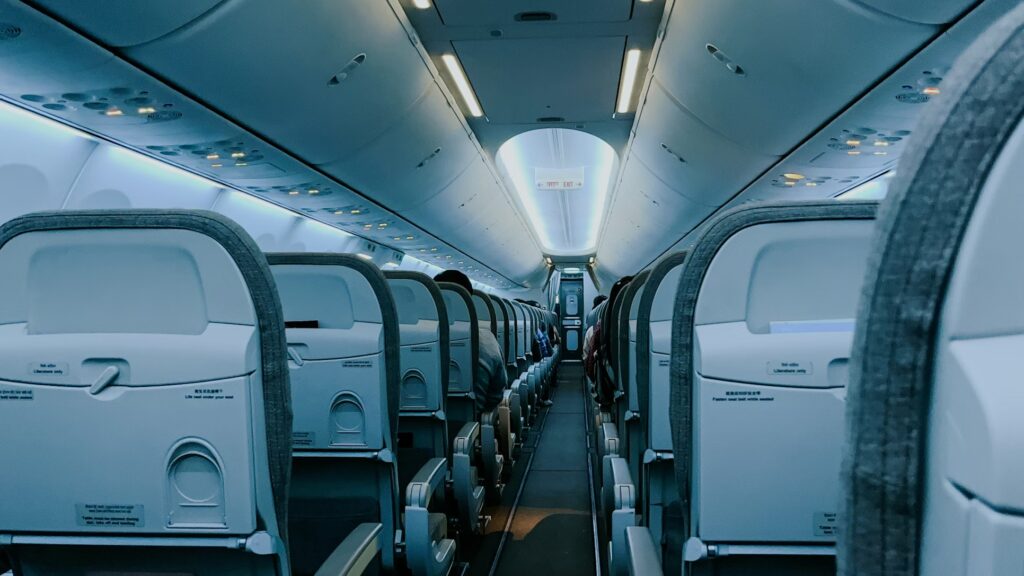
On full-service carriers, the route takes on a steadier outline. Meals and small needs are absorbed into the flow of the flight. The cabin stays calm, and attention is left largely undisturbed. You arrive with the feeling that the flight held together.
Budget airlines can still work well here. Many people take them repeatedly and treat the discomfort as part of the deal. What changes is how much you need to prepare your own version of the flight. Entertainment becomes something you bring. Food becomes something you plan for. Your seat becomes something you decide whether to pay for in advance, because seven hours in a tight posture becomes very noticeable somewhere around the middle of the route.
The flight stays simple when your expectations match the ticket you bought. It becomes irritating when you realize mid-air that you mostly bought a price.
The part people underestimate isn’t comfort, it’s support
On many routes, the debate focuses on legroom, food, and cabin service. On Singapore to Seoul, that sense of support often becomes the real dividing line, especially when plans are last minute and the schedule has less buffer.
On full-service carriers, disruptions bring a clearer sense of support. Options appear, help feels accessible, and the experience holds together even as plans shift. Low-cost flights often feel fine on a clean run. When disruptions appear, communication narrows to apps and resolution takes more time. You may feel as though you’re carrying the responsibility of the disruption alone, even if the airline is technically doing what it is required to do.
For travelers booking late, that difference shows up at an awkward time, when the trip is ready to ease forward and tension instead slips in.
What “worth it” tends to mean on this route
People often talk about a maximum they would pay as if it’s a single number that should apply to everyone. On this route, it’s usually a feeling about value, built from how long the flight is and how you travel.
Some travelers feel fine paying more because they want the flight to disappear. They want to arrive with their mind quiet, their body not irritated, their first meal in Seoul not chosen out of fatigue. Others feel fine paying less because they want the money on the ground. They accept the narrower seat, bring their own food, download their shows, and treat the flight as a controlled inconvenience.
A lot of people land somewhere in the middle. They don’t need full service for its own sake, but they also don’t want to be uncomfortable for seven hours just to save an amount that disappears once you add baggage and a tolerable seat. This is where upgrades like a “plus” seat, extra legroom, or a bundle begin to make sense, often as a way of buying back ease.
Last-minute trips and the quiet pressure of timing
Impromptu travel carries a certain energy. You want the booking to be quick, the airport to be straightforward, the flight day to feel like a clean doorway into the trip. When tickets are expensive, it’s easy to feel as though the route is pushing back.
This is where the focus becomes clearer. Some choices protect the budget, accepting that the flight day may require patience and added planning, with comfort built along the way. Other choices protect arrival energy, treating the ticket as part of the first day of the trip and paying for a version of the route that allows you to land steadily. The difference comes from choosing deliberately.
A quiet truth about Singapore to Seoul pricing
Ticket prices on this route can feel irrational when you’re looking at them close to departure. That feeling is real, and it often catches first-timers off guard. The popularity of the route, the season, and the timing all play into how it unfolds. The flight is long enough that many travelers care about comfort, which keeps demand for certain flights strong even when prices rise.
Once you accept that, the decision often becomes simpler. You stop hunting for the perfect price and start choosing the version of the flight day you can live with. If the trip is meant to feel impulsive in a good way, the ticket that keeps the day contained can be worth more than it seems.
If you’re weighing Japan versus Korea for a last-minute trip
This question comes up often because the search behavior overlaps. People look at Tokyo and Seoul side by side, watching prices and trying to decide which destination is “worth it” right now. In practice, the better question is what kind of trip you want when you land.
Seoul tends to meet you quickly, especially on a short or impulsive trip. The city becomes usable fast, even on a short break. Japan often asks for a little more time, planning, and travel inside the trip if you’re chasing multiple places. Both can be incredible. The one that fits last-minute travel better is usually the one that matches your energy and how much you want to move.
A quiet truth about this route
Singapore to Seoul isn’t difficult, though it’s long enough to shape you. The flight day has a way of carrying into the first hours on the ground, especially on an impulsive trip where you want momentum, not friction. When the ticket you choose matches the way you travel, the route stays contained and Seoul begins to feel present quickly. When it doesn’t, the flight becomes a longer thought than it needed to be, sitting in the body after you land and into the first hours.