
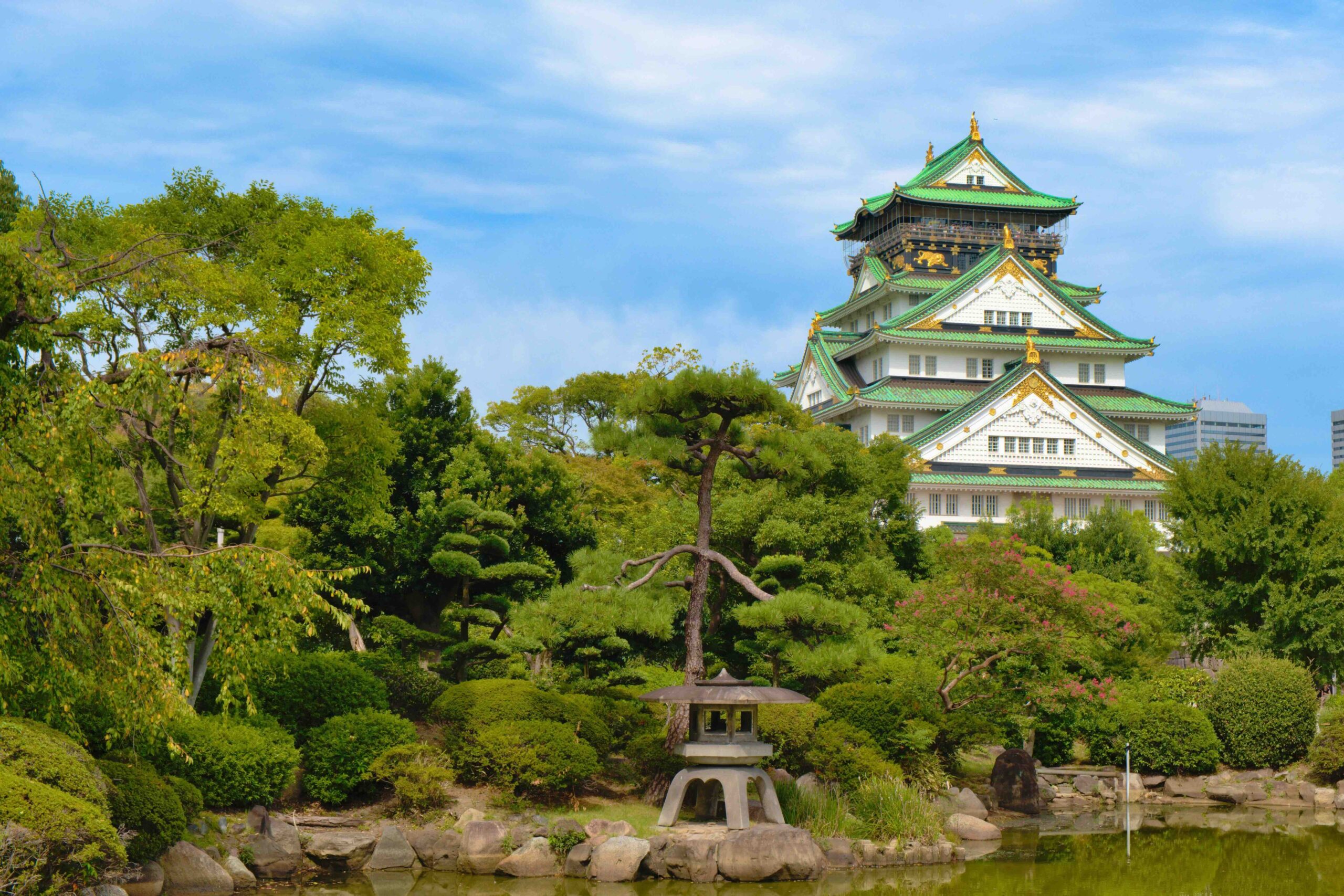
Tokyo and Osaka are often framed as rivals. One is described as futuristic and overwhelming, the other as friendly and laid-back. That contrast isn’t wrong, but it misses the layer that most affects how the trip feels. The real difference between Tokyo and Osaka doesn’t show up in a checklist of attractions. It emerges a few days in, as novelty fades and the trip settles into rhythm. You feel it in how your days unfold, how much energy remains after dinner, and how forgiving the city is when plans slip or fatigue sets in. Choosing between Tokyo and Osaka often comes down to something quieter than sights. It’s about how each city shapes your movement, your decisions, and how much energy you have left when the day settles.
Living Inside Tokyo’s Scale
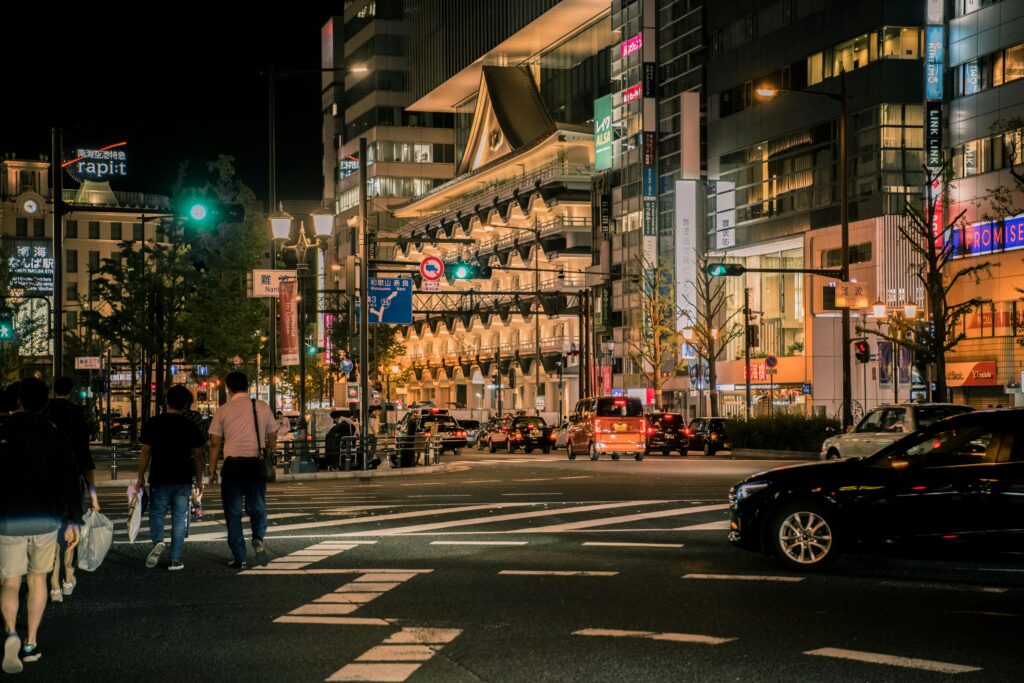
Tokyo rarely feels chaotic. What it feels like is vast. The city is dense, layered, and relentlessly functional. Trains arrive when they’re meant to. Signs are clear. Neighborhoods begin to make sense once you spend even a little time inside them. Scale defines how the city feels over time. Decisions don’t resolve; they keep branching. Stations open into multiple paths. Each area holds its own logic and quiet gravity.
In Tokyo, understanding the system is rarely the hard part. The real effort comes from moving through a city where every decision opens into several more. Distances stretch longer than they look. Decisions accumulate quietly throughout the day, such as where to eat, which exit to follow, and whether to keep going or finally stop.
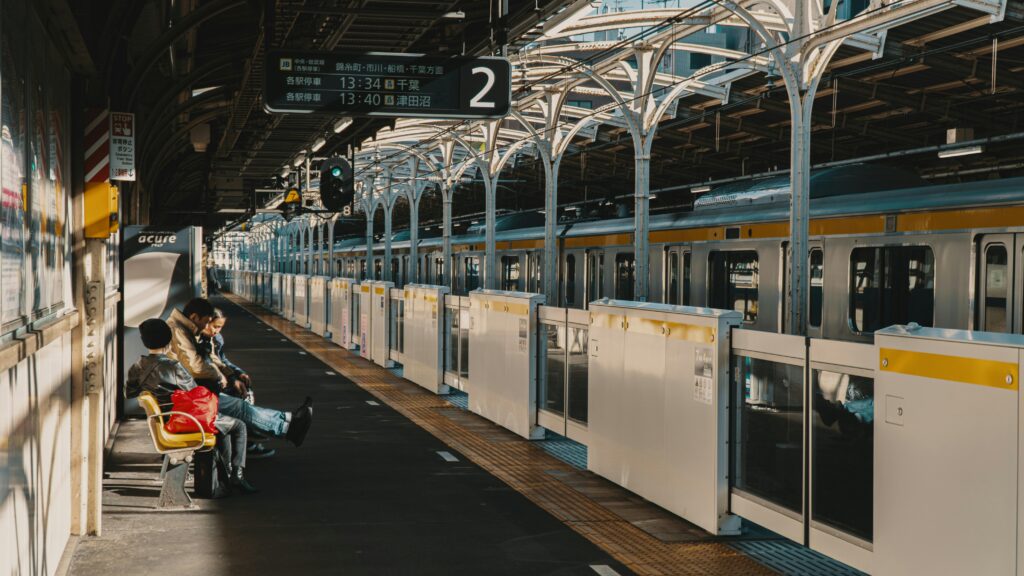
Tokyo is generous with recovery. It shows up later, back at the hotel, when you realize how far you’ve walked without noticing, how many small decisions you’ve already made, and how little quiet the day left behind. Small mistakes rarely derail the day. But the city keeps you in motion, and that momentum carries a cost that often shows up later than you expect.
For travelers who like structure without rigidity, Tokyo often feels stabilizing. You can change plans mid-afternoon and still land on your feet. The system holds you up even when you’re tired. That’s why Tokyo works well for first-time visitors, short trips, and jet-lagged arrivals. The cost arrives gradually. Tokyo exhausts through accumulation, like long station corridors and days that feel manageable while they’re happening, then quietly stack together.
Osaka, Once You Stop Trying to Optimize It
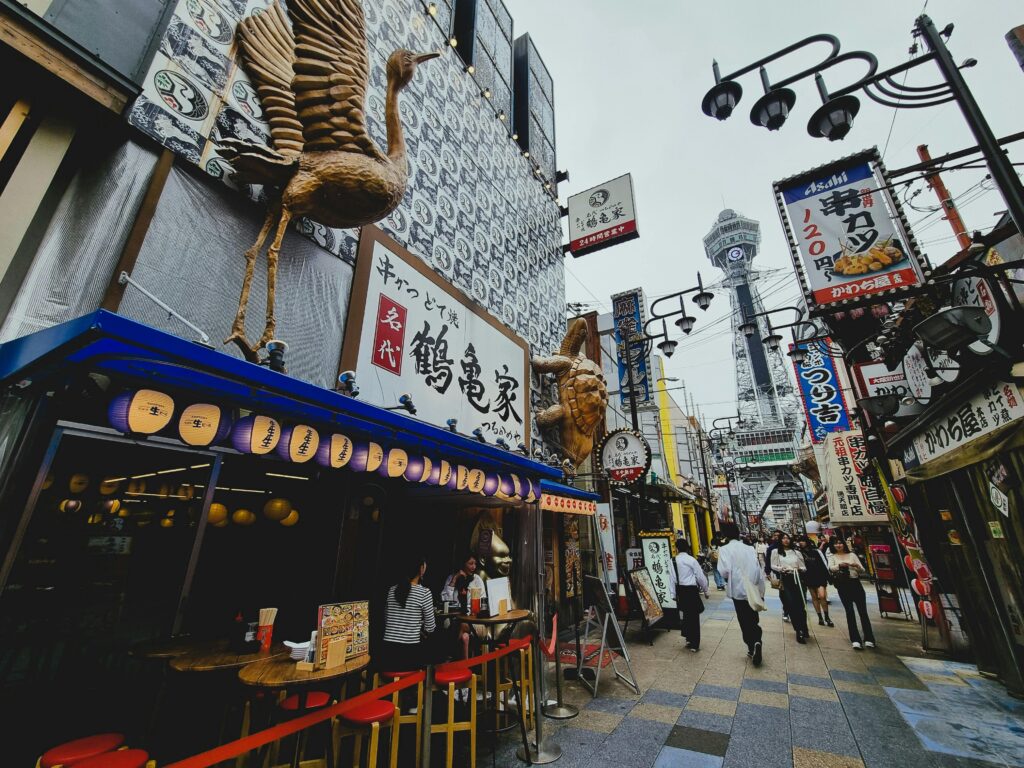
Osaka is smaller, and it rarely feels empty. The city moves at a different speed. Streets are tighter. Neighborhoods blend into one another. People linger longer in the same places. Conversations spill outward. Food smells travel farther than planned routes. Osaka asks less from your logistics and more from your presence. You don’t need to master the system to enjoy the city. You can wander, follow your appetite, and let the day shape itself. Decision-making feels lighter here. You decide, and the day keeps moving without demanding much reconsideration.
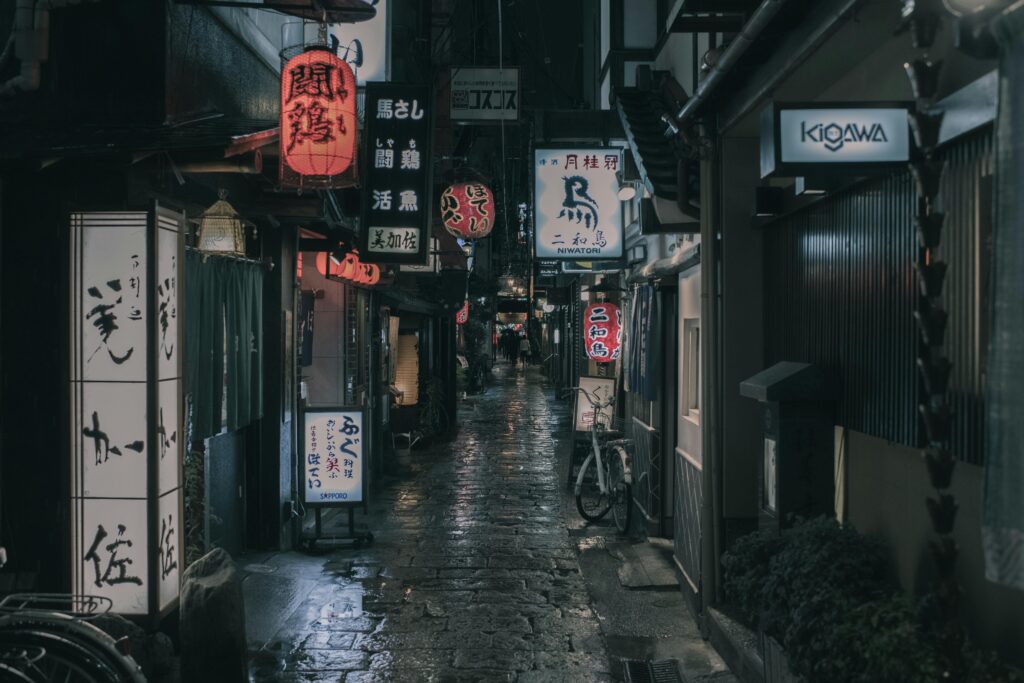
That ease is why many travelers describe Osaka as “friendly,” though what they’re often responding to is forgiveness. Slowing down feels natural here. Returning to the same streets carries its own logic. Osaka opens up through familiarity, not through efficiency. Calm appears unevenly. The friction shows up when you’re hungry, it’s crowded, and the street you planned to drift through asks you to wait instead. People gather, pause, and stay longer in the same spaces. Popular food streets compress people into narrow spaces, especially at night. During peak hours, waiting becomes part of the experience. If you arrive expecting constant calm, Osaka can feel more draining than expected.
How Each City Handles Congestion
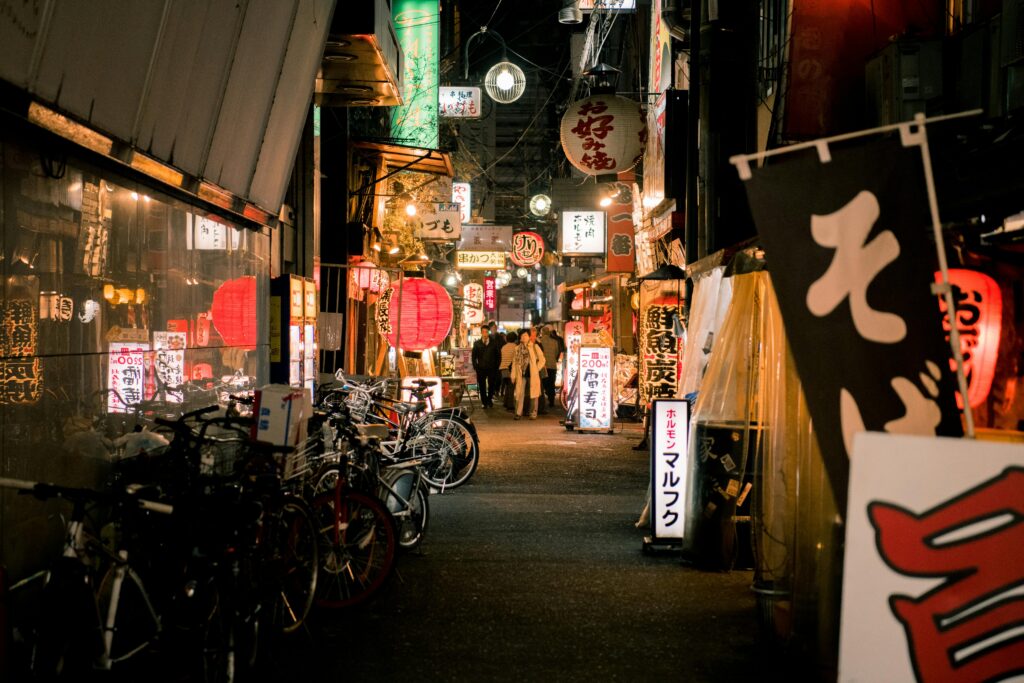
Both cities are crowded. The difference is how those crowds behave. In Tokyo, crowds tend to stay in motion, even at peak hours. You’re rarely pinned in place for long, carried forward by a rhythm that doesn’t really pause. In Osaka, crowds tend to settle. People cluster around food stalls, storefronts, and familiar streets, and movement slows without much resistance. Waiting becomes part of the social fabric rather than a system to move through. That can feel human and connective, or claustrophobic, depending on how much personal space you need once fatigue sets in.
Food as a Daily Decision Point
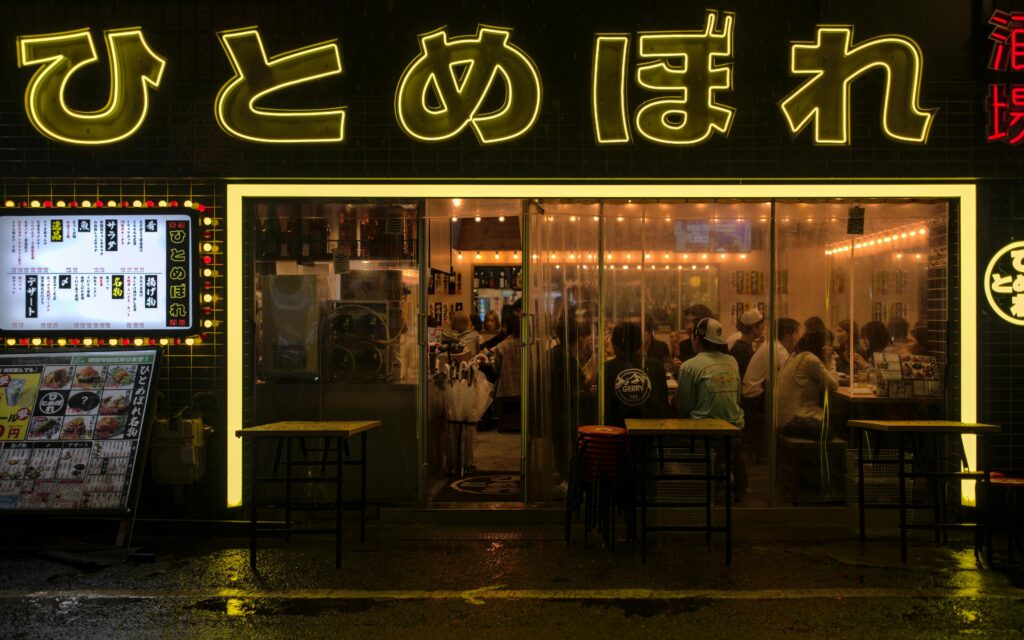
Tokyo’s food scene is unmatched in scale. That abundance is exhilarating at first and quietly demanding later. Meals become another decision to manage unless you narrow your focus or return to familiar places. Reservation stress, menu overwhelm, and fear of choosing wrong can creep in, especially at the end of long days. Osaka’s food culture is narrower and more informal. Street food, casual eateries, and repetition are built into the rhythm of the city. For travelers who find comfort in familiarity, this reduces mental load. For those with dietary restrictions or preference-driven eating, the smaller range can feel limiting. Neither is better universally. The difference is whether choice energizes you or drains you when you’re already tired.
How Compression Changes the Experience
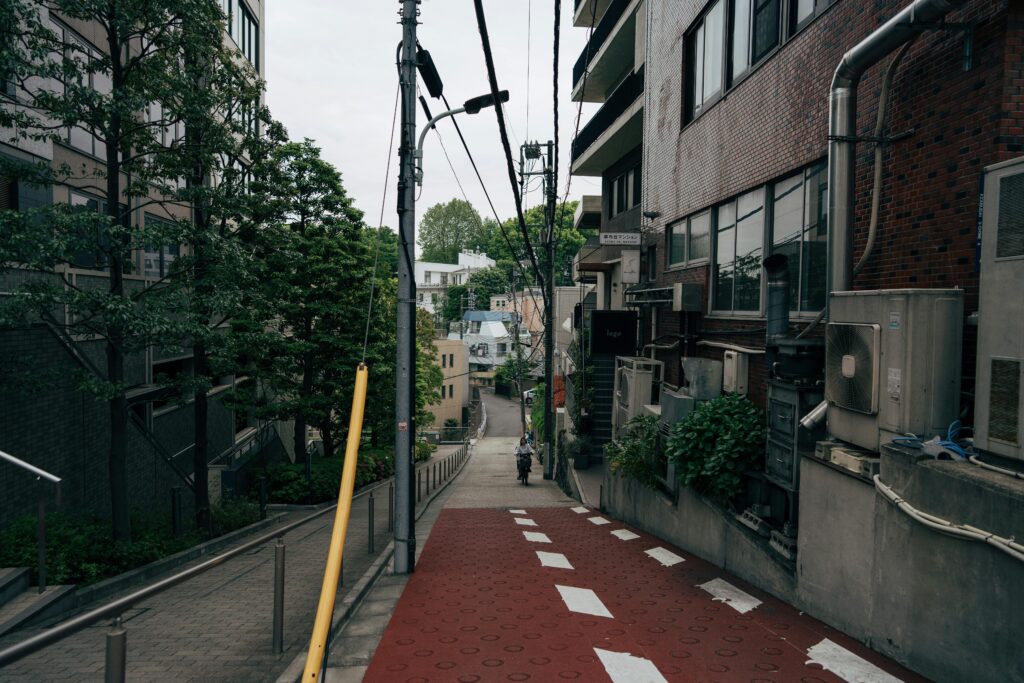
With limited days, the difference becomes harder to ignore. Tokyo tends to carry short trips well. Even a single neighborhood can fill a day, and the city keeps things moving when energy lags or plans tighten. Osaka benefits from slack. It opens up when you have time to return to the same neighborhoods, eat without urgency, and let the day stretch or contract on its own terms. When that space is missing, the city can start to feel crowded and compressed, especially during peak seasons. The effect doesn’t always register immediately. It settles in gradually, shaping how the days land.
Which City Lets the Day Close Gently
The difference between Tokyo and Osaka has less to do with value and more to do with how each city pulls on your energy as the days go by. Tokyo asks for attention and flexibility. It moves you forward through structure, even on days when your energy dips. Osaka works differently. It opens up when you stay put long enough for the pace to soften, when patience replaces momentum and presence does more than planning ever could.

When the fit is right, cost becomes less noticeable over time, as the days settle into their own rhythm. Some travelers need motion to feel oriented. Others need stillness to feel grounded. The better choice is the city that doesn’t take everything from you by nightfall, leaving just enough space for the day to settle. That’s usually the city you’ll still feel curious about tomorrow, instead of relieved to leave.