
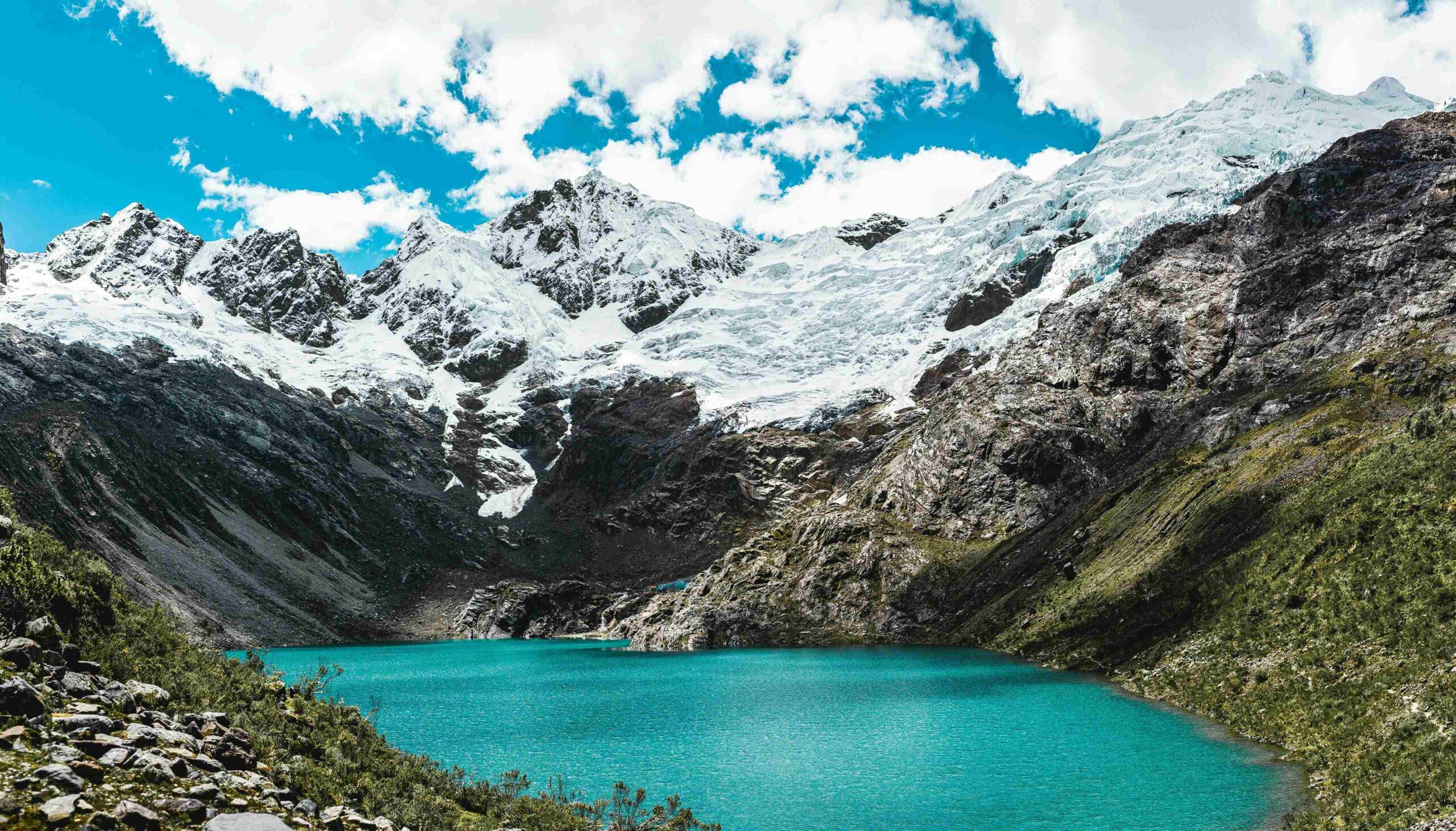
Machu Picchu gets all the postcard space, but it only covers a fraction of what Peru is known for. Step outside the Sacred Valley, and you find thousands of years of pre-Incan history, 4,000 types of native potatoes, and high-altitude mountain passes leading down into the dense Amazon basin. The ruin is just one chapter in a much bigger story. If you haven’t nailed down the Machu Picchu leg yet, our best time to visit Machu Picchu guide covers the weather, ticket circuits, and crowd timing before you build the rest of the trip around it.
All cost estimations provided in this guide reflect updated average market rates for 2026 traveler budgeting. Prices are subject to local seasonality, exchange rate fluctuations, and booking windows.
Peru Beyond Machu Picchu at a Glance
Highlight / Landmark | Category | Main Region | Average Cost / Ticket Rate | Ideal Time to Spend | |
|---|---|---|---|---|---|
1 | The Sacred Valley | Ancient History | Cusco Region | $35 (Boleto Turistico) | 2-3 Days |
2 | The Nazca Lines | Pre-Inca Archaeology | Ica / Desert Coast | $100 – $140 (Flight) | 1 Day |
3 | Chan Chan | Pre-Inca Archaeology | Trujillo (North Coast) | $3 (Entry fee) | Half Day |
4 | Lake Titicaca | High-Altitude Nature | Puno | $30 – $90 (Tour / Homestay) | 1-2 Days |
5 | Amazon Rainforest | Biodiversity & Wildlife | Puerto Maldonado / Iquitos | $350 – $800 (3D2N Lodge) | 3-4 Days |
6 | Colca Canyon | Nature & Wildlife | Arequipa Region | $18 (Entry) / $60 – $120 (Tour) | 2 Days |
7 | Rainbow Mountain | Geological Wonder | Cusco Region | $30 – $50 (Day tour) | 1 Day |
8 | Alpacas and Llamas | Wildlife & Culture | Andean Highlands | Free (Varies by activity) | Ongoing |
9 | Andean Textiles | Culture & Crafts | Sacred Valley | $10 – $25 (Market) / $80 – $220 (Baby Alpaca) | Half Day |
10 | White City Architecture | Colonial History | Arequipa | Free / $12 (Santa Catalina) | 1-2 Days |
11 | Ceviche | Culinary Heritage | Coastal Peru / Lima | $8 – $14 (Local) / $22 – $35 (High-end) | Lunch spot |
12 | Pisco Sour | Drinks & Spirits | Nationwide / Ica | $6 – $12 per glass | Evening |
13 | Native Potatoes & Superfoods | Gastronomy & Ag | High Andes / Local Markets | $2 – $5 per kg / market dish | Ongoing |
14 | Nikkei & Chifa Cuisine | Culinary Fusion | Lima | $40 – $120 per meal | 1-2 Dinners |
15 | Lima Fine Dining | World-Class Dining | Lima (Miraflores/Barranco) | $270 – $390 (Tasting menu) | Half Day |
Pre-Columbian Civilizations and Sacred Landscapes
1. Sacred Valley of the Incas
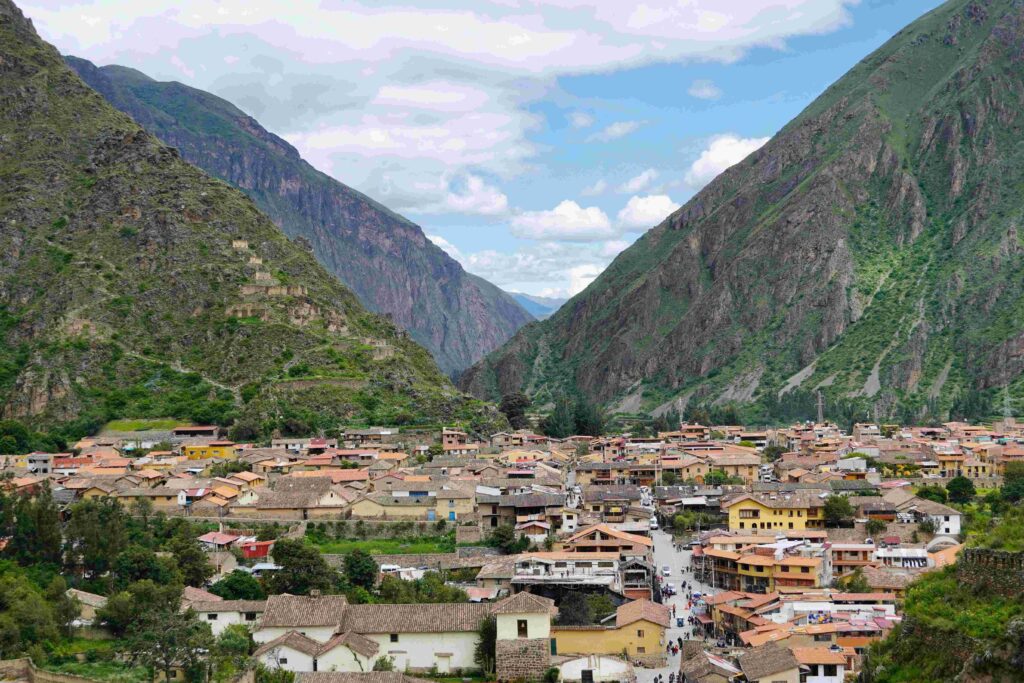
Stretching between Cusco and Machu Picchu along the Urubamba River, the Sacred Valley served as the agricultural and spiritual heartland of the Inca empire. Sitting at an altitude of roughly 9,500 feet, this fertile region features massive terraced ruins like Pisac and the stone fortress of Ollantaytambo.
Visiting the valley first allows travelers to acclimate to the high elevation gradually before tackling higher altitudes. Access to the main sites requires the Boleto Turistico del Cusco, a circuit ticket that costs approximately $35 and remains valid over multiple days.
2. Nazca Lines
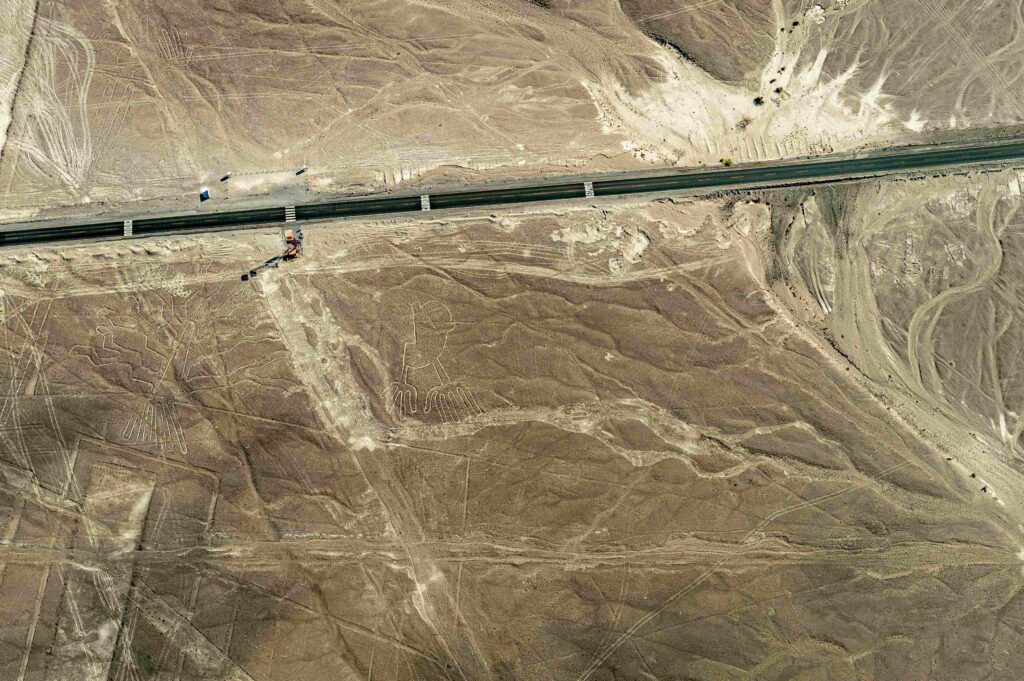
Etched into the dry coastal desert floor of southern Peru, the Nazca Lines remain one of the world’s most fascinating archaeological mysteries. Created between 500 BCE and 500 CE by the Nazca culture, these massive geoglyphs depict geometric shapes, plants, and stylized animals like monkeys, spiders, and hummingbirds. Because the scale of the drawings is so vast, they are best appreciated from above.
Small passenger planes operate daily flights out of Nazca and Ica, with flight packages generally costing between $100 and $140 per person including local airport fees.
3. Ancient Mud City of Chan Chan
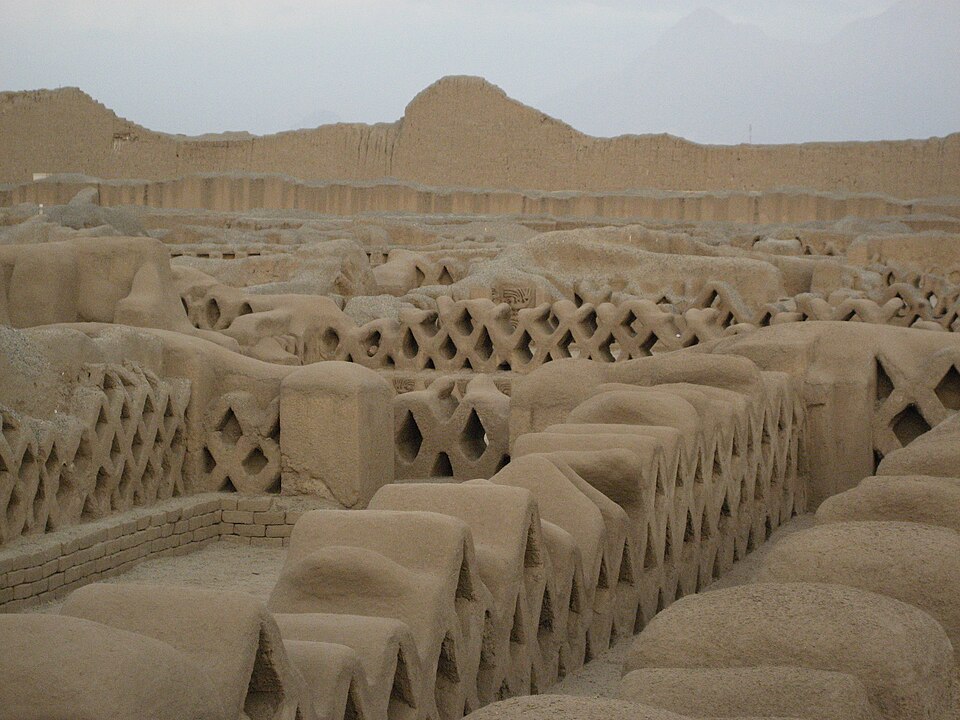
Located on the northern coast near the modern city of Trujillo, Chan Chan stands as a testament to pre-Inca urban planning. Constructed around 850 CE by the Chimu kingdom, it’s the largest adobe city built in the Pre-Columbian Americas. The expansive complex once housed over 30,000 residents inside thick, intricately carved mud-brick walls engineered to survive coastal earthquakes.
Entry tickets cost around $3, making Chan Chan an accessible destination for travelers interested in exploring northern routes away from the main southern tourist track.
High-Altitude Wonders and Ecological Contrast
4. Lake Titicaca and the Floating Reed Islands
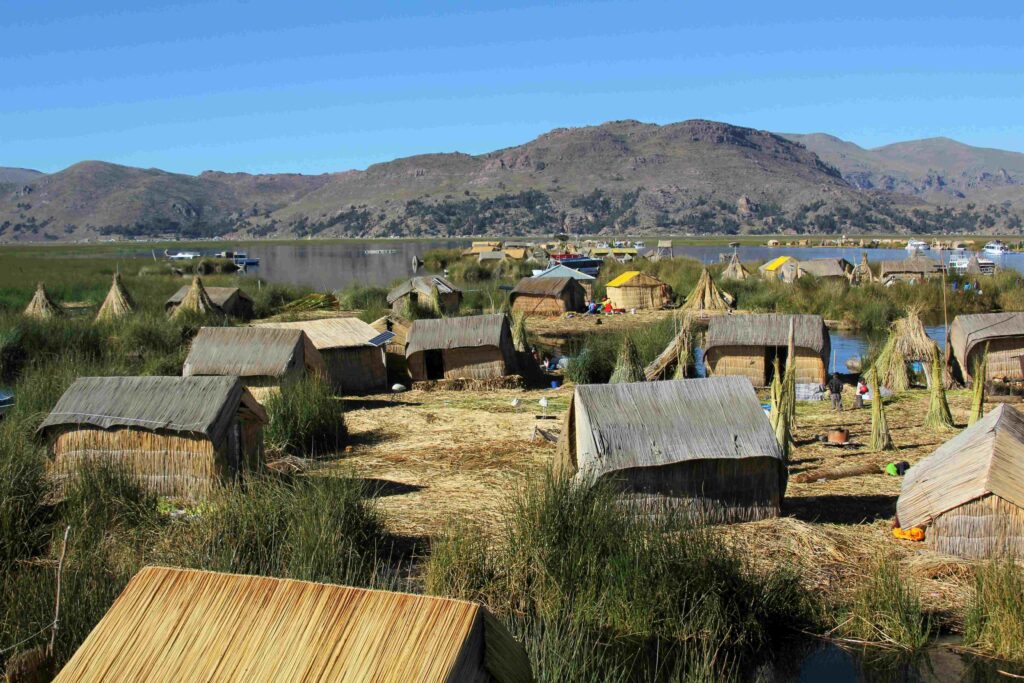
Straddling the border between Peru and Bolivia at 12,500 feet above sea level, Lake Titicaca holds the title of the highest navigable lake on Earth. The lake is famous for its deep blue waters and its indigenous communities, particularly the Uros people who live on artificial islands constructed from bundled totora reeds.
Day tours by boat from the port of Puno cost around $30 to $50. For a deeper look into island life, overnight homestays on the outer islands of Amantani or Taquile cost roughly $60 to $90 per person.
5. Peruvian Amazon Rainforest
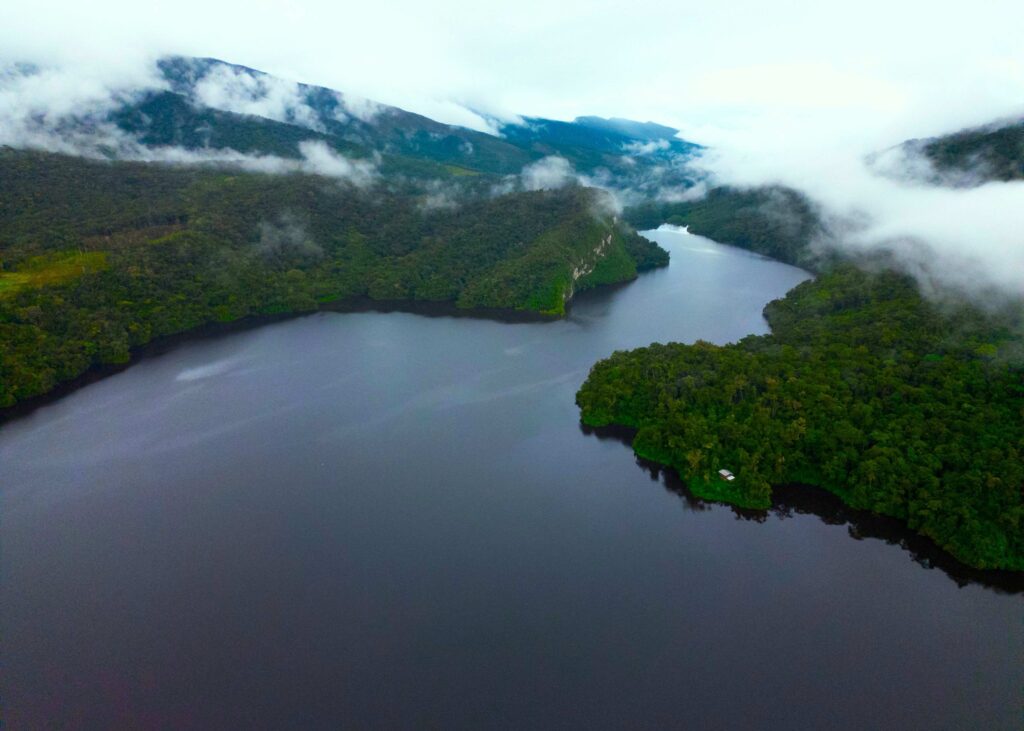
While many associate Peru with the Andes, the Amazon rainforest covers more than 60% of the national territory. This dense tropical wilderness makes Peru one of the most biodiverse places on Earth. Travelers access the rainforest through two primary gateways: Puerto Maldonado in the south, which connects to Tambopata National Reserve, and Iquitos in the north, accessible by plane or boat. Eco-lodges in these regions offer multi-day packages, with standard 3-day and 2-night itineraries ranging from $350 to $800 per person including guided river trips, meals, and jungle walks.
6. Colca Canyon and the Andean Condor
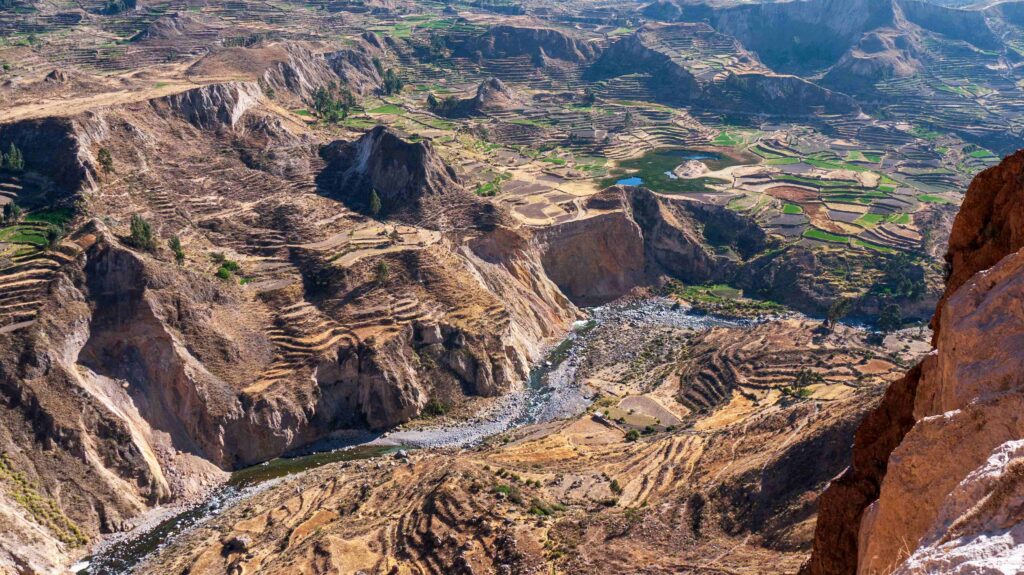
Located near the southern city of Arequipa, Colca Canyon reaches depths of over 11,000 feet, making it more than twice as deep as the Grand Canyon in the United States. Beyond its impressive geological scale, the canyon is globally recognized as one of the best places to observe the wild Andean Condor in flight. These massive birds, with wingspans exceeding nine feet, ride thermal air currents rising from the canyon bed each morning. Entry permits to the reserve cost $18, while organized two-day tour packages from Arequipa range from $60 to $120.
7. Rainbow Mountain (Vinicunca)
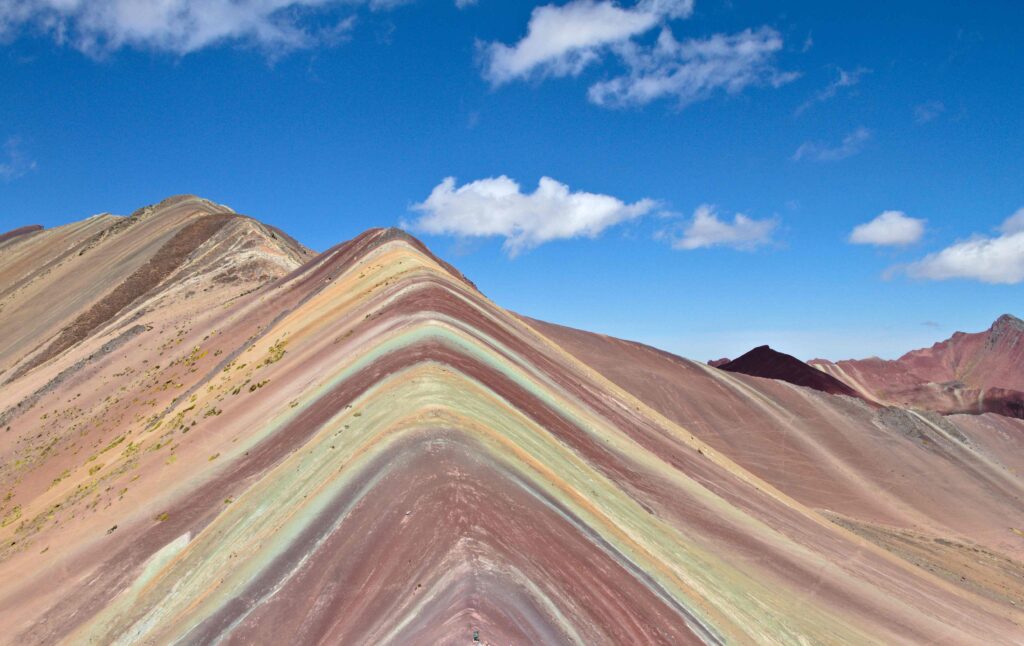
Sitting at an elevation above 17,000 feet in the Vilcanota mountain range, Vinicunca, commonly known as Rainbow Mountain, has become an iconic geological sight. The mountain features striking horizontal stripes of lavender, turquoise, gold, and deep red created by centuries of mineral weathering and sediment deposits. Reaching the viewpoint requires a very early departure from Cusco followed by a strenuous high-altitude hike. Guided day trips cost between $30 and $50, though proper elevation acclimatization is essential before attempting the trek.
Living Cultural Traditions, Camelids, and Architecture
8. Alpacas and Llamas
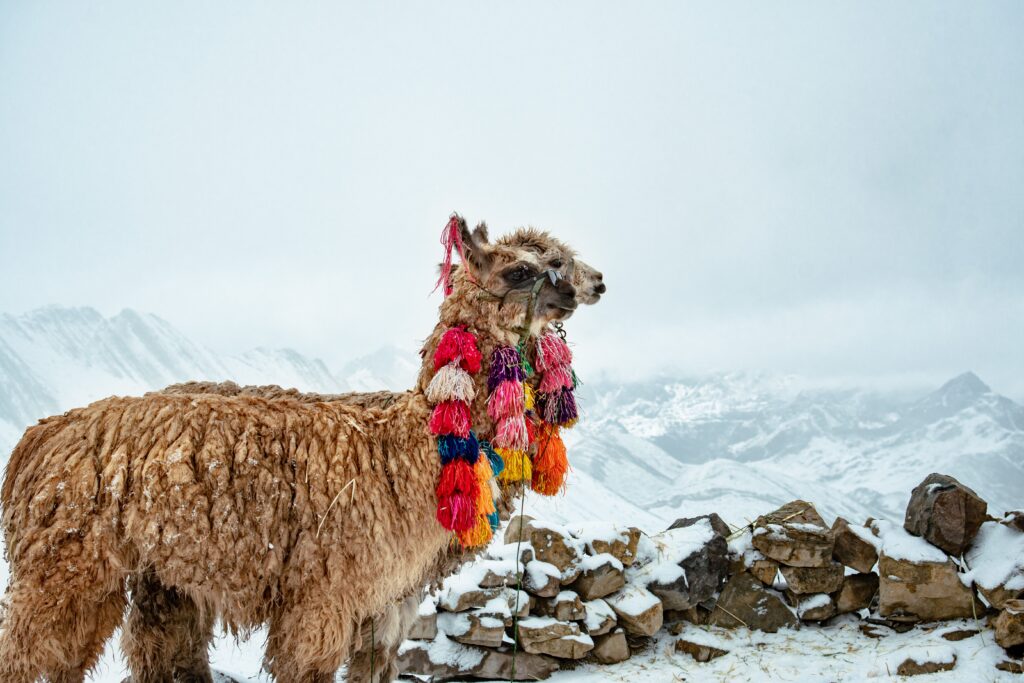
South American camelids, specifically alpacas and llamas, are deeply tied to the history, culture, and economy of the Andean highlands. Llamas were domesticated thousands of years ago to serve as sturdy pack animals along mountain trails, while alpacas were bred specifically for their soft, warm fleece. Today, these animals remain a central part of agricultural life in rural mountain villages, and encountering them is a standard highlight of traveling through the highlands.
9. High-Andean Textile Weaving Traditions
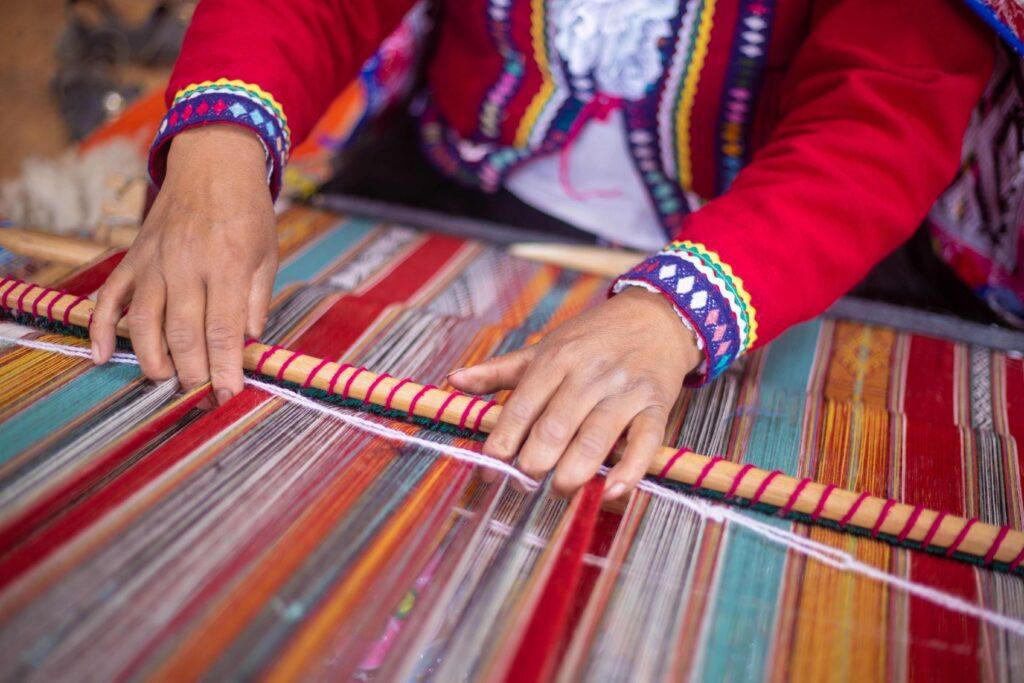
Hand-weaving in the Peruvian Andes is an ancient art form that continues to thrive in rural communities today. Towns such as Chinchero in the Sacred Valley operate as textile centers where Quechua weavers process, spin, and dye raw alpaca wool using natural pigments made from plants, insects, and minerals. The intricate geometric patterns woven into blankets, ponchos, and scarves carry historical meanings and record family traditions.
When shopping for textiles, synthetic market goods sell for $10 to $25, while authentic 100% Baby Alpaca items from specialized shops cost between $80 and $220.
10. White City Architecture of Arequipa
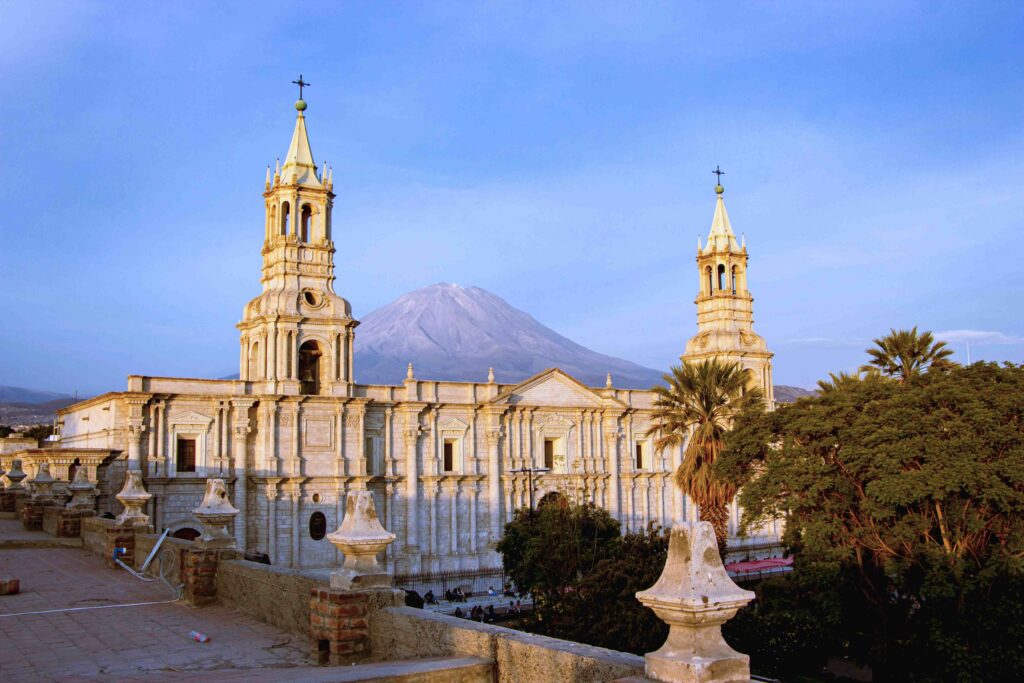
Framed by three dramatic volcanoes, the city of Arequipa offers a distinct architectural identity compared to the stone structures of Cusco or the modern high-rises of Lima. Arequipa is known as the White City because its historic center was built almost out of sillar, a light-colored volcanic stone quarried from nearby volcanic deposits. The resulting Spanish colonial buildings, grand plazas, and churches feature intricate stone carvings.
Wandering the historic streets is free, while admission to major sites like the sprawling Santa Catalina Monastery costs about $12.
Famous Peruvian Food and Culinary Identity
11. Ceviche and Pacific Seafood Culture
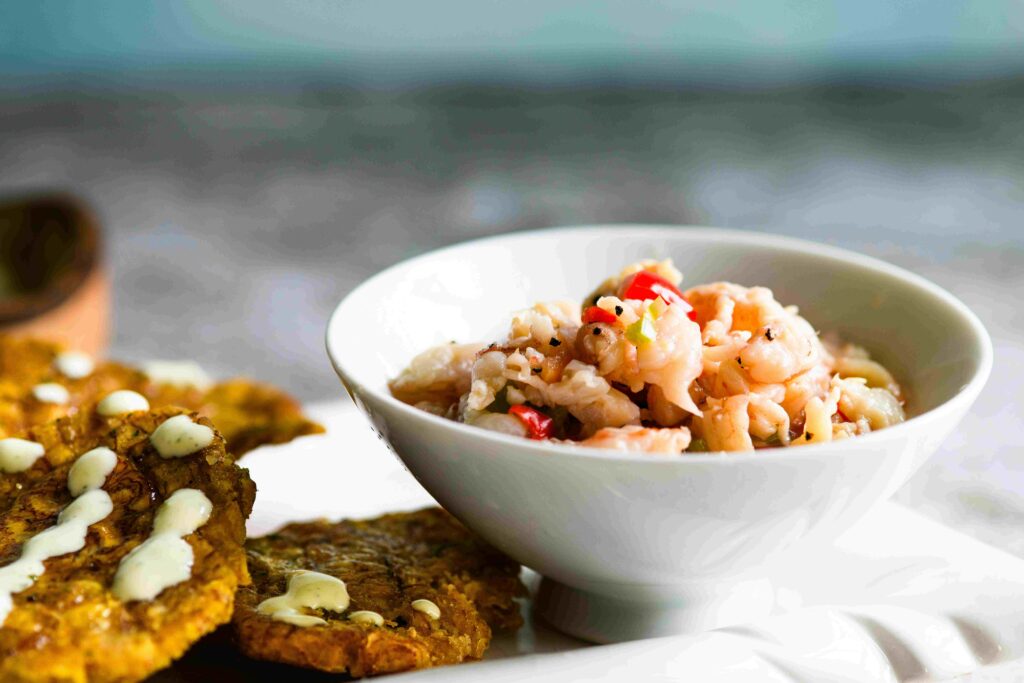
When discussing famous Peruvian food and drinks, Ceviche stands at the absolute center of national identity. Originating along the Pacific coastline, this dish features raw ocean fish cured in freshly squeezed lime juice, tossed with sliced red onions, sea salt, and fiery aji amarillo or rocoto peppers. The acid in the citrus flash-cures the raw fish, keeping the flavor light and clean.
Ceviche is traditionally eaten during lunch when the morning catch arrives. Local neighborhood cebicherias serve plates for $8 to $14, while high-end restaurants in Lima charge between $22 and $35. Lima’s food scene alone is worth its own day or two, and our Lima guide rounds up where to eat, walk, and spend an evening beyond the tasting menus.
12. Pisco Sour
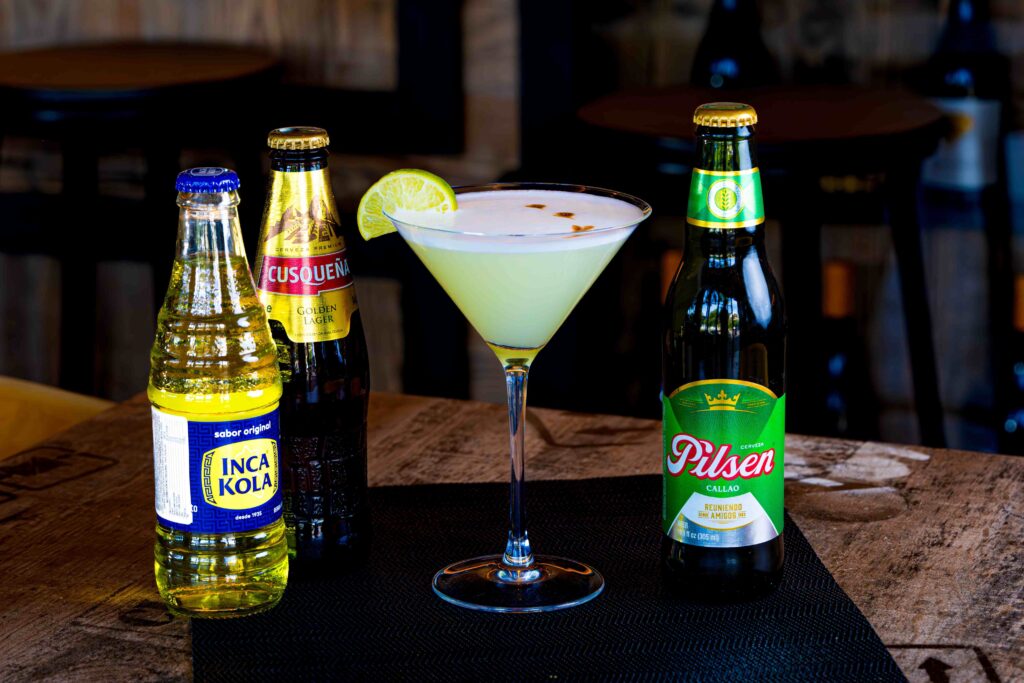
The Pisco Sour is Peru’s official national cocktail, celebrated every year on a dedicated national holiday. Pisco itself is a clear grape brandy distilled in the sun-baked coastal valleys of the country. To craft the cocktail, bartenders shake Pisco with fresh lime juice, simple syrup, and an egg white until a thick, velvety foam forms on top, finished with a drop of Angostura bitters.
Available at almost every bar and restaurant nationwide, a well-made Pisco Sour costs between $6 and $12 depending on the setting.
13. Native Potatoes and Superfood Biodiversity
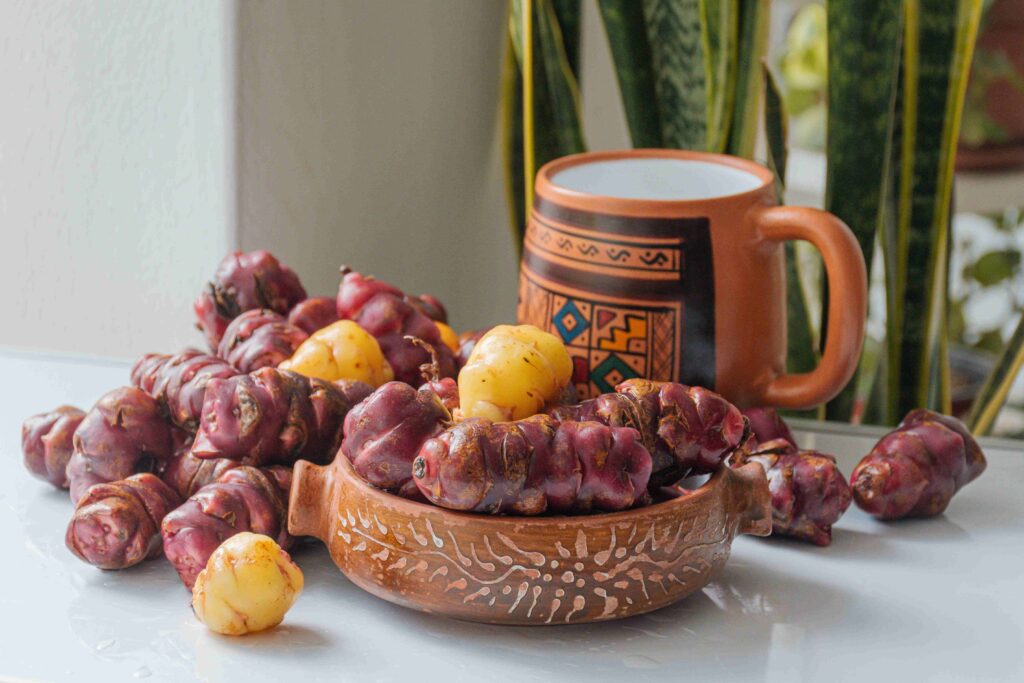
Long before international health markets embraced superfoods, the indigenous peoples of Peru were cultivating them high in the Andes. If you ask a local chef “What is Peru known for” in the culinary world, the answer often starts with its extraordinary agricultural biodiversity. Peru is the birthplace of the potato, harboring more than 4,000 native varieties that come in an astonishing range of shapes, textures, and colors, including deep purple, yellow, and bright red.
Along with native potatoes, crops like quinoa, kiwicha, and maca root have been staple food sources in Andean diets for thousands of years, providing dense nutrition in harsh high-altitude environments.
14. Nikkei and Chifa Fusion Cuisine
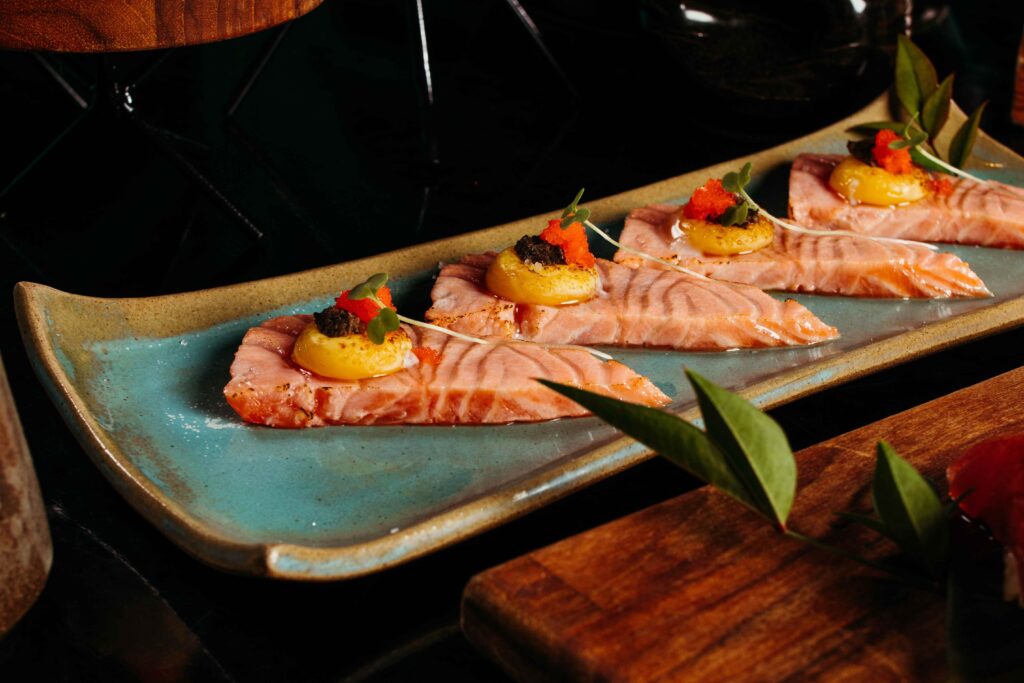
Peru’s modern culinary scene is shaped significantly by centuries of international migration, giving birth to distinct fusion styles like Nikkei and Chifa. Nikkei represents the blend of Japanese techniques with Peruvian ingredients, popularized by Japanese immigrants who arrived in the late 1800s. This style elevated dishes like Tiradito, raw sliced fish served with spicy citrus sauces.
Chifa, on the other hand, is the fusion of Cantonese stir-fry cooking with Andean staples, creating beloved dishes like Lomo Saltado, a high-heat wok stir-fry of beef, onions, tomatoes, and fries served over rice. A meal at a recognized Nikkei restaurant in Lima costs between $40 and $120.
15. Fine Dining Capital of South America (Lima)
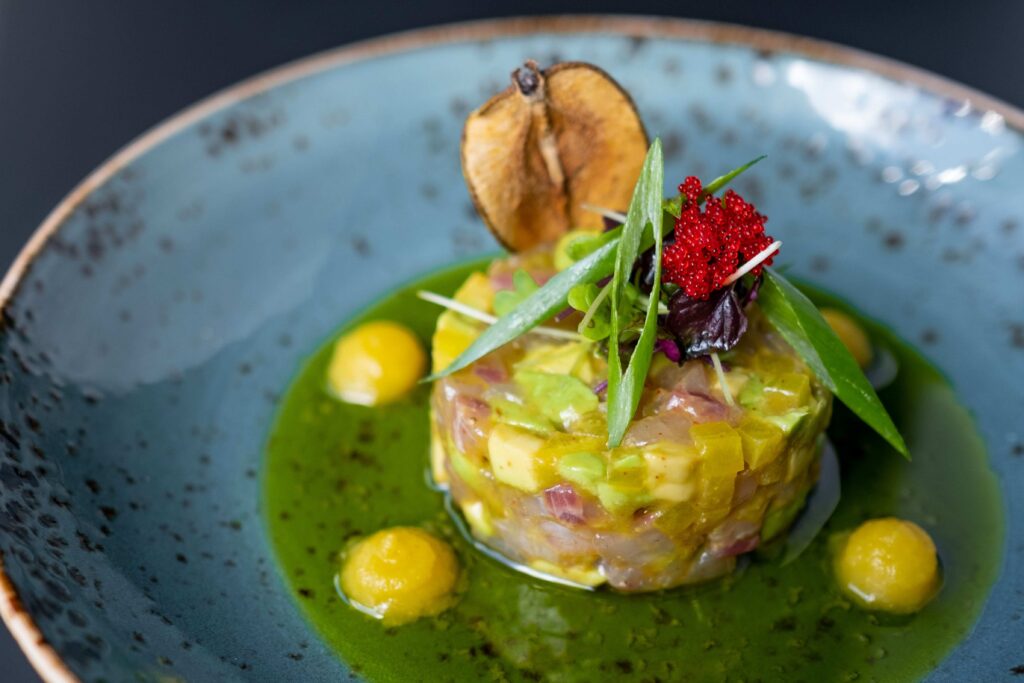
Over the past two decades, Lima has transformed into a major destination for food enthusiasts worldwide, with several establishments regularly named among the top restaurants on Earth. World-renowned dining spots like Central and Maido showcase hyper-local ingredients sourced from varying ecological altitudes, taking diners on a culinary journey from ocean floor to Amazon canopy.
Securing a table at these flagship venues requires booking three to four months in advance, with tasting menus ranging from $270 to $390 per person before drinks.
FAQs
How many days are needed to experience Peru beyond Machu Picchu?
To see a balanced mix of historical sites, landscape variations, and culinary hubs, a trip of 10 to 14 days is recommended. This allows sufficient time to acclimate in Cusco and the Sacred Valley, spend 2 days in Lima for food experiences, and add either the Amazon basin or Lake Titicaca to your itinerary without rushing travel logistics. For a fuller sense of what fills those extra days, our things to do in Peru guide is a useful next stop.
Is high altitude a major factor when traveling in Peru?
Yes, high altitude affects most travelers visiting the Andean regions. Cusco sits at roughly 11,150 feet, while Rainbow Mountain exceeds 17,000 feet. Planning your itinerary to visit lower-elevation areas first, such as the Sacred Valley at 9,500 feet, staying hydrated, avoiding heavy meals upon arrival, and allocating 2 days for passive acclimation will significantly reduce the risk of altitude sickness.
What is the best time of year to visit Peru?
The dry season in the Andean highlands and Amazon basin runs from May through September, making these months ideal for trekking, sightseeing, and clear mountain views. Conversely, the coastal region, including Lima, experiences sunny weather from December through April, which is the best timeframe for coastal travel and beach activities. Since these regions run on opposite calendars, our best time to visit Peru guide breaks down how to time a trip that touches more than one of them.
How safe is public transport and internal travel within Peru?
Domestic flights are the most efficient method for covering long distances between Lima, Cusco, Arequipa, and Iquitos. For ground travel between nearby regional cities like Cusco, Puno, and Arequipa, high-end tourist bus operators offer comfortable, secure long-distance service. Standard city taxis should be arranged via ride-hailing applications or hotel desks rather than hailed randomly on the street.
Conclusion
Peru’s reputation was built on Machu Picchu, however what Peru is known for really comes down to the connective tissue between civilizations, landscapes, and food that most travelers never plan for in advance.
For American travelers weighing how much time to set aside, 10 to 14 days is the realistic minimum to move through these regions without constant rushing, Cusco and the Sacred Valley, the Amazon or the southern canyons, and Lima’s restaurant scene, without treating any one of them as an afterthought.