
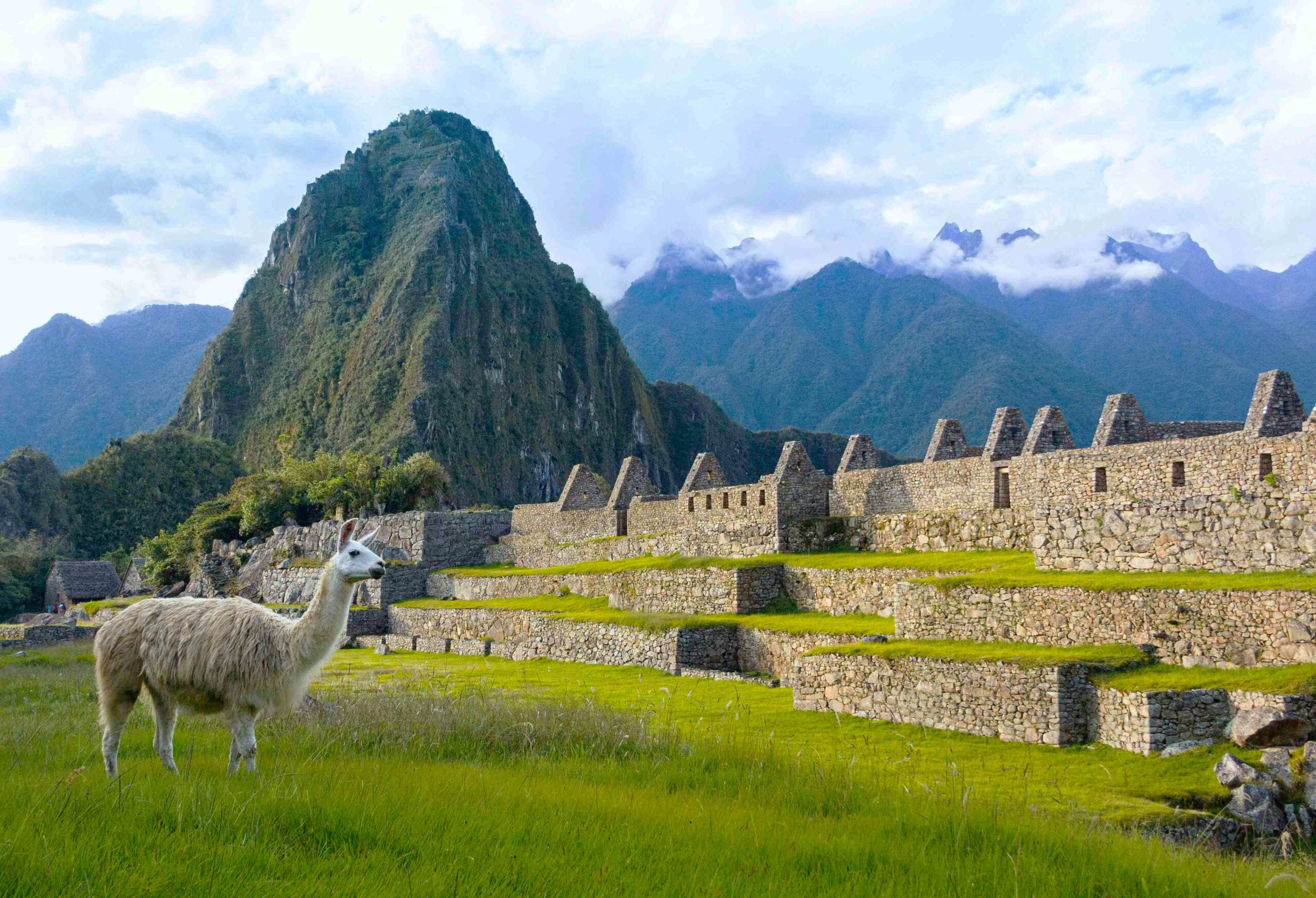
Planning a trip to Peru involves navigating vastly different geographical zones, extreme altitude shifts, and complex logistics. From the high-altitude Andean peaks to coastal desert dunes and dense Amazonian rainforests, selecting the right experiences requires understanding how these regions connect and how much time each demands. This editorial guide breaks down the essential landmarks, trekking routes, and cultural sites across Peru to help you build a clear, well-structured itinerary. For a broader sense of what makes the country distinctive before you dive into logistics, what is Peru known for beyond Machu Picchu is a good place to start.
Peru Quick-Reference Overview
Regional Hub / Region | Key Highlights | Estimated Market Costs | Recommended Time | Best Season |
|---|---|---|---|---|
Cusco & Sacred Valley | Machu Picchu, Moray, Maras, Inca Trail, Rainbow Mountain | Ticket Machu Picchu: $45 – $62 | 5 – 7 days | May – October |
Coastal West | Nazca Lines, Huacachina Oasis, Ballestas Islands, Lima Gastronomy | Flight Nazca: $105 – $140 | 3 – 4 days | Year-round (Desert); Dec – Apr (Lima) |
Southern Andes | Santa Catalina Monastery, Colca Canyon Condor Watching | Entrance Monastery: $12 | 3 – 4 days | April – November |
Lake Titicaca |
| Full-Day Lake Tour: $35 – $55 | 2 days | May – October |
Amazon Basin | Tambopata Reserve, Iquitos Deep Jungle Cruises | Ecolodge Tambopata (3D2N): $400 – $750 | 3 – 4 days | May – October |
Northern Circuit | Royal Tombs of Sipán, Chan Chan, Kuelap Fortress | Museum/Site Tickets: $3 – $8 | 3 – 5 days | April – November |
Cordillera Blanca | Laguna 69 Trek, Laguna Parón | Park Fee Huascarán: $8 | 3 – 4 days | May – September |
Planning Your Peru Itinerary Around Regional Hubs and Altitudes
Before diving into individual landmarks, it helps to think of Peru as a handful of connected hubs rather than a single checklist. Cusco and the Sacred Valley sit at serious altitude, Lima and the coast stay near sea level, and the Amazon runs on its own logistics entirely, often requiring a flight from Cusco or Lima rather than a road trip.
Figuring out what to do in Peru for a 2 week itinerary usually means grouping nearby sites together and building in a day or two for altitude acclimatization before any strenuous trekking, since jumping straight from sea level Lima to a 15,092-foot glacier lake is a rough way to start a trip.
Inca Heartland: Cusco, Sacred Valley, and High-Altitude Wonders
The southern Peruvian Andes hold the dense center of Incan civilization. Centered around the historic city of Cusco, this region requires several days to explore properly due to the sheer concentration of archaeological sites and the physical demands of high elevation.
1. Exploring the Architectural Integrity of Machu Picchu Historic Sanctuary
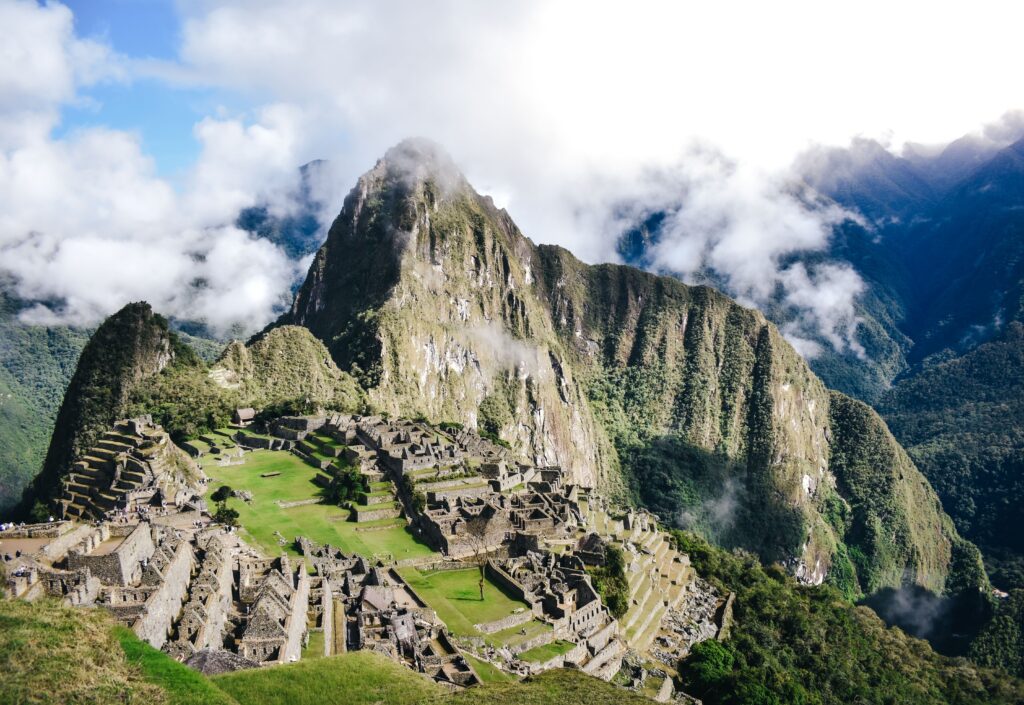
Machu Picchu captivates with mortarless stone architecture set dramatically between lush mountain peaks. Visitors wander through ancient ceremonial plazas, explore agricultural terraces, and take in iconic panoramas from the upper watchtower.
Access requires a scenic train to Aguas Calientes and booking specific entry circuits ($45 – $62; Vistadome train $140 – $210). Afternoon shifts offer clearer skies and fewer crowds. For lower-altitude valley lodging, Tambo del Inka, a Luxury Collection Resort & Spa in Urubamba provides a private train platform. For a deeper look at seasonal weather patterns, crowd levels, and how far ahead to book, see the best time to visit Machu Picchu (2026) guide.
2. Acclimatizing in Cusco Through Temple Ruins and Colonial Streets
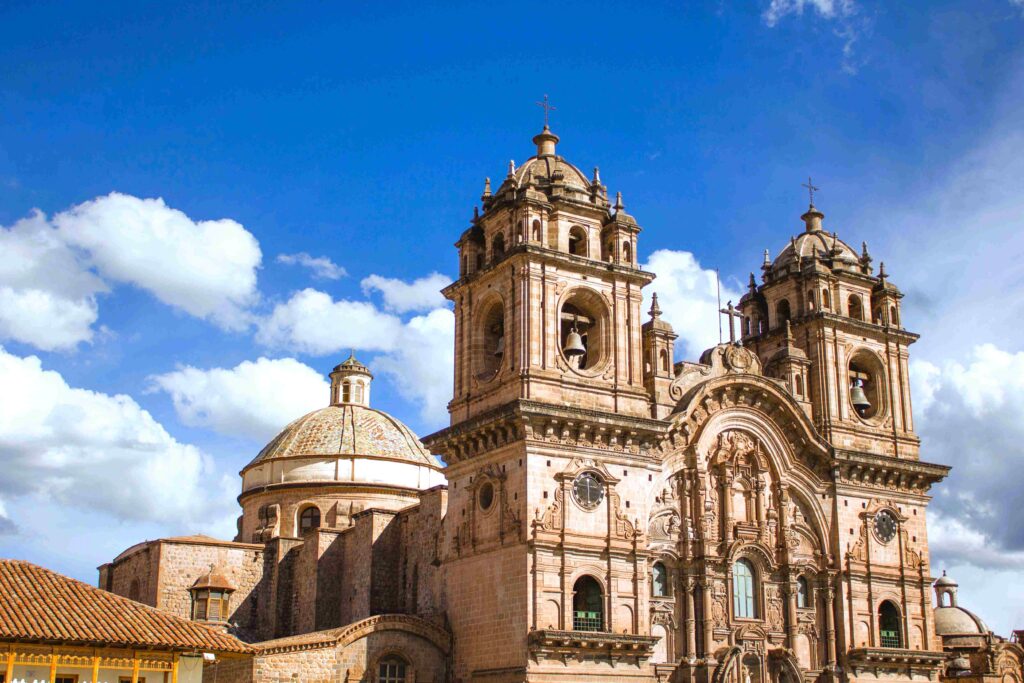
Cusco presents a striking urban tapestry where Spanish baroque churches rest directly atop Incan foundations. Exploring San Blas stone alleys brings travelers face-to-face with local artisans, gold-plated Incan walls at Qorikancha, and the hundred-ton limestone blocks of Sacsayhuamán.
Including Cusco on your list of places to visit in Peru offers an ideal cultural orientation while acclimatizing to 11,155 feet elevation. The ten-day Boleto Turístico costs 130 PEN (~$35). Palacio del Inka, a Luxury Collection Hotel provides central lodging with in-room oxygen enrichment.
3. Navigating the Agricultural Terraces of Moray and the Maras Salt Mines
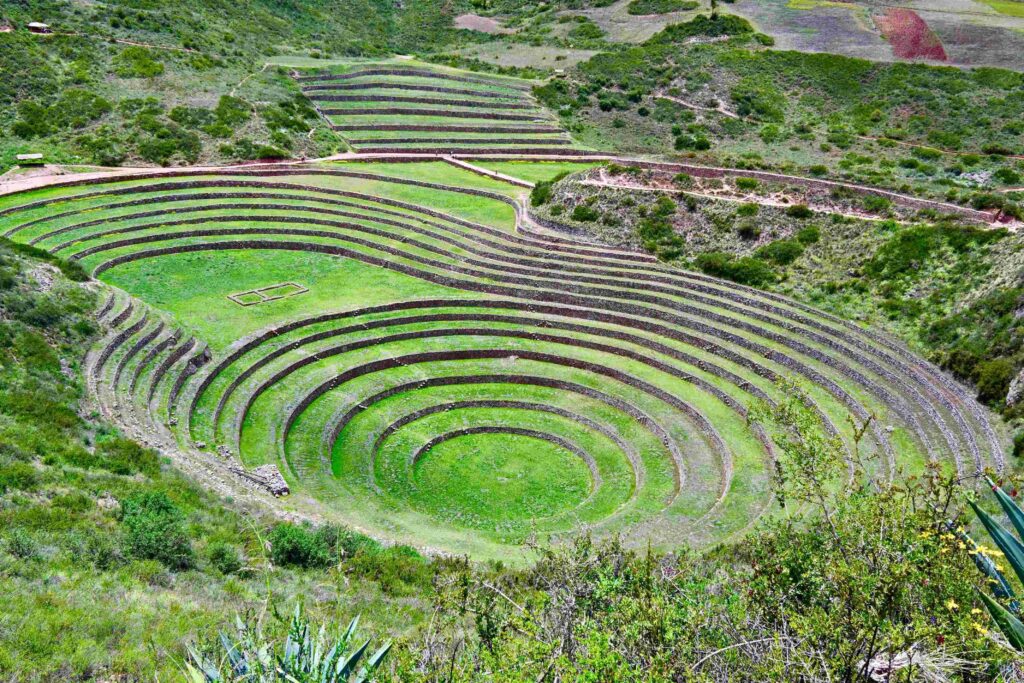
This pairing highlights the genius of Incan engineering applied to agriculture and resource extraction. Moray features massive circular terraced bowls engineered to simulate varied microclimates for crop testing.
A short drive away, Maras mesmerizes with over three thousand pale-pink evaporation ponds fed by a subterranean saline spring, where local families harvest mineral salt. A half-day tour or taxi costs $40 – $60, plus an independent fee of 20 PEN (~$5.50) at Maras.
4. Trekking the Classic Inca Trail versus the Salkantay Route
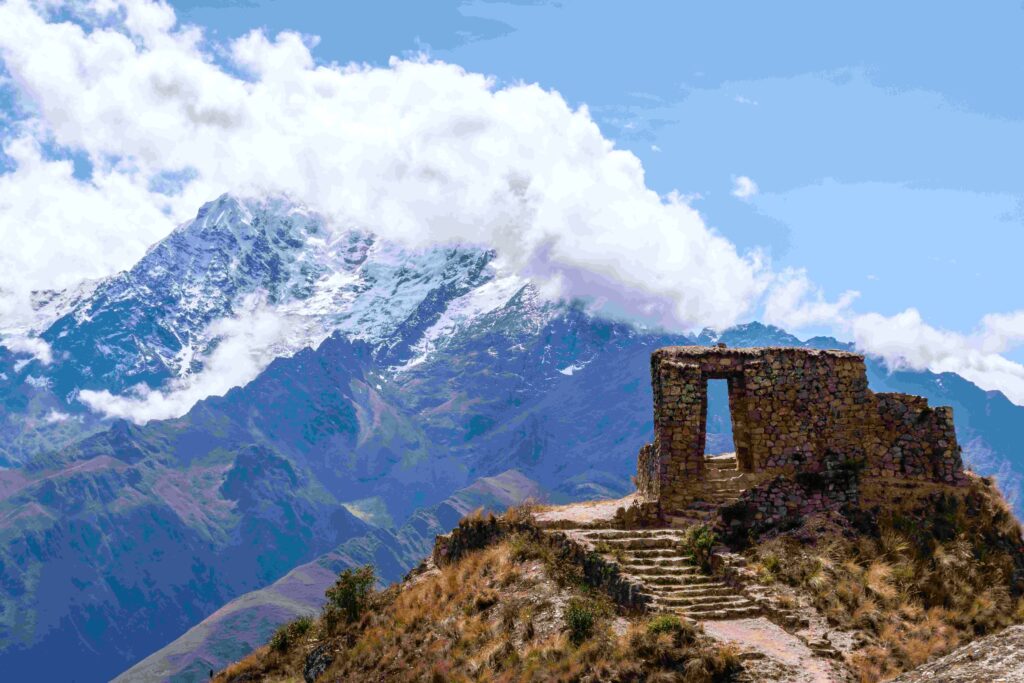
Hiking through the Andes offers an immersive journey through ancient history or raw wilderness. On the Classic Inca Trail (4 days), you’ll trek along paved Incan stone paths, pass hidden cloud-forest ruins, and enter Machu Picchu directly through the Sun Gate ($750 – $1,100; book 6 months ahead). Alternatively, the 5-day Salkantay Trek features dramatic glacier passes at 15,190 feet and turquoise alpine lakes without strict permit limits ($500 – $800 USD).
5. Assessing the Real Conditions of Rainbow Mountain and Palccoyo
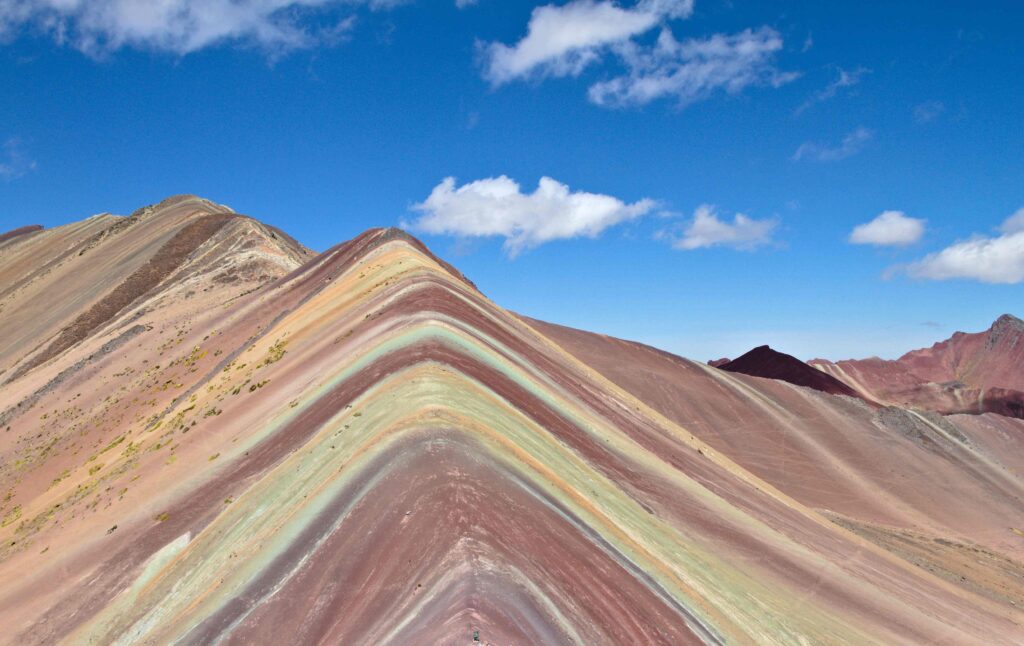
These high-altitude ridges showcase slopes naturally striped in turquoise, magenta, and gold from mineral erosion. At Vinicunca (17,060 feet), a steep climb rewards hikers with sweeping Andean vistas. For a gentler alternative, Palccoyo provides a flat 45-minute walk to view three rainbow-hued mountains and an alpine rock forest with significantly smaller crowds. Day tours departing from Cusco run $30 – $50 per person.
Coastal Desert: Marine Wildlife, Dunes, and Ancient Mysteries
Peru’s coastline stretches across a dry desert ribbon squeezed between the Pacific Ocean and the Andes. This region mixes coastal marine ecosystems with massive sand dunes and enigmatic pre-Incan archaeological markings.
6. Flight Dynamics and Visualizing the Nazca Lines
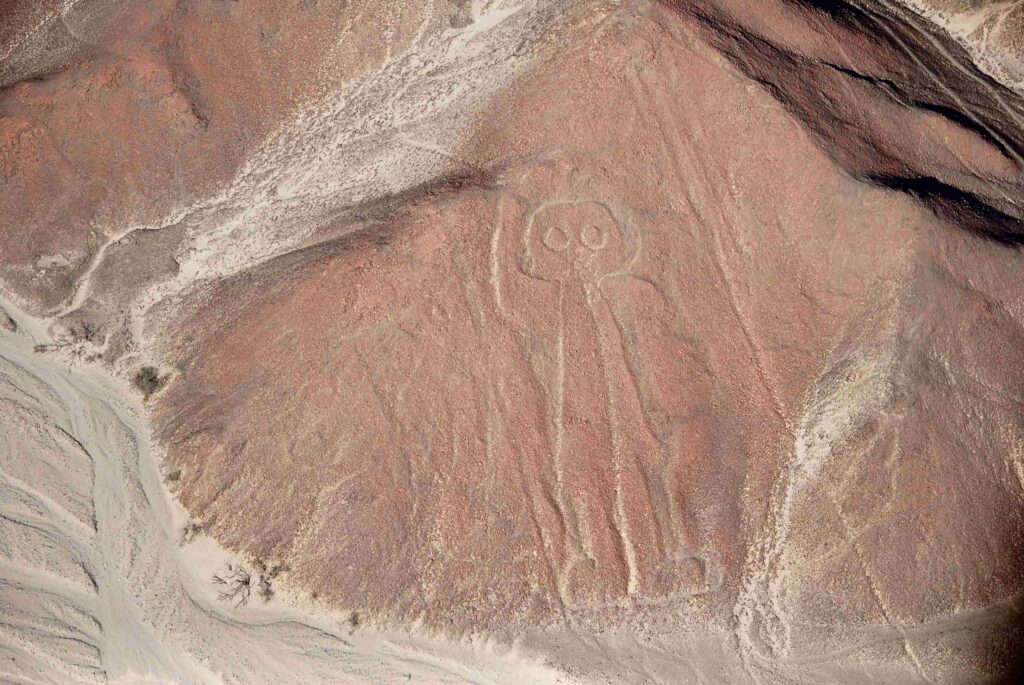
Etched into dry desert plateaus, the pre-Incan Nazca Lines remain best appreciated from the sky. Light aircraft flights departing from Nazca or Paracas bank over intricate geoglyphs depicting hummingbirds, monkeys, and geometric figures. Flights cost $105 – $140 per person plus a $12 local airport tax. Hotel DM Nazca provides convenient town center lodging near the historic main square.
7. Dune Buggying and Sandboarding in the Huacachina Oasis
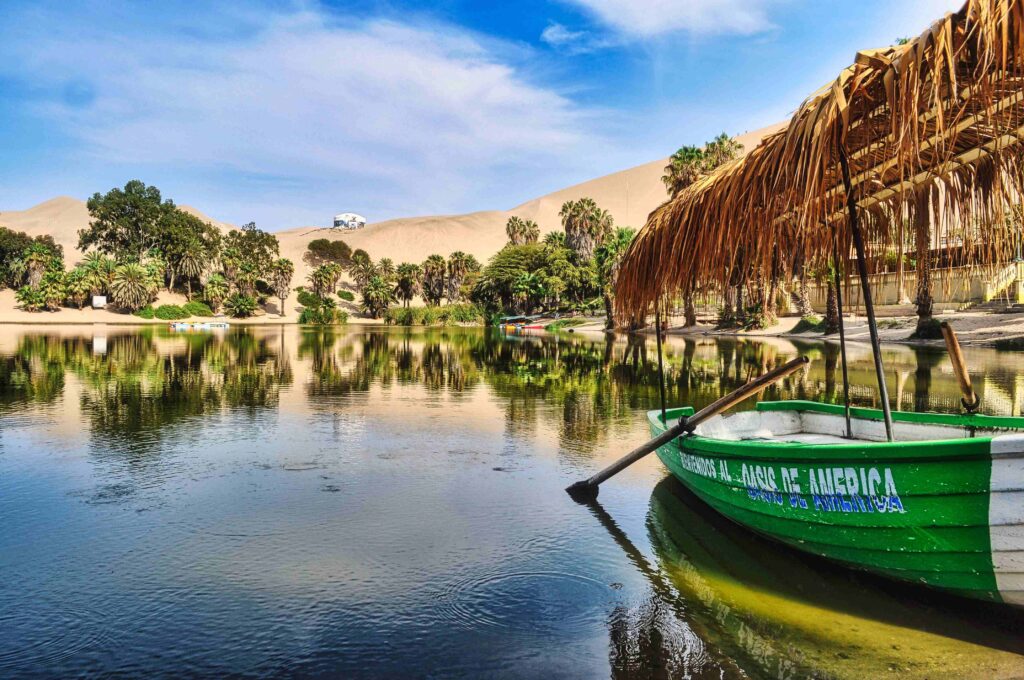
Framed by giant sand dunes outside Ica, Huacachina centers around a palm-fringed desert oasis. High-powered buggy excursions navigate steep sand ridges before sunset, paired with sandboarding down 328-foot dune slopes. Two-hour combined excursions run $20 – $35 per person. Set in surrounding vineyards away from oasis noise, Hotel Viñas Queirolo offers quiet valley accommodations.
8. Evaluating Wildlife Encounters at Paracas and the Ballestas Islands
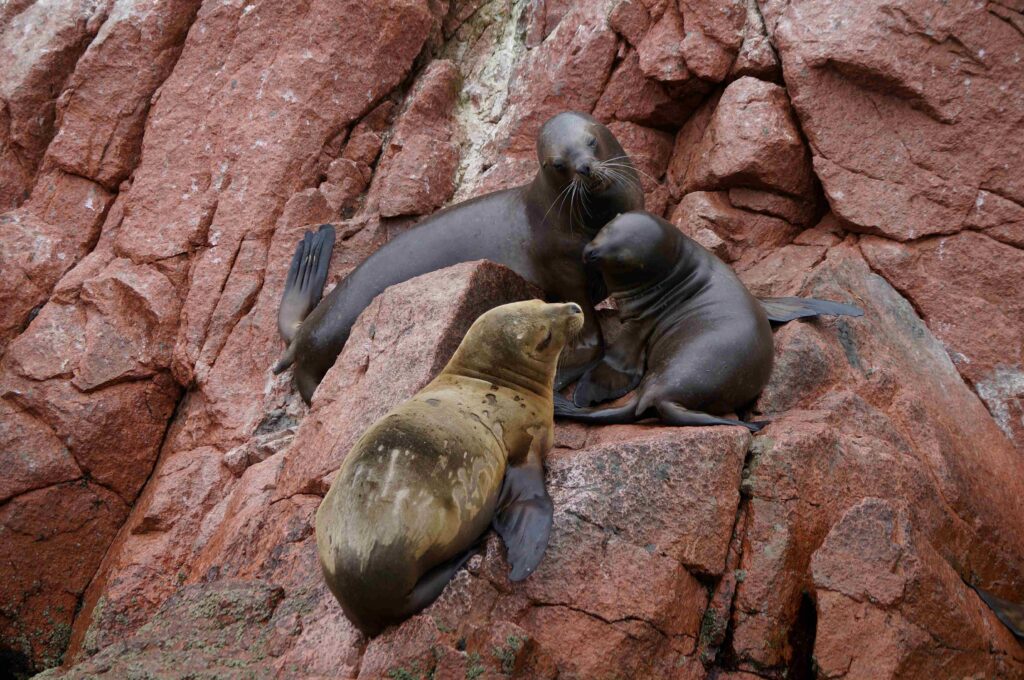
Fueled by the cold Humboldt Current, this marine reserve teems with coastal wildlife. Speedboats departing Paracas circle the Ballestas Islands to observe sea lions basking on rocky arches, Humboldt penguins on sea cliffs, and vast flocks of seabirds. Boat tours cost $15 – $25 per person, plus an 11 PEN (~$3) reserve entrance fee. Hotel Paracas, a Luxury Collection Resort features waterfront docks and ocean views.
9. Gastronomic Exploration and Coastal Cliffs in Lima

Lima attracts travelers through its world-class food scene and oceanfront parkways. You can sample ultra-fresh ceviche, experience inventive tasting menus highlighting Amazonian and Andean ingredients, and stroll along the Malecón cliffs overlooking the Pacific.
Exploring Lima’s dining districts ranks among the essential things to do in Peru for food enthusiasts. Tasting menus at Central or Maido run $200 – $380 per person (book 3 months ahead). JW Marriott Hotel Lima provides oceanfront lodging in Miraflores. If Lima is more than a layover on your itinerary, our guide best things to do in Lima rounds out the city beyond its restaurants.
High Altitude and Deep Canyons: Arequipa and Colca Canyon
Southern Peru features volcanic landscapes carved by deep river valleys. The region serves as an ideal transitional zone for visitors adjusting to Andean altitudes before moving east toward Cusco or Lake Titicaca.
10. Architectural Heritage and Volcanic Views in Arequipa
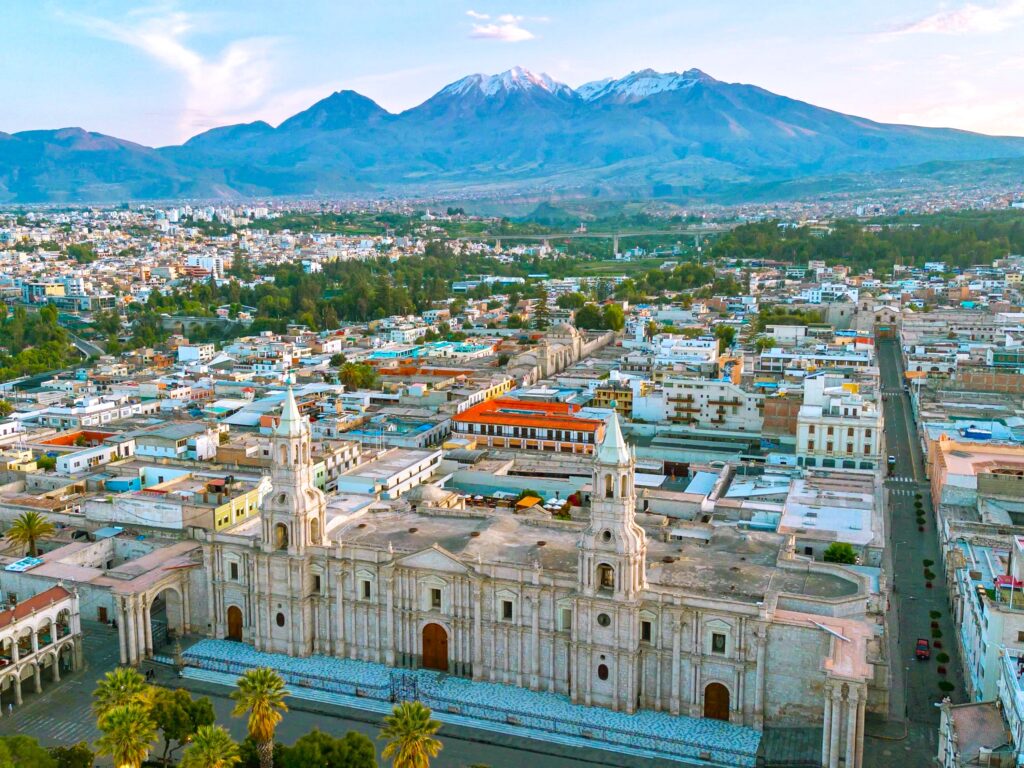
Framed by three volcanoes, Arequipa’s historic center shines with pale volcanic sillar stone. The premier landmark is the Santa Catalina Monastery, a walled 215,278-square-foot city within a city filled with cobalt and terra-cotta courtyards., narrow stone alleys, and historic cloistered quarters. Entry costs 45 PEN (~$12). Cirqa – Relais & Châteaux offers luxury rooms inside restored 16th-century sillar walls.
11. Spotting Andean Condors Across the Depths of Colca Canyon
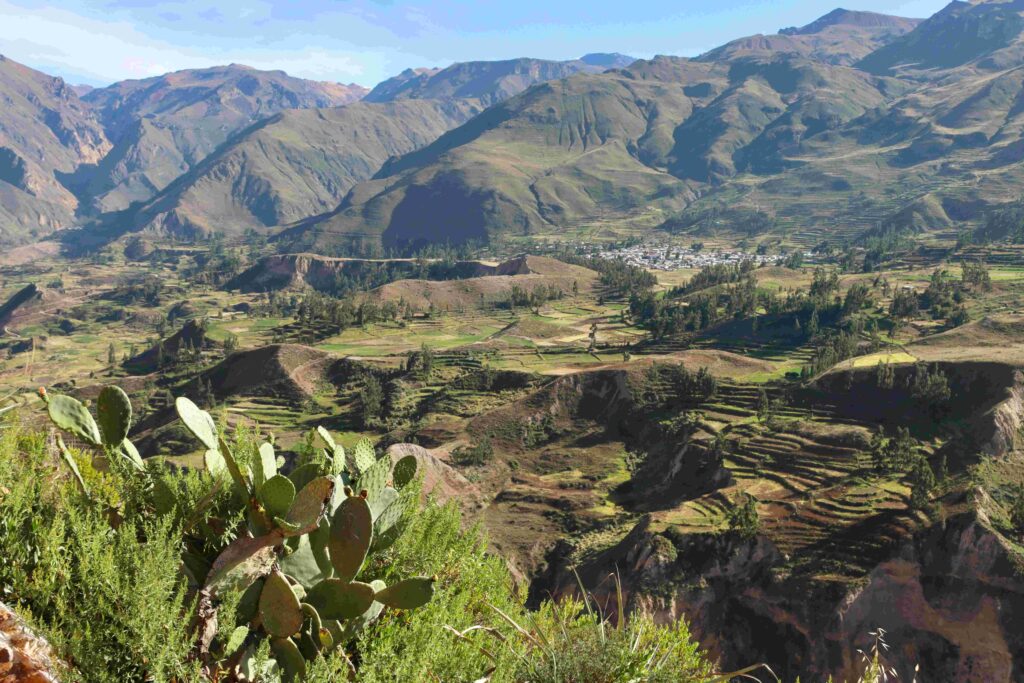
Reaching depths over 10,500 feet, Colca Canyon combines dramatic alpine views with ancient agricultural terracing. Early morning visits to the Cruz del Condor viewpoint offer front-row views of wild Andean Condors riding thermal updrafts above the canyon rim against a backdrop of sheer rock walls. Tourist tickets cost 70 PEN (~$19), with 2-day guided trips from Arequipa priced at $80 – $150. Belmond Las Casitas provides luxury stone casitas along the valley floor.
Lake Titicaca and the High Plateau: Cultural Traditions on Water
Straddling the border between Peru and Bolivia at 12,506 feet above sea level, Lake Titicaca is the highest navigable body of water in the world. The region preserves unique island communities that have adapted to high-altitude aquatic life over centuries.
12. Floating Construction of the Uros Reed Islands
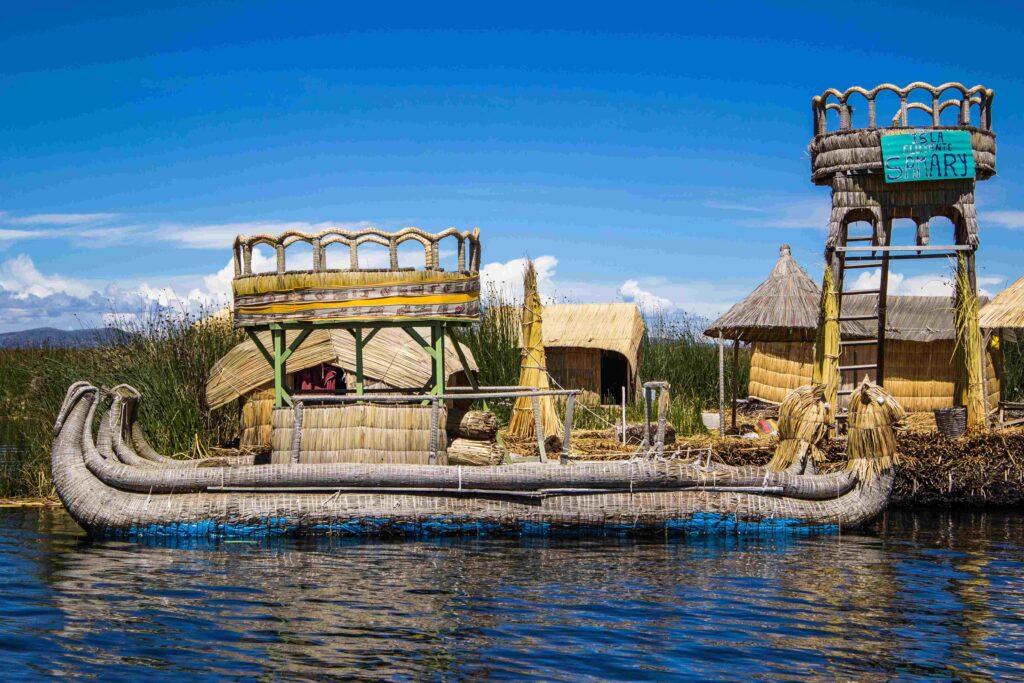
Rising above the high-altitude waters of Lake Titicaca, these unique human-made floating islands are crafted entirely from woven Totora reeds. Stepping onto the springy Totora reed surface reveals how indigenous families build floating homes, craft reed boats, and maintain island bases over time. Half-day boat tours from Puno cost $15 – $25.
13. Day-Trekking and Textile Traditions on Taquile Island
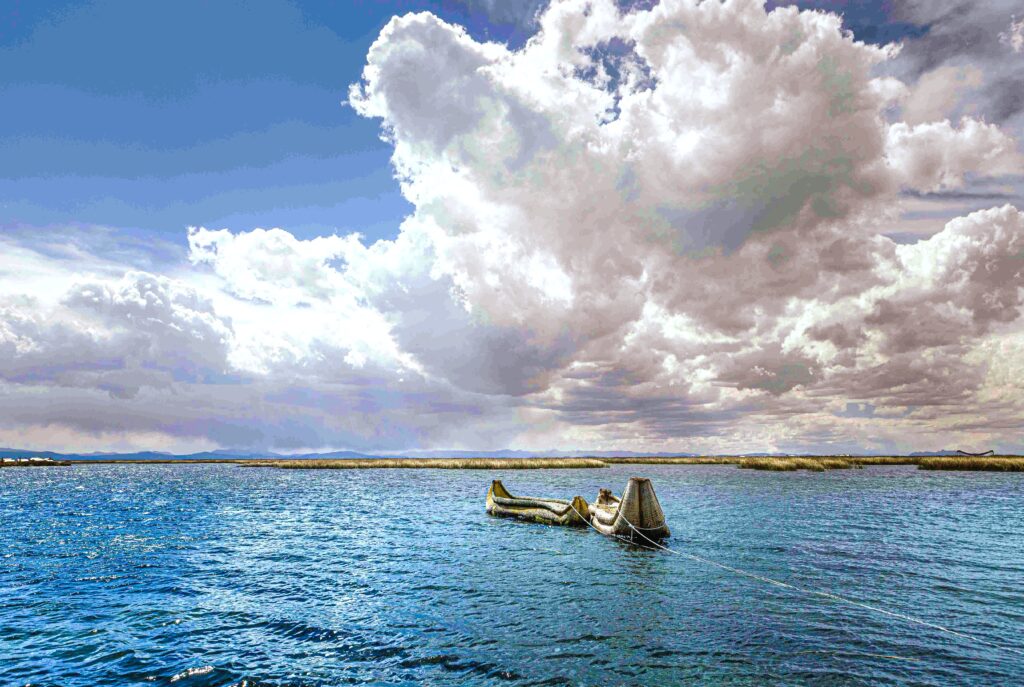
Taquile Island stands out for its roadless sandstone hills and UNESCO-recognized textile traditions. You can walk up stone staircases surrounded by sweeping views of Lake Titicaca, meet local male weavers who craft intricate hand-knitted clothing, and enjoy fresh lake trout at a village co-op. Full-day combined boat tours including Uros and Taquile cost $35 – $55. GHL Hotel Lago Titicaca offers lakefront lodging on Esteves Island.
Peruvian Amazon: Biodiversity and Deep Jungle Logistics
Covering over 60 percent of Peru’s territory, the Amazon Basin contains vast biodiversity, accessible via two main gateways: Puerto Maldonado in the south and Iquitos in the north.
14. Wildlife Expeditions in Tambopata Reserve via Puerto Maldonado
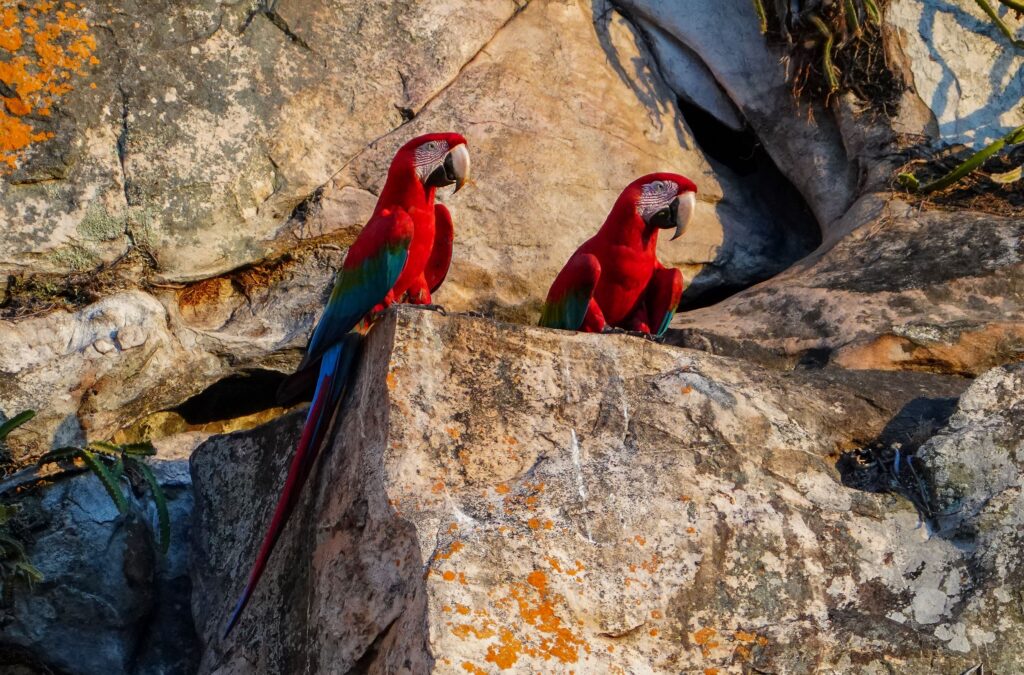
Accessible via a flight from Cusco, Tambopata delivers dense rainforest biodiversity within a short travel footprint. Travelers can ride motorized canoes down jungle rivers, search for giant otters on Lake Sandoval, walk along canopy bridges, and watch hundreds of colorful macaws gather at riverbank clay licks. All-inclusive 3-day, 2-night ecolodge packages range from $400 – $750 per person. Inkaterra Reserva Amazónica offers luxury riverfront cabanas.
15. River Cruises and Deep Jungle Encounters in Pacaya Samiria vía Iquitos
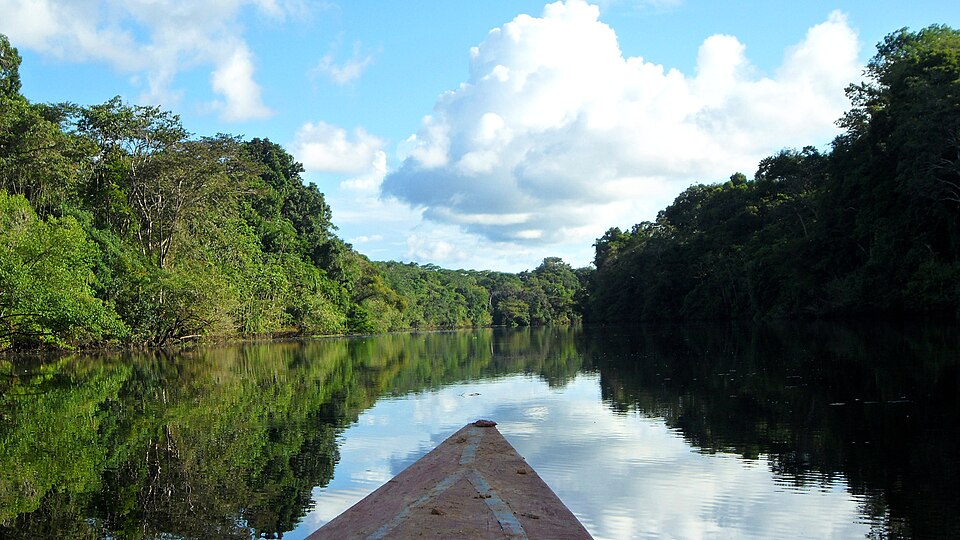
Iquitos serves as the gateway to the vast flooded forests of Pacaya Samiria National Reserve. Aboard a luxury river cruise, you navigate remote Amazon tributaries on skiffs, spot rare pink river dolphins, view sloths high in the canopy, and take night excursions to search for caimans. Four-day expedition cruises range from $1,800 – $3,500 per person.
Northern Archaeological Circuit: Empires Before the Incas
While the Incas dominate southern tourism, northern Peru was home to advanced coastal and highland civilizations that flourished long before the rise of Cusco.
16. Uncovering the Royal Tombs of Sipán in Chiclayo
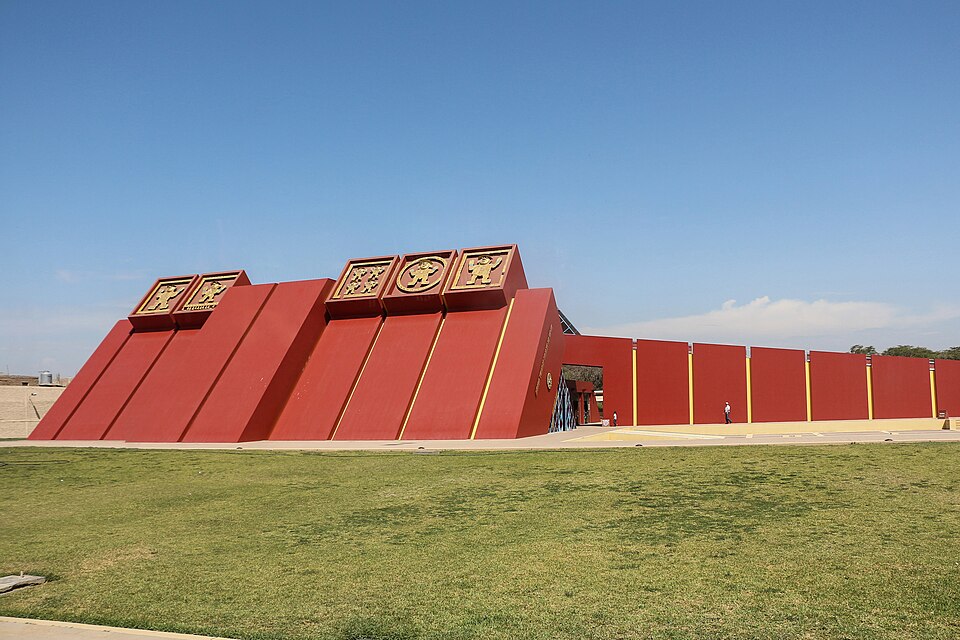
This region houses the richest intact pre-Columbian burial ever discovered in the Americas. Inside the pyramid-shaped Royal Tombs of Sipán Museum, you’ll view shimmering gold armor, turquoise jewelry, and intricate ceremonial artifacts buried with an ancient Moche ruler. Museum admission costs 10 PEN (~$2.70). Casa Andina Select Chiclayo offers central base lodging in Chiclayo.
17. Exploring Chan Chan, the World’s Largest Mud-Brick City in Trujillo
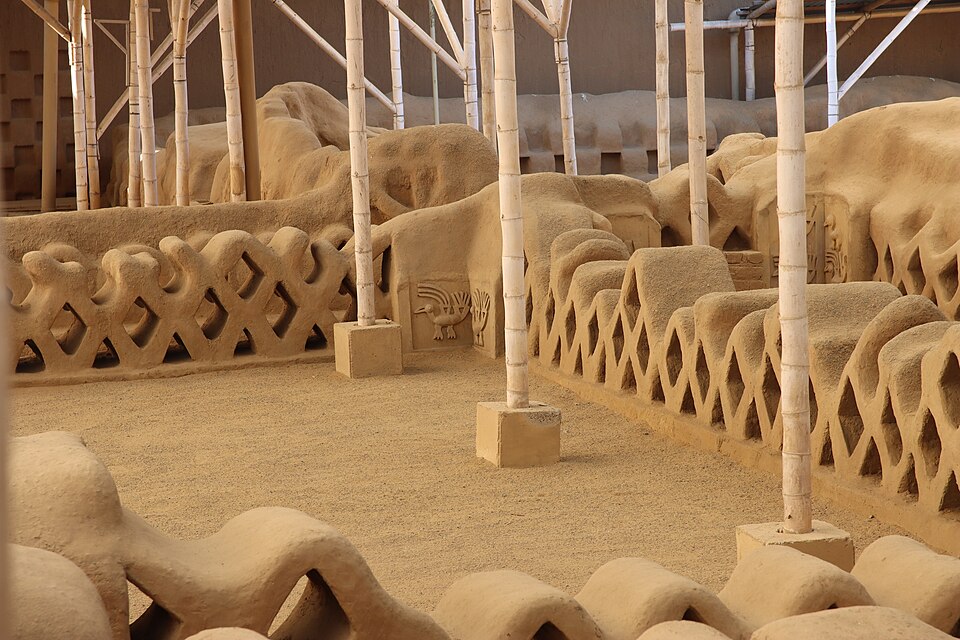
Spanning 7.7 square miles near Trujillo, Chan Chan stands as the largest mud-brick city ever built. Walks through the Nik An palace reveal high adobe walls adorned with carved ocean relief patterns showing fish, pelicans, and sea nets. Entry tickets cost 11 PEN (~$3). Costa del Sol Wyndham Trujillo Centro sits on Trujillo’s main square.
18. The Cloud Forest Citadel of Kuelap and Gocta Waterfall in Chachapoyas
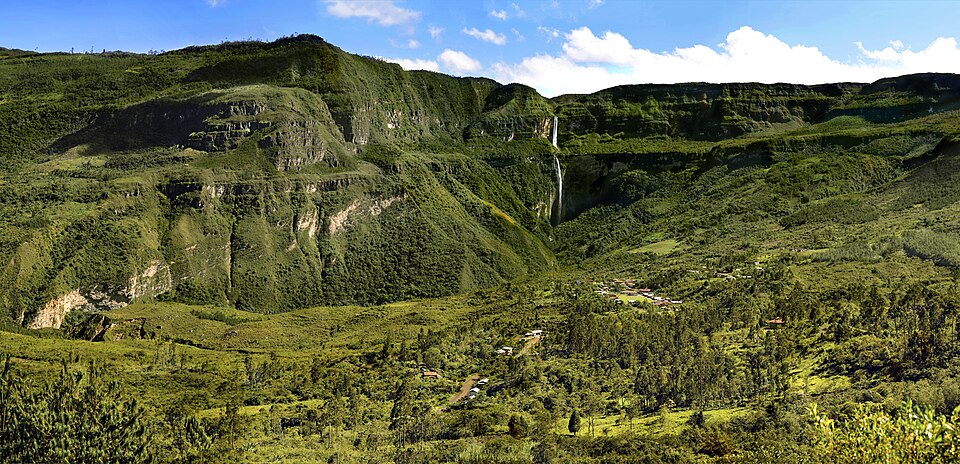
Deep in northern cloud forests, Chachapoyas highlights the legacy of the Cloud Warriors. Cable cars transport visitors to Kuelap, a mountain citadel protected by 66-foot stone walls, while forest trails lead to Gocta Waterfall plunging 2,530 feet down a vertical cliff face. Cable car tickets cost 30 PEN (~$8); Gocta guides cost $15 – $25. Gocta Natura Reserve provides private cabins facing the falls.
High-Altitude Trekking in the Cordillera Blanca: Huaraz
Located north of Lima, Huaraz sits in the Callejon de Huaylas valley beneath the Cordillera Blanca, the highest tropical mountain range in the world. It serves as South America’s premier hub for alpine mountaineering and high-altitude day hiking.
19. Day-Hikes to Glacier Lakes: Laguna 69 and Laguna Parón
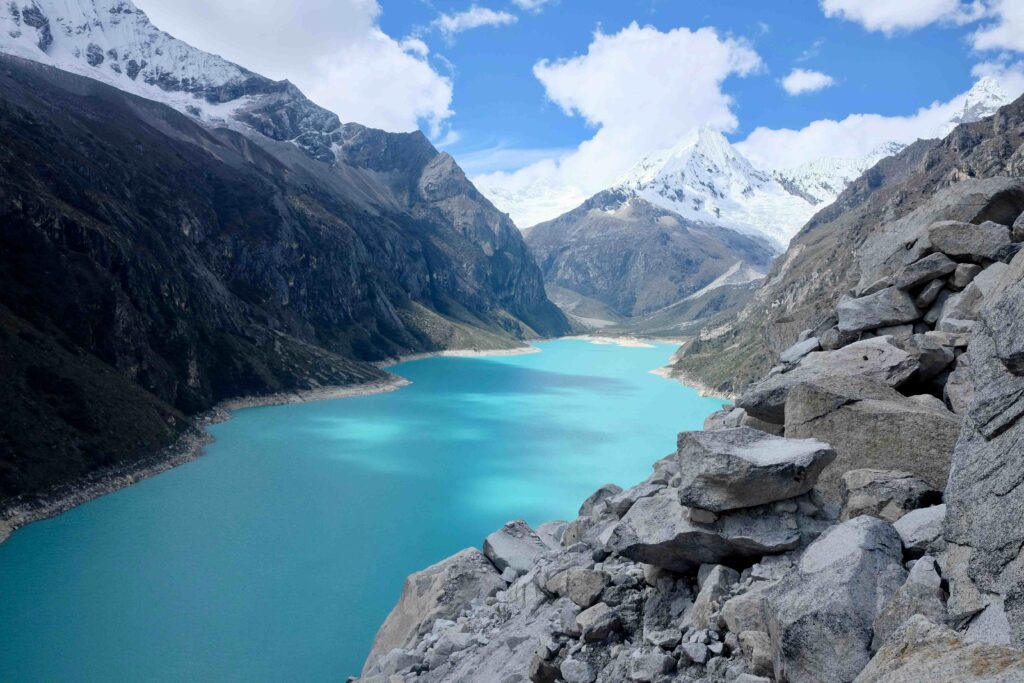
Huascarán National Park features electric-blue glacial lakes surrounded by snow-capped 19,685-foot peaks. Hiking to Laguna 69 rewards you with views of vibrant turquoise waters beneath towering Glaciers at 15,092 feet. Alternatively, Laguna Parón lets you drive close to the lake edge at 13,780 feet to admire cyan waters framed by Mount Artesonraju.
Park permits cost 30 PEN (~$8), with transport tours from Huaraz costing $20 – $35. Hotel Morales offers driver and gear support in Huaraz.
FAQs
What is the best month to visit Peru for clear mountain weather?
The dry season in the Peruvian Andes runs from May through October. During these months, you can expect clear blue skies during the day, making it the best time for trekking and visiting sites like Machu Picchu or Laguna 69. However, nighttime temperatures drop significantly at high altitudes. and the coast and Amazon run on different seasonal patterns, the best time to visit Peru guide breaks this down region by region.
How many days are needed to avoid altitude sickness in Cusco?
Plan to spend at least two full days (48 hours) resting and taking on light activity before starting any multi-day hikes or ascending to high points like Vinicunca Rainbow Mountain. Rest, stay hydrated, avoid heavy meals, and consider local coca tea to assist adaptation.
Do I need to book Machu Picchu tickets months in advance?
Yes. Official tickets for Machu Picchu and the accompanying mountain hikes (Huayna Picchu and Machu Picchu Mountain) operate under daily visitor limits. Tickets for peak months (May through September) routinely sell out 3 to 4 months in advance. Inca Trail permits often sell out 6 months ahead.
Conclusion
Building an itinerary across Peru requires prioritizing regions based on your travel style, fitness level, and available time. Whether focusing on the historic Incan sites around Cusco, navigating coastal desert landscapes, exploring northern archaeological ruins, or hiking alpine glacier trails, structuring your route sequentially around geographical hubs ensures a smooth journey across this diverse country.